About Australia
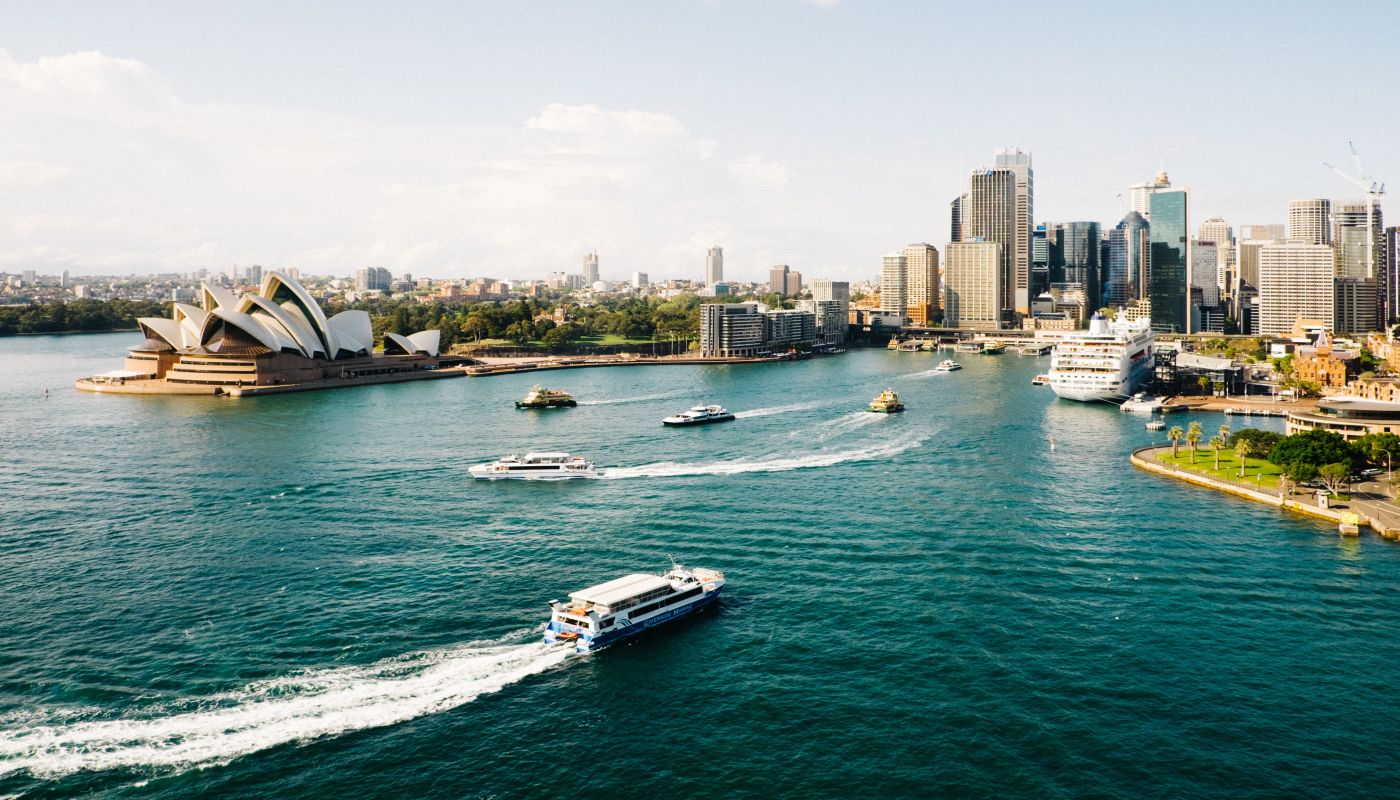
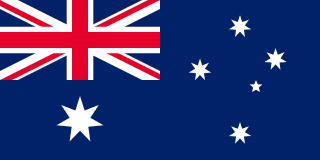
Prehistoric settlers arrived on the continent from Southeast Asia at least 40,000 years before the first Europeans began exploration in the 17th century. No formal territorial claims were made until 1770, when Capt. James COOK took possession of the east coast in the name of Great Britain (all of Australia was claimed as British territory in 1829 with the creation of the colony of Western Australia). Six colonies were created in the late 18th and 19th centuries; they federated and became the Commonwealth of Australia in 1901. The new country took advantage of its natural resources to rapidly develop agricultural and manufacturing industries and to make a major contribution to the Allied effort in World Wars I and II. In recent decades, Australia has become an internationally competitive, advanced market economy due in large part to economic reforms adopted in the 1980s and its location in one of the fastest growing regions of the world economy. Long-term concerns include aging of the population, pressure on infrastructure, and environmental issues such as floods, droughts, and bushfires. Australia is the driest inhabited continent on earth, making it particularly vulnerable to the challenges of climate change. Australia is home to 10 per cent of the world's biodiversity, and a great number of its flora and fauna exist nowhere else in the world. In January 2013, Australia assumed a nonpermanent seat on the UN Security Council for the 2013-14 term.
Quick Facts
- Population
- 22,262,501 (July 2013 est.)
- Area
- 7,741,220 sq km
- ISO Code
- AU
- Continent
- Australia/Oceania
- Government
- federal parliamentary democracy and a Commonwealth realm
- Active Causes
- 12