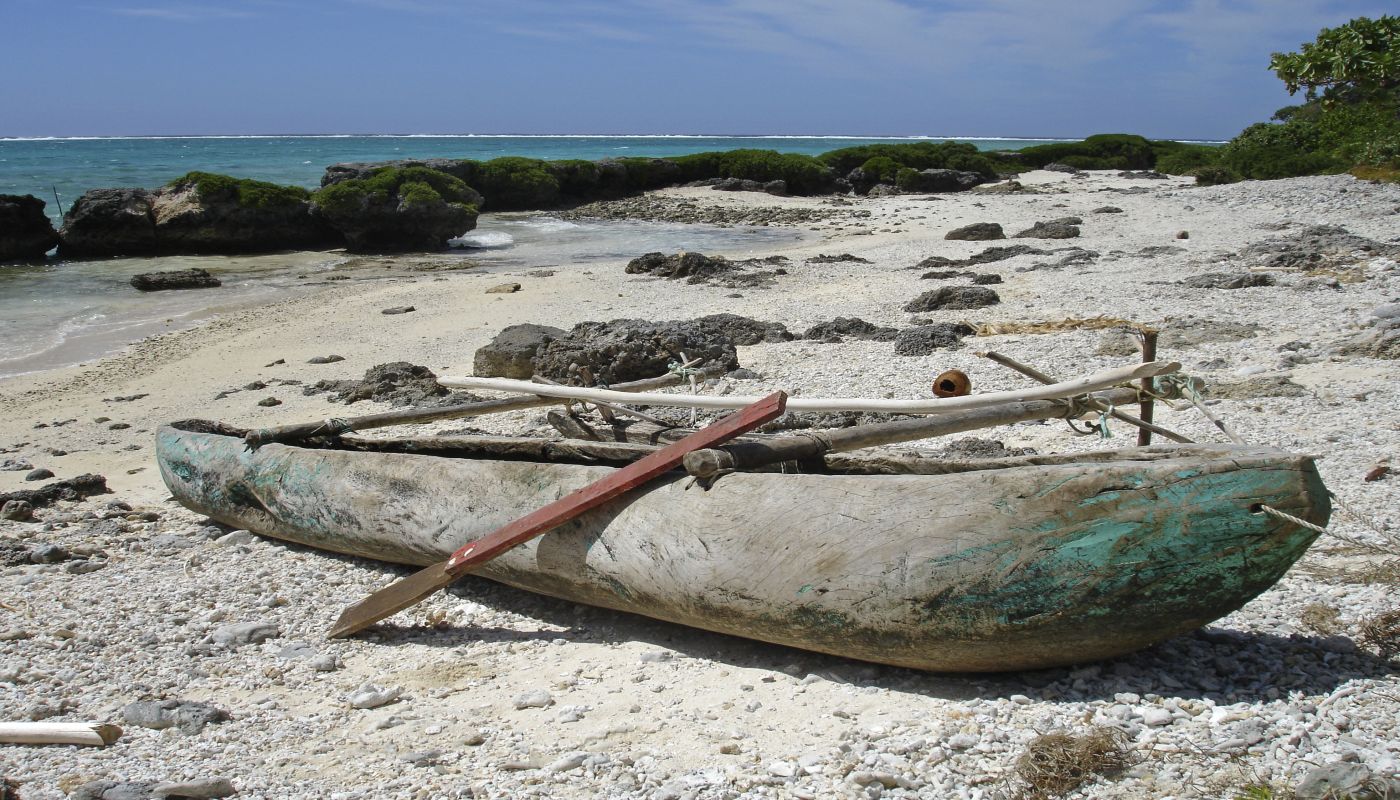
Landscape of Tonga
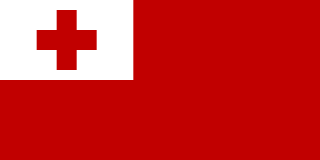
Flag of Tonga

Tonga

Australia/Oceania

Tonga is an island nation in the south Pacific that consists of over 170 islands. A former British protectorate, it became an independent member of the Commonwealth in 1970. They are the only Polynesian island that has retained a monarchy, and the monarch makes many political decisions along with the prime minister.1 The islands are heavily affected by climate change that is deteriorating their land, and tourism has decreased in the last few years.2 Both of these things have caused the economy to be strained, and Tongo relies on remittances and foreign aid to function.3 1 https://www.britannica.com/place/Tonga#toc599148main
2 http://www.bbc.com/news/business-34738408
2 https://www.cia.gov/library/publications/the-world-factbook/geos/tn.html

What would you like to learn about in Tonga?

Select a section to explore the country where nonprofits are creating positive change.

About Tonga

Tonga - unique among Pacific nations - never completely lost its indigenous governance. The archipelagos of "The Friendly Islands" were united into a Polynesian kingdom in 1845. Tonga became a constitutional monarchy in 1875 and a British protectorate in 1900; it withdrew from the protectorate and joined the Commonwealth of Nations in 1970. Tonga remains the only monarchy in the Pacific.

Quick Facts

Population
106,322 (July 2013 est.)
Area
747 sq km
ISO Code
TO
Continent
Australia/Oceania
Government
constitutional monarchy
Active Causes
12
View all countries in Australia/Oceania

Geography & Environment

Climate

tropical; modified by trade winds; warm season (December to May), cool season (May to December)

Terrain

most islands have limestone base formed from uplifted coral formation; others have limestone overlying volcanic base

Natural Resources

fish, fertile soil

Environmental Issues

deforestation results as more and more land is being cleared for agriculture and settlement; some damage to coral reefs from starfish and indiscriminate coral and shell collectors; overhunting threate...

People & Society

75.6 years
Avg. Life Expectancy
99%
Literacy Rate
23% of total population (2010)
Total Urban Population

Languages

Tongan (official), English (official)

Religions

Christian (Free Wesleyan Church claims over 30,000 adherents)

Health Expenditure

5.1% of GDP (2010) of GDP

Education Expenditure

3.9% of GDP (2004) of GDP

Economy

$7,700
GDP per Capita (PPP)
13%
Unemployment Rate
24% (FY03/04)
Below Poverty Line

Economic Overview

Tonga has a small, open, South Pacific island economy. It has a narrow export base in agricultural goods. Squash, vanilla beans, and yams are the main crops. Agricultural exports, including fish, make up two-thirds of total exports. The country must import a high proportion of its food, mainly from New Zealand. The country remains dependent on external aid and remittances from Tongan communities overseas to offset its trade deficit. Tourism is the second-largest source of hard currency earnings following remittances. Tonga had 39,000 visitors in 2006. The government is emphasizing the developm...

Causes in Tonga

Environment

Tonga has been severely affected by heavy rains, cyclones, and soil erosion. 80% of the population lives on the coastline, and rising sea levels caused by climate change could destroy homes and displace thousands.1 Because of the small amounts of industry in Tonga, it must rely on larger countries to slow climate change in order for the islands to survive.1 The Ministry of Environment and Climate Change in Tonga has the goal of protecting the environment and providing a high standard of life for the next generation, and much of their work involves conservation efforts and diplomacy.2

Family

Rates of domestic abuse and violence against women are very high in Tonga. 45% of women in Tonga have been victims of physical, sexual, or emotional abuse. Additionally, 33% of married women have reported instances of physical abuse from their spouse, such as being hit, choked, punched, burnt, or dragged.1

Human Rights

The most prevalent human rights abuses in the country include domestic abuse, discrimination against women, government corruption, and child marriages.1 However, the constitution protects the freedom of assembly, belief, and speech. This is generally respected, but there are some reports of the police giving fines to those who harshly criticize the government.2 There is significant violence against women, and laws do not acknowledge spousal rape as a crime.1

Education

Schooling is compulsory and free between ages 6 and 14, and nearly all schools in Tonga are run by religious institutions.1 The education sector relies on technical and financial support from Australia and New Zealand in order to provide quality primary education for all and support early childhood education opportunities.1 Although there are universities in Tonga, many students pursue degrees abroad. The country currently has a 100% primary school enrollment rate, and the adult literacy rate is 99%.2

Poverty

Approximately 23% of Tonga’s population live below the poverty line.1 Poverty tends to be concentrated among small-scale farmers and fishers in rural areas. Women are particularly vulnerable to poverty in Tonga, and impoverished women often have increased burdens of work as they care for their children and work to provide their family with income.2

Religion

The religious population of Tonga is 64% Protestant, 16% Mormon, and 15% Roman Catholic.1 The constitution provides for religious freedom, and this is respected by both the government and society. Reports of religious discrimination or conflict are largely nonexistent.2

Clean Water

Because of Tonga’s isolated location in the Pacific Ocean, it is difficult to maintain clean water sources for all that are not contaminated with saltwater.1 In order to ensure sustained water access, the government of Tonga is working to improve their pipe system and use technology to monitor water levels. Their hope is to use their water resources in a way that is not wasteful.2 Currently, 99% of the island’s population has access to clean drinking water and improved sanitation infrastructure.3

Economy

The economy relies heavily on tourism, but the majority of public infrastructures and services are funded through international donors and development partners.1 Foreign aid and overseas workers provide the backbone of the economy in Tonga, and it is difficult for the public sector to flourish since there is such a low level of economic diversification and dynamism.2 Because of large amounts of government oversight, the private sector is unable to develop. The country’s unemployment rate is currently at 5%.3

Government

The last remaining constitutional monarchy in the Pacific Ocean, King Tupou VI has been in power since 2012.1 The island is unique in that it did not lose or overthrow its indigenous governance during its time as a British protectorate. Although the government functions well, corruption is still a serious problem with many royals and officials using state resources for their personal gain.2 The institutions in place to reduce corruption are poorly funded which makes it difficult for these practices to be curbed.2

Health

Cardiovascular diseases account for 38% of adult deaths in Tonga, and many other causes of early death can be attributed to poor lifestyle choices. For example, 31% of Tongans smoke tobacco and almost 70% of all adults are obese, both of which lead to preventable health problems.1 Thousands die each year from diseases that can be prevented with vaccines, so the government and other organizations have been pushing for more children in remote villages to be vaccinated and educated on their importance.2

Children

There is no legal minimum age for work which makes children vulnerable to some of the worst forms of child labor. Although there is little data, there is clear evidence of children being involved in prostitution.1 Child marriages in Tonga are a growing trend, but there has also been pressure for the government to make stricter marriage laws.2

Animals

Tonga is home to many bird and fish species. Because of its remote location, there are no native mammals, although rats, dogs, pigs, and bats have been brought to the islands.1

Nonprofits Working in Tonga

Discover organizations making a difference in Tonga

Make Your Impact Today

Discover causes you care about and support the nonprofits making a difference in communities around the world.

Are you a nonprofit? Join Project World Impact for free

Join Us Free