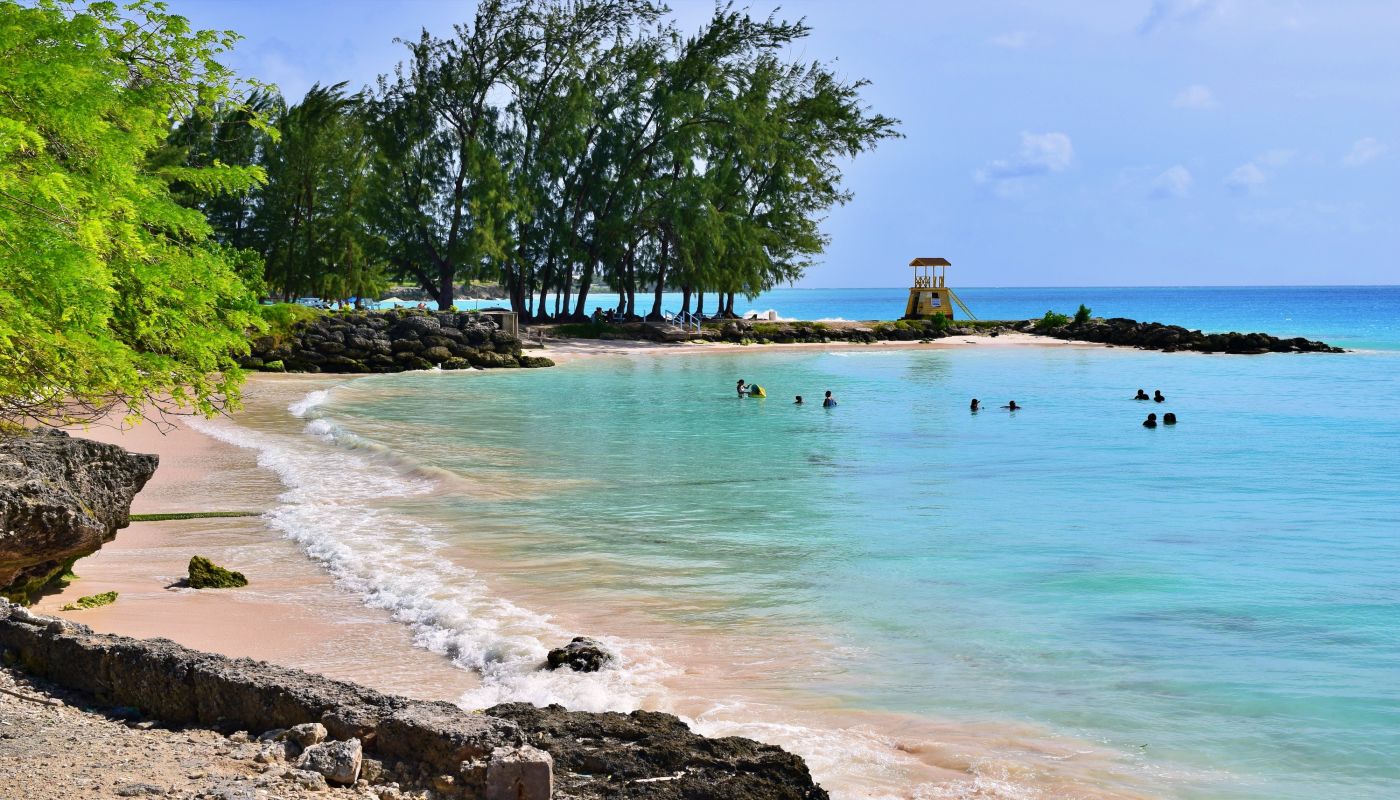
Landscape of Barbados
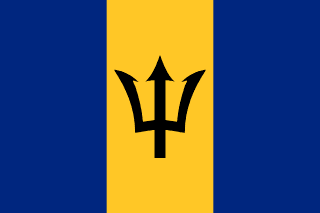
Flag of Barbados

Barbados

North America

Barbados has the highest population density in the eastern Caribbean.1 Barbados is considered the wealthiest, as well as one of the most developed, islands in the eastern Caribbean region with one of the highest per capita incomes.2 Barbados’ economy has traditionally relied upon sugar-related products.3 However, the economy has been expanding and industries like tourism now account for a large portion of the economy, as well as international banking and business.4 Barbados is a parliamentary democracy as a commonwealth of the United Kingdom and is politically stable.1 The nation is led by a prime minister, and the British monarch is represented by an appointed governor.5 1 https://www.cia.gov/library/publications/the-world-factbook/geos/bb.html 2–5 Ibid

What would you like to learn about in Barbados?

Select a section to explore the country where nonprofits are creating positive change.

About Barbados

The island was uninhabited when first settled by the British in 1627. African slaves worked the sugar plantations established on the island until 1834 when slavery was abolished. The economy remained heavily dependent on sugar, rum, and molasses production through most of the 20th century. The gradual introduction of social and political reforms in the 1940s and 1950s led to complete independence from the UK in 1966. In the 1990s, tourism and manufacturing surpassed the sugar industry in economic importance.

Quick Facts

Population
288,725 (July 2013 est.)
Area
430 sq km
ISO Code
BB
Continent
North America
Government
parliamentary democracy and a Commonwealth realm
Active Causes
12
View all countries in North America

Geography & Environment

Climate

tropical; rainy season (June to October)

Terrain

relatively flat; rises gently to central highland region

Natural Resources

petroleum, fish, natural gas

Environmental Issues

pollution of coastal waters from waste disposal by ships; soil erosion; illegal solid waste disposal threatens contamination of aquifers

People & Society

74.75 years
Avg. Life Expectancy
99.7%
Literacy Rate
44% of total population (2010)
Total Urban Population

Languages

English

Religions

Protestant 63.4% (Anglican 28.3%, Pentecostal 18.7%, Methodist 5.1%, other 11.3%), Roman Catholic 4.2%, other Christian 7%, other 4.8%, none or unspec...

Health Expenditure

8% of GDP (2010) of GDP

Education Expenditure

7.5% of GDP (2010) of GDP

Economy

$25,800
GDP per Capita (PPP)
11.6%
Unemployment Rate
NA%
Below Poverty Line

Economic Overview

Barbados is the wealthiest and most developed country in the Eastern Caribbean and enjoys one of the highest per capita incomes in Latin America. Historically, the Barbadian economy was dependent on sugarcane cultivation and related activities. However, in recent years the economy has diversified into light industry and tourism with about four-fifths of GDP and of exports being attributed to services. Offshore finance and information services are important foreign exchange earners and thrive from having the same time zone as eastern US financial centers and a relatively highly educated workfor...

Causes in Barbados

Environment

Barbados is a Caribbean island in the Northern Atlantic Ocean with a tropical climate and a rainy season that extends from June through October. Hurricanes can be a natural threat, though they are infrequent. Environmental issues facing the nation are polluted coastlines — from ship wastewater disposal — as well as soil erosion and illegal solid waste disposal.1 As Barbados is classified as a water scarce nation, the World Health Organization (WHO) and the UNDP recently launched a joint initiative to prevent Barbados from experiencing the adverse effects of water scarcity. The project is reforming the nation’s wastewater treatment process to ensure safe reentry into the nation’s aquifers for use in irrigation, as well as improve water storage infrastructure to prevent contamination and the spread of disease.2 Barbados is party to international agreements on biodiversity, climate change, desertification, endangered species, hazardous wastes, law of the sea, marine dumping, ozone layer protection, ship pollution and wetlands.3

Family

Domestic abuse was identified as a concern in Barbados by the UN High Commissioner for Human Rights. A 2010 survey indicates that nearly 10 percent of the population has experienced physical abuse at the hand of a household member.1 The UN urged Barbados to adopt more aggressive legislation to combat the high levels of domestic abuse and violence against women in the country.3 Barbados has fairly low infant and maternal mortality rates.4

Human Rights

Barbados is both a destination and origin country for human trafficking, including child prostitution.1 Immigrants from Jamaica, the Dominican Republic and Guyana are the most vulnerable populations for trafficking in Barbados.2 The government has not yet ratified or complied with all recommended international anti-trafficking legislation and guidelines.3 In 2018, Interpol conducted a crackdown in several Caribbean nations, rescuing approximately 350 victims and arresting 22 potential perpetrators.4 Other human rights concerns include unwarranted behavior in the police force, and discrimination against members of the LGBT community.5

Education

The primary school enrollment rate in Barbados is 90.8 percent,1 and the amount of time students typically remain in school is 15 years.2 There are four levels in the education system: pre-primary, primary, secondary and post-secondary. Education is free and compulsory for children ages 5–16.2 Education accounts for 5.1 percent of the GDP, putting Barbados in the 70th percentile internationally for education expenditures.3

Poverty

There is no official data about the percentage of the population below the poverty line.1 3.5 percent of children under the age of five are underweight, and 10.5 percent of the population is unemployed.2 The youth unemployment rate is 29.6 percent, putting Barbados at a rank of 31st in the world for highest youth unemployment.3

Religion

The nation of Barbados is overwhelmingly Christian, with over 66 percent of the population belonging to the Protestant church.1 Anglicanism is the leading Christian denomination, accounting for 23.9 percent of the Christian population; other smaller Christian groups include Pentecostalists, Seventh Day Adventists and Methodists.2 There are small numbers of Roman Catholics, Jehovah’s Witnesses and Rastafarians also on the island.3

Clean Water

Virtually the entire nation of Barbados has access to clean water, with just 0.3 percent lacking access to improved water supply, and 3.8 percent without proper sanitation facilities.1 However, Barbados has been classified as a water scarce country. The rising sea levels result in saline intrusion, reducing the fresh water supply.2 The WHO and the UNDP recently launched a joint initiative to prevent Barbados from experiencing the adverse effects of water scarcity. The project is reforming the nation’s wastewater treatment process to ensure safe reentry into the nation’s aquifers for use in irrigation, as well as improve water storage infrastructure to prevent contamination and the spread of disease.3

Economy

Barbados is considered the wealthiest, as well as one of the most developed, islands in the eastern Caribbean region with one of the highest per capita incomes.1 Barbados’ economy has traditionally relied upon sugar-related products.2 However, the economy has been expanding and industries like tourism and now account for a large portion of the economy, as well as international banking and business.3 High oil prices and a high debt to GDP ratio create issues for the nation.4 The unemployment rate is 10.5 percent, and the majority of the population is employed in the service industry. Data on the percentage of the population below the poverty line is unavailable.5

Government

Barbados is a parliamentary democracy as a commonwealth of the United Kingdom and is politically stable.1 The nation is led by a prime minister, and the British monarch is represented by an appointed governor. Corruption and nepotism within the government framework are rare since there are strict criminal penalties against corruption.2 Transparency International reports that Barbados has a score of 68 for government transparency and public perceptions of corruption — a fairly healthy score — putting Barbados 25th in the world for its transparency.3

Health

The leading causes of death in Barbados are cardiovascular disease and diabetes,1 and the life expectancy is just over 75 years at birth.2/sup> Health expenditures account for 7.5 percent of the GDP.3 1.6 percent of adults are HIV/AIDS positive, putting Barbados at 36th in the world for HIV/AIDS prevalence.4 The nation is prone to dengue fever, and other mosquito-borne illnesses.5 As a result, the WHO and UNDP are spearheading initiatives to improve water storage infrastructure to reduce potential breeding grounds for these mosquito-borne viruses.6

Children

In 2013, the Barbadian government developed a National Action Plan for Addressing Child Sexual Abuse in order to confront the issue presented by data from a UNICEF study. The plan presents a formal response to child abuse, establishing the need for public advocacy, judicial action and legislation that provides penalties for offenders.1 In regards to health, just 3.5 percent of children under the age of 5 are underweight, and the infant mortality rate is relatively low.2 Children are typically in school for a span of 15 years.3

Animals

Barbados is home to the Barbados green monkey, the Barbados black belly sheep, mongoose, whistling frog and the leatherback and hawksbill sea turtles, as well as lizards, bats and sea turtles.1 The Prevention of Cruelty to Animals act was passed in 2000 and mandates the type of care and treatment to be given to animals, providing penalty for failing to meet the standards.2

Nonprofits Working in Barbados

Discover organizations making a difference in Barbados

Make Your Impact Today

Discover causes you care about and support the nonprofits making a difference in communities around the world.

Are you a nonprofit? Join Project World Impact for free

Join Us Free