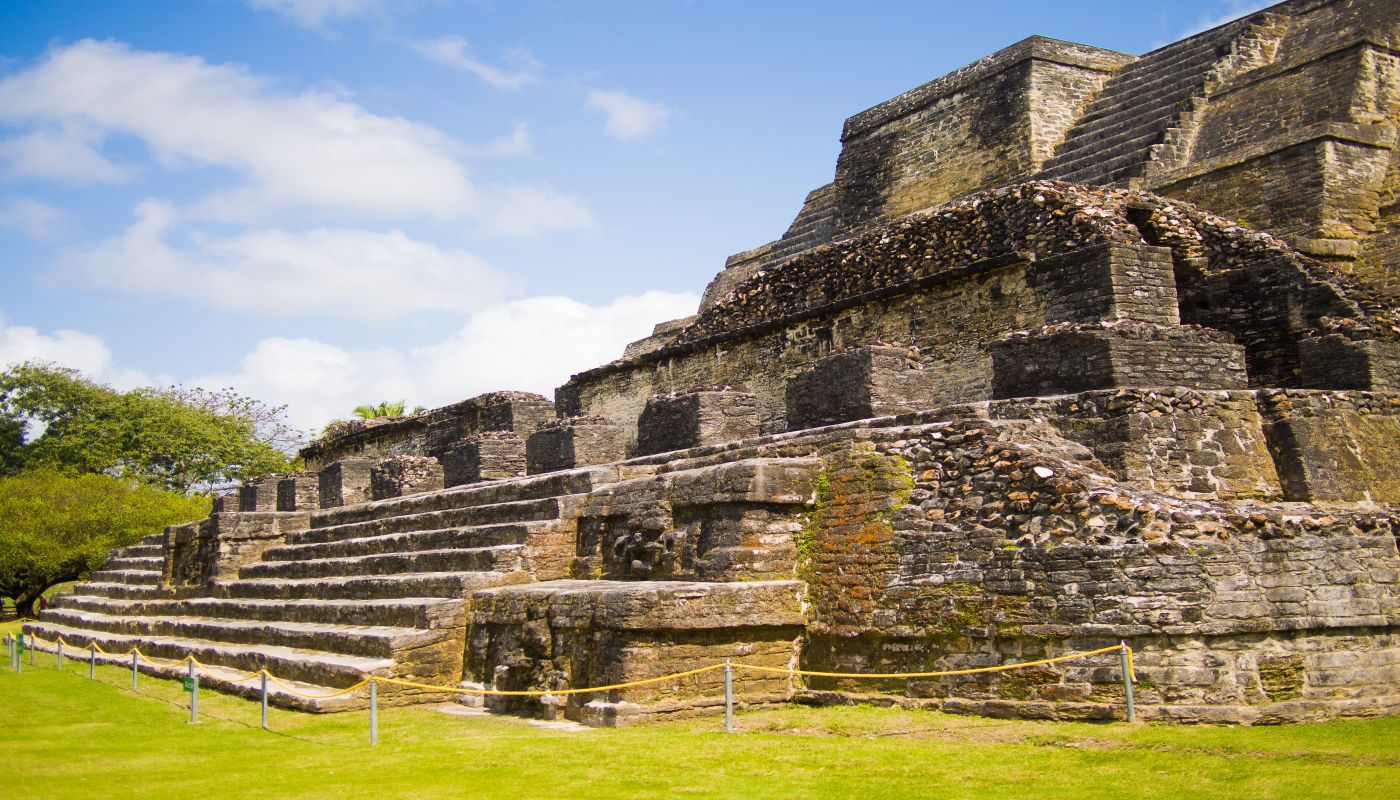
Landscape of Belize
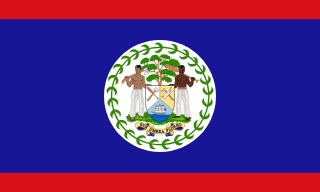
Flag of Belize

Belize

North America

Like many other nations in the Central American region, Belize is a parliamentary democracy, and is part of the British commonwealth.1 The government is currently facing several pervasive problems such as high foreign debt, unemployment and entanglement in the South American drug trade industry. Additional issues include rising crime rates and one of the leading rates of HIV/AIDS in South America.2 41 percent of the population is below the poverty line, and 10.1 percent of the population is unemployed.3 One of the nation’s leading industries is tourism,4 and the Belize Barrier Reef is a UNESCO World Heritage Site, home to a wide array of plant, animal and coral species.5 1 https://www.cia.gov/library/publications/the-world-factbook/geos/bh.html 2–4 Ibid 5 https://whc.unesco.org/en/list/764

What would you like to learn about in Belize?

Select a section to explore the country where nonprofits are creating positive change.

About Belize

Belize was the site of several Mayan city states until their decline at the end of the first millennium A.D. The British and Spanish disputed the region in the 17th and 18th centuries; it formally became the colony of British Honduras in 1854. Territorial disputes between the UK and Guatemala delayed the independence of Belize until 1981. Guatemala refused to recognize the new nation until 1992 and the two countries are involved in an ongoing border dispute. Guatemala and Belize plan to hold a simultaneous referendum, set for 6 October 2013, to determine if this dispute will go before the International Court of Justice at The Hague. Tourism has become the mainstay of the economy. Current concerns include the country's heavy foreign debt burden, high unemployment, growing involvement in the Mexican and South American drug trade, high crime rates, and one of the highest HIV/AIDS prevalence rates in Central America.

Quick Facts

Population
334,297 (July 2013 est.)
Area
22,966 sq km
ISO Code
BZ
Continent
North America
Government
parliamentary democracy and a Commonwealth realm
Active Causes
12
View all countries in North America

Geography & Environment

Climate

tropical; very hot and humid; rainy season (May to November); dry season (February to May)

Terrain

flat, swampy coastal plain; low mountains in south

Natural Resources

arable land potential, timber, fish, hydropower

Environmental Issues

deforestation; water pollution from sewage, industrial effluents, agricultural runoff; solid and sewage waste disposal

People & Society

68.4 years
Avg. Life Expectancy
76.9%
Literacy Rate
52% of total population (2010)
Total Urban Population

Languages

Spanish 46%, Creole 32.9%, Mayan dialects 8.9%, English 3.9% (official), Garifuna 3.4% (Carib), German 3.3%, other 1.4%, unknown 0.2% (2000 census)

Religions

Roman Catholic 39.3%, Pentacostal 8.3%, Seventh Day Adventist 5.3%, Anglican 4.5%, Mennonite 3.7%, Baptist 3.5%, Methodist 2.8%, Nazarene 2.8%, Jehova...

Health Expenditure

5.2% of GDP (2010) of GDP

Education Expenditure

6.6% of GDP (2010) of GDP

Economy

$8,900
GDP per Capita (PPP)
11.3%
Unemployment Rate
41.3% (2010 est.)
Below Poverty Line

Economic Overview

Tourism is the number one foreign exchange earner in this small economy, followed by exports of marine products, citrus, cane sugar, bananas, and garments. The government's expansionary monetary and fiscal policies, initiated in September 1998, led to GDP growth averaging nearly 4% in 1999-2007. Oil discoveries in 2006 bolstered this growth. Exploration efforts have continued and production has increased a small amount. Growth slipped to 0% in 2009, and has remained at just over 2% per year during 2010-2012, as a result of the global slowdown, natural disasters, and a temporary drop in the pri...

Causes in Belize

Human Rights

Human trafficking and child labor are two human rights concerns in Belize.1 Some 1,400 children are in the Belizean workforce, primarily in the agriculture and trade industries.2 Belizean law provides for the freedom of the press, and does not restrict or censor content published by the media.3 Additionally, the governmental elections in Belize are perceived to be both free and fair.4 Prior to 2016, national authorities could legally punish citizens for same sex acts, and commit other abuses related to sexual orientation.5 Such laws were formerly shared across much of the British Commonwealth, established in the colonial era, and have only recently begun to lift in nations like Belize, Trinidad and Tobago. Additionally, there are allegations against undue violence toward the LGBT community committed by security forces and authorities.6

Education

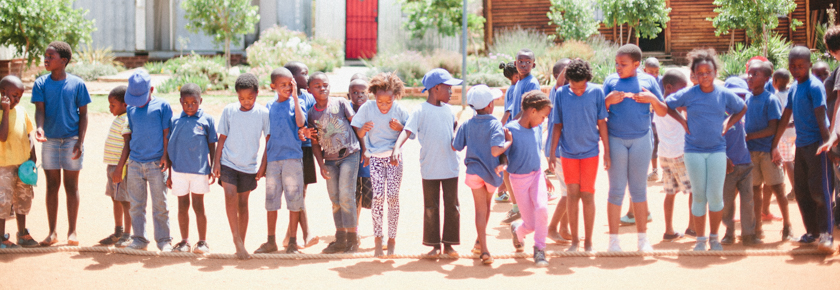
94.5 percent of school-aged children are attending school, and virtually all attendees complete primary school.1 However, only 45 percent of children attend secondary school. While school in Belize is free, there are still fees, transportation and uniforms that must be paid for by the parents of the child.2 To alleviate some of the financial burden, the Ministry of Education in Belize began distributing funds to its schools based upon each institution’s student population.3 UNICEF has sponsored a series of reform assistance programs, financially and technically backing 24 schools, particularly in rural areas. UNICEF also assisted with the efforts to provide a multilingual educational approach to indigenous children, in order to better prepare students for the multilingual environment in Belize.4

Poverty

Overall, children are particularly vulnerable to the negative effects of poverty in Belize, as 49 percent of all Belizean children fall below the poverty line.1 41 percent of the entire Belizean population is under the poverty line, and the unemployment rate is 10.1 percent.2 Additionally, nearly 10 percent of Belize lacks access to proper sanitation facilities.3

Clean Water

In 2011, UNICEF examined a number of schools’ water sources and determined that 27 percent of them had contaminated water,1 though only 0.5 percent of the population lacks access to water from an improved source. Additionally, 9.5 percent of the population lacks access to proper sanitation facilities.2 Tropical storms and flooding during the rainy season can cause toilet and sanitation systems to overflow into the drinking water supply, spreading E-coli and other water-related diseases. 62 percent of the population lives in areas that flood regularly.3 There is a high risk of contracting bacterial diarrhea, hepatitis A and typhoid.4

Economy

Belize’s economy is based primarily on tourism and the exportation of sugar, fruits, marine products and garments.1 The GDP per capita is $8,300, and bananas, cacao, sugar and citrus are some of the nation’s primary products.2 Economic growth and reform has been inconsistent and unevenly distributed, and political corruption is common.3 The bureaucracy is known to frequently slow trade and business processes; the Belizean economy scores below the international average in economic freedom.4 41 percent of the population is below the poverty line, and 10.1 percent of the population is unemployed.5 The nation’s primary economic concern is a sizable foreign debt.6

Government

Like many other nations in the Central American region, Belize is a parliamentary democracy and is part of the British commonwealth.1 The government is currently facing several pervasive problems such as high foreign debt, unemployment and entanglement in the South American drug trade industry. Additional issues include rising crime rates and one of the leading rates of HIV/AIDS in South America.2 Government corruption is both a national and international concern.3 Many citizens and business owners will succumb to paying fines, or bribery, to get through bureaucratic red tape.4 The judicial system is not independent, and political manipulation is prevalent.5

Health

Belize is struggling to meet a Millennium Development Goal to reduce infant and maternal mortality.1 At the current rate, the country will most likely meet the goal in 2017.2 One of the largest challenges for Belize is HIV/AIDS.3 The current leading causes of death among Belizean adults continue to be HIV/AIDs, homicide, and road traffic accidents.4 Among the elderly, diabetes and heart disease are the most common causes of death.5 The government and ministry of health recently introduced a national vaccination program that was instrumental in reducing the number of child deaths. 6

Children

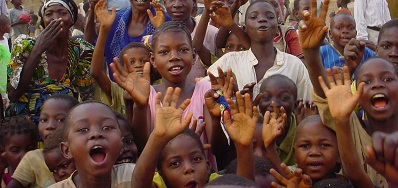
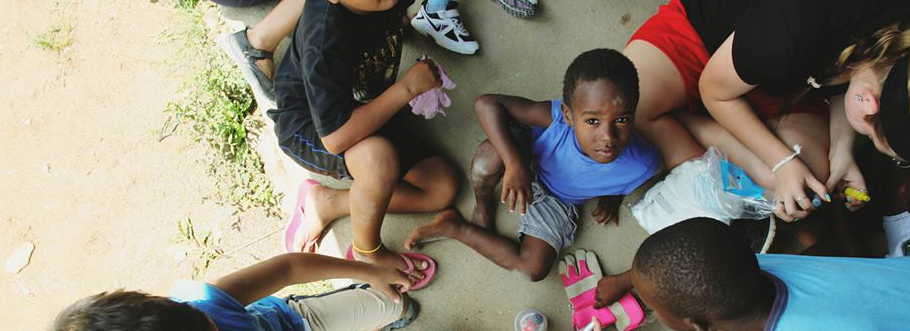
33.95 percent of the population is between the ages of 0 and 14.1 Belize has a relatively high birth rate, 24 births per 1000 of the population.2 Over 1,400 children in Belize are in the workforce. Some work in labor-intensive crop production with products like sugarcane, while others are forced into the sex trafficking industry.3 94.5 percent of children ages 5–14 attend school.4 49 percent of all children in Belize live below the poverty line.5 15 percent of the Belizean children are stunted, either from lack of nutrition or by other means.6

Environment

The leading environmental issues in Belize include deforestation and water pollution — particularly in the Belize Barrier Reef System — that stems from both human and industrial waste. Water pollution is also an issue due to the lack of modern and properly structured sanitation and waste removal systems.1 During the rainy season, many sewage systems overflow, causing health, as well as environmental, concerns.2 The nation has significant arable land potential, as well as timber, fish and hydropower.3 The Belize Barrier Reef was named a UNESCO World Heritage Site in 1996, and houses a wide array of coral, plant and animal species. Over-harvesting and onshore development are two threats to the reef system.4

Family

Belize has a low maternal mortality rate, however, it has a somewhat high infant mortality rate at 18.9 per 1,000 live births.1 Most marriages occur within a religious context, and common-law marriages are infrequent. However, the birth of children is not restricted to marital contexts, and it is typical for one or two children to be born before a nuclear family is formed.2 In rural areas, the responsibility of raising children can often fall to the extended family as well as the nuclear unit.3 26 percent of young married women report being married before age 18, meaning that over a quarter of women studied were part of child marriages.4

Religion

The majority of Belize is Christian, 40.1 percent are Catholic, 31.5 percent are Protestant, 1.7 percent identifies as Jehovah’s Witness, 10.5 percent is other — Baha’i, Buddhist, Hindu, Mormon, Muslim, Rastafarian, Salvation Army — 0.6 percent is unspecified, and 15.5 percent identify with none.1 Belize has laws in place to protect the freedom of religion, and generally upholds that freedom.2 Foreign religious missionary workers are allowed to enter the country, however, they must have a permit to enter.3

Animals

Belize has a wide variety of wildlife, including jaguars, harpy eagles, tapirs, toucans, howler monkeys, Blue Morpho butterflies, frigatebirds, iguanas, crocodiles and macaws.1 The ara macao cyanoptera macaw species is at risk of becoming endangered, as it is only present in small groups in Central and South America.2 Visitors to Belize have a number of opportunities to encounter the nation’s wildlife through tourist excursions and a number of nature preserves.3 The Belize Barrier Reef System houses an array of marine life and is a UNESCO World Heritage Site.4

Nonprofits Working in Belize

Discover organizations making a difference in Belize

Make Your Impact Today

Discover causes you care about and support the nonprofits making a difference in communities around the world.

Are you a nonprofit? Join Project World Impact for free

Join Us Free