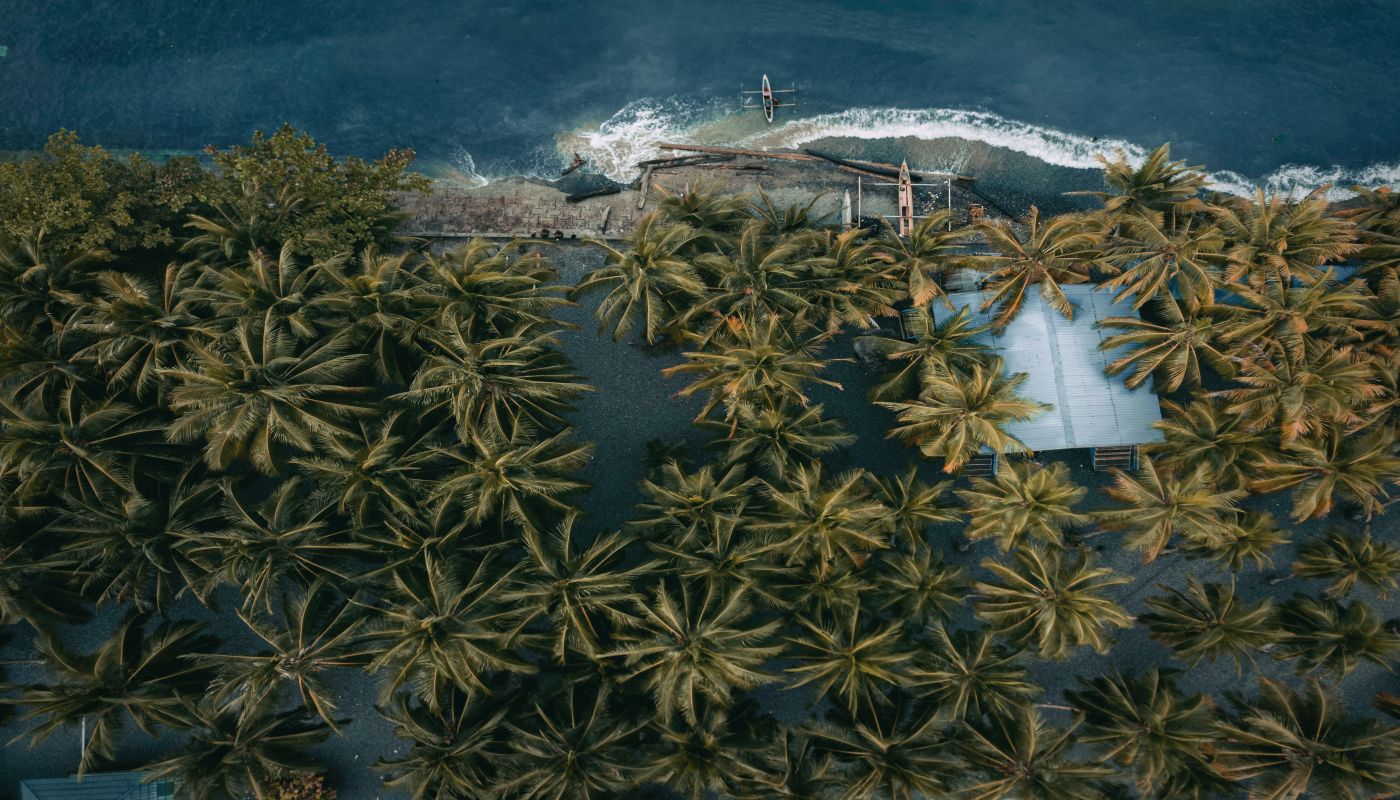
Landscape of Papua New Guinea
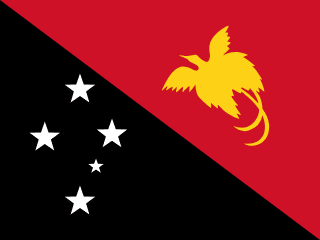
Flag of Papua New Guinea

Papua New Guinea

Australia/Oceania

The island of Papua New Guinea is located just off the northern coast of Australia. Sections of the island have, at different times, been under the control of Germany, the United Kingdom, and Australia. Independence was finally gained in 1975. The Papua New Guinea government is weak and relatively ineffective in the protection of human rights and civil liberties.1 1 https://www.cia.gov/library/publications/resources/the-world-factbook/geos/pp.html

What would you like to learn about in Papua New Guinea?

Select a section to explore the country where nonprofits are creating positive change.

About Papua New Guinea

The eastern half of the island of New Guinea - second largest in the world - was divided between Germany (north) and the UK (south) in 1885. The latter area was transferred to Australia in 1902, which occupied the northern portion during World War I and continued to administer the combined areas until independence in 1975. A nine-year secessionist revolt on the island of Bougainville ended in 1997 after claiming some 20,000 lives.

Quick Facts

Population
6,431,902 (July 2013 est.)
Area
462,840 sq km
ISO Code
PG
Continent
Australia/Oceania
Government
constitutional parliamentary democracy and a Commonwealth realm
Active Causes
12
View all countries in Australia/Oceania

Geography & Environment

Climate

tropical; northwest monsoon (December to March), southeast monsoon (May to October); slight seasonal temperature variation

Terrain

mostly mountains with coastal lowlands and rolling foothills

Natural Resources

gold, copper, silver, natural gas, timber, oil, fisheries

Environmental Issues

rain forest subject to deforestation as a result of growing commercial demand for tropical timber; pollution from mining projects; severe drought

People & Society

66.66 years
Avg. Life Expectancy
62.4%
Literacy Rate
13% of total population (2010)
Total Urban Population

Languages

Tok Pisin (official), English (official), Hiri Motu (official), some 836 indigenous languages spoken (about 12% of the world's total); most languages...

Religions

Roman Catholic 27%, Protestant 69.4% (Evangelical Lutheran 19.5%, United Church 11.5%, Seventh-Day Adventist 10%, Pentecostal 8.6%, Evangelical Allian...

Health Expenditure

3.6% of GDP (2010) of GDP

Education Expenditure

NA of GDP

Economy

$2,800
GDP per Capita (PPP)
1.9%
Unemployment Rate
37% (2002 est.)
Below Poverty Line

Economic Overview

Papua New Guinea (PNG) is richly endowed with natural resources, but exploitation has been hampered by rugged terrain, land tenure issues, and the high cost of developing infrastructure. The economy has a small formal sector, focused mainly on the export of those natural resources, and an informal sector, employing the majority of the population. Agriculture provides a subsistence livelihood for 85% of the people. Mineral deposits, including copper, gold, and oil, account for nearly two-thirds of export earnings. Natural gas reserves amount to an estimated 155 billion cubic meters. A consortiu...

Causes in Papua New Guinea

Environment

According to studies by the Asian Development Bank, the economy of Papua New Guinea will have significant losses in their economy from climate change in the Pacific region. The dependence of the region on rainwater for both human and agricultural consumption is creating problems for the sustainability of the economy. Scientists have suggested using genetically modified plants that might be less likely to be affected by warmer weather and less water.1 The Australian Department of Foreign Affairs and Trade has helped to develop a climate change prevention program with the government of Papua New Guinea.2

Family

Papua New Guinea is one of the most violent countries in the South Pacific region. Domestic violence, torture, sexual violence, and death are daily threats for women and young girls living in the island nation. There are laws in place that criminalize sexual and domestic violence but domestic abuse is an accepted way of life; physical beatings by husbands are considered a legitimate way for a husband to assert his authority over his wife.1 A man can have many wives, who are each expected to work for the husband and the general income of the family. Approximately 70% of women in Papua New Guinea will be raped or physically abused during their lifetime. In some parts of the country, 100% of women report domestic abuse in their household. Child abuse is also a major concern, and 75% of Papua New Guinea’s children experience physical abuse in the home.2-3

Human Rights

Despite positive economic growth, average citizens in Papua New Guinea remain very poor and do not benefit from the wealth that the country gains. Security personnel have been found to be guilty of human rights abuses such as gang rapes and inhumane working conditions. The police force used violence to stop peaceful protesters at University of Papua New Guinea, injuring 38 participants. Domestic abuse is a rampant problem in the country as well. The government took little to no action against perpetrators of domestic violence, and did nothing to protect women who were attacked by the community for acts of “sorcery.”1

Education

Papua New Guinea faces numerous challenges in the nationwide provision of basic education. Currently, citizens have poor accessibility to schools, a low student retention and graduation rate, and low standards of education and training of teachers. Only one in three children finish their schooling. There are little to no resources for teaching of children with disabilities, and few schools have running water during the dry season.1 The government has partnered with Australia to prioritize education reforms and fully address the issues. The adult literacy rate in Papua New Guinea is 63% and the primary school enrollment rate is 86%.2-3

Poverty

Papua New Guinea’s poverty level rises each year. 40% of the country’s population is living in poverty. 1 Farmers, fishermen, and hunters are the most poor and vulnerable portions of the country’s population. Urban poverty is increasing as well with the development of a working poor sector that have jobs but are unable to support themselves based on their low income. 85% of the population works in agriculture.2

Religion

The religious demography of Papua New Guinea is 27% Roman Catholic, 69% Protestant, and 3.3% that follow traditional indigenous beliefs.1 There is no official state religion in the country and reports of religious discrimination are rare. The country’s constitution provides for religious freedom and generally enforces protection of religious groups.2

Clean Water

Around 85% of the 8 million people living in Papua New Guinea reside in extreme rural areas where public services are not easily accessible. As of 2015, 4.5 million people did not have access to potable water. 6.5 million people are not able to access proper sanitation services, which increases the spread of communicable diseases. Diarrhea caused by contaminated water kills more than 1,000 children annually. With so much of the population living in rural and hard-to-reach areas, proper hygiene education and sanitation services are very difficult to administer and control.1

Economy

Papua New Guinea is widely known as one of the most culturally diverse and resource-rich countries in the world. The country’s primary economic issues have been the ineffective extraction of resources due to difficult terrain and weak infrastructure, along with difficulties regaining international investor confidence. The economy has struggled recently due to over-regulation of private-sector development, but has benefitted from creating an online business registration system in 2016.1 The unemployment rate in Papua New Guinea is 2.5%.2

Government

The Independent State of Papua New Guinea is a parliamentary democracy under a constitutional monarchy, along with being a Commonwealth realm.1 The legal system in Papua New Guinea is inadequate and rule of law is hampered by rampant corruption, though recent years have seen a decrease in corruption. Over-regulation hinders the economy, and prevents entrepreneurs from reaching their economic potential.2 Transparency International ranks Papua New Guinea’s government 136th out of 176 countries on the Corruptions Index, and gives the country a score of 28 out of 100 for the public’s perception of the level of corruption.3

Health

Little to no progress in the realm of healthcare has been achieved over the past two decades in Papua New Guinea. The leading causes of illness and death are communicable diseases, malaria, tuberculosis, diarrheal diseases, and respiratory problems. However, available care and treatments for citizens infected with HIV have improved. The overall rate of infant mortality has also declined, though it still remains higher than those of neighboring countries in the Asia Pacific area. Papua New Guinea relies heavily on foreign development aid and assistance to fund nationwide programs that would alleviate the effects of tuberculosis and malaria.1 The average life expectancy in Papua New Guinea is 65 years old.2

Children

In Papua New Guinea, there is no actual codified Children’s Rights Act stated in their laws or constitution. Instead, the island nation operates with provisions for children within various legal acts. There are provisions allotted for criminal offenses by juveniles, child welfare, and provisions considering adoption of children.1 Currently, Papua New Guinea is experiencing an epidemic of domestic and sexual violence against women and children. Around half of all rape and sexual violence victims that receive medical attention are under the age of 16. 2 Additionally, 75% of the country’s children experience physical abuse at home.3 The government agency generally responsible for youth is called the National Youth Commission and its three main focuses are mobilization, participation, and productiveness of children. In 2013 Papua New Guinea spent $1.7 million USD on youth programs.4

Animals

Papua New Guinea is in a tropical climate zone near the equator. The ecosystem consists mainly of tropical rainforests, with a wide variety of resident species. Papua New Guinea is home to the world’s largest butterfly and many endemic species of birds and mammals. These species are endangered by the clear-cutting of forests to make room for farming of copra, oil palm, and timber. Some islands are close to having no natural forest at all.1

Nonprofits Working in Papua New Guinea

Discover organizations making a difference in Papua New Guinea

Make Your Impact Today

Discover causes you care about and support the nonprofits making a difference in communities around the world.

Are you a nonprofit? Join Project World Impact for free

Join Us Free