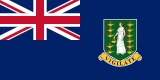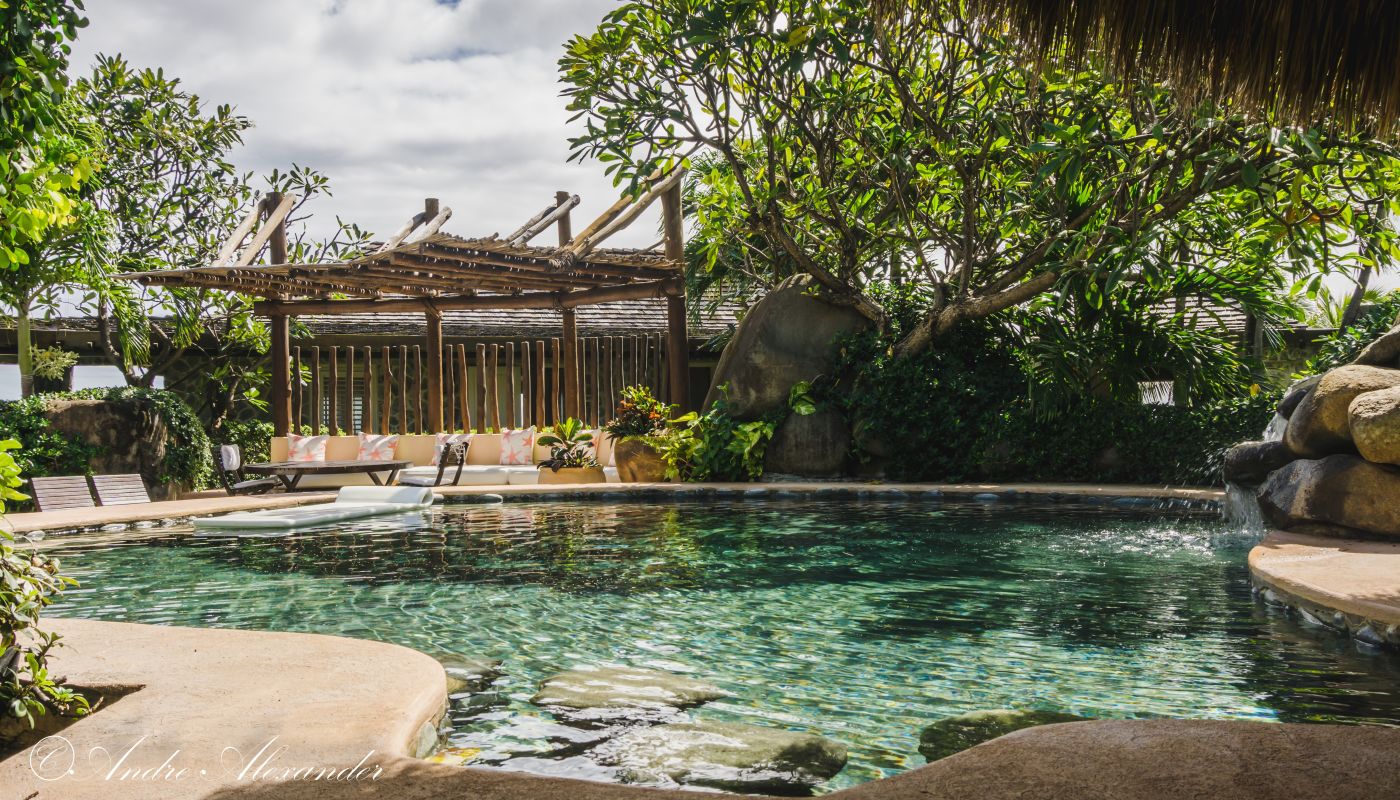
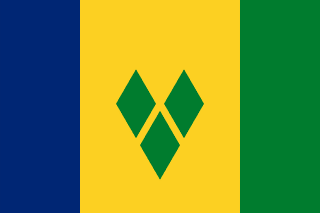
Landscape of Saint Vincent and the Grenadines
Flag of Saint Vincent and the Grenadines

Saint Vincent and the Grenadines

North America

Located in the Caribbean Ocean, St. Vincent and the Grenadines has a population of about 110,000, and English is the official language. The country has worked successfully to decrease the food shortages in the country, and now the most prevalent social issue is domestic violence and discrimination against women. Additionally, the country struggles with a 33.8% youth (ages 15-24) unemployment rate.1 1 https://www.cia.gov/library/publications/the-world-factbook/geos/vc.html

What would you like to learn about in Saint Vincent and the Grenadines?

Select a section to explore the country where nonprofits are creating positive change.

About Saint Vincent and the Grenadines

Resistance by native Caribs prevented colonization on Saint Vincent until 1719. Disputed between France and the United Kingdom for most of the 18th century, the island was ceded to the latter in 1783. Between 1960 and 1962, Saint Vincent and the Grenadines was a separate administrative unit of the Federation of the West Indies. Autonomy was granted in 1969 and independence in 1979.

Quick Facts

Population
103,220 (July 2013 est.)
Area
389 sq km (Saint Vincent 344 sq km)
ISO Code
VC
Continent
North America
Government
parliamentary democracy and a Commonwealth realm
Active Causes
12
View all countries in North America

Geography & Environment

Climate

tropical; little seasonal temperature variation; rainy season (May to November)

Terrain

volcanic, mountainous

Natural Resources

hydropower, cropland

Environmental Issues

pollution of coastal waters and shorelines from discharges by pleasure yachts and other effluents; in some areas, pollution is severe enough to make swimming prohibitive

People & Society

74.62 years
Avg. Life Expectancy
96%
Literacy Rate
49% of total population (2010)
Total Urban Population

Languages

English, French patois

Religions

Protestant 75% (Anglican 47%, Methodist 28%), Roman Catholic 13%, other (includes Hindu, Seventh-Day Adventist, other Protestant) 12%

Health Expenditure

4.5% of GDP (2010) of GDP

Education Expenditure

5.1% of GDP (2010) of GDP

Economy

$12,000
GDP per Capita (PPP)
15%
Unemployment Rate
NA%
Below Poverty Line

Economic Overview

Success of the economy hinges upon seasonal variations in agriculture, tourism, and construction activity as well as remittance inflows. Much of the workforce is employed in banana production and tourism, but persistent high unemployment has prompted many to leave the islands. This lower-middle-income country is vulnerable to natural disasters - tropical storms wiped out substantial portions of crops in 1994, 1995, and 2002. In 2008, the islands had more than 200,000 tourist arrivals, mostly to the Grenadines, a drop of nearly 20% from 2007. Saint Vincent is home to a small offshore banking se...

Causes in Saint Vincent and the Grenadines

Environment

St. Vincent is very vulnerable to natural disasters such as hurricanes, flooding, and severe weather. The United States Agency for International Development works within the country to help provide technical assistance to villages affected by natural disasters.1 The Soufriere volcano on St. Vincent is active and a constant source of potential disaster.2

Family

Domestic violence in St. Vincent and the Grenadines is a major problem and is present at all socioeconomic levels. Since 2012, there have been high rates of sexual violence reported and high rates of domestic violence cases brought to the attention of authorities. The government has taken significant steps to decrease the amount of domestic abuse, but still has gaps in its National Action Plan. In response to the growing number of domestic violence victims, the police forces on the islands have created a special unit of police officers who are responsible for responding to and handling domestic violence cases. The government has also increased support for victims of domestic violence.1

Human Rights

The most serious human rights abuses recently committed in St. Vincent and the Grenadines were police use of excessive force and gender based violence. In cases of police abuse, it is difficult to get a case to be taken seriously by the law.1 Violence against women has increased over the past two years and the government has identified it as one of the country’s most serious and institutionalized abuses. Additionally, the domestic violence legislation is outdated and in serious need of reform. Domestic abuse is still not specifically illegal. Additionally, in family court social services are emphasized instead of punishment for perpetrators. Child labor and child trafficking have also been identified as human rights concerns on the islands.2

Education

The primary school enrollment rate in St. Vincent is at 98%1 and the adult literacy rate is at 96%.2 Not all of the teachers in the education system are trained — 15% have no training to be a teacher. 3

Poverty

Approximately 30% of the country’s population lives below the national poverty line.1 The increase in the number of poverty stricken citizens has also increased the number of citizens migrating to urban areas to escape pervasive rural poverty. Currently, 50% of the population now lives in urban regions. Unemployment hovers at 20% of the population and the high government debt prevents effective job creation.2-3 In 2017, the country launched the Parliamentary Front Against Hunger and Undernourishment, with the goal of continuing to decrease the levels of national hunger. 4

Religion

St. Vincent and the Grenadines is a predominantly Christian nation with a population that is 75% Protestant and 13% Roman Catholic.1 Other religious groups present in the country include Bahais, Jehovah’s Witnesses, and Rastafarians. The country’s constitution and other laws protect the right of religious freedom and this is generally well respected by both the government and society. Reports of religious discrimination and conflict are largely nonexistent.2

Clean Water

Approximately 95% of the population of St.Vincent and the Grenadines has access to clean drinking water, and 76% have access to improved sanitation infrastructure. The tropical climate contributes to the high percentage of people with access to water. Due to their location near the equator there is little to no seasonal change, which creates a steady supply of water from rainfall. 1

Economy

The economy in St. Vincent and the Grenadines is underdeveloped, and has a small economic base that has become vulnerable to external economic shocks. The islands’ major export crop is bananas, but many smaller companies are being forced out of the industry due to their inability to produce at the same rate as the larger farms. The government has begun to diversify the economy, and is expanding the tourism sector and the islands’ offshore finance sector. St. Vincent and the Grenadines has done remarkably well with maintaining rule of law in the economy, which has created macroeconomic stability. Additionally, corruption is rare and any allegations of corruption have been swiftly dealt with.1 However, the country’s unemployment rate is 19%.2 Approximately 30% of the islands’ population lives below the national poverty line.3

Government

St. Vincent and the Grenadines is a parliamentary democracy under a constitutional monarchy, and is a Commonwealth realm. The islands gained autonomy in 1969 and were awarded independence in 1979.1 The governing system in St. Vincent and the Grenadines is generally stable and follows the democratic process. Rule of law within the government is respected and corruption is not thought to be a pervasive problem. However, drug trafficking and money laundering remain major challenges.2 St. Vincent and the Grenadines is part of a major drug corridor for the transit of cocaine from South America and into Europe and North America. The drug trafficking is made possible due to lack of border control and weak legislation. The government has been successful in eradicating a third of the marijuana production in the country.3

Health

The Ministry of Health, Wellness, and Environment in St. Vincent and the Grenadines has devised a National HIV/STI/TB policy for the time period between 2014 and 2025. The policy’s goal is to develop and implement an overarching legislative framework that will help the government’s responses to the diseases and achieve a higher level of human and social development. The country’s new programs have already resulted in a 18.7% drop in AIDS-related deaths since 2005.1,2 St. Vincent and the Grenadines has achieved a high level of vaccination and immunization rates in recent years.3 The average life expectancy is 73 years of age.4 Obesity, high blood pressure, and tobacco use are all high adult health risk factors.5

Children

The lack of information and statistics in regards to children in Saint Vincent and the Grenadines makes it unclear exactly where their rights are being violated. The limited research available indicates that commercial sexual exploitation of children is a prevalent issue. Additionally, there is evidence that many children are expected to perform extremely dangerous tasks in domestic labor and while begging.1 St. Vincent and the Grenadines are in the process of incorporating an international treaty called Convention of the Rights of a Child into their legal system.2

Animals

The forested regions of St. Vincent and the Grenadines are home to many endemic species that are also endangered, such as the St. Vincent parrot and the whistling warbler. These same species are affected by hunting and limited wildlife protection enforcement. As the government invests in better infrastructure, the rural forests become more accessible for logging and mining. There are no national parks or reserves in St. Vincent and the Grenadines, although the idea has been proposed more than once.1

Make Your Impact Today

Discover causes you care about and support the nonprofits making a difference in communities around the world.

Are you a nonprofit? Join Project World Impact for free

Join Us Free