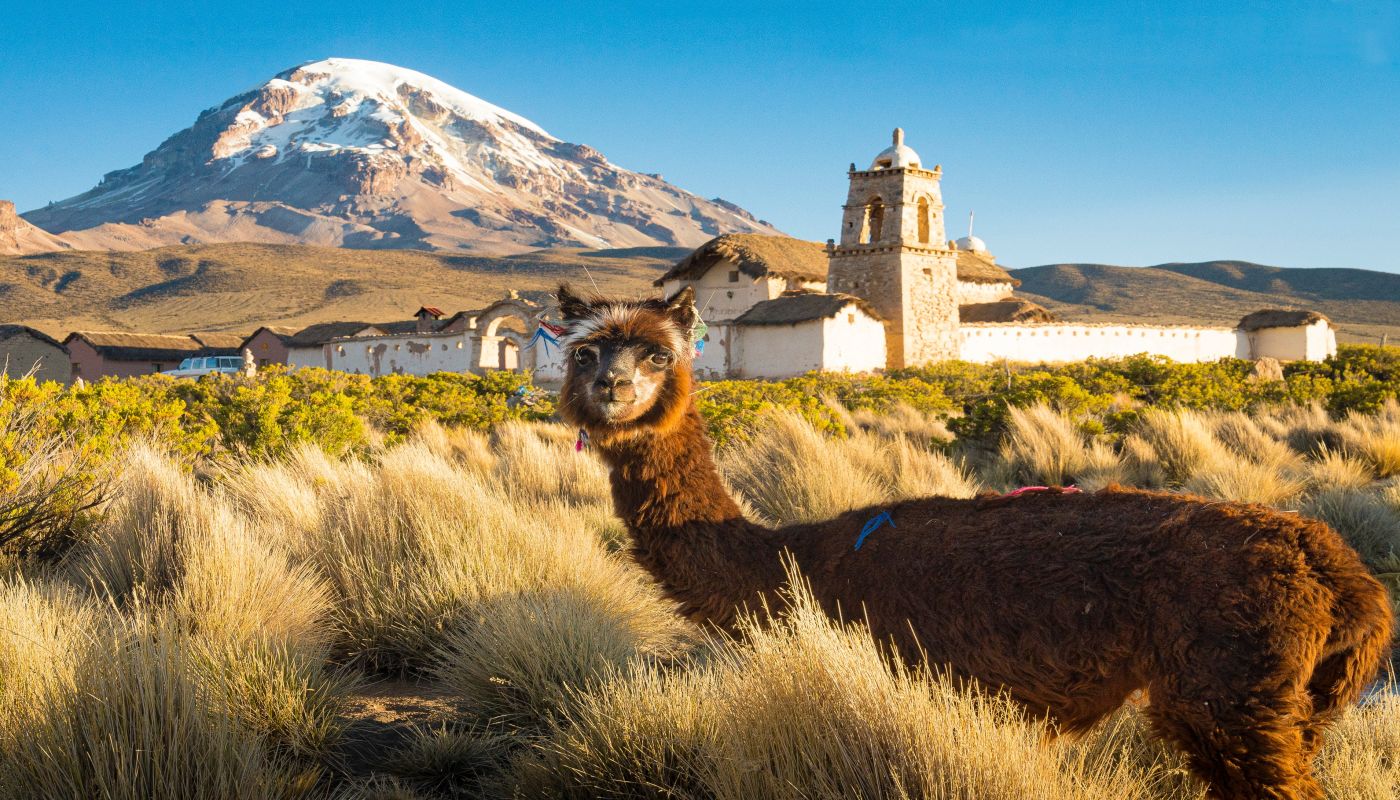
Landscape of Bolivia
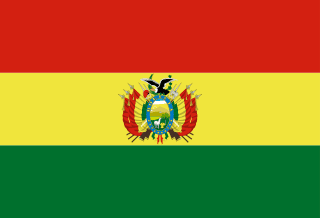
Flag of Bolivia

Bolivia

South America

Bolivia is a nation facing immense levels of poverty and suppression of economic freedom — 38 percent of the population lives below the poverty line. The nation also has relatively alarming health concerns, lack of access to water and sanitation facilities, as well as pressing human rights, environmental concerns and government corruption.1 However, the government has succeeded in instituting education reform, improving access to and quality of education,2 and the unemployment sits at just 4 percent, due to the socialist policies of the government.3 1 https://www.cia.gov/library/Publications/the-world-factbook/geos/bl.html 2 http://www.worldbank.org/en/results/2013/10/10/Bolivian-municipality-improves-education 3 https://www.cia.gov/library/Publications/the-world-factbook/geos/bl.html

What would you like to learn about in Bolivia?

Select a section to explore the country where nonprofits are creating positive change.

About Bolivia

Bolivia, named after independence fighter Simon BOLIVAR, broke away from Spanish rule in 1825; much of its subsequent history has consisted of a series of nearly 200 coups and countercoups. Democratic civilian rule was established in 1982, but leaders have faced difficult problems of deep-seated poverty, social unrest, and illegal drug production. In December 2005, Bolivians elected Movement Toward Socialism leader Evo MORALES president - by the widest margin of any leader since the restoration of civilian rule in 1982 - after he ran on a promise to change the country's traditional political class and empower the nation's poor, indigenous majority. However, since taking office, his controversial strategies have exacerbated racial and economic tensions between the Amerindian populations of the Andean west and the non-indigenous communities of the eastern lowlands. In December 2009, President MORALES easily won reelection, and his party took control of the legislative branch of the government, which will allow him to continue his process of change. In October 2011, the country held its first judicial elections to appoint judges to the four highest courts.

Quick Facts

Population
10,461,053 (July 2013 est.)
Area
1,098,581 sq km
ISO Code
BO
Continent
South America
Government
republic; note - the new constitution defines Bolivia as a "Social Unitarian State"
Active Causes
12
View all countries in South America

Geography & Environment

Climate

varies with altitude; humid and tropical to cold and semiarid

Terrain

rugged Andes Mountains with a highland plateau (Altiplano), hills, lowland plains of the Amazon Basin

Natural Resources

tin, natural gas, petroleum, zinc, tungsten, antimony, silver, iron, lead, gold, timber, hydropower

Environmental Issues

the clearing of land for agricultural purposes and the international demand for tropical timber are contributing to deforestation; soil erosion from overgrazing and poor cultivation methods (including...

People & Society

68.22 years
Avg. Life Expectancy
91.2%
Literacy Rate
67% of total population (2010)
Total Urban Population

Languages

Spanish (official) 60.7%, Quechua (official) 21.2%, Aymara (official) 14.6%, foreign languages 2.4%, other 1.2% (2001 census)

Religions

Roman Catholic 95%, Protestant (Evangelical Methodist) 5%

Health Expenditure

4.8% of GDP (2010) of GDP

Education Expenditure

7.6% of GDP (2010) of GDP

Economy

$5,200
GDP per Capita (PPP)
7.5%
Unemployment Rate
49.6%
Below Poverty Line

Economic Overview

Bolivia is one of the poorest and least developed countries in Latin America. Following a disastrous economic crisis during the early 1980s, reforms spurred private investment, stimulated economic growth, and cut poverty rates in the 1990s. The period 2003-05 was characterized by political instability, racial tensions, and violent protests against plans - subsequently abandoned - to export Bolivia's newly discovered natural gas reserves to large Northern Hemisphere markets. In 2005, the government passed a controversial hydrocarbons law that imposed significantly higher royalties and required...

Causes in Bolivia

Environment

Bolivia’s environment faces threat from soil erosion and degradation due to overgrazing and extensive agricultural use. The use of chemical fertilizers, slash-and-burn agriculture and poor cultivation methods have leached nutrients from Bolivia’s naturally fertile soil. Attempts at rapid industrialization and economic development have raised concerns over deforestation and industrial pollution.1 Areas in the northeast of the nation are prone to flooding in the spring, and volcanic activity can occur in the Andes along the Bolivian-Chilean border.2 The shrinkage of glaciers in the Andes has the potential to cause droughts for countries such as Bolivia and Chile,3 and the World Bank is implementing measures to assess and address the issue.4 The three components of the plan include watershed management — taking into account the retreat of the glaciers — as well as an adaptive river defense.5 Drought is often an issue in the western and eastern areas, particularly for livestock and crops, and for water access; the Chaco region in particular is vulnerable to the effects of drought, as their subsistence farming relies upon rainfall.6

Family

Child marriage is very common in Bolivia. 3 percent of women are married by age 15 and 22 percent are married by age 18.1 The minimum age for a girl to be married is 14, while the minimum age for boys is 16.2 Nine percent of girls aged 15–18 are already mothers.3 Bolivia has the highest infant mortality rate in South America at 35 deaths per 1,000 live births .4 The maternal mortality rate is also high at around 229 maternal deaths per 100,000 births.5 These rates are due in part to lack of adequate prenatal care, as well as lack of proper attention and resources during the birthing process.6 Domestic violence is a national concern, and in 2013, on International Women’s Day, the president enacted legislation making femicide and criminal offense, punishable by law.7

Human Rights

Bolivia’s children are frequently exploited through child labor in hazardous industries;1 11 percent of children between 5 and 13 are involved in the labor force.2 Domestic abuse rates are also rampant in Bolivia, and nearly 80 percent of Bolivia’s children suffer from domestic abuse or violent discipline, whether emotional or physical, with girls being particularly at-risk.3 48 percent of female adolescents are subject to abuse from their partner.4 There are fears of significant increases in human trafficking and sexual exploitation; the Munasim Kullakita Foundation estimates there are 250 girls aged 11–17 being sexually exploited in El Alto, Bolivia’s second-largest city of one million people.5 Data on trafficking is difficult to find, as it is legal for women 18 and over to work in the sex trade. In 2012 over 45,000 people were registered sex industry workers, yet the government does not gather data on underage girls in the sex trade.6

Education

Overall, 92.5 percent of the Bolivian population is literate. However, only 88.6 percent of women are literate, while 96.5 percent of men are literate.1 Rural education suffers acutely from lack of resources, limited access to educational facilities, and necessity of child labor. 94 percent of children are enrolled in primary school, but this drops to 91 percent for early secondary school.2 As the demand for secondary education rose from the late 1990s to early 2000s, the World Bank established the Secondary Education Transformation Project, aimed at improving the quality and access to secondary education.4 By 2013, the project had created four new school buildings, and reconstructed three, and provided support to 11,000 Bolivian teachers, community members and students through the Center for High Educational Performance in San Antonio.5 The project also provided training materials and strengthened the infrastructure of the schools’ management teams.6 The literacy rate for the 15 years old and over population has reached 95 percent, and the gender discrepancy has shrunk substantially.7

Poverty

Poverty is a widespread problem in Bolivia, especially impacting rural areas. 38 percent of Bolivian citizens live below the poverty line,1 making Bolivia the poorest country in South America, with the lowest GDP per capita of $7,500, just under Guyana.2 Women and children are especially vulnerable to poverty due to limited access to education and, particularly in the case of women, social norms that reinforce the social and professional inferiority of women.3 Another negative byproduct of poverty is the high level of child labor in the country.4

Religion

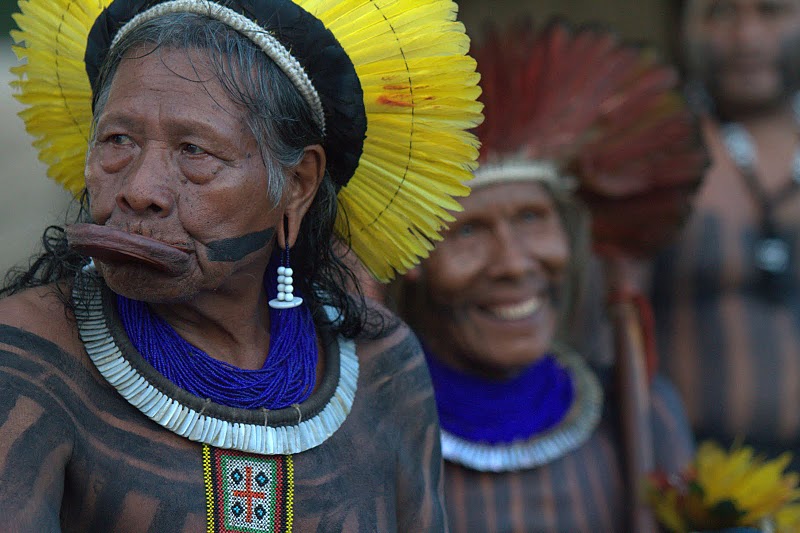
The constitution of Bolivia provides for the freedom to practice and follow any religion. Interfaith dialogue has suffered in the country and Bolivia has received assistance on practical interfaith communications from the United States.1 77 percent of the population identifies as Roman Catholic, 8 percent as Protestant, 8 percent as Evangelical and Pentecostal, 2 percent as Other and 5 percent claim none.2 Indigenous communities in Bolivia follow a mixture of Christian and spiritual beliefs.

Clean Water

Bolivia’s struggle with water has consistently been an issue of international concern.1 As of 2015, clean water access hit an all-time high at 90 percent of the urban population, with the low being 68 percent in 1990.2 This shift is attributed to the efforts of the president to increase access in rural and economically depressed areas.3 Though access to the water supply has grown dramatically, proper sanitation facilities and education on good hygiene practices are still unavailable to nearly 50 percent of Bolivians.4 In remote, rural areas, only 60 percent of the population has access to clean water,5 and approximately 54 percent of the population practices open defecation, compromising the health of the indigenous people groups living there, particularly the children.6

Economy

Roughly 38 percent of Bolivians live below the international standard poverty line — living on less than $2 a day.1 Only about 4 percent of the workforce is unemployed, a result of the government’s socialist policies, but there are dramatic discrepancies in income distribution; Bolivia has the highest rate of income inequality in Latin America, and one of the highest in the world.2 The economic climate of Bolivia has become increasingly mired in economic subjugation; Bolivia is ranked 173/180 on the Economic Freedom Index, and is categorized as a repressed economy.3 The exportation of natural gas to its neighbors, such as Brazil and Argentina, has benefited the economy, yet poverty remains a pervasive issue.3

Government

Corruption pervades many levels of Bolivian society and politics; frequent abuses of power have been reported in several spheres of the government, especially within the judiciary, police and security forces.1 Bolivia ranks as the 112th out of 180 countries for its resistance against corruption with a score of 33 out of 100.2 In 2009, Bolivia approved a new constitution, making the nation a unitary plurinational state, the Plurinational State of Bolivia.3 In the legal jurisdiction there is the ordinary and indigenous jurisdiction, with stated equal hierarchy.4 Since 2015, Bolivia’s government has moved more towards a communitarian socialist society under the current president Evo Morales’ Movement for Socialism (MAS).5 In 2016, the voting population turned down the Morales’ request for a fourth term in 2019, however, the MAS is attempting to amend the constitution to allow him to take office in 2020, and Morales has accepted his party’s nomination to remain on the ballot.6

Health

Bolivia has the highest infant mortality rate in South America at 35 deaths per 1,000 live births.1 The maternal mortality rate is also high at around 229 maternal deaths per 100,000 births.2 These rates are due in part to lack of adequate prenatal care, as well as lack of proper attention and resources during the birthing process.3 Proper sanitation facilities and education on good hygiene practices are still unavailable to nearly 50 percent of Bolivians.4 In remote, rural areas, only 60 percent of the population has access to clean water,5 and approximately 54 percent of the population practices open defecation, compromising the health of the indigenous people groups living there, particularly the children.6

Children

With 38 percent of the population living below the poverty line, Bolivian children are uniquely vulnerable to hunger, malnutrition, limited access to health services and education and child labor.1 Bolivia formerly had the second highest rate of child malnutrition in South America, but in 2017, the Bolivian government announced that it cut child malnutrition rates in half.2 This is attributed to the work of the National Food and Nutrition Council and its ten ministries. However, Bolivia’s children are routinely exploited through child labor in hazardous industries;3 11 percent of children between 5 and 13 are involved in the labor force.4 Domestic abuse rates are also rampant in Bolivia, and nearly 70 percent of Bolivia’s children suffer from domestic abuse, whether emotional or physical, with girls being particularly at-risk.5

Animals

Bolivia’s Law of Mother Earth1 establishes the “rights” of nature, setting forth a series of principles and policies pertaining to the inherent rights of both animals and the environment.2 This legislations states that nature has a right to life, the right to be unaltered, the right to balance and the right to be unpolluted, among other rights.3 Additionally, animals, whether wild or domestic, are not allowed to be part of travelling circuses.4

Nonprofits Working in Bolivia

Discover organizations making a difference in Bolivia

NPH USA

NPH USA

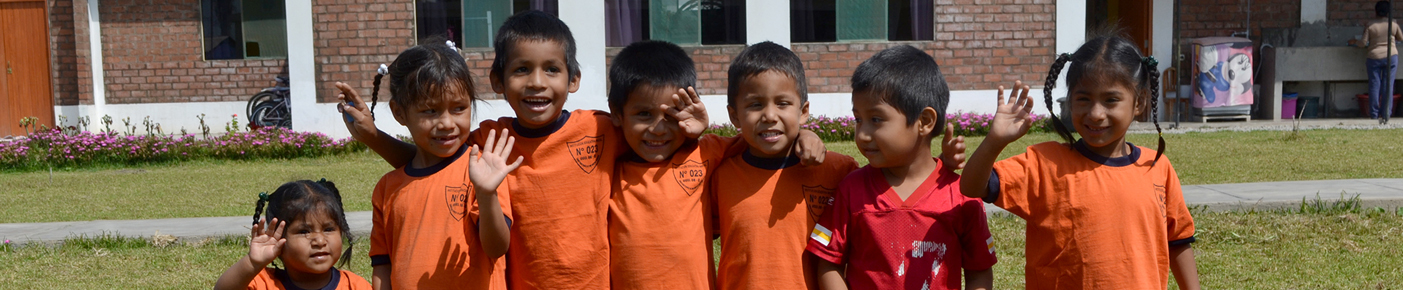
NPH USA transforms the lives of orphaned, abandoned and disadvantaged children in Latin America and the Caribbean by supporting the homes, healthcare and educational programs of Nuestros Pequeños Hermanos (NPH, Spanish for "Our Little Brothers and Sisters"). Together, we create families for life and teach children the values of unconditional love, shared responsibility and helping others. Our donors help children overcome poverty and become leaders in their own communities. Since its founding in 1954, NPH has assisted more than 20,000 children and is currently raising more than 3,400 boys and girls in Bolivia, the Dominican Republic, El Salvador, Guatemala, Haiti, Honduras, Mexico, Nicaragua and Peru. An additional 1,600 students who live outside the homes receive scholarships, meals and health care. NPH outreach programs provided over 95,000 services in 2014.

Chicago, Illinois

Make Your Impact Today

Discover causes you care about and support the nonprofits making a difference in communities around the world.

Are you a nonprofit? Join Project World Impact for free

Join Us Free