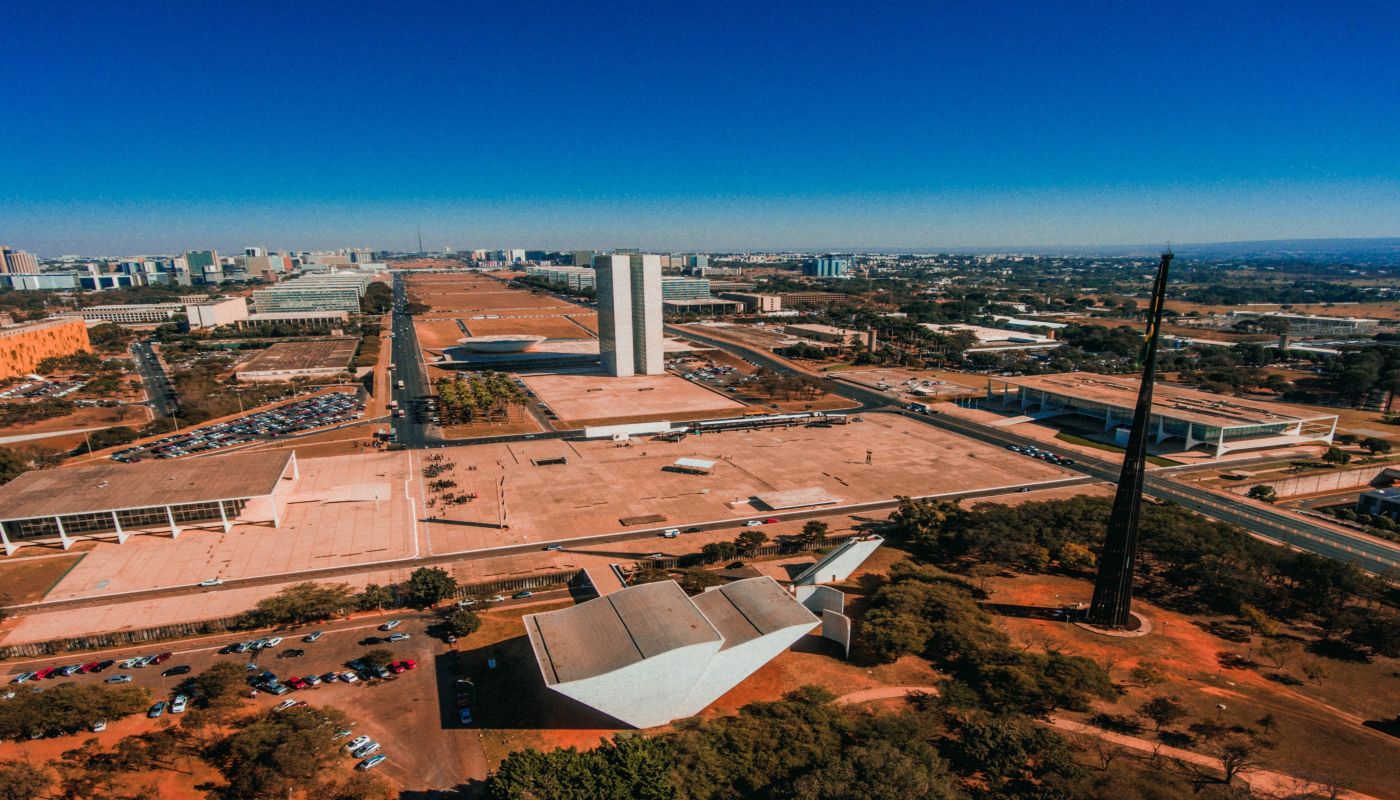
Landscape of Brazil
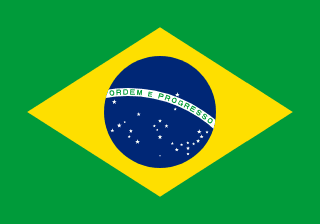
Flag of Brazil

Brazil

South America

Brazil struggles with chronic corruption in government, gang violence, domestic abuse, and poor sanitation infrastructure. A majority of the country is comprised of the Amazon rainforest, which faces threats from deforestation and increased human activity. The private business sector is still recovering from the mass corruption scandal that exposed major business executive deals totalling over $5 billion in illegal payments. The extensive graft and bribery that was exposed has greatly decreased the trust that both domestic and international groups place in the Brazilian government.1 1 https://www.cia.gov/library/publications/the-world-factbook/geos/br.html

What would you like to learn about in Brazil?

Select a section to explore the country where nonprofits are creating positive change.

About Brazil

Following more than three centuries under Portuguese rule, Brazil gained its independence in 1822, maintaining a monarchical system of government until the abolition of slavery in 1888 and the subsequent proclamation of a republic by the military in 1889. Brazilian coffee exporters politically dominated the country until populist leader Getulio VARGAS rose to power in 1930. By far the largest and most populous country in South America, Brazil underwent more than a half century of populist and military government until 1985, when the military regime peacefully ceded power to civilian rulers. Brazil continues to pursue industrial and agricultural growth and development of its interior. Exploiting vast natural resources and a large labor pool, it is today South America's leading economic power and a regional leader, one of the first in the area to begin an economic recovery. Highly unequal income distribution and crime remain pressing problems.

Quick Facts

Population
201,009,622 (July 2013 est.) (July 2013 est.)
Area
8,514,877 sq km
ISO Code
BR
Continent
South America
Government
federal republic
Active Causes
12
View all countries in South America

Geography & Environment

Climate

mostly tropical, but temperate in south

Terrain

mostly flat to rolling lowlands in north; some plains, hills, mountains, and narrow coastal belt

Natural Resources

bauxite, gold, iron ore, manganese, nickel, phosphates, platinum, tin, rare earth elements, uranium, petroleum, hydropower, timber

Environmental Issues

deforestation in Amazon Basin destroys the habitat and endangers a multitude of plant and animal species indigenous to the area; there is a lucrative illegal wildlife trade; air and water pollution in...

People & Society

73.02 years
Avg. Life Expectancy
90.4%
Literacy Rate
87% of total population (2010)
Total Urban Population

Languages

Portuguese (official and most widely spoken language)

Religions

Roman Catholic (nominal) 73.6%, Protestant 15.4%, Spiritualist 1.3%, Bantu/Voodoo 0.3%, other 1.8%, unspecified 0.2%, none 7.4% (2000 census)

Health Expenditure

9% of GDP (2010) of GDP

Education Expenditure

5.6% of GDP (2009) of GDP

Economy

$12,100
GDP per Capita (PPP)
5.5%
Unemployment Rate
21.4%
Below Poverty Line

Economic Overview

Characterized by large and well-developed agricultural, mining, manufacturing, and service sectors, Brazil's economy outweighs that of all other South American countries, and Brazil is expanding its presence in world markets. Since 2003, Brazil has steadily improved its macroeconomic stability, building up foreign reserves, and reducing its debt profile by shifting its debt burden toward real denominated and domestically held instruments. In 2008, Brazil became a net external creditor and two ratings agencies awarded investment grade status to its debt. After strong growth in 2007 and 2008, th...

Causes in Brazil

Environment

Brazil currently faces environmental concerns including pollution, deforestation, and natural disasters such as droughts. Pollution is a major concern for many waterways and water-related industries in Brazil. Additionally, Brazil’s shellfishing communities have been blighted by industrial pollution.1 Deforestation is another prominent threat to Brazil’s environment. Deforestation has been on the rise since 2012, reaching a 29 percent increase in 2016. Infrastructure projects like dams and roads make deforestation a more popular and accessible investment. The Amazon rainforest continues to be negatively impacted by increasing human activity, and many environmentalists are calling for more protective legislation.2

Family

In 2016 the Brazilian government replaced the Ministry of Women’s Affairs, Racial Equality and Human Rights with the more general Ministry of Justice, as well as greatly reducing the department’s resources. This led to the dissolution of many programs that had been implemented for the protection of women and children who were victims of domestic abuse. Deadly violence against women has increased by 24 percent over the past decade. Between January and November there were around 4,200 cases of rape reported in the state of Rio de Janeiro. It is illegal for men to cross-dress, an offense that could result in a $1000 fine or three months of incarceration.1

Human Rights

Both on-duty and off-duty police officers were responsible for about 4,200 killings in 2016, reflecting an upward trend in police killings compared to previous years. The government also faces scrutiny for poor prison conditions, torture, and ill-treatment of detainees. Over 120 inmates were killed in 2016, mainly by gang violence. Brazil has space to host 19,400 children in juvenile detention centers, but there were 24,000 children being held in 2016. Freedom of expression is increasingly restricted, and there is now a potential penalty of 2 years imprisonment for disrespecting a public official.1

Education

School is free for children between the ages of 6 and 18, but is not compulsory after the age of 14. Tertiary education is free at public universities.1 92 percent of the population is literate, and the government spends 6 percent of the GDP on education.2 The country has historically had difficulties filling the demand for professional employees and has started in recent years to focus on providing higher education in a more universal and accessible way.3 The universities in Brazil are closely connected to government and technology creation, and graduates are integrated naturally into the corporate sector.4

Poverty

Despite having one of the strongest economies in Latin America, income inequality is a prevalent problem in Brazil.1 Economic inequality and income disparities contribute to Brazil having a level of poverty that is well above the norm for a middle-income country. Rural areas, especially in the North and Northeast, and favelas, which are urban slums or shanty-towns, have high representations of impoverished people.2 Policies such as the Bolsa Familia program, which gives cash payouts to poor families, have been credited with reducing poverty significantly. Unfortunately, these programs have received budget cuts as part of fraud investigations, as it was found that over 1.1 million recipients had flaws in their claims.3 43 percent of children under the age of five find themselves facing developmental problems from either hunger or violence.4

Religion

Brazil preserves the separation of church and state, and Brazil’s constitution provides for religious freedom.1 65 percent of Brazilians are Roman Catholic, 22 percent are Protestant, while the rest of the population claims other religions or are unidentified.2

Clean Water

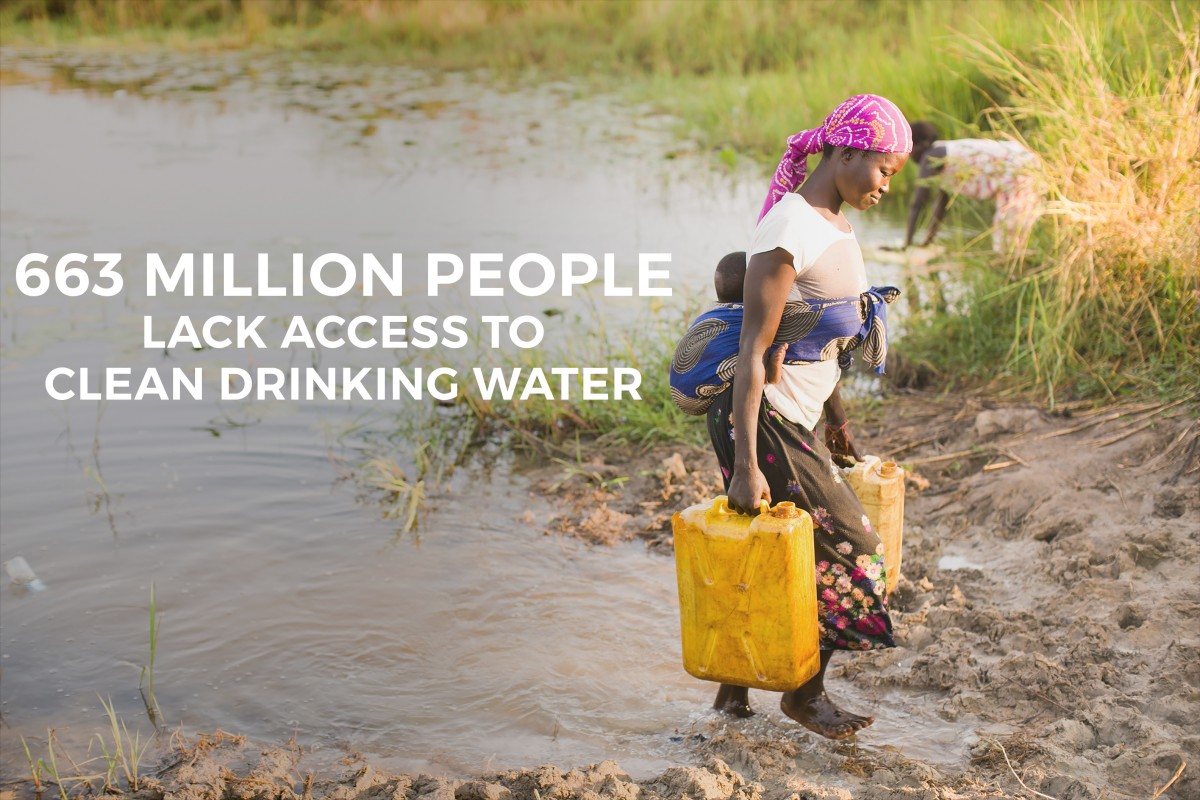
Brazil holds about 20 percent of the world’s freshwater supply, but has recently suffered from water shortages in certain areas. Industry contributes to the pollution of much of the available clean water, making it difficult to get clean water in areas near industrial sites. Much of the country’s productivity is based on the historical abundance of water, such as its economic reliance on hydropower and agriculture.1

Economy

The government’s over-involvement in the economy with regulatory measures has hindered economic growth, causing consumers and investors to be wary. The inefficient tax system discourages entrepreneurs and leaves little room for fast-growth industries.1 Brazilian public debt has grown to 80 percent of GDP. Brazil’s main trade partners are China, the US, and Argentina. The unemployment rate is 13%, but only 3.7% of the population lives below the poverty line.2

Government

Brazil is a federal presidential republic. The president serves as both chief of state and head of government.1 In the wake of the revelation of deep-seated corruption revealed in the 2014 investigation nick-named “Operation Car Wash,” many international companies headquartered in Brazil imploded as their executive staff was brought into court. The investigation exposed over $5 billion in illegal payments to company executives. The government prosecuted many of the executives, but the scandal also led to the exposure of many corrupt politicians, thereby decreasing public trust in their government.2 Transparency International ranks Brazil 79th out of 176 countries for perceived corruption, while the Brazilian public scores them 40 out of 100.3

Health

Around 40 percent of homes in Brazil are not connected to sewage systems. The improvement of sanitation infrastructure has taken a backseat as an increasing percentage of government health funding is being focused on fighting the spread of the Zika virus, totalling $126 million in 2016.1 The life expectancy is 74 years old. The maternal mortality rate is 44 deaths per 100,000 live births, and infant mortality is at 17.5 deaths per 10,000 live births. 22 percent of the population is obese. There is high risk of contracting waterborne or foodborne diseases such as bacterial diarrhea or hepatitis A.2

Children

36 percent of children in Brazil are married by the time they are 18. Like many other Latin American countries, prevention of child marriage is not a priority for policy-makers. The minimum legal age for marriage is 16. The exceptions to this law are for minors in the case of pregnancy or to avoid a criminal sentence for statutory rape.1 The large child labor market is an additional threat to children.. In 2015 there were 80,000 children between the ages of five and nine working.2 In 2016 the Secretariat for Human Rights established a protection program for children who were victims of sexual abuse or child labor, and nearly 60 percent of children who enrolled in the program received death threats from their old abusers or employers.3

Animals

Brazil is home to parts of the vast Amazon rainforest, and native species include the Amazon river dolphin, jaguar, macaw, poison dart frog, and the sloth. Poor planning of transportation and energy infrastructure has led to negative impacts on dams and the increased accessibility of protected areas to illegal logging. There are also invasive mining methods for gold and oil that are unsustainable.1

Nonprofits Working in Brazil

Discover organizations making a difference in Brazil

Make Your Impact Today

Discover causes you care about and support the nonprofits making a difference in communities around the world.

Are you a nonprofit? Join Project World Impact for free

Join Us Free