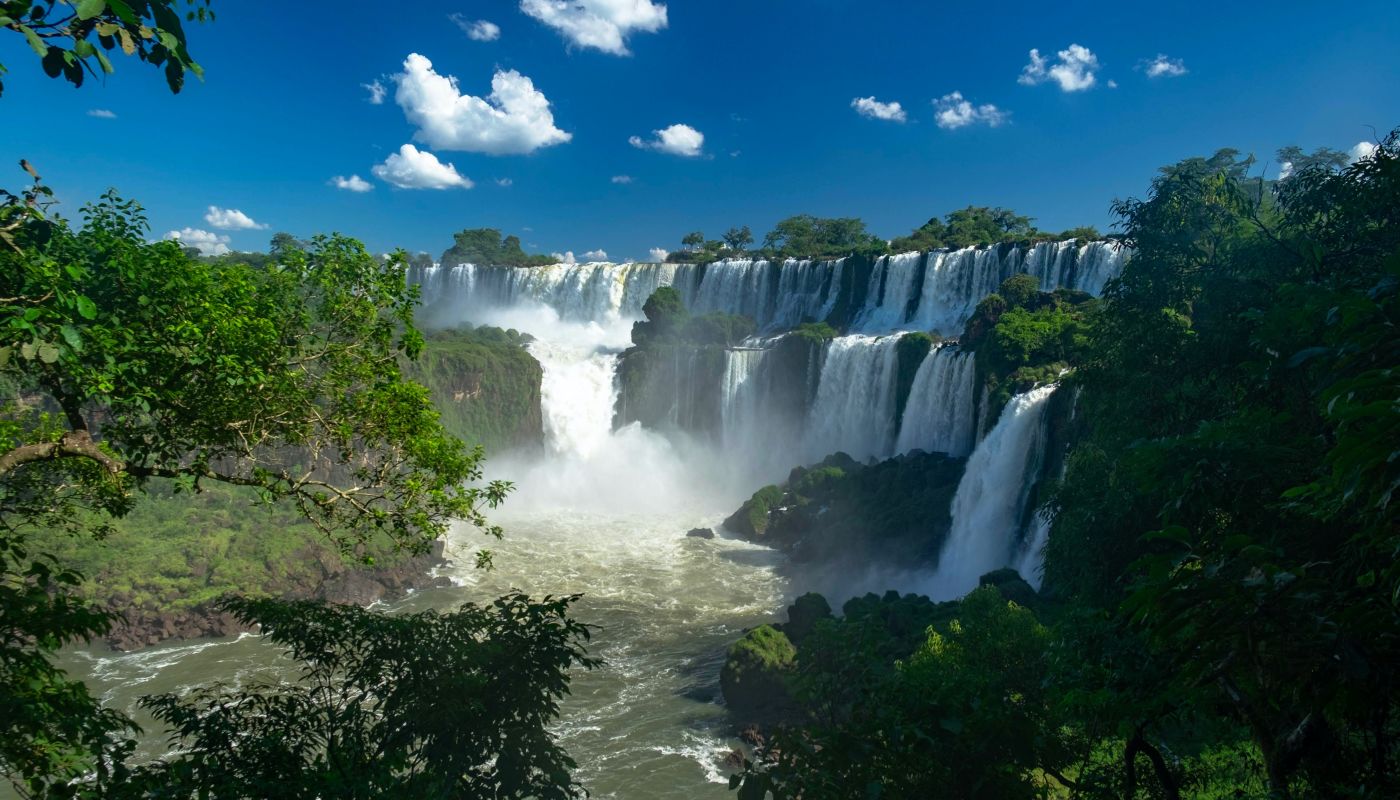
Landscape of Argentina
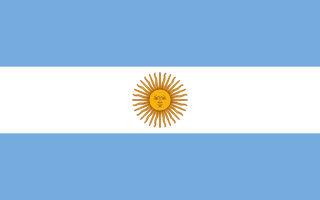
Flag of Argentina

Argentina

South America

Argentina’s current government was implemented in 1983 after the tumultuous political period between WWI and the rise of democracy in the country. The coastal country is highly influenced by the Catholic church in areas of education, politics, and economy. Environmentalists are concerned about the rates of deforestation and the lack of legislation protecting the limited natural forests. There are also rising concerns with the lack of improvement in poverty rates as the country tries to invest in its education system in order to improve economic prospects.1 1 https://www.cia.gov/library/publications/the-world-factbook/geos/ar.html

What would you like to learn about in Argentina?

Select a section to explore the country where nonprofits are creating positive change.

About Argentina

In 1816, the United Provinces of the Rio Plata declared their independence from Spain. After Bolivia, Paraguay, and Uruguay went their separate ways, the area that remained became Argentina. The country's population and culture were heavily shaped by immigrants from throughout Europe, with Italy and Spain providing the largest percentage of newcomers from 1860 to 1930. Up until about the mid-20th century, much of Argentina's history was dominated by periods of internal political conflict between Federalists and Unitarians and between civilian and military factions. After World War II, an era of Peronist populism and direct and indirect military interference in subsequent governments was followed by a military junta that took power in 1976. Democracy returned in 1983 after a failed bid to seize the Falkland Islands (Islas Malvinas) by force, and has persisted despite numerous challenges, the most formidable of which was a severe economic crisis in 2001-02 that led to violent public protests and the successive resignations of several presidents. In January 2013, Argentina assumed a nonpermanent seat on the UN Security Council for the 2013-14 term.

Quick Facts

Population
42,610,981 (July 2013 est.)
Area
2,780,400 sq km
ISO Code
AR
Continent
South America
Government
republic
Active Causes
12
View all countries in South America

Geography & Environment

Climate

mostly temperate; arid in southeast; subantarctic in southwest

Terrain

rich plains of the Pampas in northern half, flat to rolling plateau of Patagonia in south, rugged Andes along western border

Natural Resources

fertile plains of the pampas, lead, zinc, tin, copper, iron ore, manganese, petroleum, uranium

Environmental Issues

environmental problems (urban and rural) typical of an industrializing economy such as deforestation, soil degradation, desertification, air pollution, and water pollution

People & Society

77.32 years
Avg. Life Expectancy
97.9%
Literacy Rate
92% of total population (2010)
Total Urban Population

Languages

Spanish (official), Italian, English, German, French, indigenous (Mapudungun, Quechua)

Religions

nominally Roman Catholic 92% (less than 20% practicing), Protestant 2%, Jewish 2%, other 4%

Health Expenditure

8.1% of GDP (2010) of GDP

Education Expenditure

5.8% of GDP (2010) of GDP

Economy

$18,400
GDP per Capita (PPP)
7.2%
Unemployment Rate
30%
Below Poverty Line

Economic Overview

Argentina benefits from rich natural resources, a highly literate population, an export-oriented agricultural sector, and a diversified industrial base. Although one of the world's wealthiest countries 100 years ago, Argentina suffered during most of the 20th century from recurring economic crises, persistent fiscal and current account deficits, high inflation, mounting external debt, and capital flight. A severe depression, growing public and external indebtedness, and an unprecedented bank run culminated in 2001 in the most serious economic, social, and political crisis in the country's turb...

Causes in Argentina

Environment

Argentina contains diverse geographical regions in need of significant conservation efforts. These include rainforests, lakes, steppes, and other types of eco-regions. Unfortunately, these regions are not being adequately protected and Argentina’s environment faces several risks. Deforestation has occurred on a massive scale, with the removal of more than 16 million hectares of forest.1 Much of this is due to the cultivation of the soybean, which has become agriculturally significant to the nation. Argentina’s environment is also threatened by cattle being fed and bred in areas that used to be forest. Environmental pollutants affect the availability of clean water and the health of the population.2

Family

Argentina has one of the highest national rates of consensual unions. While the government recognizes civil marriage, Argentina’s marriage culture is heavily influenced by the Catholic church, which discourages divorce. Most families have only one or two children.1 Despite the number of committed relationships, domestic abuse is a prevalent problem; there is a femicide every 30 hours. Argentina also experiences a variety of issues related to gender inequality and a culture of ‘machismo’ that devalues women.2

Human Rights

A pressing human rights concern for Argentina’s government is the continued prosecution of all military and police forces that participated in extrajudicial killings, torture, and disappearances during Argentina’s infamous “Dirty War” between 1976 and 1983. The media in Argentina is often subject to government restrictions and legislation that reduces freedom of the press. The prison conditions in Argentina are reportedly dismal, and pretrial detainees are not afforded the necessary legal freedoms that they should be guaranteed under law.1 There are also reports of gender violence and sex trafficking, mostly targeted at groups of indigenous people. Perpetrators of the abuse are often members of the military or the police.2

Education

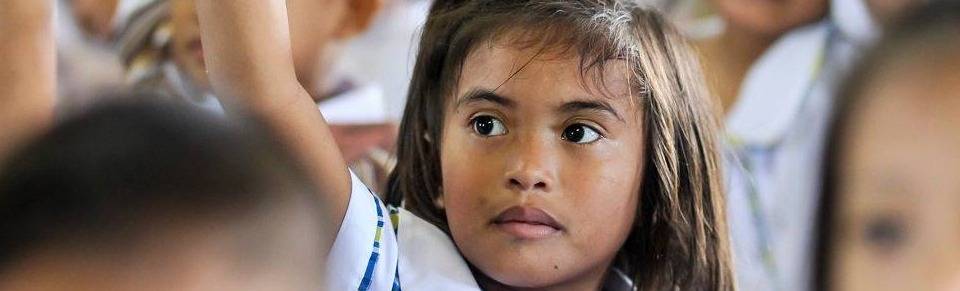
Primary school enrollment is high at 98 percent, but the school curriculum is low-quality and many children still lack basic literacy skills.1 The government is looking at implementing six hour school days for students and eight hour days for teachers. The prime? minister has had to fight against a political climate that denies that education is one of the leading issues in the country. In an effort to highlight the ways Argentina has fallen behind, he created a plan that would improve the system by 2030, including the addition of 400 to 500 new schools with updated technology.2

Poverty

32 percent of Argentina’s population lives below the poverty line. Unemployment is 8 percent, and inflation continues to plague the country.1 One of the largest challenges of estimating poverty in Argentina is the inaccessibility of accurate data. Current estimates suggest that 13 million people in Argentina are poverty-stricken. Experts cite economic instability as a cause of the chronic poverty present in the country.2 The government believes that the creation of 6 million jobs in the past five years has lowered poverty rates in the country.3 One component of Argentina’s effort towards improvement was the Universal Child Allowance, which grants money to assist unemployed parents with childcare. These funds are only given when children attend school and receive medical checkups, thus the program helps to fight poverty as well as its accompanying educational and health issues.4

Religion

92 percent of Argentines identify as Roman Catholic. The Roman Catholic Church is highly influential in the government. In fact, the constitution allows the federal government to sustain the culture of Catholicism, and significant liberties are given regarding the provision of its subsidies, especially in the support of private Catholic schools. Other religions in Argentina are Judaism, Protestantism, and indigenous belief systems. Argentines of other religions besides Catholicism do not face high levels of discrimination. The country is attempting to be inclusive of multiple faiths, but still works from a mostly Roman Catholic framework.1

Clean Water

Approximately 99 percent of Argentina’s population has access to clean drinking water, and 97 percent of the population has access to improved sanitation infrastructure.1

Economy

Argentina has abundant natural resources, high literacy levels, and a diverse economy. Despite this, the country has continually struggled to recover from several local and global financial crises. Argentina has recently begun to repair its international working relationships and has worked with the IMF to develop sound data reporting and fiscal policies.1 The largest challenge is increasing economic freedom, as there are severe governmental restrictions on imports and capital controls. The rampant corruption present in both the government and the judicial system have decreased the effectiveness of economic reform.2 The unemployment rate in Argentina is 8 percent, and approximately 32 percent of the population live below the poverty line.3

Government

The Argentine Republic gained independence from Spain in 1816 and is now a presidential republic. There are 14 major national political parties and numerous provincial parties.1 The country operates as a federal union of provinces, and Buenos Aires is a federal capital district.2 Each of the 23 provinces in Argentina have their own municipal government that reports to the federal government. Transparency International gives Argentina a low score of 95th out of 176 countries for high levels of corruption and low government transparency.3

Health

Argentina’s healthcare sector has shown little improvement in access to primary care for its citizens and in its affordability. The increase in depression has caused the abuse of illegal drugs and alcohol to become a popular coping method for young adults. The most common cause of mortality in Argentina is cardiovascular disease, followed closely by various cancers, communicable diseases, and complications during pregnancies.1 The maternal mortality rate is is 52 deaths per 100,000 live births, while infant mortality is 9.8 deaths per 1,000 live births. Life expectancy is 77 years old, and 28 percent of the population is obese. 4.8 of the GDP is spent on healthcare.2

Children

Argentina is party to the UN Convention on the Rights of the Child, but there are still serious deficiencies in protection for impoverished children who do not have adequate access to early childhood education.1 Child abuse cases in the Argentine Catholic Church have garnered international media attention. Over 22 children were sexually abused in the Antonio Provolo Institute.2 Child labor has historically been a large issue in the country, but in 2016 the government ratified an executive order that outlined illegal work for children under 18 and provided trainings for labor inspectors.3

Animals

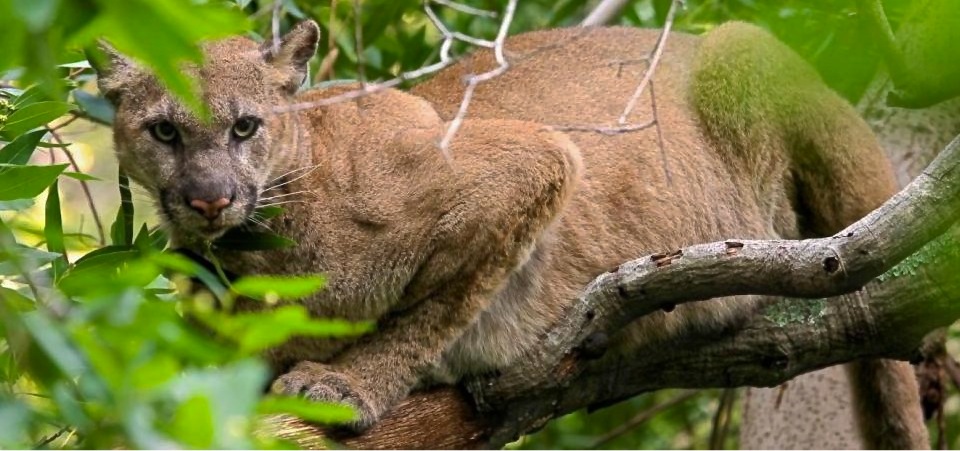
Taking up a majority of South America, Argentina is a mainly part of the neotropical region. The country is home to the Patagonian toad, and highly diverse plant species. The Valdivian forest is threatened the most by logging for industry and firewood. The export industry of native exotic animals is also a cause for upsetting the environmental balance, as well as the import of invasive species. The large tourism industry also threatens natural habitats.1

Nonprofits Working in Argentina

Discover organizations making a difference in Argentina

Make Your Impact Today

Discover causes you care about and support the nonprofits making a difference in communities around the world.

Are you a nonprofit? Join Project World Impact for free

Join Us Free