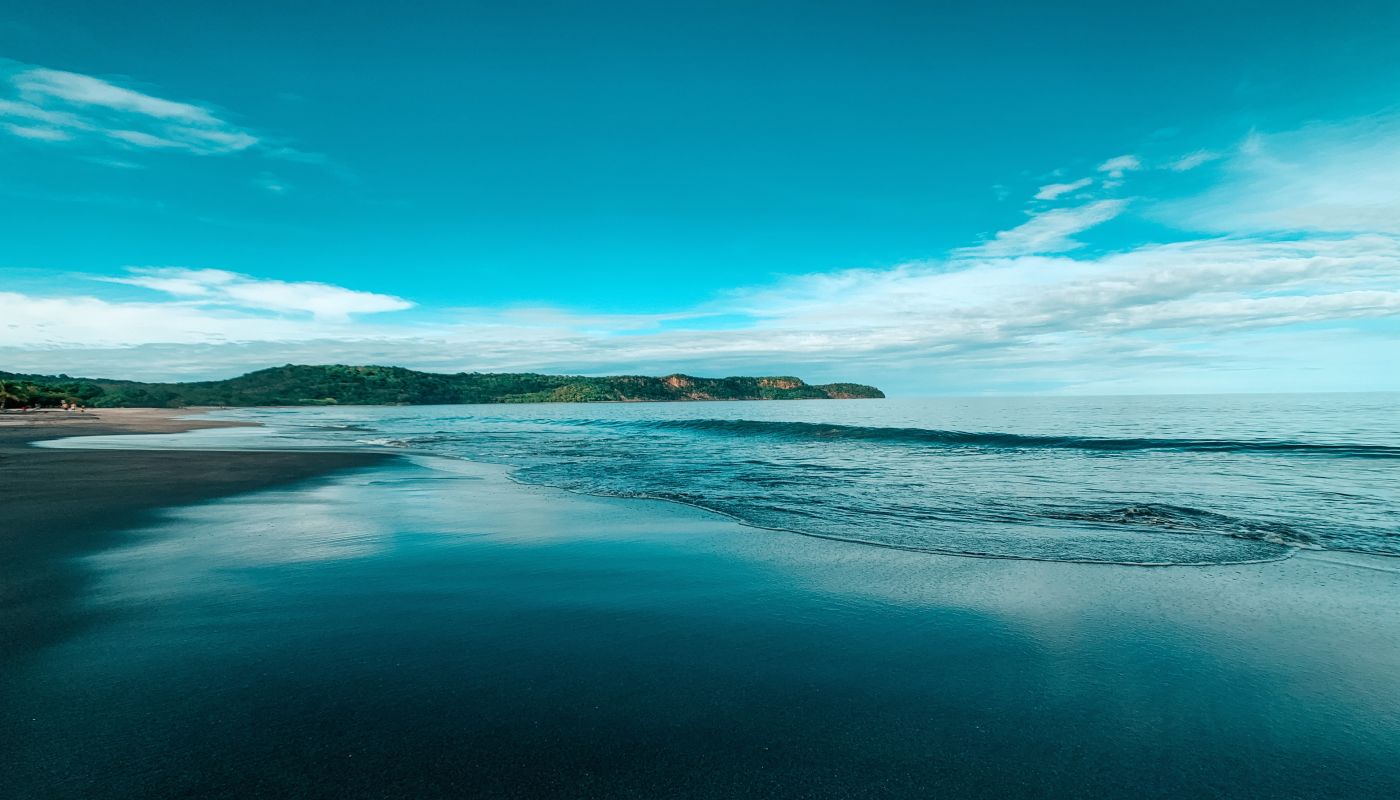
Landscape of Costa Rica
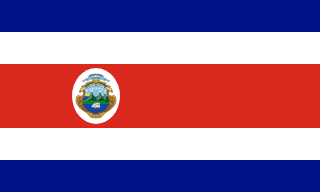
Flag of Costa Rica

Costa Rica

North America

A former Spanish colony, Costa Rica gained independence in 1838.1 Its location, situated between the Caribbean and the Pacific near the equator, contains one of the most diverse ecosystems on the planet. This provides means for their economy to export farming products and brings in a plethora of tourists each year.1 Although corruption rates are low and the government system is much stronger than surrounding Central American countries, poverty levels have not lowered in decades and discrimination based on ethnic background and gender is common.1 1 https://www.cia.gov/library/publications/the-world-factbook/geos/cs.html

What would you like to learn about in Costa Rica?

Select a section to explore the country where nonprofits are creating positive change.

About Costa Rica

Although explored by the Spanish early in the 16th century, initial attempts at colonizing Costa Rica proved unsuccessful due to a combination of factors, including disease from mosquito-infested swamps, brutal heat, resistance by natives, and pirate raids. It was not until 1563 that a permanent settlement of Cartago was established in the cooler, fertile central highlands. The area remained a colony for some two and a half centuries. In 1821, Costa Rica became one of several Central American provinces that jointly declared their independence from Spain. Two years later it joined the United Provinces of Central America, but this federation disintegrated in 1838, at which time Costa Rica proclaimed its sovereignty and independence. Since the late 19th century, only two brief periods of violence have marred the country's democratic development. In 1949, Costa Rica dissolved its armed forces. Although it still maintains a large agricultural sector, Costa Rica has expanded its economy to include strong technology and tourism industries. The standard of living is relatively high. Land ownership is widespread.

Quick Facts

Population
4,695,942 (July 2013 est.)
Area
51,100 sq km
ISO Code
CR
Continent
North America
Government
democratic republic
Active Causes
12
View all countries in North America

Geography & Environment

Climate

tropical and subtropical; dry season (December to April); rainy season (May to November); cooler in highlands

Terrain

coastal plains separated by rugged mountains including over 100 volcanic cones, of which several are major volcanoes

Natural Resources

hydropower

Environmental Issues

deforestation and land use change, largely a result of the clearing of land for cattle ranching and agriculture; soil erosion; coastal marine pollution; fisheries protection; solid waste management; a...

People & Society

78.06 years
Avg. Life Expectancy
96.3%
Literacy Rate
64% of total population (2010)
Total Urban Population

Languages

Spanish (official), English

Religions

Roman Catholic 76.3%, Evangelical 13.7%, Jehovah's Witnesses 1.3%, other Protestant 0.7%, other 4.8%, none 3.2%

Health Expenditure

10.9% of GDP (2010) of GDP

Education Expenditure

6.3% of GDP (2009) of GDP

Economy

$12,800
GDP per Capita (PPP)
7.8%
Unemployment Rate
24.8% (2011 est.)
Below Poverty Line

Economic Overview

Prior to the global economic crisis, Costa Rica enjoyed stable economic growth. The economy contracted 1.3% in 2009 but resumed growth at about 4.5% per year in 2010-12. While the traditional agricultural exports of bananas, coffee, sugar, and beef are still the backbone of commodity export trade, a variety of industrial and specialized agricultural products have broadened export trade in recent years. High value-added goods and services, including microchips, have further bolstered exports. Tourism continues to bring in foreign exchange, as Costa Rica's impressive biodiversity makes it a key...

Causes in Costa Rica

Environment

Costa Rica is spotted with mountain chains, volcanoes, and diverse terrain, including two coastlines and rainforests.1With 500,000 different species, Costa Rica is home to 6% of the world’s biodiversity, with 26% of the country’s territory being protected in nature preserves.2 These protected forests have successfully reversed the effects of years of deforestation for farming.3 Although known as a global leader in environmental policies, Costa Rica has difficulty implementing programs to reduce its carbon footprint and reduce the amount of dirty wastewater draining into forests.4

Family

Regional immigration to Costa Rica is popular, and over 9% of the population is foreign born.1 Families have, on average, two children, and many households units are multigenerational.1 Children often live at home until they get married or finish their university degree. Gender inequality is still common, and men are the breadwinners in families while women are expected to take care of the home and children or perform significantly lower paying jobs.2 Domestic abuse is common in families, and many cases go without any legal consideration with only 5% of complaints receiving follow up action.3

Human Rights

There are multiple government institutions in Costa Rica that promote human rights such as gender equality, adequate employment, and education opportunities.1 Despite these efforts, there are accusations of police brutality, poor prison conditions, and law enforcement agencies being infiltrated by organized crime circles.2 Indigenous, African, and other minority populations still face discrimination in employment and are subject to land seizure.2 Trafficking remains an issue, and U.S. Department of State issued a report in 2015 that reported no convictions of traffickers and none of the assigned fund had been used to combat the issue.2

Education

98% of the population is literate, and school is required until ninth grade.1 There is near universal primary school attendance, but there is a lack of infrastructure for secondary schools causing only 40% of people to complete secondary education.2 This is leaving a gap between the amount of advanced jobs available and the amount of people who are educated enough to do them. There are numerous accredited universities, the biggest being the University of Costa Rica and The Autonomous University of Central America, and these institutions host many international students on exchange programs.3

Poverty

The poverty rate has remained stagnant at around 20% for over two decades.1 However, economic inequality is growing, even with increased social welfare programs and reforms, and this inequality is the greatest challenge to decrease poverty rates.2

Religion

90% of Costa Ricans are Christians with 76% being Roman Catholics and 14% Evangelical Protestant.1 Roman Catholicism is the official state religion, receiving a small part of the national budget, but Costa Ricans are free to practice whatever religion they choose.2 Even amongst those who are not religious, Catholic symbols such as pendants and pictures of saints are common in most homes, and funerals, weddings, and baptisms are almost all performed in a traditional Catholic manner.3

Clean Water

8% of rural citizens do not have access to clean water in their home, and overall 90% of the population has access to reliable clean water.1

Economy

Bananas, coffee, and sugar exports are the backbone of the Costa Rican economy, making it wealthier than many of its Central American neighbors. The industrial manufacturing and specialized products industries are growing, and it also relies on tourism for a significant amount of its GDP.1 The GDP has not stopped growing for two decades, and Costa Rica is considered by many to be the example of developmental success.2 Economic inclusion and the high cost of living are two problems threatening their continued success, but the government has committed to implementing social welfare programs and having complete transparency.2

Government

A president, two vice presidents, and a bicameral Legislative Assembly are elected every four years, but Costa Rica remains to be the only country in the region without a standing army.1 Though not free of corruption and completely transparent, government officials are held accountable to their constituents, and citizens have access to most information.2

Health

Health in Costa Rica is impressive for a country with a tropical climate. Malaria and waterborne tropical diseases have virtually been eliminated.1 In 2015 and 2016, the Zika virus was found in Costa Rica in pregnant mothers and is linked to birth defects.2 Public health care is available to all residents and citizens. There are ten major hospitals in the country, and clinics are found in most villages.3

Children

The Costa Rican Ministry of Culture and Youth is responsible for overseeing youth programs throughout the country such as theater, sports, and academic enrichment programs.1 Soccer and water sports are the most common activities for children to play. It is not uncommon to find youth living with their families well into adulthood, and many of their closest friends are commonly relatives.2

Animals

Because of its location, Costa Rica is home to a vast array of species, including South American animals like anteaters and monkeys, North American animals such as deer and foxes, and tropical rainforest species like sloths and iguanas.1 Seven different species of sea turtles are found in Costa Rica, but five of these are endangered species with their habitats being destroyed by human activity.2

Nonprofits Working in Costa Rica

Discover organizations making a difference in Costa Rica

Make Your Impact Today

Discover causes you care about and support the nonprofits making a difference in communities around the world.

Are you a nonprofit? Join Project World Impact for free

Join Us Free