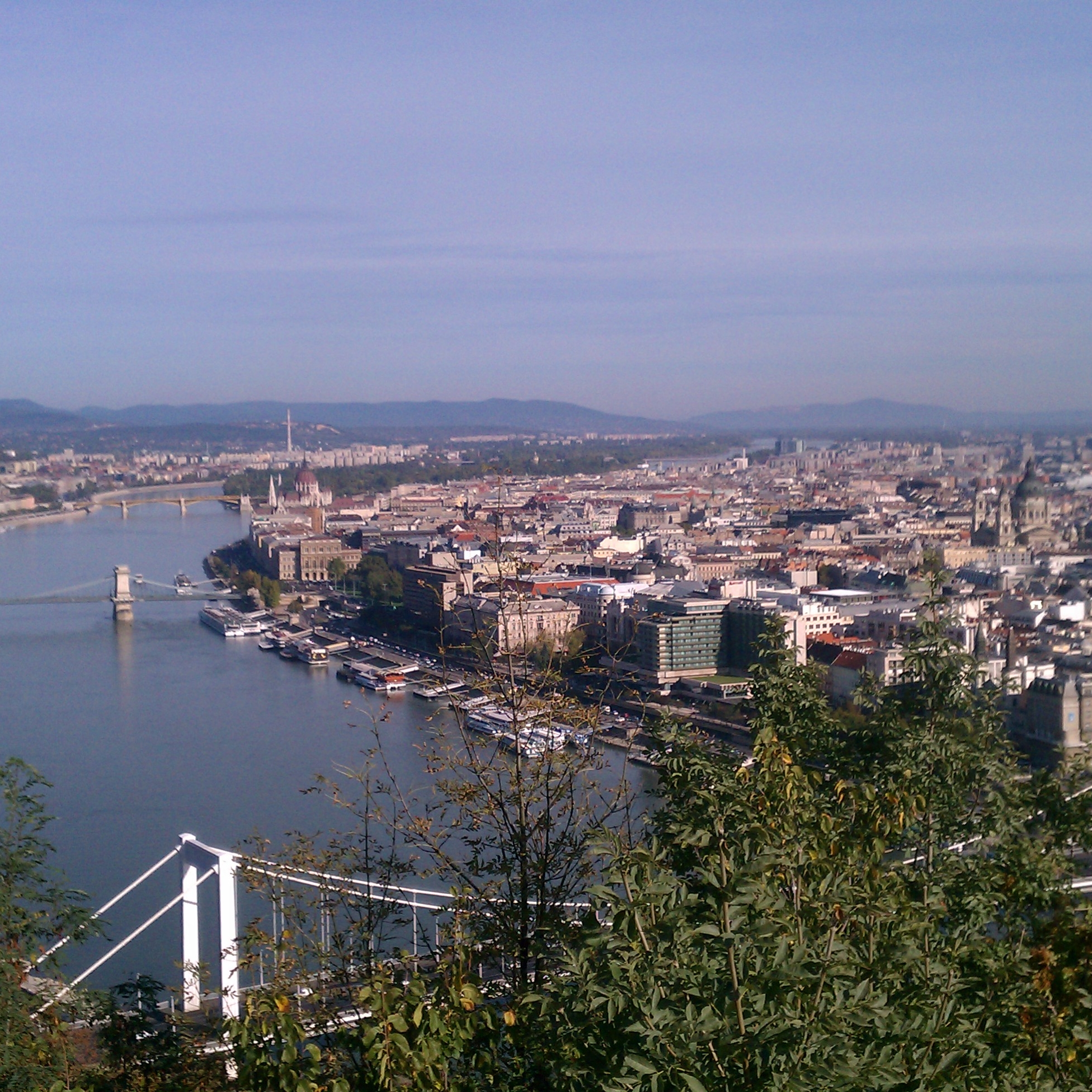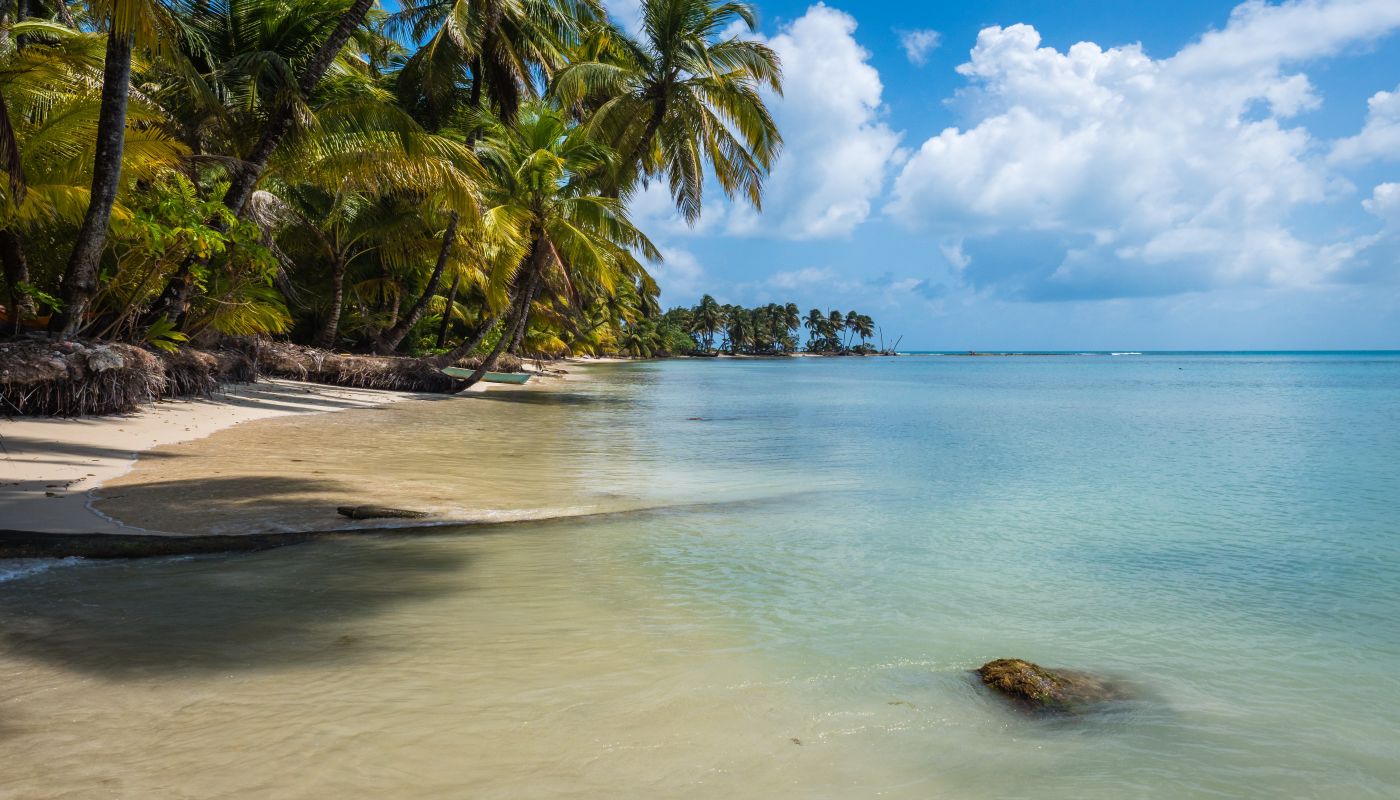
Landscape of Nicaragua
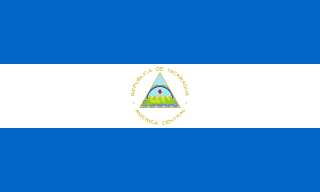
Flag of Nicaragua

Nicaragua

North America

Nicaragua’s economy is still recovering from the damage caused by Hurricane Mitch in 1998, and the government is still working to rebuild infrastructure. The coastal country exports mainly coffee, beef, gold, and sugar. The government is battling the large child labor industry present in the country as well as the lack of resources to provide quality public education. Deforestation threatens local wildlife and diminishes the natural forests.1 1 https://www.cia.gov/library/publications/the-world-factbook/geos/nu.html

What would you like to learn about in Nicaragua?

Select a section to explore the country where nonprofits are creating positive change.

About Nicaragua

The Pacific coast of Nicaragua was settled as a Spanish colony from Panama in the early 16th century. Independence from Spain was declared in 1821 and the country became an independent republic in 1838. Britain occupied the Caribbean Coast in the first half of the 19th century, but gradually ceded control of the region in subsequent decades. Violent opposition to governmental manipulation and corruption spread to all classes by 1978 and resulted in a short-lived civil war that brought the Marxist Sandinista guerrillas to power in 1979. Nicaraguan aid to leftist rebels in El Salvador caused the US to sponsor anti-Sandinista contra guerrillas through much of the 1980s. After losing free and fair elections in 1990, 1996, and 2001, former Sandinista President Daniel ORTEGA Saavedra was elected president in 2006 and reelected in 2011. The 2008 municipal elections, 2010 regional elections, November 2011 presidential elections, and 2012 municipal elections were marred by widespread irregularities. Nicaragua's infrastructure and economy - hard hit by the earlier civil war and by Hurricane Mitch in 1998 - are slowly being rebuilt, but democratic institutions have been weakened under the ORTEGA administration.

Quick Facts

Population
5,788,531 (July 2013 est.)
Area
130,370 sq km
ISO Code
NI
Continent
North America
Government
republic
Active Causes
12
View all countries in North America

Geography & Environment

Climate

tropical in lowlands, cooler in highlands

Terrain

extensive Atlantic coastal plains rising to central interior mountains; narrow Pacific coastal plain interrupted by volcanoes

Natural Resources

gold, silver, copper, tungsten, lead, zinc, timber, fish

Environmental Issues

deforestation; soil erosion; water pollution

People & Society

72.45 years
Avg. Life Expectancy
78%
Literacy Rate
57% of total population (2010)
Total Urban Population

Languages

Spanish (official) 97.5%, Miskito 1.7%, other 0.8% (1995 census)

Religions

Roman Catholic 58.5%, Protestant 23.2% (Evangelical 21.6%, Moravian 1.6%), Jehovah's Witnesses 0.9%, other 1.7%, none 15.7% (2005 census)

Health Expenditure

9.1% of GDP (2010) of GDP

Education Expenditure

4.7% of GDP (2010) of GDP

Economy

$4,500
GDP per Capita (PPP)
7.4%
Unemployment Rate
42.5% (2009)
Below Poverty Line

Economic Overview

Nicaragua, the poorest country in Central America and the second poorest in the Western Hemisphere, has widespread underemployment and poverty. The Dominican Republic-Central America-United States Free Trade Agreement (CAFTA-DR) has been in effect since April 2006 and has expanded export opportunities for many agricultural and manufactured goods. Textiles and agriculture combined account for nearly 50% of Nicaragua's exports. The ORTEGA administration's promotion of mixed business initiatives, owned by the Nicaraguan and Venezuelan state oil firms, together with the weak rule of law, could und...

Causes in Nicaragua

Environment

Deforestation is one of the largest environmental issues in Nicaragua. Around 75% of Nicaraguan forests have been repurposed for farming or pasture land.1 Furthermore, the loss of forests has exacerbated the impacts of natural disasters. In their absence, flooding and wind damage have grown more severe. Another environmental concern is the use of harmful pesticides in farming, which have been linked to a wide range of health concerns such as skin and breast cancer, miscarriages, and nervous disorders. Beyond the health impacts, the use of pesticides has contaminated fresh water sources and leeched natural nutrients from the soil.2

Family

Family structure in Nicaragua is predicated on a patriarchal system. The culture of machismo has contributed to a high rate of rape and domestic violence; nearly 70% of Nicaraguan women have been victims of violence, many as teenagers.1 Although Nicaragua passed a law in 2012 banning violence against women, the law has already been undermined by other legislation.2 Fertility is praised in Nicaraguan culture and there is great importance placed on the number of children a woman can have.3

Human Rights

The main areas of concern for human rights in Nicaragua are women’s, indigenous people’s rights, and civil rights related to the construction of the Grand Interoceanic Canal. The government passed legislation to approve the building of the canal, but human rights groups have protested the laws that don’t fully acknowledge the rights of the indigenous people. There were 55 gender-motivated killings of women in 2017, and legislation was passed that reduced what falls into the category of femicide, thereby reducing the prosecutorial power of the victims. Abortion is banned universally in the country, no matter the circumstances.1 The freedom of the press is another prominent human rights concern in Nicaraguan society. Independent media outlets have claimed that the government has used harassment, intimidation, fabricated security risks, and irregular application of libel law to limit the press’ ability to report freely.2

Education

The education system in Nicaragua is severely undermined by poverty. Primary education in Nicaragua is free and compulsory, but parents are required to pay for their children’s uniforms, books, supplies, and desks, which are costs that are often too much for many families.1 The primary school enrollment rate in Nicaragua is 94%.2 The school system suffers from budget shortages, lack of supplies, insufficient teachers and staff, and poor education policy.3 Nicaragua has the smallest education budget in Central America at 4.5% of its GDP. The adult literacy rate in Nicaragua is 83%.4

Poverty

Nicaragua is the poorest country in Central America. 30% of the population lives under the poverty line. The unemployment rate is 6.5%.1 The Borgen Project cites lack of public services such as public education and access to international markets as some of the reasons that Nicaragua remains so poor. The government has failed to create a stable economic environment. While poverty has moderately declined in recent years, natural disasters and global economic fluctuations have actually caused economic situations to worsen in certain regions.2

Religion

Nicaragua has no official state religion and its constitution provides for religious liberty. Roman Catholics makes up over 50% of the population. Evangelical Christians make up about 34% of the population and an additional 1.5% of the population is made up of Mormon, Jehovah's Witness, Amish, and Mennonite groups.The Roman Catholic Church is the most politically active religious body in Nicaragua.1 Nicaragua’s constitution provides for freedom of religion, and this is generally well enforced. Reports of religious conflict or discrimination are rare.2

Clean Water

Overall, 87% of Nicaraguans have access to improved water sources and 70% have access to improved sanitation infrastructure, yet regional disparities remain. 70% of people living in rural communities have access to safe drinking water and 55% have improved sanitation facilities.1 Over 300 children die each year in Nicaragua from diarrhea caused by waterborne diseases.2

Economy

Nicaragua is the poorest country in Central America. The economy depends primarily on agriculture. Specifically, crops such as coffee, bananas, rice, tobacco, and cotton are major exports. The unemployment rate in Nicaragua is 6.5%, while almost 30% of the population lives below the poverty line due to underemployment. The country’s public debt is 46% of its GDP, and the country’s main trade partners are the US, Mexico, and China.1 The country has property rights, but foreign investment is still hindered by the inconsistent enforcement of such laws.2

Government

The Republic of Nicaragua is a presidential democracy, but the government continues to struggle with the residual effects of the country’s tumultuous political history. 93% of Nicaragua’s business people believe corruption is a hindrance to economic productivity.1 Transparency International has ranked Nicaragua 151st out of 180 countries, while the Nicaraguan public scored their government 21 out of 100.2 Furthermore, bribery, contested elections, and alleged collusion between public officials and crime lords contribute to the lack of faith in the government and military and have led to the practice of impunity within the police force.3

Health

Life expectancy in Nicaragua is 74 years old. The maternal mortality rate is 150 deaths per 100,000 live births, while infant mortality is 18 deaths per 1,000 live births. 23% of adults are obese.1 In Nicaragua, the high risk for epidemic outbreaks and the comparatively high number of deaths from treatable diseases such as pneumonia and malaria reflect shortages in personnel and medical resources.2

Children

Child labor poses a great threat to children in Nicaragua. There are no current available statistics on child labor, but current business leaders estimate that there are between 250,000 and 320,000 children in the labor industry and that over a third of these children are under the age of fourteen.1 Over 45% of children under the age of five suffer from chronic malnutrition.2 Furthermore, roughly 22% of children suffer from stunted growth, which can lead to medical problems like obesity and diabetes later in life.3 Poverty and the lack of education are interrelated variables trapping many children in cycles of poverty.4

Animals

The ecoregion that includes Nicaragua is home to 95 species of parrots, 24 reptiles, and 23 mammals. The yellow-naped parrot, panama flycatcher, and black-bellied plover are native birds in the area, and some local mammals are the white-faced capuchin, pygmy anteater, nine banded armadillo, and Central American otter. Threats to these species include erosion due to intense rainfall on soil that has been exposed by deforestation. There are also concerns about urban encroachment and contamination from pesticide runoff.1

Nonprofits Working in Nicaragua

Discover organizations making a difference in Nicaragua

Make Your Impact Today

Discover causes you care about and support the nonprofits making a difference in communities around the world.

Are you a nonprofit? Join Project World Impact for free

Join Us Free