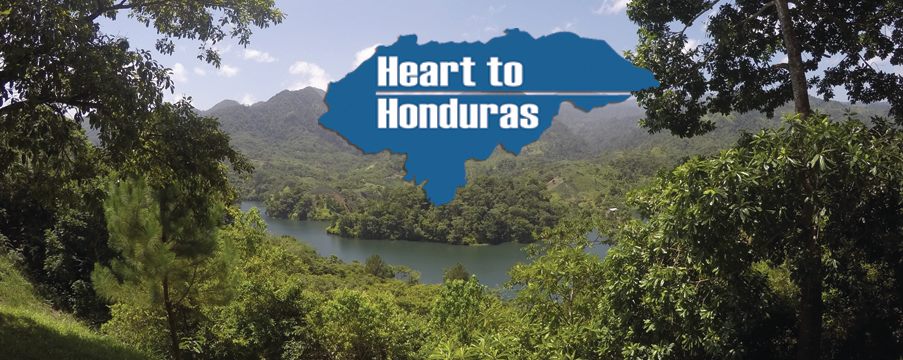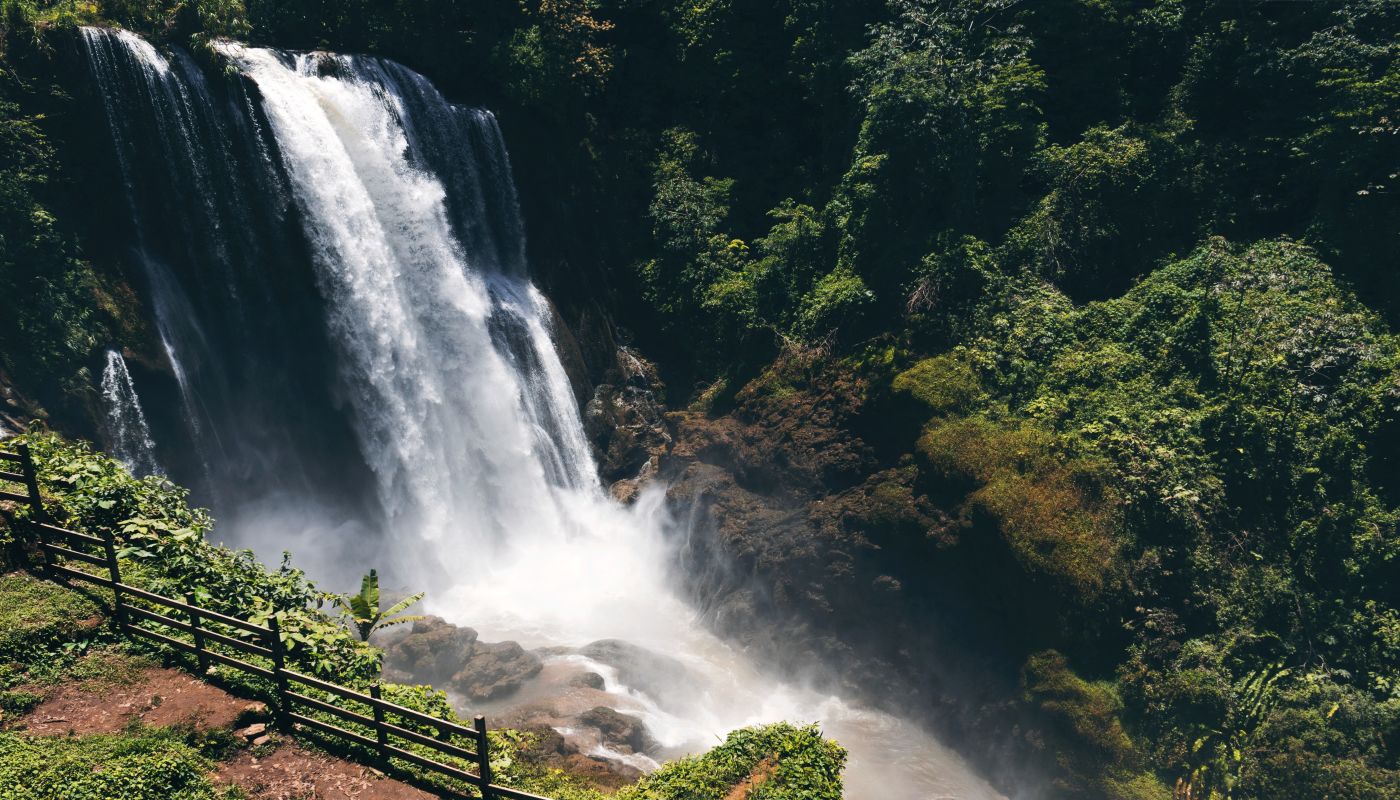
Landscape of Honduras
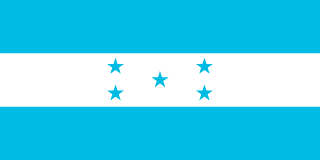
Flag of Honduras

Honduras

North America

Honduras is reported to be one of the most dangerous countries for activists and human rights defenders; violence is rampant and largely goes unpunished. Thousands of people flee the country each year to escape dangerous living situations. The country is economically unstable and is lacking in economic growth. There is a large amount of gang activity and many children are at risk for being recruited to gangs. The Caribbean coast of Honduras is especially susceptible to hurricanes and extreme weather.1 1 https://www.cia.gov/library/publications/the-world-factbook/geos/ho.html

What would you like to learn about in Honduras?

Select a section to explore the country where nonprofits are creating positive change.

About Honduras

Once part of Spain's vast empire in the New World, Honduras became an independent nation in 1821. After two and a half decades of mostly military rule, a freely elected civilian government came to power in 1982. During the 1980s, Honduras proved a haven for anti-Sandinista contras fighting the Marxist Nicaraguan Government and an ally to Salvadoran Government forces fighting leftist guerrillas. The country was devastated by Hurricane Mitch in 1998, which killed about 5,600 people and caused approximately $2 billion in damage. Since then, the economy has slowly rebounded.

Quick Facts

Population
8,448,465 (July 2013 est.)
Area
112,090 sq km
ISO Code
HN
Continent
North America
Government
democratic constitutional republic
Active Causes
12
View all countries in North America

Geography & Environment

Climate

subtropical in lowlands, temperate in mountains

Terrain

mostly mountains in interior, narrow coastal plains

Natural Resources

timber, gold, silver, copper, lead, zinc, iron ore, antimony, coal, fish, hydropower

Environmental Issues

urban population expanding; deforestation results from logging and the clearing of land for agricultural purposes; further land degradation and soil erosion hastened by uncontrolled development and im...

People & Society

70.81 years
Avg. Life Expectancy
85.1%
Literacy Rate
52% of total population (2010)
Total Urban Population

Languages

Spanish (official), Amerindian dialects

Religions

Roman Catholic 97%, Protestant 3%

Health Expenditure

6.8% of GDP (2010) of GDP

Education Expenditure

NA of GDP

Economy

$4,700
GDP per Capita (PPP)
4.5%
Unemployment Rate
60% (2010 est.)
Below Poverty Line

Economic Overview

Honduras, the second poorest country in Central America, suffers from extraordinarily unequal distribution of income, as well as high underemployment. While historically dependent on the export of bananas and coffee, Honduras has diversified its export base to include apparel and automobile wire harnessing. Nearly half of Honduras's economic activity is directly tied to the US, with exports to the US accounting for 30% of GDP and remittances for another 20%. The US-Central America-Dominican Republic Free Trade Agreement (CAFTA-DR) came into force in 2006 and has helped foster foreign direct in...

Causes in Honduras

Environment

Honduras is highly vulnerable to extreme hurricanes and flooding on the Caribbean coast. There are also many earthquakes in the area, although they are typically minor.1 The country has been labeled the most dangerous country in the world for environmentalist activists; there were 101 murders of environmental activists from 2010 to 2014. Global Witness cites the high demand of natural resources by the Global North as the source of much of the violence in developing countries.2 Many of the country’s shanty towns are cut off from clean water and other resources after excessive flooding or landslides.3 Honduras’ coffee crops have been recently devastated by “La Roya,” a fungal disease exacerbated by climate change. There are signs that the airborne fungal disease is returning, as coffee plants previously impervious to the disease are becoming infected.4

Family

Women suffer from abuse in many areas of the Honduran culture. The “machismo” culture of male dominance, drug abuse, and violence contributes to high domestic abuse rates and femicide. Between January and June of 2016, 227 women were killed. In this same time frame there were also 1,500 attacks and 1,400 cases of sexual violence against women. Abortion is a crime even if the pregnancy is threatening the health of the mother.1 1 in 6 women report instances of domestic abuse or sexual violence. The number of violent deaths of women in Honduras increased over 250% from 2005 to 2013. Additionally, 95% of perpetrators of domestic violence or gender violence receive impunity.2

Human Rights

A truth commission was established in 2011 with the hopes that people in authority who were responsible for violations would be brought to justice, but the military was very active in obstructing justice and only one policeman has been punished as a result. Honduras’ homicide rate has continued to rise and, in 2013, Honduras had the highest homicide rate in the world.1 There are many refugees fleeing the country in an attempt to escape pervasive violence. Those who are deported from Mexico and the US back to Honduras reported no improvement in conditions since they left. Honduras has been labeled as one of the most dangerous countries for human rights defenders. More than 90% of all violence against these people went unpunished.2

Education

It takes an average of nine years for students to complete the first six years of free and compulsory education (primary school). Less than 32% of students complete these years of schooling without repeating a year. There are 11 universities in Honduras, but all are located in urban settings, depriving many rural students of the opportunity to receive a tertiary education.1 The literacy rate in Honduras is 89%. The government spends 6% of GDP on education.2

Poverty

Poverty is one of the most pervasive issues in Honduras. The Honduran population is growing at a much faster rate than the economy, and the government has been unable to keep up with the rising rate of poverty among its citizens. Income distribution is unequal and the GDP per capita remains very low in comparison with the country’s neighbors.1 Rural women are the most vulnerable group of people in the country to poverty.2 The unemployment rate is 6%, and 30% of the population lives below the poverty line.3

Religion

The Honduran population is 46% Catholic and 41% Protestant. A small percentage of the population is either unspecified or follows another religion.1 The Honduran constitution provides and generally protects freedom of religion.2 Honduras has no state religion but, until, the Catholic church was the only officially recognized religious group. Religious conflict is rare, although some instances of religious discrimination do occur.3

Clean Water

Since Honduras is one of the least developed countries in Central America, there is a severe lack of access to clean water. 16% of rural populations do not have access to improved drinking water, and 22% have no access to improved sanitation infrastructure.1 Families often draw contaminated water from untreated wells and springs, contributing to acute levels of diarrhea and malnutrition, particularly in children. Women have the primary responsibility of collecting water, and some women spend as many as six hours a day traveling to water sources and drawing water.2

Economy

The per capita GDP for Honduras was only $5,500 in 2017. The country suffers from income disparity and a high unemployment rate of 6%. Honduras’ top trade partners are the US, China, and Germany.1 Since 2013, Honduras has seen only marginal increases in GDP and economic outputs. Since around 1985, the economic freedom of Honduras has remained unchanged and it is still categorized as mostly unfree. The government has grossly mismanaged public spending and has not enforced rule of law, which has undermined institutional reforms. The country’s economy depends largely on coffee and banana exports and has diversified in recent years to include a tourism sector, shrimp, and melon exports.2

Government

The Republic of Honduras is a presidential republic in which the president is both the chief of state and the head of government.1 The Honduran government has a long history of corruption and underhanded dealings. The violence from drug cartels and gangs has not been properly controlled by the justice system, and they are largely permitted to act with impunity. The court system is very inefficient and court cases take years to resolve.2 Transparency International ranked Honduras 135 out of 180 countries for perceived corruption, while the public scored their public officials 29 of 100.3

Health

The overall life expectancy in Honduras is 71 years of age. The most common cause of premature death in the country is homicide or death from gang-related violence, with 87 murders per 100,000 people each year. Sexual violence threatens both the physical and mental health of almost 21.5% of all Honduran girls between the ages of 15 and 19.1 The maternal mortality rate is 129 deaths per 100,000 live births, and infant mortality is 17 deaths per 1,000 live births. 8.7% of GDP is spent on healthcare. 21% of adults are obese, and 7% of children under the age of 5 are underweight.2

Children

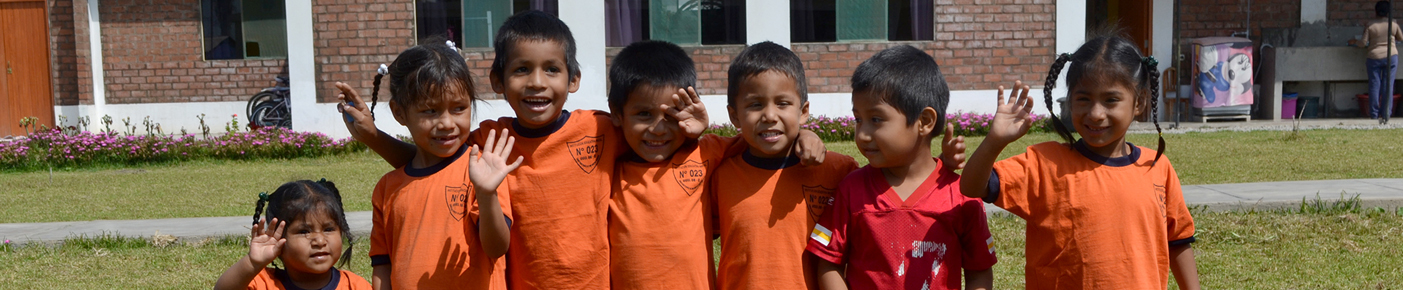
Honduran children are at extremely high risk of being recruited into violent gangs. Gang violence is a pervasive problem in Honduras and has contributed to the country having the third highest homicide rate in the world. Gang recruitment has led to a surge in the number of Honduran children fleeing the country and attempting to enter the United States.1 UNICEF has drafted recommendations for those involved with children’s services, emphasizing the necessity for fiscal responsibility and allocation of more funds to child protective services. The organization is working with the government to create policies that will increase the rights and protections of children.2

Animals

The neotropical region that contains Honduras is home to vast grasslands that are often flooded during rainy seasons. There are also a variety of mangroves and tree species to be found in the mostly tropical coastal climate. Local species include the black-bellied whistling duck, the mangrove warbler, and the green macaw. The forests are also home to the black mantled howler monkey, giant anteater, jaguar, American crocodile, leatherback turtle, and the Mexican python. These species are threatened by agricultural expansion, drainage of wetlands for farming, and diversion of natural water flows. There are also issues caused by overfishing and overhunting.1

Nonprofits Working in Honduras

Discover organizations making a difference in Honduras

NPH USA

NPH USA

NPH USA transforms the lives of orphaned, abandoned and disadvantaged children in Latin America and the Caribbean by supporting the homes, healthcare and educational programs of Nuestros Pequeños Hermanos (NPH, Spanish for "Our Little Brothers and Sisters"). Together, we create families for life and teach children the values of unconditional love, shared responsibility and helping others. Our donors help children overcome poverty and become leaders in their own communities. Since its founding in 1954, NPH has assisted more than 20,000 children and is currently raising more than 3,400 boys and girls in Bolivia, the Dominican Republic, El Salvador, Guatemala, Haiti, Honduras, Mexico, Nicaragua and Peru. An additional 1,600 students who live outside the homes receive scholarships, meals and health care. NPH outreach programs provided over 95,000 services in 2014.

Chicago, Illinois

Make Your Impact Today

Discover causes you care about and support the nonprofits making a difference in communities around the world.

Are you a nonprofit? Join Project World Impact for free

Join Us Free