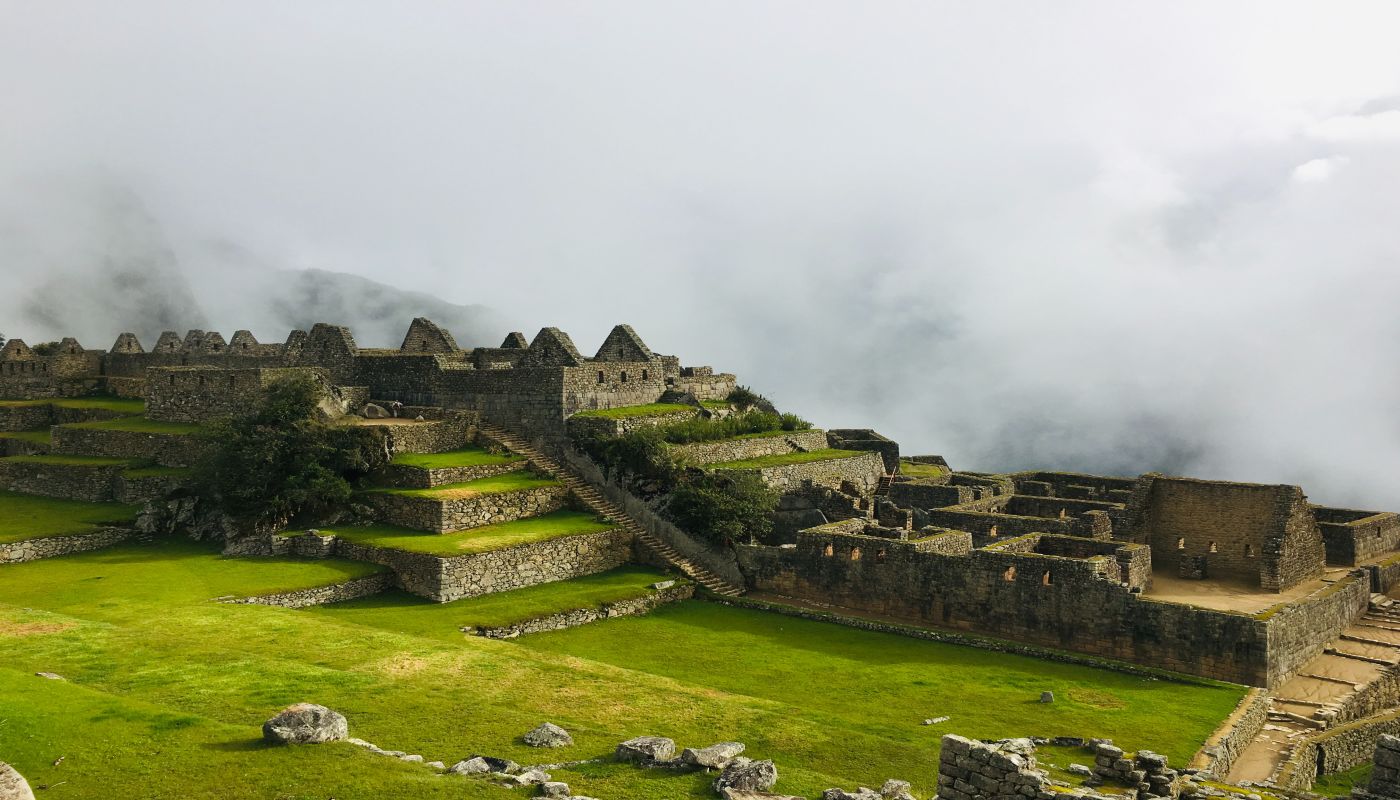
Landscape of Peru
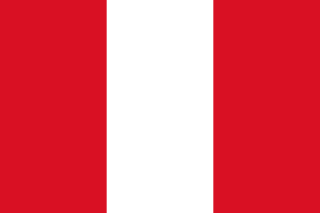
Flag of Peru

Peru

South America

Peru is home to one of the highest performing economies in Latin America. The country has a history of authoritarian rulership, but is now a presidential republic. The government has a lack of protections for human rights, especially those related to freedom of speech and expression. There have been reports of torture, harassment, and intimidation carried out by police forces and government authorities. The historically high national poverty level has dropped significantly in recent years. Peru’s rich forests are endangered by human activities and land development.1 https://www.cia.gov/library/publications/the-world-factbook/geos/pe.html

What would you like to learn about in Peru?

Select a section to explore the country where nonprofits are creating positive change.

About Peru

Ancient Peru was the seat of several prominent Andean civilizations, most notably that of the Incas whose empire was captured by Spanish conquistadors in 1533. Peruvian independence was declared in 1821, and remaining Spanish forces were defeated in 1824. After a dozen years of military rule, Peru returned to democratic leadership in 1980, but experienced economic problems and the growth of a violent insurgency. President Alberto FUJIMORI's election in 1990 ushered in a decade that saw a dramatic turnaround in the economy and significant progress in curtailing guerrilla activity. Nevertheless, the president's increasing reliance on authoritarian measures and an economic slump in the late 1990s generated mounting dissatisfaction with his regime, which led to his ouster in 2000. A caretaker government oversaw new elections in the spring of 2001, which installed Alejandro TOLEDO Manrique as the new head of government - Peru's first democratically elected president of indigenous Quechuan ethnicity. The presidential election of 2006 saw the return of Alan GARCIA Perez who, after a disappointing presidential term from 1985 to 1990, oversaw a robust economic rebound. In June 2011, former army officer Ollanta HUMALA Tasso was elected president, defeating Keiko FUJIMORI Higuchi, the daughter of Alberto FUJIMORI. Since his election, HUMALA has carried on the sound, market-oriented economic policies of the three preceding administrations.

Quick Facts

Population
29,849,303 (July 2013 est.)
Area
1,285,216 sq km
ISO Code
PE
Continent
South America
Government
constitutional republic
Active Causes
12
View all countries in South America

Geography & Environment

Climate

varies from tropical in east to dry desert in west; temperate to frigid in Andes

Terrain

western coastal plain (costa), high and rugged Andes in center (sierra), eastern lowland jungle of Amazon Basin (selva)

Natural Resources

copper, silver, gold, petroleum, timber, fish, iron ore, coal, phosphate, potash, hydropower, natural gas

Environmental Issues

deforestation (some the result of illegal logging); overgrazing of the slopes of the costa and sierra leading to soil erosion; desertification; air pollution in Lima; pollution of rivers and coastal w...

People & Society

72.98 years
Avg. Life Expectancy
89.6%
Literacy Rate
77% of total population (2010)
Total Urban Population

Languages

Spanish (official) 84.1%, Quechua (official) 13%, Aymara (official) 1.7%, Ashaninka 0.3%, other native languages (includes a large number of minor Ama...

Religions

Roman Catholic 81.3%, Evangelical 12.5%, other 3.3%, unspecified or none 2.9% (2007 Census)

Health Expenditure

5.1% of GDP (2010) of GDP

Education Expenditure

2.6% of GDP (2011) of GDP

Economy

$10,900
GDP per Capita (PPP)
6.8%
Unemployment Rate
27.8% (2011 est.)
Below Poverty Line

Economic Overview

Peru's economy reflects its varied geography - an arid lowland coastal region, the central high sierra of the Andes, the dense forest of the Amazon, with tropical lands bordering Colombia and Brazil. A wide range of important mineral resources are found in the mountainous and coastal areas, and Peru's coastal waters provide excellent fishing grounds. The Peruvian economy has been growing by an average of 6.4% per year since 2002 with a stable/slightly appreciating exchange rate and low inflation, which in 2013 is expected to be below the upper limit of the Central Bank target range of 1 to 3%....

Causes in Peru

Environment

Peru’s rich rainforests are threatened by illegal logging, deforestation, and agricultural expansion, along with suffering from air pollution created by the sluggish transportation system that creates unnecessary traffic and congestion in urban areas. Nearly 715 hectares of forest are lost each day. Water pollution from sewage, oil-drilling, and other waste cause dangers to drinking supply and other water sources.1 Recently, the Peruvian government has invested in infrastructure and urban transportation in an attempt to curb the sharp upward trend of carbon dioxide emissions. Peru’s 6,000 indigenous species of plant and animal life are in danger because of extensive hunting and destruction of the environment.23

Family

In Peru, marriages are chosen by the couples themselves, though many couples choose to simply live together because marriage ceremonies can be expensive. Currently, the structure of family in Peru is very influenced by the beliefs of the Catholic church. Because of this, only heterosexual marriage is legal, and remarriage after divorce is legal but socially discouraged.1 One salient issue with the patriarchal system in Peru is the lack of women’s individual rights within the family. Additionally, two thirds of married or formerly married Peruvian women report psychological or verbal abuse from their partners. Many cases of domestic abuse continue to go unreported.234

Human Rights

Torture, especially perpetrated by police forces, is a significant human rights violation that Peruvians face. There are significant restrictions on the freedom of the Peruvian press, which has, in turn, limited the ability of torture victims to get justice. The courts have put journalists in prison and given them hefty fines for revealing truths about influential people. Protesters against human rights violations risk violent harassment and abuse, and rarely are successful in obtaining justice through the legal system. Among those who are discriminated against are women, children, indigenous people, and people with disabilities. A court can rule a disabled person as “incompetent” and revoke their rights, such as voting, and place them with caretakers. Assistance programs for drug abusers also violate human rights, such as allowing involuntary committal to treatment centers. These centers are often inadequately maintained, and are potentially dangerous to their patients.1 Women suffer from a variety of abuses, including sex trafficking, physical abuse, and unavailability of reproductive care.2 Additionally, two-thirds of married or formerly married Peruvian women report psychological or verbal abuse from their partners.34

Education

Education in Peru consists of pre-primary school, primary school, and secondary school, which ends around age 15. Peru’s primary education enrollment rates are very high, at over 90 percent for both boys and girls, with girls’ enrollment rates higher than males at all ages. 1 In Peru, the government has been increasingly investing resources into the education system, as well as expanding education coverage.2 However, child labor continues to hinder the efforts of the government to get children into schools, since children often provide income necessary to keep the family alive. More challenges arise in expanding education access to indigenous and very rural populations.3 The national literacy rate is high, considering the difficulties with education, and remains around 95%.4

Poverty

Peru is a developing country whose GDP per capita has been showing increased growth in recent years. The percentage of Peruvians living below the poverty line has sharply decreased since its peak in 2004, and the population has been steadily increasing. Even though the government officially reports that less than one third of the total population lives under the poverty line, millions still live in destitution.1 Poverty continues to be a modern issue in Peru, especially among indigenous peoples and in agricultural areas. The poverty rate is the highest in rural areas, especially in the destitute Sierra region. The national infrastructure for agriculture and transportation is poor, which is partly why there are so many people living below the poverty line.23

Religion

Peru allows religious freedom for its citizens and the government generally respects the freedom of religious practices.1 The majority, 81%, of Peru’s population is Roman Catholic. The rest of Peru’s population is divided three ways; 12% Evangelical, 3.3% other, and 2% nonreligious.2 The remainder mostly follows other Christian traditions, although Mormonism, Islam, and Judaism are all present in small numbers. Some indigenous groups practice a religion of syncretism with Catholicism and traditional beliefs. Although different religious groups tend to exist peacefully in Peru, research suggests that the Catholic church receives some preferential treatment, especially in taxation.3

Clean Water

Many people living in poverty in Peru struggle to access clean water. Around 87% of Peruvians do not have access to potable water and over 76% do not have access to adequate sanitation infrastructure. Thus, many are forced to turn to untreated natural water sources for their water supply. These risks are heightened during years when increased flooding causes land contamination to directly enter the water system, instead of filtering through the ground. This leads to water-borne disease and other health risks, such as the devastating cholera epidemic of the 1990’s which killed over 3,000 people.1 Diarrhea is the second leading cause of death of children under 5 in the world, and developing countries like Peru are particularly vulnerable to these waterborne diseases without adequate sanitation structures.234

Economy

After the resolution of internal conflict in 2000, Peru’s GDP, general life expectancy, and population have all been steadily increasing. Peru can also claim relative macroeconomic stability, and a substantial reduction of poverty and debt. Reforms in trade openness and other areas have been significant in bringing the economy to its current strength.1 The economy continues to grow quickly, especially in the service sector, which is responsible for 60% of the GDP. Other important industries include manufacturing and agriculture. Agriculture is responsible for only 7% of the GDP, but accounts for nearly a quarter of the labor force although services like trade, transport and communications, and government services still make up the majority of the growth. The overall stability of Peru’s economy is helping the country reach development indicators, with declining poverty being one of the most important benefits for the Peruvian people.2 In recent years, the unemployment rate has hovered around 6%.3

Government

The Republic of Peru is a constitutional republic, and the president serves as both the head of government and the Chief of State. Both the Congress, which contains 130 members, and the president serve 5-year terms.1 Historically, Peruvians have struggled against corruption and unequal representation in their government, which has in turn led to civil unrest, despite rapidly declining poverty rates and recent peaceful power transfers.2 Inequality in Peru has not noticeably improved, and minority groups continue to be marginalized. Corruption and scandalous behavior by public officials have created an environment of mistrust between the people and their government. Peru has had a tumultuous past, with multiple coups and government turnovers leading to social and political instability. Between the years of 1980 and 2000, Peru was plagued by internal armed conflict. The government’s Truth and Reconciliation Commission is still trying to work through the disappearances and deaths that occurred during that time period.345

Health

Peru recently adopted a 15-year plan referred to as Sustainable Development Goals coordinated by the United Nations. These goals focus on reduction of poverty and social inclusion, in the interest of improving health and sanitation in the country. Infant mortality has been reduced, as well as the overall rate of chronic malnutrition. Peru has made significant efforts to provide health insurance for its citizens and extend coverage to the majority of the population. As of 2014, 5.5% of Peru’s GDP was being spent on health care. Leading causes of mortality in Peru include respiratory infections, heart diseases, and strokes. 1 Peru’s health care system is run by five different groups. These include the Ministry of Health, a government group which serves 60% of the population, EsSalud, the Armed Forces, the Police, and the private sector. These independent groups lack coordination, which results in overlap and inefficiency of health care distribution.234

Children

Children and adolescents are most affected by poverty in Peru, with disparity between regions and ethnic groups.1 Children struggle with starvation, mainly based on where they live; malnutrition rates are sometimes three times as high in rural areas compared to cities.2 Domestic violence is a major issue as well. Peru has the highest rate of sexual abuse in Latin America and 78% of sexual abuse victims are minors.3 The public institution National Secretariat for Youth is in charge of implementing policies and action plans that will improve the Peruvian situation for children in Peru. This institution will be acting under the National Action Plan for Childhood and Adolescence until 2021. Contrasting problems that have yet to be resolved are child labor and high unemployment rates of people ages 15-24.45

Animals

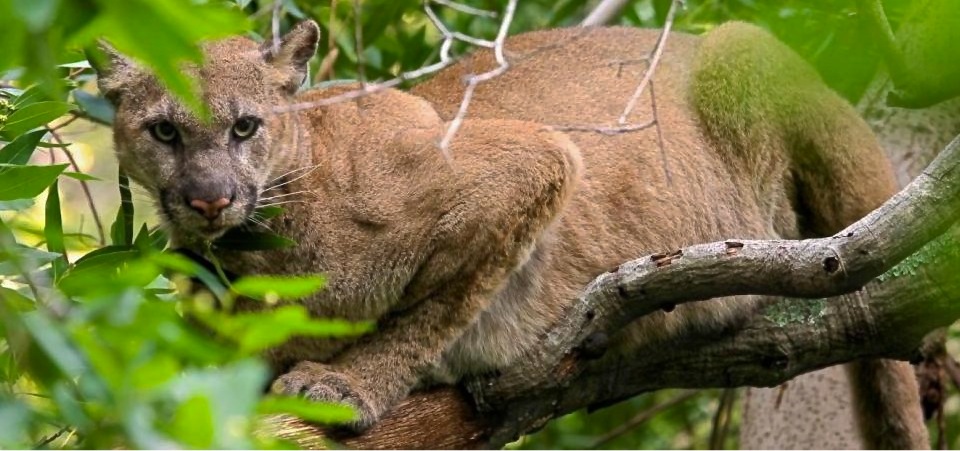
The Amazon makes up nearly all of Peru. The forest contains a wide variety of tropical plant and animal life, most notably the macaw, jaguar, poison dart frog, amazon river dolphin, and the black spider monkey. There are over 40,000 plant species and more than 370 types of reptiles. The ecosystem is threatened by poorly planned infrastructure and illegal natural resource extraction such as logging, gold mining, and oil exploration. Additionally, much of the forest has been clear-cut in order to make room for soybean plantations and cattle farms.1

Nonprofits Working in Peru

Discover organizations making a difference in Peru

NPH USA

NPH USA

NPH USA transforms the lives of orphaned, abandoned and disadvantaged children in Latin America and the Caribbean by supporting the homes, healthcare and educational programs of Nuestros Pequeños Hermanos (NPH, Spanish for "Our Little Brothers and Sisters"). Together, we create families for life and teach children the values of unconditional love, shared responsibility and helping others. Our donors help children overcome poverty and become leaders in their own communities. Since its founding in 1954, NPH has assisted more than 20,000 children and is currently raising more than 3,400 boys and girls in Bolivia, the Dominican Republic, El Salvador, Guatemala, Haiti, Honduras, Mexico, Nicaragua and Peru. An additional 1,600 students who live outside the homes receive scholarships, meals and health care. NPH outreach programs provided over 95,000 services in 2014.

Chicago, Illinois

Make Your Impact Today

Discover causes you care about and support the nonprofits making a difference in communities around the world.

Are you a nonprofit? Join Project World Impact for free

Join Us Free