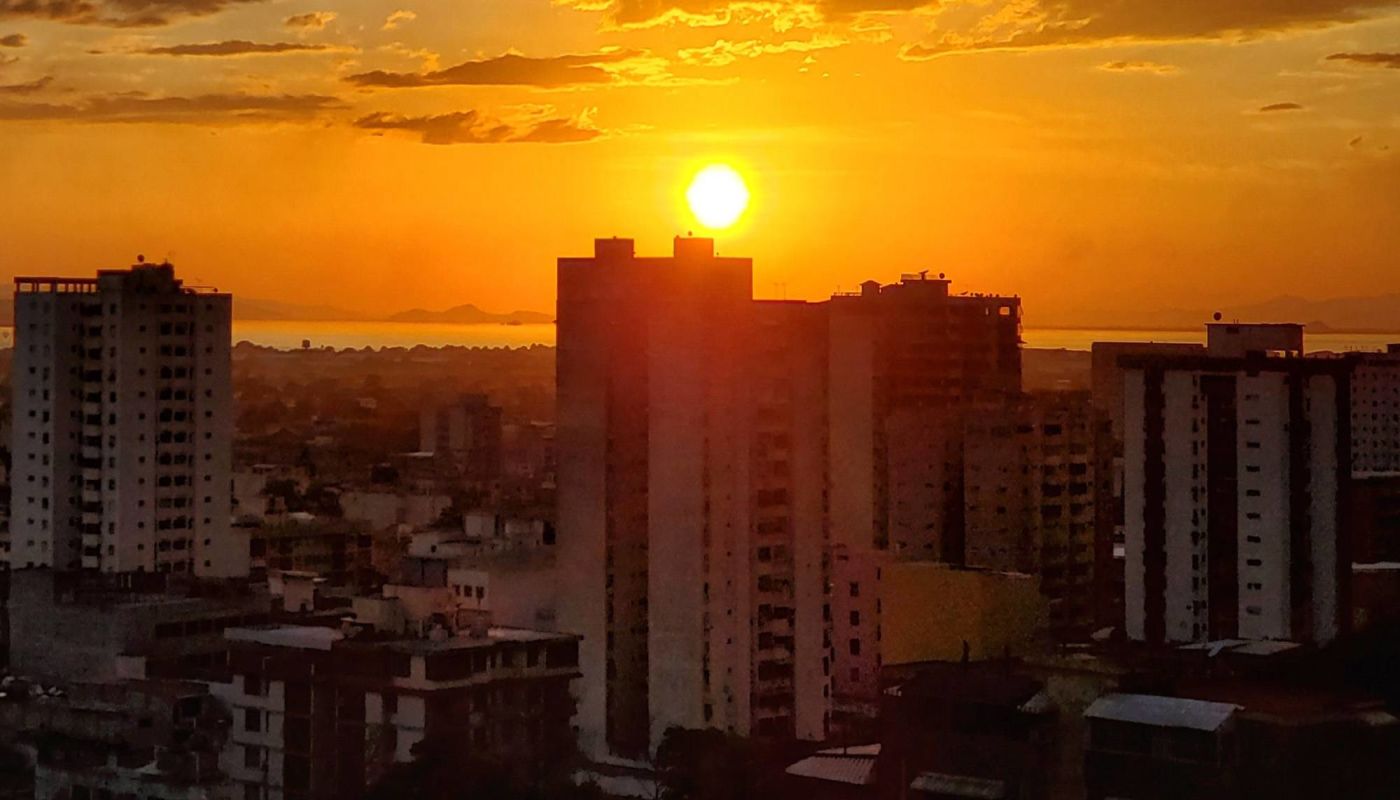
Landscape of Venezuela
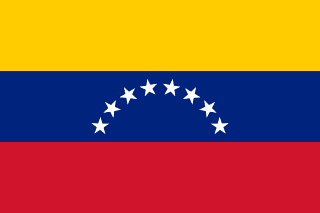
Flag of Venezuela

Venezuela

South America

Since 2015, Venezuela has been undergoing a severe economic downturn, mostly due to poor government policies. This has caused poverty to escalate and food shortages to become commonplace.1 The fall of the economy has been coupled with the rise of violent crime, and in capital city Caracas—there were 60 homicides a day in 2016.2 Even with this economic crisis, Venezuela remains one of the largest oil producing countries in the world.1 1 https://www.cia.gov/library/publications/resources/the-world-factbook/geos/ve.html
2 http://www.businessinsider.com/r-venezuela-says-murders-soared-to-60-per-day-in-2016-2017-3

What would you like to learn about in Venezuela?

Select a section to explore the country where nonprofits are creating positive change.

About Venezuela

Venezuela was one of three countries that emerged from the collapse of Gran Colombia in 1830 (the others being Ecuador and New Granada, which became Colombia). For most of the first half of the 20th century, Venezuela was ruled by generally benevolent military strongmen, who promoted the oil industry and allowed for some social reforms. Democratically elected governments have held sway since 1959. Hugo CHAVEZ, president from 1999 to 2013, sought to implement his "21st Century Socialism," which purported to alleviate social ills while at the same time attacking capitalist globalization and existing democratic institutions. Current concerns include: a weakening of democratic institutions, political polarization, a politicized military, rampant violent crime, overdependence on the petroleum industry with its price fluctuations, and irresponsible mining operations that are endangering the rain forest and indigenous peoples.

Quick Facts

Population
28,459,085 (July 2013 est.)
Area
912,050 sq km
ISO Code
VE
Continent
South America
Government
federal republic
Active Causes
12
View all countries in South America

Geography & Environment

Climate

tropical; hot, humid; more moderate in highlands

Terrain

Andes Mountains and Maracaibo Lowlands in northwest; central plains (llanos); Guiana Highlands in southeast

Natural Resources

petroleum, natural gas, iron ore, gold, bauxite, other minerals, hydropower, diamonds

Environmental Issues

sewage pollution of Lago de Valencia; oil and urban pollution of Lago de Maracaibo; deforestation; soil degradation; urban and industrial pollution, especially along the Caribbean coast; threat to the...

People & Society

74.23 years
Avg. Life Expectancy
95.5%
Literacy Rate
93% of total population (2010)
Total Urban Population

Languages

Spanish (official), numerous indigenous dialects

Religions

nominally Roman Catholic 96%, Protestant 2%, other 2%

Health Expenditure

4.9% of GDP (2010) of GDP

Education Expenditure

3.6% of GDP (2007) of GDP

Economy

$13,800
GDP per Capita (PPP)
7.8%
Unemployment Rate
31.6% (2011 est.)
Below Poverty Line

Economic Overview

Venezuela remains highly dependent on oil revenues, which account for roughly 95% of export earnings, about 45% of federal budget revenues, and around 12% of GDP. Fueled by high oil prices, record government spending helped to boost GDP growth by 4.2% in 2011, after a sharp drop in oil prices caused an economic contraction in 2009-10. Government spending, minimum wage hikes, and improved access to domestic credit created an increase in consumption which combined with supply problems to cause higher inflation - roughly 26% in 2011 and 21% in 2012. President Hugo CHAVEZ's efforts to increase the...

Causes in Venezuela

Environment

Venezuela faces major environmental issues pertaining to pollution, deforestation, and diminishing biodiversity. The country also is under threat of rapid deforestation, with more than 290,000 hectares of forests getting destroyed each year.1 Other environmental issues throughout the country include sewage pollution, overfishing, and threats to the rainforest ecosystem due to poor mining practices.2 Venezuela is ranked ninth in the world for biodiversity and is home to 15,820 species of plants and 137,000 animal species.2

Family

Families in Venezuela are typically smaller and fairly patriarchal.1 In 2016, 87% of Venezuelans reported not having enough money to purchase food for their families because of the astronomical price of food.2 Men disproportionately hold positions at the top of companies and in the government, and rape and domestic abuse are still common and rarely reported.3

Human Rights

Government violence and police brutality pose serious threats to the human rights of Venezuelans.1 Anti-government protests are often met with physical injury from security forces, and punishments for participating in these protests can result in serious injury or torture.1 There are severe shortages for food and life saving medical supplies, and the government does not protect these most basic rights of its citizens.2

Education

Basic education is required for children aged 6 to 15, but secondary education is not compulsory.1 The quality of secondary education institutions is inconsistent, so many middle and upper class families send their children to private school.1 Of those individuals who complete secondary education, only 25% attend institutions for higher education.1 Despite these challenges, literacy rates are high in Venezuela at 95%.2

Poverty

Although the oil industry has helped to stimulate the economy of Venezuela, the money is not evenly distributed amongst social classes.1 Although statistical data has not been collected since the economic disaster began, experts estimate that over 60% of Venezuelans live in poverty and that this rate is even higher in rural areas.2 Homelessness has also become a serious problem in Venezuela. While there have been promises of building houses, there has been little delivery upon these words.3

Religion

Catholicism is the primary religion in Venezuela, with more than 90% of people practicing.1 However, Protestantism is growing within the country. There are also minority populations of Jewish, Muslim, and indigenous peoples who are able to practice freely.1 Although religious freedom is largely guaranteed within Venezuela, there have been incidents where tensions have arisen between the church and the government when religious leaders have criticized government officials.2

Clean Water

Although Venezuela boasts of an abundance of water sources, including more than 520 rivers, these resources do not reach the majority of Venezuelan households whose tap water is notoriously unreliable.1 Although Venezuela is said to provide 95% of its population with access to drinking water and 93% with access to sanitation services, blackouts and water cuts have been occurring in Caracas and urban cities due to a lack of funding to support basic water sanitation infrastructure.2

Economy

Venezuela has the largest oil reserves in the world, and oil revenues makes up 96% of the country’s GDP.1 However, beginning in 2015, Venezuela fell into a severe economics crisis, and in 2016, inflation rates reached 720%.1 This high inflation was caused by increased government spending and raising the minimum wage.1 The unemployment rate rises each year, and in 2016 it was at 20%.2The country’s economy is largely controlled by the government, and it discourages foreign investments and interferes with business endeavors.3

Government

Venezuela faces limited political freedom and vast corruption under President Nicolas Maduro, the successor of Hugo Chávez.1 During his term in office, there has been a deterioration of democratic practices and increased government control and corruption.1 The regime is notorious for accepting bribes and arbitrarily arresting political opponents.2 Food scarcity, inflation, and violence within Venezuela’s capital city, Caracas, have increased significantly.2

Health

The life expectancy at birth is 76 years, and the leading causes of death are heart disease, interpersonal violence, and street injuries.1 Venezuela’s health care system is crumbling due to the economic crisis. Hospitals are overcrowded and lack trained doctors, and there is an 80% shortage of medicines and medical supplies.2 Another major health concern pertains to drug use. Since the majority of the population is in the northernmost regions of the country, the largely uninhabited West has become an ideal territory for drug traffickers.3 Cocaine is the drug of choice and although the majority of the drugs are taken to the United States for consumption, a large portion remain in Venezuela.3

Children

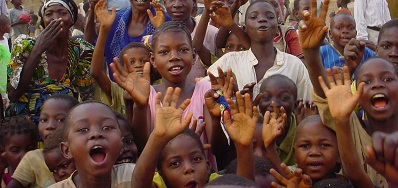
Children in Venezuela face extreme poverty, lack of education, sexual exploitation, and violence. Children represent a large portion of the population, as 28% of Venezuelans are under 14 years old.1 Child labor is also a continuing issue in Venezuela, where children continue to be involved with dangerous sectors like agriculture.2 Because of the crippling economic conditions, some families are abandoning their children in order to survive.3 In addition, girls in particular are at risk of being trafficked within the country and sent to urban areas, such as Caracas, or to resort destinations for labor or sexual exploitation.2

Animals

Domesticated animals and animals in zoos are subject to much neglect and starvation because there is a lack of food in the country. There were 200 dead animals found in zoos in 2016.1 Wildlife in Venezuela varies because of their tropical coastline and rainforest and the Andes mountain range. There are monkeys, wolves, squirrels, and rarer animals like chinchillas and capybaras.2

Nonprofits Working in Venezuela

Discover organizations making a difference in Venezuela

Make Your Impact Today

Discover causes you care about and support the nonprofits making a difference in communities around the world.

Are you a nonprofit? Join Project World Impact for free

Join Us Free