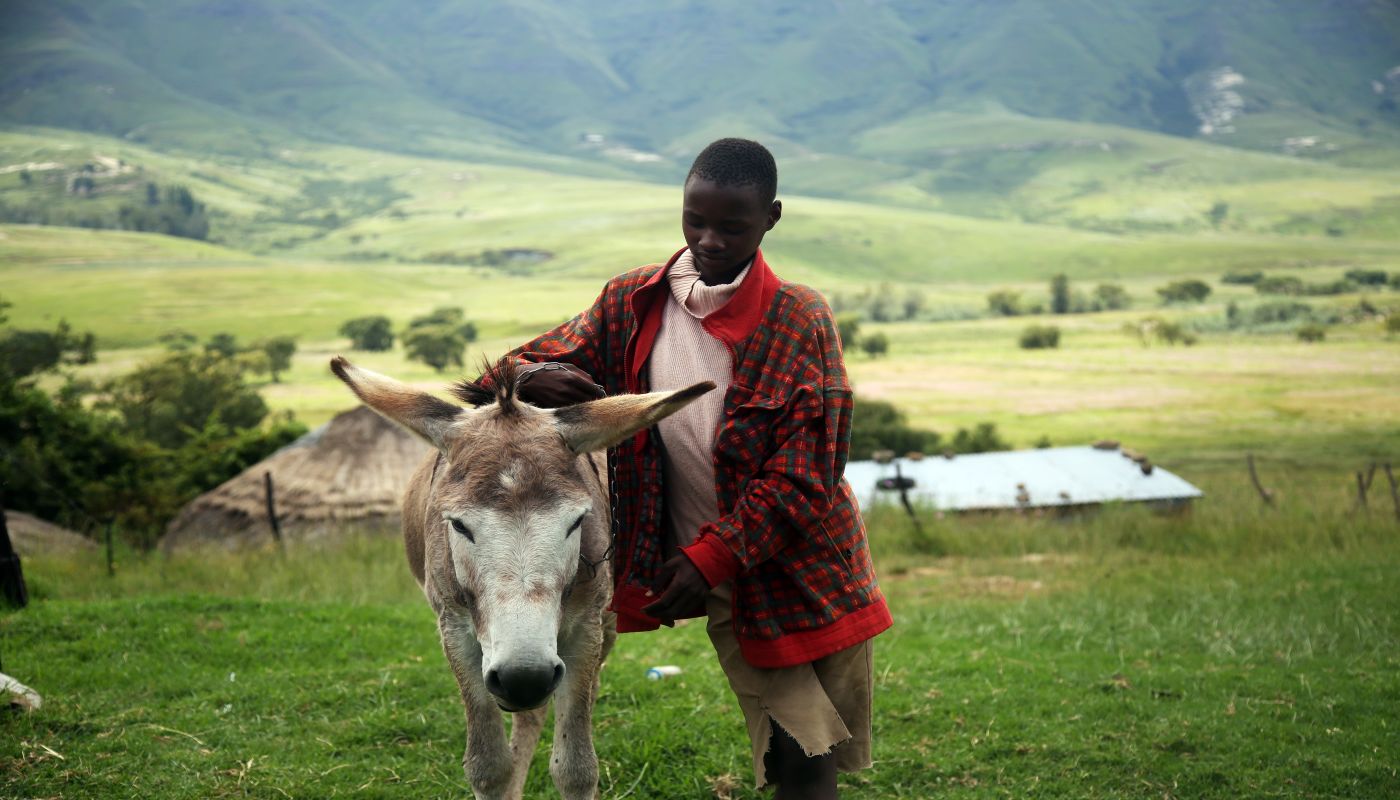
Landscape of Lesotho
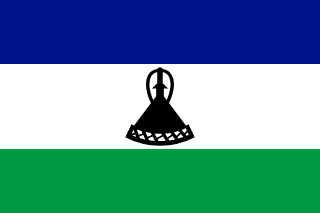
Flag of Lesotho

Lesotho

Africa

Continued military and political tensions continue to pervade the government in this small landlocked country. Child labor, child marriage, and poor educational opportunities are all issues facing Basotho children. The economy relies on the abundance of water in the country and the resulting profits from exports of water. The government has been accused of continuing to export water in times of drought, causing unnecessary water shortages for citizens.1 1 https://www.cia.gov/library/publications/the-world-factbook/geos/lt.html

What would you like to learn about in Lesotho?

Select a section to explore the country where nonprofits are creating positive change.

About Lesotho

Basutoland was renamed the Kingdom of Lesotho upon independence from the UK in 1966. The Basuto National Party ruled the country during its first two decades. King MOSHOESHOE was exiled in 1990, but returned to Lesotho in 1992 and was reinstated in 1995 and subsequently succeeded by his son, King LETSIE III, in 1996. Constitutional government was restored in 1993 after seven years of military rule. In 1998, violent protests and a military mutiny following a contentious election prompted a brief but bloody intervention by South African and Batswana military forces under the aegis of the Southern African Development Community. Subsequent constitutional reforms restored relative political stability. Peaceful parliamentary elections were held in 2002, but the National Assembly elections of February 2007 were hotly contested and aggrieved parties disputed how the electoral law was applied to award proportional seats in the Assembly. In May 2012, competitive elections involving 18 parties saw Prime Minister Motsoahae Thomas THABANE form a coalition government - the first in the country's history - that ousted the 14-year incumbent, Pakalitha MOSISILI, who peacefully transferred power the following month.

Quick Facts

Population
1,936,181 (July 2013 est.)
Area
30,355 sq km
ISO Code
LS
Continent
Africa
Government
parliamentary constitutional monarchy
Active Causes
12
View all countries in Africa

Geography & Environment

Climate

temperate; cool to cold, dry winters; hot, wet summers

Terrain

mostly highland with plateaus, hills, and mountains

Natural Resources

water, agricultural and grazing land, diamonds, sand, clay, building stone

Environmental Issues

population pressure forcing settlement in marginal areas results in overgrazing, severe soil erosion, and soil exhaustion; desertification; Highlands Water Project controls, stores, and redirects wate...

People & Society

52.3 years
Avg. Life Expectancy
89.6%
Literacy Rate
27.6% of total population (2011)
Total Urban Population

Languages

Sesotho (official) (southern Sotho), English (official), Zulu, Xhosa

Religions

Christian 80%, indigenous beliefs 20%

Health Expenditure

11.1% of GDP (2010) of GDP

Education Expenditure

13% of GDP (2008) of GDP

Economy

$2,200
GDP per Capita (PPP)
25%
Unemployment Rate
49% (1999)
Below Poverty Line

Economic Overview

Small, mountainous, and completely landlocked by South Africa, Lesotho is a least developed country in which about three-fourths of the people live in rural areas and engage in subsistence agriculture. Lesotho produces less than 20% of the nation's demand for food. Rain-fed agriculture is vulnerable to weather and climate variability; an estimated 725,500 people will require food assistance in 2012/13. The distribution of income in Lesotho remains inequitable. Lesotho relies on South Africa for much of its economic activity. Lesotho imports 90% of the goods it consumes from South Africa, inclu...

Causes in Lesotho

Environment

Approximately three-fourths of Lesotho’s population relies on subsistence and small-farming agriculture for their livelihoods.1 Thus, Lesotho’s economy is very vulnerable to the increase in droughts and dry weather. Droughts and limits on the hydroelectricity sector have increased the amount of water-borne diseases. The United Nations Development Programme has begun to institute pilot projects that will help Lesotho navigate and help prevent desertification.2

Family

Pervasive violence against women is present in Lesotho, as well as high rates of domestic abuse. There are currently no laws that outline the obligation of the state to investigate against marital rape and no implementation of anti-gender based violence laws.1 Abuse is culturally acceptable in rural areas; 33% of women and 40% of men believe that it is okay to beat women.2 Additionally, most healthcare facilities in Lesotho are unprepared to care for survivors of domestic abuse and most families are not trained to recognize or report abuse.3

Human Rights

The most persistent human rights violations in Lesotho involve reports of torture and other mistreatment of prisoners, as well as restriction of the freedom of expression. Official government corruption was cited as another significant abuse, along with continued child labor practice. Lesotho suffers under the overriding culture of impunity among government officials. There were multiple reports of unlawful killings by the police forces in 2017.1 Adequate gender equality has not yet been achieved and there are high levels of domestic violence; many sexual assaults and rapes go unreported.2

Education

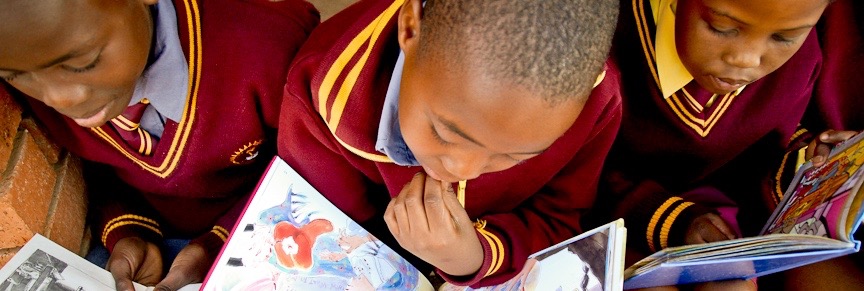
Lesotho has a high score on the gender equality index regarding education, meaning that there are nearly equal enrollment rates of male and female students in all levels of school, although Lesotho does have a slightly higher ratio of female to male students.1 In 2016, the World Bank approved a loan for $25 million to help improve education in the small country. The money was used to target 300 low-performance elementary schools until 2021. The idea is that if education is higher quality, then the retention rate will increase.2 The national literacy rate among adults is 74%, and the primary school enrollment rate is at 82%.3

Poverty

57% of the Basotho population is estimated to be living in poverty, and 28% is unemployed.1 The Borgen Project cites the inability of the government to mitigate the effects of droughts on water scarcity for citizens in rural areas as a contributor to the cycle of poverty. The government prioritizes the exportation of water as a source of income over the provision of clean water for its people.2

Religion

Approximately 80% of Lesotho’s population belongs to a denomination of Christianity, and the remaining 20% follow indigenous beliefs.1 Because of the relative religious homogeneity present within the country, religious conflict is largely nonexistent.2

Clean Water

Lesotho’s primary natural resource is water, and the country depends on the sale of their water to neighboring countries as a source of revenue. The fact that water is the main pillar of the economy means that clean water is exported during both wet and dry seasons, and during droughts the country’s own people have to drink dirty water.1 95% of the country currently has access to improved water sources, but only 30% of the population has access to improved sanitation infrastructure.2

Economy

Around 75% of Lesotho’s labor force engages in subsistence agriculture, and yet the country is only able to produce around 20% of its own food needs. Lesotho has come to rely on imports from South Africa to supplement its food supply. The public debt is 48% of GDP, and 28% of the population is unemployed.1The prime minister declared corruption the second worst public enemy to the state of Lesotho after AIDS.2

Government

The Kingdom of Lesotho is a parliamentary constitutional monarchy with a king who is the chief of state and a prime minister who is the head of government. The country declared its independence from the United Kingdom in 1966. Lesotho has battled frequent political instability since its independence and has often required interventions from neighboring South Africa and Botswana. Since the country is landlocked and bordered only by South Africa, Lesotho is nearly dependent on aid from South Africa for to sustain government and economy.1 The largest issues that face the government of Lesotho are endemic corruption and the rising HIV/AIDS epidemic. Additionally, the country’s judiciary lacks transparency and has been chronically underfunded since its inception.2 Transparency International ranks the country 74th out of 180 countries for corruption. The public scores their government 42 out of 100 for perceived corruption in public office.3

Health

25% of the population in Lesotho is living with HIV/AIDs, which is the second-highest percentage in the world. Around 9,900 people died in 2016 from the disease. The life expectancy at birth is 53 years, and the government spends 10% of GDP on healthcare. The infant mortality rate is 43 deaths per 1,000 live births. The maternal mortality rate is 487 deaths per 100,000 live births.1

Children

17% of children are married by the time they are age 18 in Lesotho. The legal marriageable age is 21, but with written consent from the Minister girls can marry at 16 and boys can marry at 18.1 Child prostitution is a prevalent issue in the country; children who live in poverty move to cities to try to earn money and often end up in the sex industry. The death penalty is permitted if a knowingly HIV-infected offender sexually assaults a child who then contracts HIV. There are also issues with child trafficking across the country. The country continues to try to improve working conditions and educational opportunities for boys working as herders.2 Malnutrition is another significant threat to the well being of children in the country. Approximately 10% of children under the age of 5 in Lesotho are stunted due to malnutrition.3

Animals

The Afrotropical region in which Lesotho is located is part of a crucial habitat for the southern white rhino and black wildebeest. There are 24 species of endemic reptiles, and only one endemic species of frog: the Breviceps sylvestris. Native ungulates include the reedbuck, grey rhebok, and oribi. There are also habitats in which the leopard and cheetah live. These regions are threatened by invasion of nonnative species, overgrazing, and afforestation of rare trees.1

Nonprofits Working in Lesotho

Discover organizations making a difference in Lesotho

Make Your Impact Today

Discover causes you care about and support the nonprofits making a difference in communities around the world.

Are you a nonprofit? Join Project World Impact for free

Join Us Free