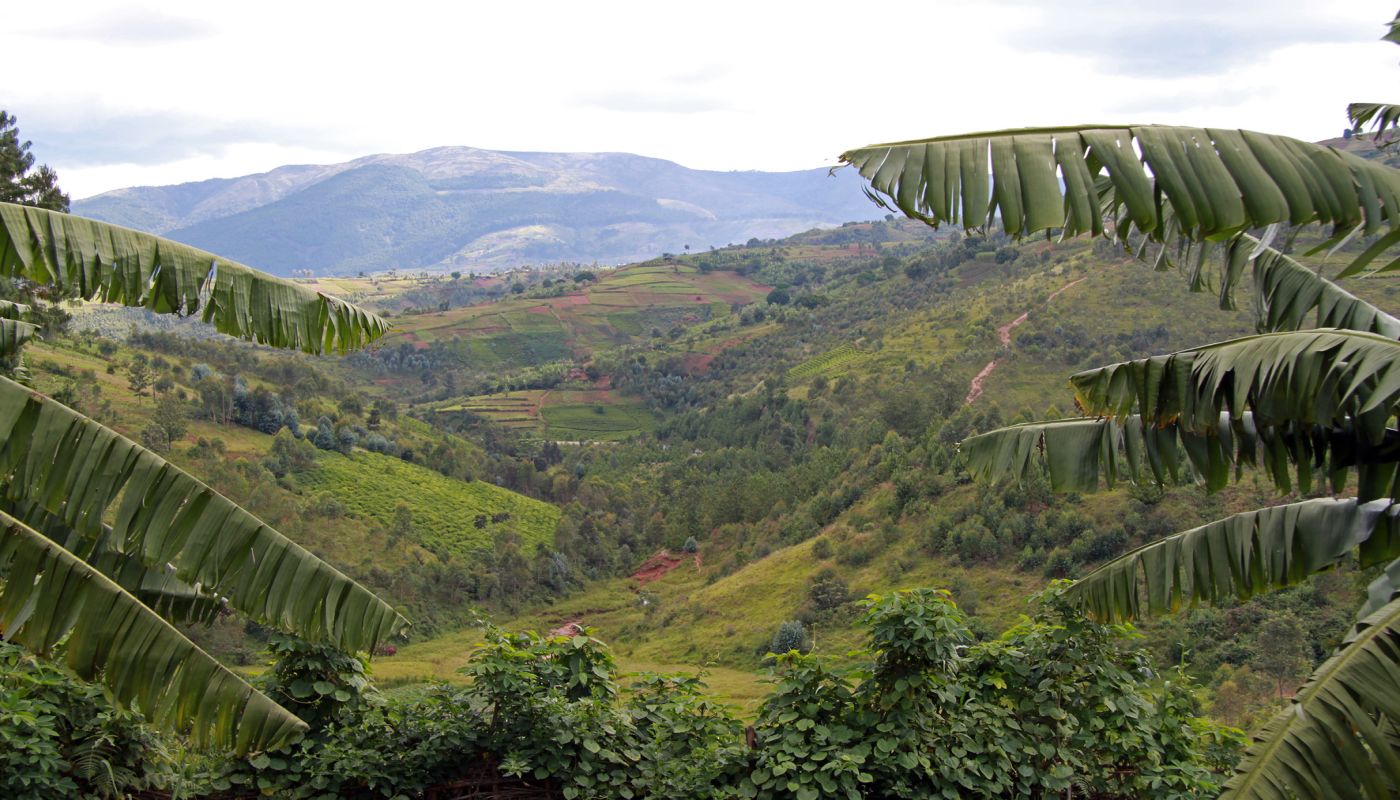
Landscape of Burundi
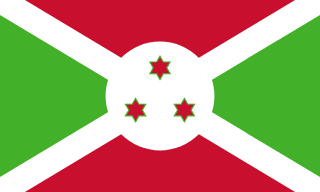
Flag of Burundi

Burundi

Africa

The nation of Burundi plunged into chaos in 2015, only ten years after recovering from a violent civil war. Citizens are regularly threatened, tortured, imprisoned, and killed by a government affiliated terrorist group called the Imbonerakure.1 Many have fled the country in search of safety, and those who remain deal with a struggling economy. International organizations have withdrawn their aid to Burundi to protest the many human rights violations, but remaining citizens suffer without access to basic nutrition, clean water, and health care.2 1http://www.npr.org/sections/parallels/2015/07/07/416827738/above-the-law-a-militia-threatens-to-push-burundi-to-the-brink 2https://www.cia.gov/library/publications/the-world-factbook/geos/by.html

What would you like to learn about in Burundi?

Select a section to explore the country where nonprofits are creating positive change.

About Burundi

Burundi's first democratically elected president was assassinated in October 1993 after only 100 days in office, triggering widespread ethnic violence between Hutu and Tutsi factions. More than 200,000 Burundians perished during the conflict that spanned almost a dozen years. Hundreds of thousands of Burundians were internally displaced or became refugees in neighboring countries. An internationally brokered power-sharing agreement between the Tutsi-dominated government and the Hutu rebels in 2003 paved the way for a transition process that led to an integrated defense force, established a new constitution in 2005, and elected a majority Hutu government in 2005. The government of President Pierre NKURUNZIZA, who was reelected in 2010, continues to face many political and economic challenges.

Quick Facts

Population
10,888,321 (July 2013 est.)
Area
27,830 sq km
ISO Code
BI
Continent
Africa
Government
republic
Active Causes
12
View all countries in Africa

Geography & Environment

Climate

equatorial; high plateau with considerable altitude variation (772 m to 2,670 m above sea level); average annual temperature varies with altitude from 23 to 17 degrees centigrade but is generally mode...

Terrain

hilly and mountainous, dropping to a plateau in east, some plains

Natural Resources

nickel, uranium, rare earth oxides, peat, cobalt, copper, platinum, vanadium, arable land, hydropower, niobium, tantalum, gold, tin, tungsten, kaolin, limestone

Environmental Issues

soil erosion as a result of overgrazing and the expansion of agriculture into marginal lands; deforestation (little forested land remains because of uncontrolled cutting of trees for fuel); habitat lo...

People & Society

59.69 years
Avg. Life Expectancy
67.2%
Literacy Rate
10.9% of total population (2011)
Total Urban Population

Languages

Kirundi (official), French (official), Swahili (along Lake Tanganyika and in the Bujumbura area)

Religions

Christian 82.8% (Roman Catholic 61.4%, Protestant 21.4%), Muslim 2.5%, Adventist 2.3%, other 6.5%, unknown 5.9% (2008 census)

Health Expenditure

11.6% of GDP (2010) of GDP

Education Expenditure

6.1% of GDP (2011) of GDP

Economy

$600
GDP per Capita (PPP)
NA%
Unemployment Rate
68% (2002 est.)
Below Poverty Line

Economic Overview

Burundi is a landlocked, resource-poor country with an underdeveloped manufacturing sector. The economy is predominantly agricultural; agriculture accounts for just over 30% of GDP and employs more than 90% of the population. Burundi's primary exports are coffee and tea, which account for 90% of foreign exchange earnings, though exports are a relatively small share of GDP. Burundi's export earnings - and its ability to pay for imports - rests primarily on weather conditions and international coffee and tea prices. An ethnic-based war that lasted for over a decade resulted in more than 200,000...

Causes in Burundi

Environment

In 2016, El Niño, the warming of sea-level surfaces, brought torrential rain and flooding to Burundi. The floods destroyed over 5,000 homes in the country1. The land also faces erosion from overuse and wartime destruction.1 The dense rural population contributes to the rapid depletion of natural resources such as water and timber.2

Family

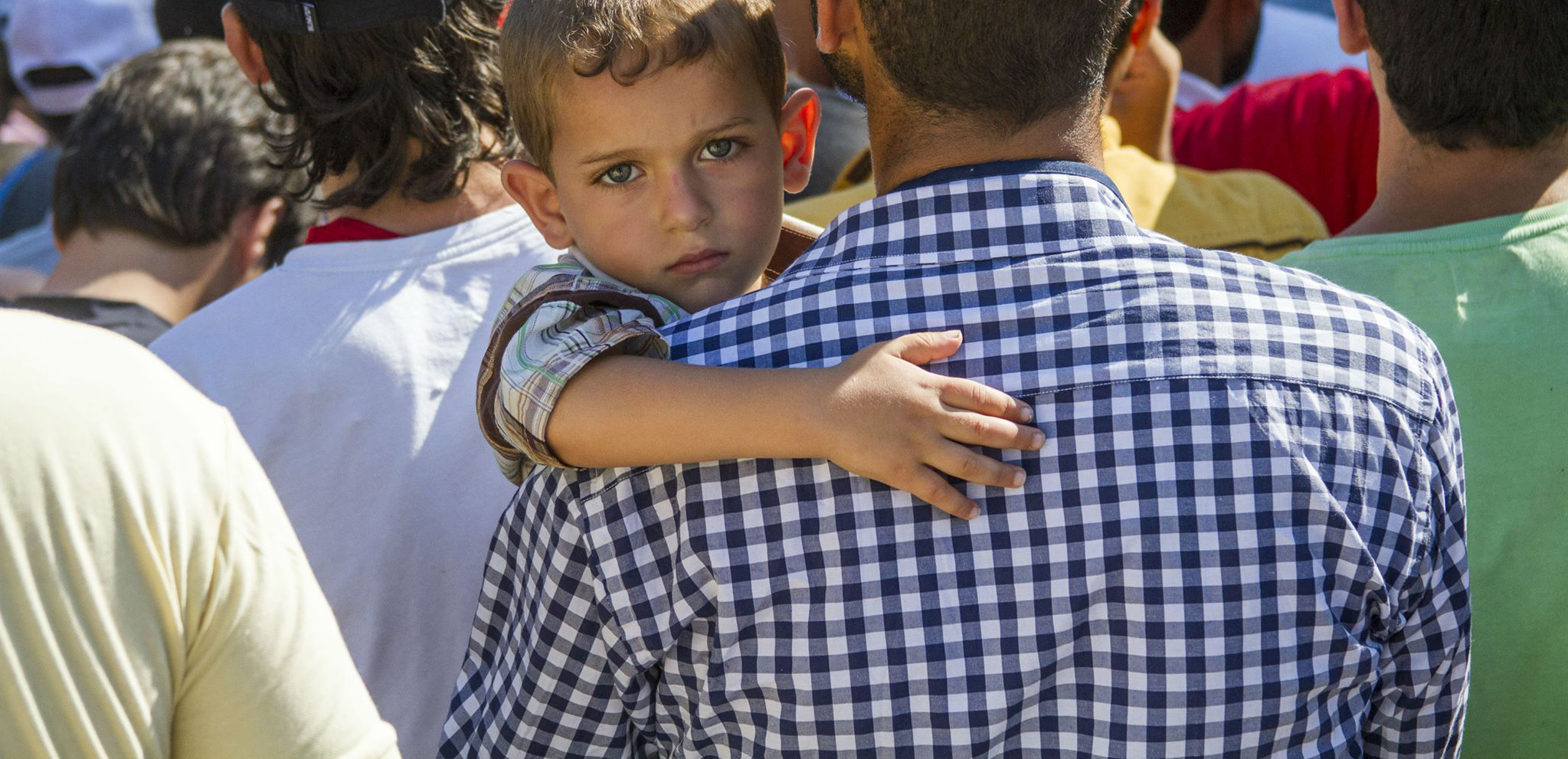
Burundi is the second most densely populated country on the African mainland.1 The two main ethnic groups are the Hutu and the Tutsi. The Tutsi minority controlled the power in the country for many years, but beginning in 2015, Tutsi people have been targeted by military violence. The majority of people from both tribes speak the native Kirundi language, and French and Swahili are both spoken in urban areas.2 Since the conflict in 2015 began, many families have fled their homes in fear of their safety. While many of these have left the country and settled in refugee camps, over 25,000 were internally displaced in 2016.3

Human Rights

Burundi’s corrupt government is behind its horrific history of human rights violations. The Imbonerakure, the youth wing of the government’s ruling party, terrorizes the citizens of Burundi through random killings, torture, arrests, and rape.1 The Imbonerakure often masquerade as military officials or police to carry out their crimes and enforce their will through violence and intimidation. Those who oppose them or try to report them to the police are often tortured or killed. The government denies all negative allegations against the Imbonerakure, claiming that they simply carry out political acts “calmly and serenely.”2 Hundreds of thousands of Burundians have fled their homes to seek refuge in neighboring countries. Refugee camps do not have sufficient resources to provide for the influx of refugees, so many often go without adequate food or health care.3 In June 2013, the reigning president enacted media laws to restrict any press writings against the government and limit public access to radio and television. Most of the news information available to the public is government propaganda.4

Education

A lack of funds and resources have made it difficult for Burundi to offer free education to children. Many children who can attend school often drop out or do not perform well because of hunger. Schools are few and far between, so malnourished children who live far from schools do not have the energy or time to travel there every day.1 Technically, six years of primary school are required for children in Burundi, but half a million children never even enter school. Of those who do, only 36 percent complete primary school.2 The civil war of 2002-2005 destroyed many school facilities, and poverty prevents communities from rebuilding these schools.3

Poverty

68 percent of Burundians live below the poverty line, reliant on subsistence agriculture for their livelihood.1 The country is ranked 185th out of 187 countries on the United Nations human development index due to its decades of internal turmoil. Destruction of farmland and blockage of trade routes have devastated the agricultural industry, which employs 90 percent of the population.2 In rural areas, over population combined with over cultivated farmland leads to a loss of income and food shortage for farmers.3

Religion

61 percent of Burundians identify as Roman Catholics, 24 percent are Protestant, 3.5 percent are Muslim, and the other 11.5 percent follow indigenous belief systems.1 In 2014, the Burundi lower house of parliament passed a measure that would force churches to have at least 500 members in order to be recognized as legitimate. They justified the legislation by pointing to examples of preachers who set up makeshift churches and manipulated their followers.2

Clean Water

Burundi is not limited in its natural water resources, but poor management of them has led to a nationwide shortage of clean drinking water. Many water systems are not built to sustain such a high population density, so people resort to drinking unclean water from lakes.1 Only 75 percent of Burundians have access to clean drinking water. Citizens in rural areas struggle the most to reach water sources.2

Economy

Burundi depends on agriculture and international aid to sustain its economy. 90 percent of the population is employed in farming, so their livelihood is largely affected by drought and other weather conditions.1 68 percent of Burundians live below the poverty line, and over 20 percent of its citizens are dependent on food aid.2 In 2014, 48 percent of Burundi’s national income was comprised of foreign aid, but the UN cut off its financial support in 2015 after reports of many human rights violations. Military blockades of trade routes and an increased national debt contribute to Burundi’s shrinking economy.1

Government

Burundi has undergone political turmoil since its first president was elected in 1993. In 2015, President Pierre Nkurunziza bypassed the constitution to run for a third term. After his re-election, the country plunged into its worst crisis since the end of a civil war in 2005.1 A peace treaty in 2005 diffused racial tensions between the two main ethnic groups, Hutu and Tutsi ,but since Nkurunziza’s re-election, government military forces have stirred up racial tensions again in an attempt to make the political conflict an ethnic one. They have tortured and killed thousands of innocent citizens under the false pretense of stopping opposition to the government. Thousands have fled the country in fear for their lives, and those remaining fear the start of a genocide similar to the one in the neighboring country of Rwanda in 1994.2

Health

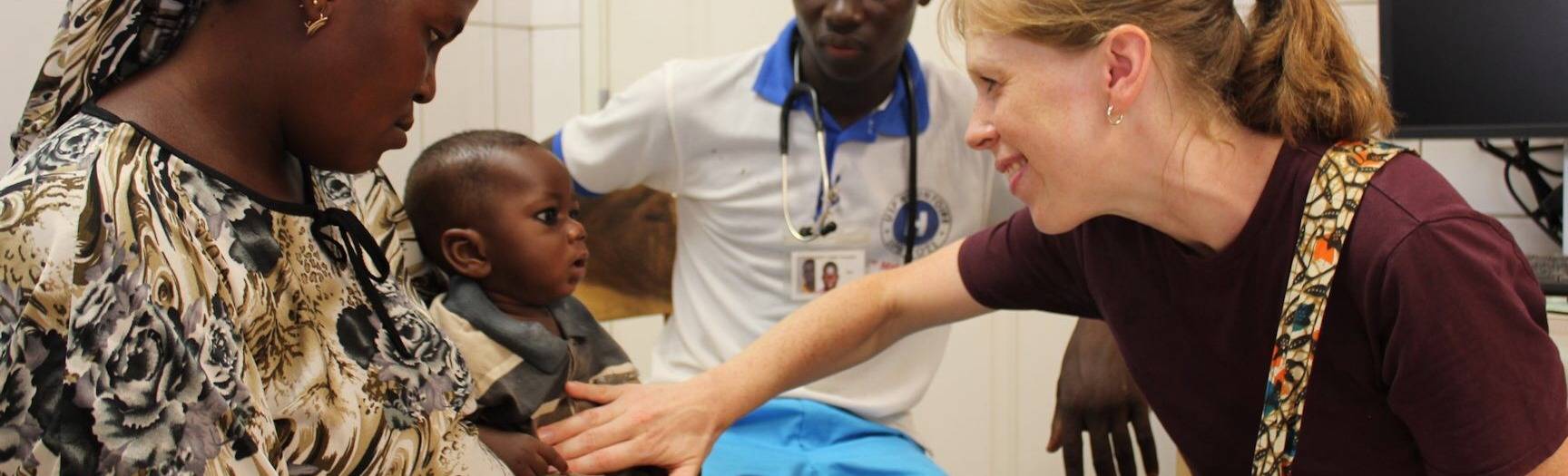
Malaria, yellow fever, typhoid, and HIV/AIDS are all diseases that affect the population of Burundi. There is no adequate health care system, so many people who contract diseases never get access to treatment.1 Most international organizations have withdrawn their aid since the conflict in 2015, making it even harder for people to obtain essential drugs to fight common diseases like malaria and cholera. Burundi also sits atop the Global Hunger Index as many of its residents struggle with malnutrition and hunger.2

Children

One of the biggest roots of violence and chaos in Burundi since 2015 is the militant youth wing of the ruling government party, the Imbonerakure. “Youth” technically refers to anyone under age 351, but hundreds of children and teenagers have been kidnapped and forced into becoming fighters. UNICEF has negotiated with the government to release imprisoned children and allow them to attend school.2 Malnutrition is also a danger to children in Burundi. In 2016, 58 percent of children under age five were malnourished. Rising food prices, poor agricultural harvests, and a mass exodus of the country’s agricultural workers all contribute to the lack of available food for many families.3 In 2017, UNICEF plans to provide health screenings, clean water, and essential drugs for 1 million children.4

Animals

Severe poaching has depleted much of the natural wildlife in Burundi. Species of lions, cheetahs, and chimpanzees are endangered.1 The indigenous elephant population has virtually disappeared, leaving baboons, antelope, and warthogs as the country’s only well populated species.2

Nonprofits Working in Burundi

Discover organizations making a difference in Burundi

Make Your Impact Today

Discover causes you care about and support the nonprofits making a difference in communities around the world.

Are you a nonprofit? Join Project World Impact for free

Join Us Free