Landscape of Libya
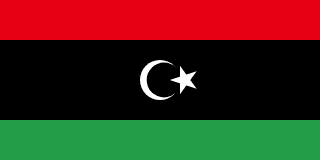
Flag of Libya

Libya

Africa

Libya and its neighbors gained international attention in recent years due to the significant civil conflict and government collapse that plagued the countries. Libya’s government is in a transitional phase that was supposed to be resolved by 2017. The economy is dependent on profits from crude oil extraction, but only a small portion of the population actually benefits from the industry. UNICEF restructured the education system, and efforts have been made to improve the lives of children through healthcare and vaccinations. Human rights abuses are common, and the justice system is in a state of collapse.1 1 https://www.cia.gov/library/publications/the-world-factbook/geos/ly.html

What would you like to learn about in Libya?

Select a section to explore the country where nonprofits are creating positive change.

About Libya

The Italians supplanted the Ottoman Turks in the area around Tripoli in 1911 and did not relinquish their hold until 1943 when defeated in World War II. Libya then passed to UN administration and achieved independence in 1951. Following a 1969 military coup, Col. Muammar al-QADHAFI assumed leadership and began to espouse his political system at home, which was a combination of socialism and Islam. During the 1970s, QADHAFI used oil revenues to promote his ideology outside Libya, supporting subversive and terrorist activities that included the downing of two airliners - one over Scotland, another in Northern Africa - and a discotheque bombing in Berlin. UN sanctions in 1992 isolated QADHAFI politically and economically following the attacks; sanctions were lifted in 2003 following Libyan acceptance of responsibility for the bombings and agreement to claimant compensation. QADHAFI also agreed to end Libya's program to develop weapons of mass destruction, and he made significant strides in normalizing relations with Western nations. Unrest that began in several Middle Eastern and North African countries in late 2010 erupted in Libyan cities in early 2011. QADHAFI's brutal crackdown on protesters spawned a civil war that triggered UN authorization of air and naval intervention by the international community. After months of seesaw fighting between government and opposition forces, the QADHAFI regime was toppled in mid-2011 and replaced by a transitional government. Libya in 2012 formed a new parliament and elected a new prime minister.

Quick Facts

Population
6,002,347 (July 2013 est.)
Area
1,759,540 sq km
ISO Code
LY
Continent
Africa
Government
operates under a transitional government
Active Causes
12
View all countries in Africa

Geography & Environment

Climate

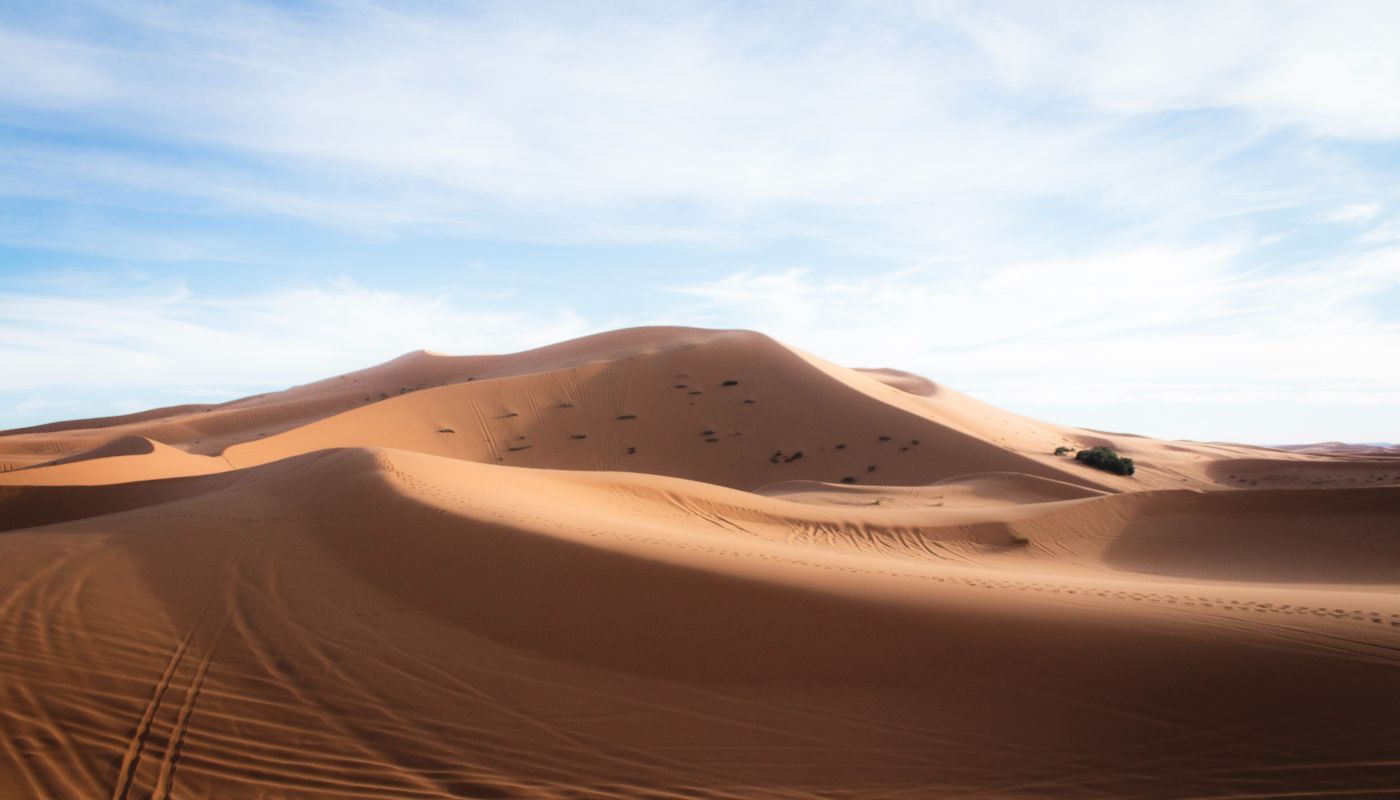
Mediterranean along coast; dry, extreme desert interior

Terrain

mostly barren, flat to undulating plains, plateaus, depressions

Natural Resources

petroleum, natural gas, gypsum

Environmental Issues

desertification; limited natural freshwater resources; the Great Manmade River Project, the largest water development scheme in the world, brings water from large aquifers under the Sahara to coastal...

People & Society

75.83 years
Avg. Life Expectancy
89.5%
Literacy Rate
77.7% of total population (2011)
Total Urban Population

Languages

Arabic (official), Italian, English (all widely understood in the major cities); Berber (Nafusi, Ghadamis, Suknah, Awjilah, Tamasheq)

Religions

Sunni Muslim (official) 97%, other 3%

Health Expenditure

3.9% of GDP (2010) of GDP

Education Expenditure

NA of GDP

Economy

$12,300
GDP per Capita (PPP)
30%
Unemployment Rate
NA%
Below Poverty Line

Economic Overview

Libya's economy is structured primarily around the nation's energy sector, which generates about 95% of export earnings, 80% of GDP, and 99% of government income. Substantial revenue from the energy sector coupled with a small population give Libya one of the highest per capita GDPs in Africa, but Tripoli largely has not used its significant financial resources to develop national infrastructure or the economy, leaving many citizens poor. In the final five years of QADHAFI''s rule, Libya made some progress on economic reform as part of a broader campaign to reintegrate the country into the int...

Causes in Libya

Environment

Libya faces many environmental concerns related to its energy industry and is vulnerable due to its dry climate. Libya’s gas and oil industries are sources of pollution and contamination within the country. Recently, Libya has begun to adopt sustainability efforts, largely due to the fact that many foreign companies now mandate some degree of environmental protection.1 Libya’s lack of freshwater sources is an environmental concern. Libya’s water scarcity causes near perpetual water shortages. In an effort to combat further desertification, Libya has undertaken reforestation efforts in Western Libya.2

Family

Families are traditionally patriarchal and follow principles of Islamic teaching in Libya.1 Family unity is highly important, and Libya has one of the lowest divorce rates in the world.2 Domestic abuse is a prominent concern in Libyan society. 3 There are reports that in areas where the Islamic State has control and Shari’a law was strictly upheld, women were are very limited in their movement and dress, and child marriage is endorsed.4

Human Rights

Civil conflict in Libya has created many human rights abuses in the country in the past six years. The justice system is in a state of collapse, and torture and ill-treatment are rampant. There are between 700,000 and 1 million refugees in Libya right now, and the government has criminalized movement across the border. Militias and armed groups have attacked and killed many human rights defenders, activists, and journalists. There is a culture of impunity among officials, and few perpetrators have successfully been prosecuted. The lack of government authority has kept people from accessing basic healthcare facilities; 60% of hospitals in areas of conflict were closed.1

Education

Education under the Gaddafi regime was highly centralized and was used as a tool of indoctrination rather than a place to invest in knowledge. UNICEF and other NGOs have since stepped in and restructured the entire curriculum in order to help give children a skill set that will allow them to become contributors to the labor force. One drawback of the change in the school system is that tertiary education and study-abroad programs are no longer free as they were under Gaddafi.1 Libyan schools suffer from overcrowding, limited resources, and in recent years, devastation from civil conflict within the country.2 Libya lacks scientific research in higher education. Less than 1% of Libya’s GDP was dedicated to research and development in Libya’s universities.3

Poverty

Despite the country’s wealth from the oil industry, many Libyans live in poverty and never benefit from the country’s riches. It is estimated that poverty affects roughly 40% of Libyans. Moreover, employed individuals like doctors and teachers complain that their monthly salaries are not enough to last them a week, forcing them to take second jobs and live with the assistance of loans.1 Oil profits are concentrated in the hands of the few, leaving many to live in slums in even the wealthiest of Libya’s towns. In these slums, it is not uncommon to find multiple families living in the same quarters without electricity or running water.2

Religion

Religious freedom in Libya has been difficult to assess in the wake of civil conflict. Historically, the vast majority of Libyans have been Muslim. Libya is mostly Sunni Muslim, although some minority religions exist. These include Christianity, Buddhism, and Hinduism. There are no official constitutional provisions guaranteeing religious freedom.1

Clean Water

Water in Libya is a scarce commodity due to the country’s desert climate. Rising sea levels and oil drilling operations are causing the existing fresh water to become polluted. The salinization of freshwater sources makes extraction more expensive because desalination must become part of processing. The country is highly dependent on water drawn from groundwater located in aquifers, but this source is being exploited.1 Libya is one of the driest countries in the world, but under the Gaddafi regime, a civil water project called the “Great Man Made River” (GMMR) tapped underground aquifers to deliver freshwater to Libyans in populous cities along the coastal belt. This undertaking successfully supplied drinking water to 70% of the population. While providing an crucial service, the GMMR now plays an important role in the country’s political development.2

Economy

Libya’s economy is largely dependent on its oil industry. Profits from the oil industry comprise over half of the country’s total GDP and 98% of government revenues. This renders Libya exceptionally vulnerable to shocks in the oil market or worldwide demand for oil. Due to their extreme importance to Libyan society, oil fields have become the target of militias and labor groups.1 Unemployment leaves nearly a third of the population without jobs.2 The country struggled against high inflation rates of around 30% in the years leading up to 2018. Libya’s main industries and exports are petroleum products and crude oil, and trade partners include Italy, Egypt, Spain, China, South Korea, and Turkey.3

Government

The Libyan government is currently in transition after the collapse of the Gaddafi regime. The UN has intervened and brokered negotiations and drafted the Libyan Political Agreement, which set in place a two year plan to form a new government. This was initiated in 2015, but there has yet to be a new government successfully put into power.1 One of the largest and most pressing obstacles is quelling the violence still breaking out throughout the country. Rival militias are battling across the country and the transitioning government does not have the power to stop the violence. There have recently been debates over whether or not international aid should be requested.2 Tensions persist between Islamists and nationalists who differ over what direction the country should take and the role of government in Libya.3

Health

Libya’s health care system is in poor condition. Healthcare facilities are scarce and there is a lack of adequate health resources such as qualified staff and healthcare technology. Libya has only 1,500 primary health care facilities for a population over 6.5 million.1 The maternal mortality rate is nine deaths per 100,000 live births, and the infant mortality rate is 11 deaths per 1,000 live births. 32% of adults are obese, and 6% of children under the age of five are underweight. LIfe expectancy is 77 years at birth.2

Children

UNICEF estimates that there are around 378,000 children in need of humanitarian aid as a result of the six years of continuing civil conflict that has torn the country apart. UNICEF achieved universal vaccination of children ages six and under for measles and polio in 2016. Their efforts are divided between water and sanitation services, education, child protection, and health.1 Children have been direct and indirect victims of armed conflict which has indirectly hindered their opportunities by destroying educational resources and rendering them more vulnerable to human trafficking. In terms of human trafficking, Libya serves as both a destination and transit country for trafficked individuals being sent to Europe.2

Animals

Libya is part of the Mediterranean Dry Woodland and Steppe region, which is characterized by arid and dry brushlands and grasslands. Local animal species include the Barbary sheep, gazelles, wild boar, and European otter, and red fox. Threats to these species include habitat destruction from civil conflict, as well as deforestation.1

Nonprofits Working in Libya

Discover organizations making a difference in Libya

Make Your Impact Today

Discover causes you care about and support the nonprofits making a difference in communities around the world.

Are you a nonprofit? Join Project World Impact for free

Join Us Free