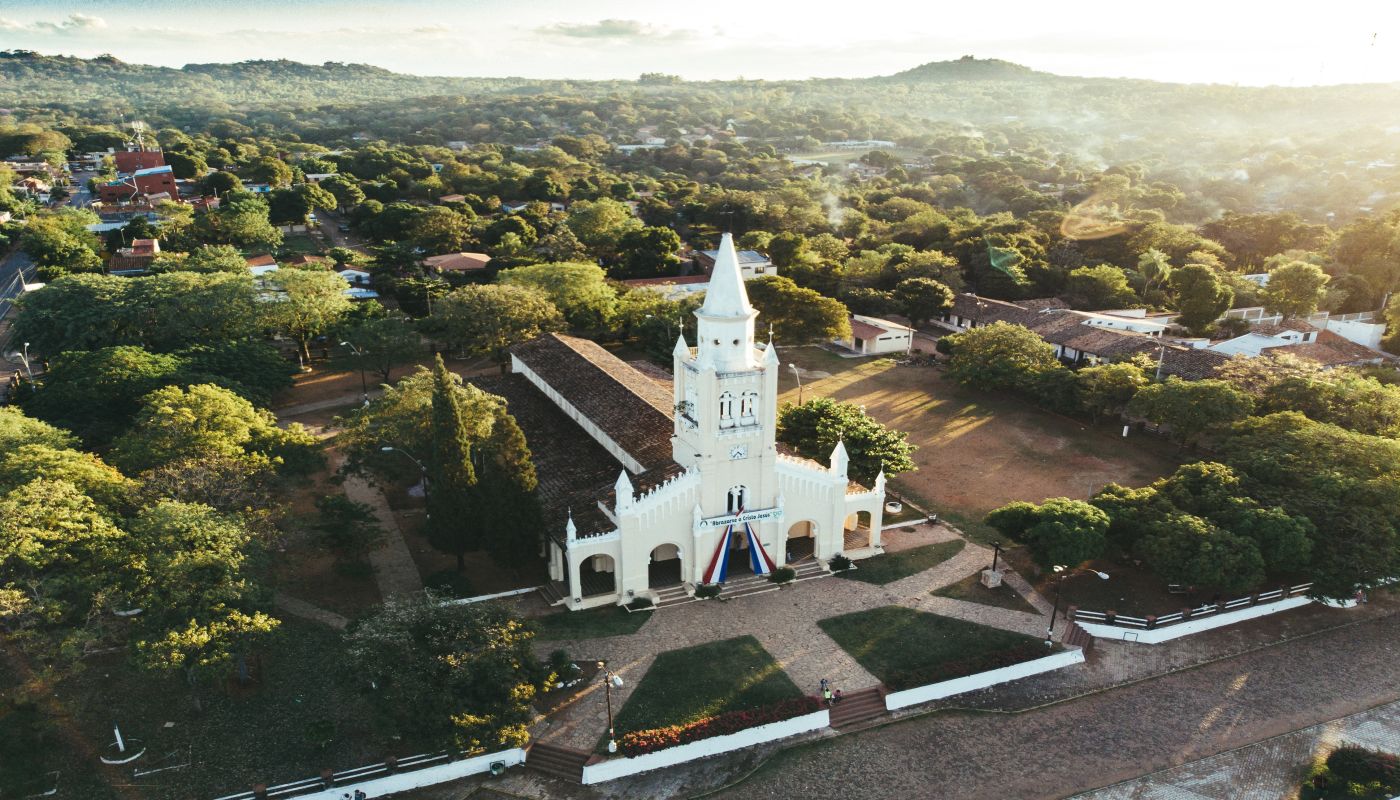
Landscape of Paraguay
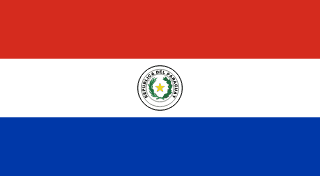
Flag of Paraguay

Paraguay

South America

As one of the few landlocked countries in South America, Paraguay is also one of the poorest.1 Paraguayans, especially those in rural areas, struggle with poverty and malnutrition and lack protection from the government.2 Government corruption is present in the form of bribery, impunity for government officials, and an inefficient judicial system. The economy fluctuates based on its agriculture, but has potential for growth in renewable energy exports.3 1 https://www.cia.gov/library/publications/resources/the-world-factbook/geos/pa.html 2 https://www.amnesty.org/en/countries/americas/paraguay/report-paraguay/ 3 http://www.heritage.org/index/country/paraguay

What would you like to learn about in Paraguay?

Select a section to explore the country where nonprofits are creating positive change.

About Paraguay

Paraguay achieved its independence from Spain in 1811. In the disastrous War of the Triple Alliance (1865-70) - between Paraguay and Argentina, Brazil, and Uruguay - Paraguay lost two-thirds of all its adult males and much of its territory. The country stagnated economically for the next half century. Following the Chaco War of 1932-35 with Bolivia, Paraguay gained a large part of the Chaco lowland region. The 35-year military dictatorship of Alfredo STROESSNER ended in 1989, and, despite a marked increase in political infighting in recent years, Paraguay has held relatively free and regular presidential elections since the country's return to democracy.

Quick Facts

Population
6,623,252 (July 2013 est.)
Area
406,752 sq km
ISO Code
PY
Continent
South America
Government
constitutional republic
Active Causes
12
View all countries in South America

Geography & Environment

Climate

subtropical to temperate; substantial rainfall in the eastern portions, becoming semiarid in the far west

Terrain

grassy plains and wooded hills east of Rio Paraguay; Gran Chaco region west of Rio Paraguay mostly low, marshy plain near the river, and dry forest and thorny scrub elsewhere

Natural Resources

hydropower, timber, iron ore, manganese, limestone

Environmental Issues

deforestation; water pollution; inadequate means for waste disposal pose health risks for many urban residents; loss of wetlands

People & Society

76.6 years
Avg. Life Expectancy
93.9%
Literacy Rate
61% of total population (2010)
Total Urban Population

Languages

Spanish (official), Guarani (official)

Religions

Roman Catholic 89.6%, Protestant 6.2%, other Christian 1.1%, other or unspecified 1.9%, none 1.1% (2002 census)

Health Expenditure

5.9% of GDP (2010) of GDP

Education Expenditure

4.1% of GDP (2010) of GDP

Economy

$6,200
GDP per Capita (PPP)
6.9%
Unemployment Rate
34.7% (2010 est.)
Below Poverty Line

Economic Overview

Landlocked Paraguay has a market economy distinguished by a large informal sector, featuring re-export of imported consumer goods to neighboring countries, as well as the activities of thousands of microenterprises and urban street vendors. A large percentage of the population, especially in rural areas, derives its living from agricultural activity, often on a subsistence basis. Because of the importance of the informal sector, accurate economic measures are difficult to obtain. On a per capita basis, real income has stagnated at 1980 levels. The economy grew rapidly between 2003 and 2008 as...

Causes in Paraguay

Environment

Deforestation is a pressing environmental concern in Paraguay. Forests have been cleared so that land may be used for agriculture and urban development, but in the process Paraguay has lost precious natural resources and biodiversity.1 Paraguay consistently loses over 100,000 hectares per year due to subsistence farming and ranching.2 The country relies completely on hydropower for electricity.3 Additionally, Paraguay is one of only two landlocked countries in South America.4

Family

Nearly 20% of women in Paraguay ages 15 to 44 living with spouses or partners experience physical violence, and over 7% report sexual violence. Additionally, 78,000 women in the country between the ages of 15 and 44 were raped in one year alone.1 Inefficiency in the judicial system makes it difficult for abused women to receive proper protection and justice.2 Child marriage is also a problem in the country, with 18% of girls married before age 18.3

Human Rights

The largest human rights violations in Paraguay are related to institutional corruption and the rights of minority or indigenous groups. The Paraguayan justice system is tainted by corruption and its impartiality is frequently questioned when high ranking officials guilty of crimes rarely receive punishment for wrongdoing. The land rights of low-income and indigenous populations have not been respected, as hundreds have been forced from their homes to make room for power plant construction.1 Domestic abuse is a rampant concern in Paraguay. Nearly 20% of women in Paraguay ages 15 to 44 living with spouses or partners experience physical violence and over 7% report sexual violence.2

Education

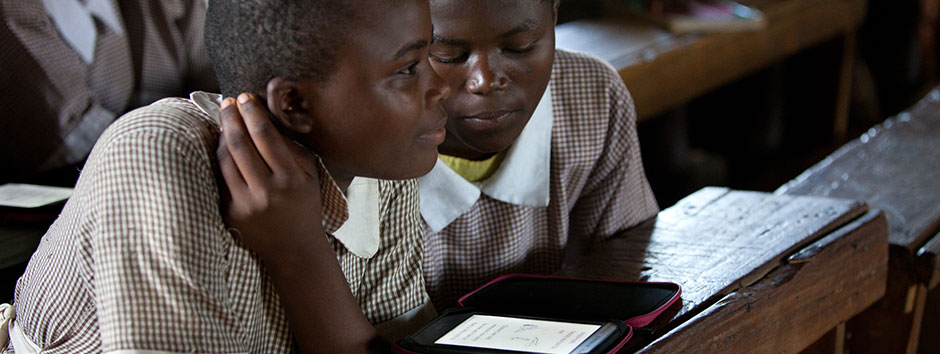
Over 50% of children in Paraguay do not complete secondary education, and the country has one of the lowest secondary school attendance rates in Latin America.1 Approximately 10% of Paraguayan students, mainly those in rural areas, do not have access to educational facilities or any way of attaining formal education.2

Poverty

Approximately 22% of the population of Paraguayans live below the poverty line, but nearly half of the population will be at risk of poverty during their lifetimes.1,2 Rural areas suffer from poverty most acutely, with some rural areas experiencing poverty rates of over 50%.3 Paraguay is also one of the most food-insecure countries in Latin America, and over 25% of the population suffers from malnutrition.4

Religion

The country of Paraguay constitutionally guarantees freedom of religion and the separation of church and state. While the country has historically been predominantly Roman-Catholic, other religions are free to practice and exercise different faiths. Roughly 90% of Paraguayans continue to identify with Catholicism. Other religions represented in the country include Protestants, Jehovah’s Witnesses, Mormons, Muslims, Buddhists, and Baha’is. There have been few reports of religious discrimination in Paraguay.1

Clean Water

Overall, roughly 98% of the population has access to improved water sources. The discrepancy is in the rural areas where 95% have clean water. Furthermore, only 88% of individuals have access to sanitation facilities.1 Rural areas are at a distinct disadvantage for access to clean water, and some rural communities have decided to manage their own water supplies. Especially during dry seasons, villages can face dangerously low amounts of water that are not sufficient to sustain their populations.2

Economy

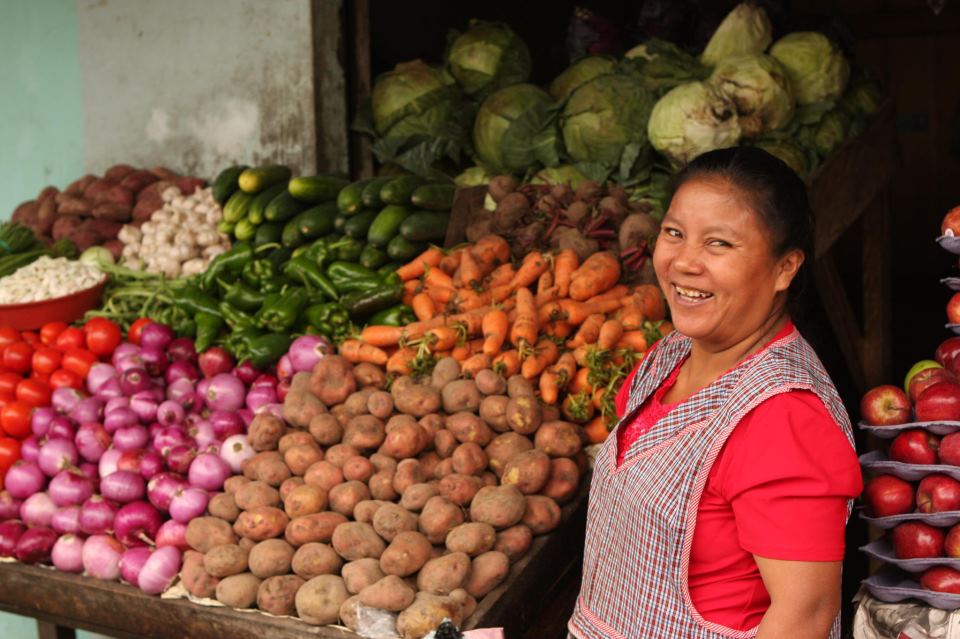
Paraguay is a market economy comprised of 17% agriculture, 27% industry, and 56% services. Subsistence agriculture employs the majority of citizens in rural areas, while many in urban areas are employed as street vendors. The country’s official poverty rate is 22% and unemployment is 6%.1 Paraguay is the world’s leading generator of renewable energy, and future economic growth depends on exports of electricity and soybeans. The Paraguayan economy is beleaguered by corruption and unequal application of the rule of law. Corruption frequently goes unpunished by the courts and authorities in Paraguay.2

Health

Reforms starting in 2008 provided government subsidies to cover basic health care costs for Paraguayans, but the healthcare sector lacks necessary funding and resources to carry out universal health care measures.1 The country currently suffers from a shortage of equipped facilities, and there are only about 1,000 hospitals and clinics in all of Paraguay. The low amount of health facilities makes care inaccessible to some, especially for specialized procedures.2 Cardiovascular disease, cancer, and other non-communicable diseases remain the leading causes of death.3

Children

Paraguay is one of the poorest countries in Latin America, with roughly 22% of the population living in poverty. Paraguay has a very young population, and 25% of the population is under the age of 14.1 Nearly 150,000 Paraguayan children grow up as orphans. Children face frequent health problems, limited educational opportunities, and are forced to become wage earners at a young age. Internal and international traffickers prey upon vulnerable children begging on the street or otherwise take advantage of those looking to help support their families.2 Additionally, child labor is widespread in the country and approximately 10% of all children ages 10 to 14 are involved in the labor force. The majority work in agriculture and the rest in services such as street vending.3

Government

The Paraguayan justice system is tainted by corruption and its impartiality is frequently questioned.The rule of law is rarely upheld with efficiency, and high-ranking officials allegedly guilty of crimes rarely receive punishment for wrongdoing. Court cases are not dealt with in a timely manner, making it difficult for citizens to receive justice.1 The violation of the rights of indigenous populations by the government is of concern as well. The Paraguayan government has frequently unjustly seized lands or denied indigenous populations rights to their traditional lands.2 Corruption in the judicial and law enforcement systems make foreign investors less likely to want to be involved in businesses in Paraguay.3

Animals

Paraguay is home to a wide variety of wildlife. Some species of rare birds that were thought to be extinct were discovered in the Chaco forest region as recently as the 1970s. Other species, such as parrots and macaws, are endangered because of illegal trade. Armadillos, snakes, and iguanas are also at risk because of the trade value of their skins.1

Nonprofits Working in Paraguay

Discover organizations making a difference in Paraguay

Make Your Impact Today

Discover causes you care about and support the nonprofits making a difference in communities around the world.

Are you a nonprofit? Join Project World Impact for free

Join Us Free