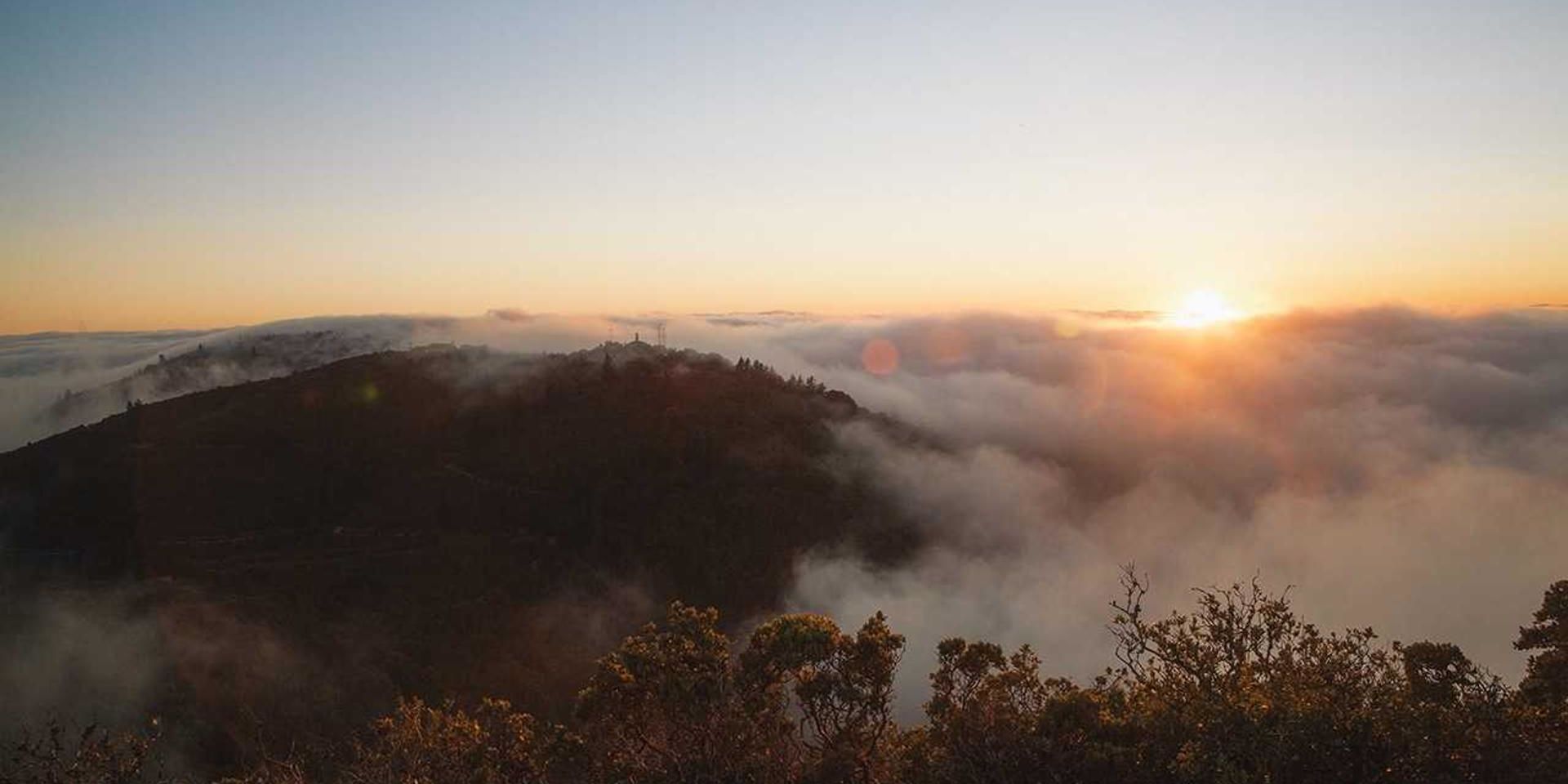
Landscape of Somalia
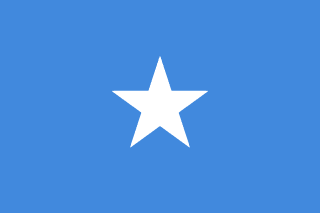
Flag of Somalia

Somalia

Africa

After Somalia’s central government collapsed in 1991, the country fell into civil war. Separate military groups seized control of different regions, unofficially dividing the nation into three separate parts—Somaliland, Puntland, and Somalia, although only Somalia is recognized by international organizations.1 Insecurity, drought, food shortages, and the threat of violence have displaced over 1 million people from their homes in the years of conflict.2 Millions of citizens also suffer the consequences of government corruption in the lack of economic opportunities and the absence of laws to protect people from sexual abuse.3 1 https://www.cia.gov/library/publications/the-world-factbook/geos/so.html 2 https://www.hrw.org/world-report/2017/country-chapters/somalia#15e26b 3 https://freedomhouse.org/report/freedom-world/2016/somalia

What would you like to learn about in Somalia?

Select a section to explore the country where nonprofits are creating positive change.

About Somalia

Britain withdrew from British Somaliland in 1960 to allow its protectorate to join with Italian Somaliland and form the new nation of Somalia. In 1969, a coup headed by Mohamed SIAD Barre ushered in an authoritarian socialist rule characterized by the persecution, jailing, and torture of political opponents and dissidents. After the regime's collapse early in 1991, Somalia descended into turmoil, factional fighting, and anarchy. In May 1991, northern clans declared an independent Republic of Somaliland that now includes the administrative regions of Awdal, Woqooyi Galbeed, Togdheer, Sanaag, and Sool. Although not recognized by any government, this entity has maintained a stable existence and continues efforts to establish a constitutional democracy, including holding municipal, parliamentary, and presidential elections. The regions of Bari, Nugaal, and northern Mudug comprise a neighboring semi-autonomous state of Puntland, which has been self-governing since 1998 but does not aim at independence; it has also made strides toward reconstructing a legitimate, representative government but has suffered some civil strife. Puntland disputes its border with Somaliland as it also claims portions of eastern Sool and Sanaag. Beginning in 1993, a two-year UN humanitarian effort (primarily in the south) was able to alleviate famine conditions, but when the UN withdrew in 1995, having suffered significant casualties, order still had not been restored. In 2000, the Somalia National Peace Conference (SNPC) held in Djibouti resulted in the formation of an interim government, known as the Transitional National Government (TNG). When the TNG failed to establish adequate security or governing institutions, the Government of Kenya, under the auspices of the Intergovernmental Authority on Development (IGAD), led a subsequent peace process that concluded in October 2004 with the election of Abdullahi YUSUF Ahmed as President of a second interim government, known as the Transitional Federal Government (TFG) of the Somali Republic. The TFG included a 275-member parliamentary body, known as the Transitional Federal Parliament (TFP). President YUSUF resigned late in 2008 while United Nations-sponsored talks between the TFG and the opposition Alliance for the Re-Liberation of Somalia (ARS) were underway in Djibouti. In January 2009, following the creation of a TFG-ARS unity government, Ethiopian military forces, which had entered Somalia in December 2006 to support the TFG in the face of advances by the opposition Islamic Courts Union (ICU), withdrew from the country. The TFP was doubled in size to 550 seats with the addition of 200 ARS and 75 civil society members of parliament. The expanded parliament elected Sheikh SHARIF Sheikh Ahmed, the former ICU and ARS chairman as president in January 2009. The creation of the TFG was based on the Transitional Federal Charter (TFC), which outlined a five-year mandate leading to the establishment of a new Somali constitution and a transition to a representative government following national elections. In 2009, the TFP amended the TFC to extend TFG's mandate until 2011 and in 2011 Somali principals agreed to institute political transition by August 2012. The transition process ended in September 2012 when clan elders appointed 275 members to a new parliament replacing the TFP and the subsequent election, by parliament, of a new president.

Quick Facts

Population
10,251,568 (July 2013 est.)
Area
637,657 sq km
ISO Code
SO
Continent
Africa
Government
in the process of building a federated parliamentary republic
Active Causes
12
View all countries in Africa

Geography & Environment

Climate

principally desert; northeast monsoon (December to February), moderate temperatures in north and hot in south; southwest monsoon (May to October), torrid in the north and hot in the south, irregular r...

Terrain

mostly flat to undulating plateau rising to hills in north

Natural Resources

uranium and largely unexploited reserves of iron ore, tin, gypsum, bauxite, copper, salt, natural gas, likely oil reserves

Environmental Issues

famine; use of contaminated water contributes to human health problems; deforestation; overgrazing; soil erosion; desertification

People & Society

51.19 years
Avg. Life Expectancy
37.8%
Literacy Rate
37.7% of total population (2011)
Total Urban Population

Languages

Somali (official), Arabic (official, according to the Transitional Federal Charter), Italian, English

Religions

Sunni Muslim (Islam) (official, according to the Transitional Federal Charter)

Education Expenditure

NA of GDP

Economy

$600
GDP per Capita (PPP)
NA%
Unemployment Rate
NA%
Below Poverty Line

Economic Overview

Despite the lack of effective national governance, Somalia has maintained a healthy informal economy, largely based on livestock, remittance/money transfer companies, and telecommunications. Agriculture is the most important sector with livestock normally accounting for about 40% of GDP and more than 50% of export earnings. Nomads and semi-pastoralists, who are dependent upon livestock for their livelihood, make up a large portion of the population. Livestock, hides, fish, charcoal, and bananas are Somalia's principal exports, while sugar, sorghum, corn, qat, and machined goods are the princip...

Causes in Somalia

Environment

Since Somalia remains one of the least developed and corrupt countries in the world, their natural resource management is dismal and there are virtually no safeguards in place to counteract the effects of climate change.1 Severe drought has caused widespread crop failure and loss of livestock, which threatens the livelihood and food source of over 6 million Somalis. The drought also places the country on the brink of its third famine in 25 years, the most recent of which occurred in 2011.2 Following the devastation of the civil war, environmental concerns have fallen in importance and relevant data is very scarce.1

Family

Traditionally, marriages in Somalia were arranged and were the symbolic joining of two different clans. In rural regions, arranged marriages remain common, and the husband is required to pay a bride price. Somali culture is largely based off Islamic traditions, and men are permitted to have up to four wives. It is also permissible the man to verbally declare a divorce.1 There is no specified minimum age for marriage, and it is estimated that 45% of Somali girls are married before age 18.2 Female genital mutilation affects 98% of women, which is one of the highest rates in the world. The practice was declared unconstitutional in 2012, but no official ban was ever created.3

Human Rights

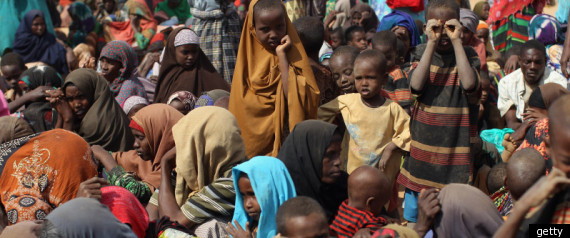
Human rights violations are rampant in Somalia. In the years during the war, the armed conflict created the perfect storm for indiscriminate human rights abuses, sexual violence, and arbitrary detentions. Additionally, the Islamist group Al-Shabaab, along with other rebel military groups, continues to exercise control on the southern region of Somalia. Over 1 million Somalis are internally displaced due to drought, violence, and arbitrary arrests. Somali women and children are highly vulnerable to abuse, violence, and rape with no government systems in place to protect them.1 Humanitarian aid organizations struggle to provide vulnerable people with what they need because of security threats and high taxes imposed by military groups.2

Education

After the devastating upheaval in the country, the education system was almost completely destroyed. School enrollment rates are some of the lowest in the world—30% of children attend primary school and 26% attend secondary school. The southern and central regions of the country are the worst and account for the majority of students out of school.1 Only 40% of primary school students are girls, which leads to a 25% literacy rate among adult women. Poverty prevents many children from attending school, and the teacher retention rate is low due to small government salaries.2

Poverty

The poverty rate in Somalia is 73% due to drought, destruction of land from climate change and war, and high numbers of internally placed people.1 Poverty has largely been concentrated in the south where food insecurity is rampant and general infrastructures are weaker. Women are among the poorest people in Somalia since they have little to no access to education and a very high rate of maternal mortality.2

Religion

The official religion in Somalia is Islam, with the majority of citizens identifying as Sunni Muslims.1 The constitution forbids the promotion of any other religion, although religious freedom is technically protected. However, militant group Al-Shabaab is known to commit crimes against anyone who disagrees with their religious practices.2

Clean Water

In Somalia, only 30% of the population has access to clean water supply, and 23% have access to improved sanitation.1 Extreme drought in Somalia has depleted the water supply in arid parts of the country. Over 700,000 people have left their homes in search of food and water since the end of 2016, and others are forced to pay inflated prices to private water sources. Many are at risk for illnesses like cholera from drinking contaminated water.2

Economy

Three-fifths of Somalia’s economy is grounded in agriculture, particularly livestock.1 Severe drought has caused over 6 million people to lose their main food sources and livelihood.2 Because of severe political upheaval and the lack of government stability, reliable economic data is not readily available. Lawlessness and the collapse of the economy have created large mass migrations and internally displaced thousands of people.3

Government

The central government is practically non-functional in Somalia because of civil war, and it is unable to collect taxes and finance its own programs. The majority of the government’s projects have been financed through international aid for the past several years.1 Corruption is the norm within government agencies and misappropriation of funds often occurs. There are almost no accountability mechanisms and checks within the Somali government. There are many restrictions on media and reporting, and Somalia ranks as one of the most dangerous countries in the world for journalists. The Islamist Al-Shabaab military group is responsible for many acts of terrorism and violence within the country. The constitutional judicial system has been replaced with military courts that administer justice to civilians.2

Health

Human development and health care have been stunted in Somalia. One of the largest health issues is the extremely high rate of maternal mortality, with 1 out of 12 women dying from pregnancy or childbirth. The infant mortality rate is also high, with 1 out of 7 children dying before the age of five.1 43% of the population is under the age of 14 and the overall life expectancy is a mere 52 years of age.2 The severe drought conditions cause widespread health problems. People die from thirst and communicable diseases that spread through contaminated water sources.3

Children

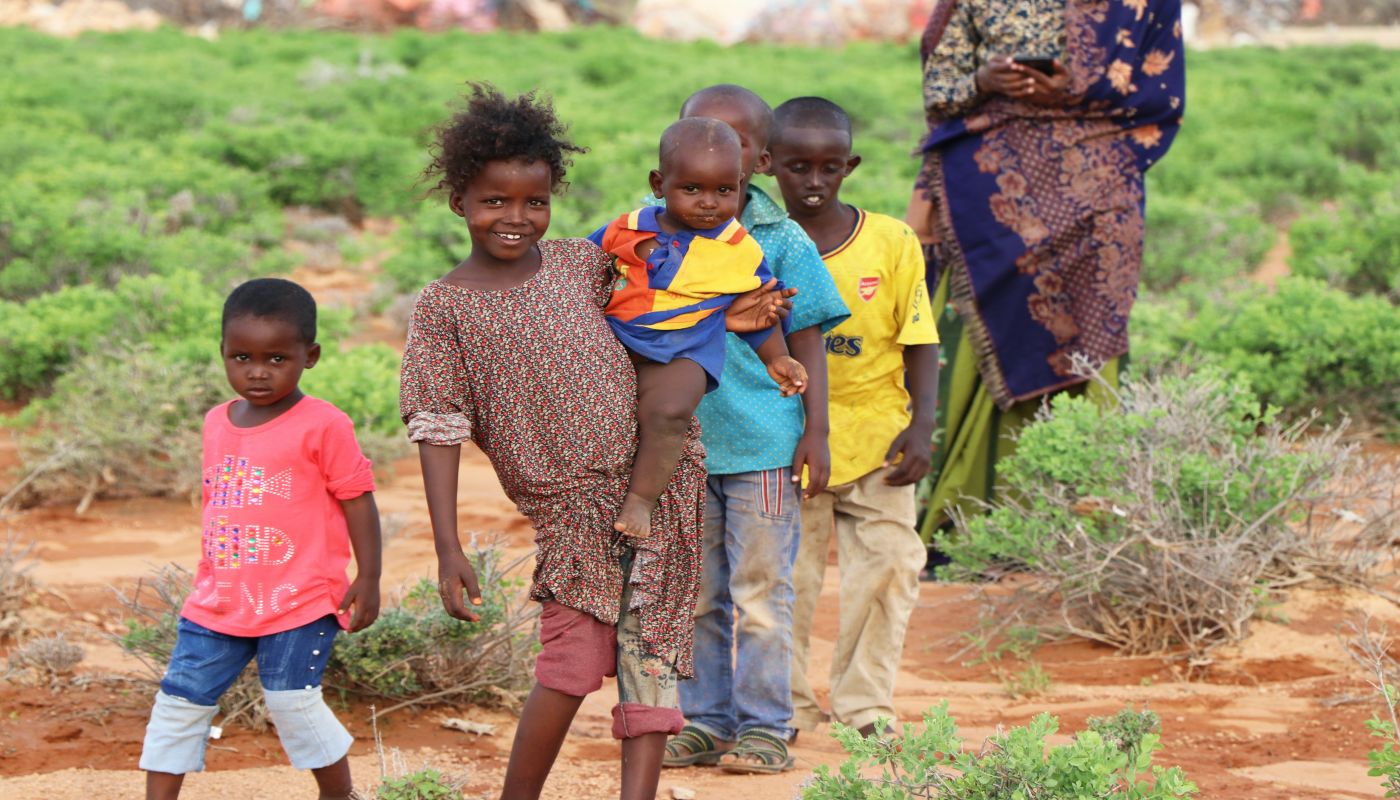
The most serious challenge that Somali children face is malnutrition. In 2017, over 1 million children were suffering from severe malnutrition and were at high risk for death from disease.1 In 2016, thousands of children were abducted, maimed, and recruited for armed forces. The militant group Al-Shabaab and the Somali National Armed Forces recruited the most child soldiers. Military groups are also responsible for sexual violence, separating children from their families, and destroying schools.2

Animals

Livestock and farm animals are dying out because of drought in arid parts of the country. Native animals such as elephants and rhinoceroses have also been killed off by poaching, although lions, tigers, and some other species still remain in the southern part of the country. The country’s wildlife reserves were left unprotected after the government collapsed in 1991, so there are no formal measures in place to protect endangered species.1

Nonprofits Working in Somalia

Discover organizations making a difference in Somalia

Project Peanut Butter

Project Peanut Butter

Across the world, severe acute malnutrition is the largest killer of children under 5 years of age, contributing to nearly half of all childhood deaths (more than 3 million children per year). We produce peanut based ready-to-use therapeutic foods (RUTF) locally in factories in Malawi, Sierra Leone, and Ghana. Our factories are internationally accredited by UNICEF, Doctors Without Borders, and the World Food Program, and our product is considered the standard of care worldwide for severely malnourished children. We strive to use as many local ingredients and staff as possible. In addition, we distribute the therapeutic food at our own mobile clinics, where PPB nurses assess children for malnutrition and provide qualifying children with life-saving food at no charge.

Maplewood, Missouri

Make Your Impact Today

Discover causes you care about and support the nonprofits making a difference in communities around the world.

Are you a nonprofit? Join Project World Impact for free

Join Us Free