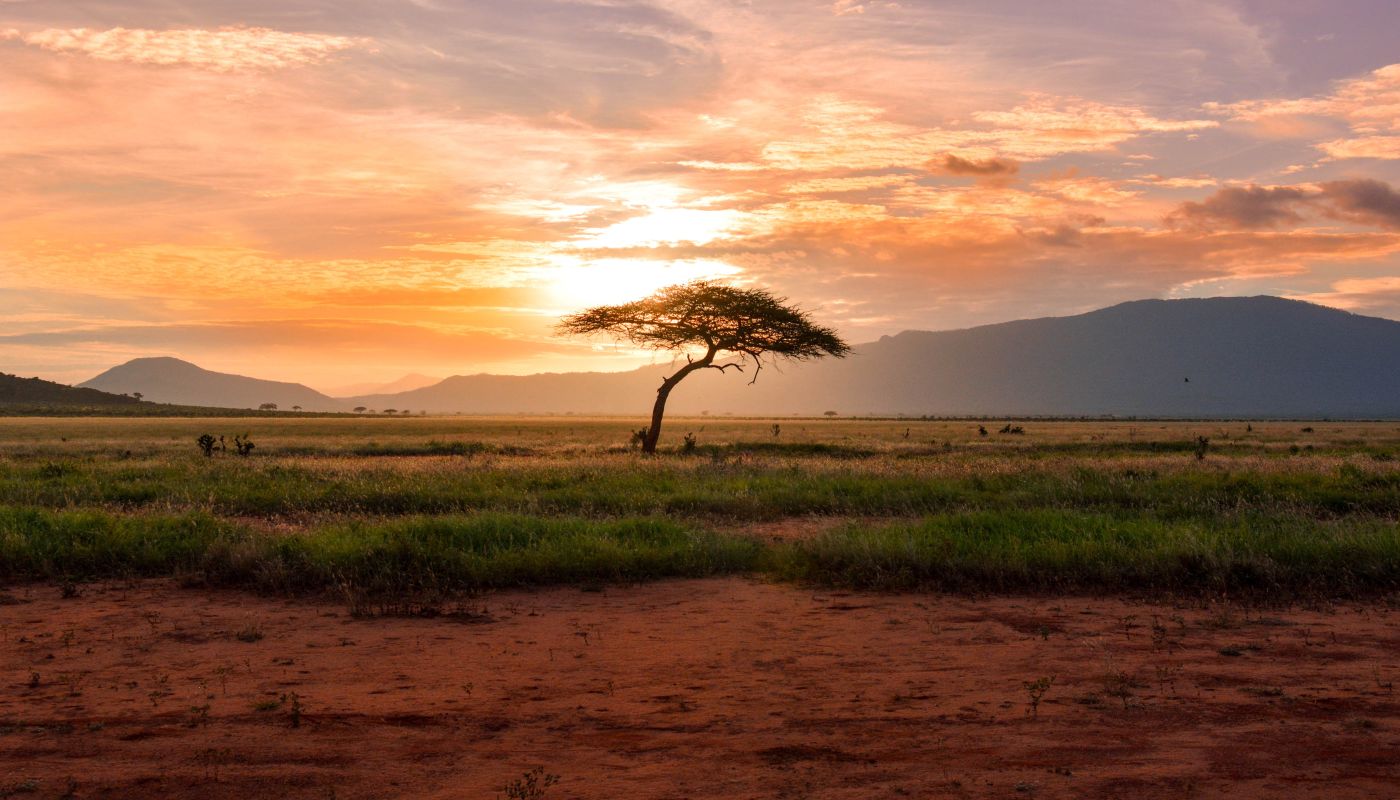
Landscape of South Africa
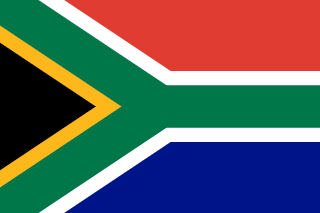
Flag of South Africa

South Africa

Africa

During the 20th century, South Africa was looked at by the international community with disdain due to their apartheid system that intentionally separated races and was controlled by the white minority. Since the fall of this system in 1994, there has been progress made to undo the systematic racism, but there are still large discrepancies in housing and economic inequality. Despite these problems, there have been numerous peaceful transitions of power. The nation still struggles with severe health and poverty issues. South Africa has diverse and attractive natural habitats, but much of their wildlife is threatened by climate change and poor hunting practices.1 1 https://www.britannica.com/place/South-Africa/Postapartheid-South-Africa

What would you like to learn about in South Africa?

Select a section to explore the country where nonprofits are creating positive change.

About South Africa

Dutch traders landed at the southern tip of modern day South Africa in 1652 and established a stopover point on the spice route between the Netherlands and the Far East, founding the city of Cape Town. After the British seized the Cape of Good Hope area in 1806, many of the Dutch settlers (the Boers) trekked north to found their own republics. The discovery of diamonds (1867) and gold (1886) spurred wealth and immigration and intensified the subjugation of the native inhabitants. The Boers resisted British encroachments but were defeated in the Boer War (1899-1902); however, the British and the Afrikaners, as the Boers became known, ruled together beginning in 1910 under the Union of South Africa, which became a republic in 1961 after a whites-only referendum. In 1948, the National Party was voted into power and instituted a policy of apartheid - the separate development of the races - which favored the white minority at the expense of the black majority. The African National Congress (ANC) led the opposition to apartheid and many top ANC leaders, such as Nelson MANDELA, spent decades in South Africa's prisons. Internal protests and insurgency, as well as boycotts by some Western nations and institutions, led to the regime's eventual willingness to negotiate a peaceful transition to majority rule. The first multi-racial elections in 1994 brought an end to apartheid and ushered in majority rule under an ANC-led government. South Africa since then has struggled to address apartheid-era imbalances in decent housing, education, and health care. ANC infighting, which has grown in recent years, came to a head in September 2008 when President Thabo MBEKI resigned, and Kgalema MOTLANTHE, the party's General-Secretary, succeeded him as interim president. Jacob ZUMA became president after the ANC won general elections in April 2009.

Quick Facts

Population
48,601,098 (July 2013 est.)
Area
1,219,090 sq km
ISO Code
ZA
Continent
Africa
Government
republic
Active Causes
12
View all countries in Africa

Geography & Environment

Climate

mostly semiarid; subtropical along east coast; sunny days, cool nights

Terrain

vast interior plateau rimmed by rugged hills and narrow coastal plain

Natural Resources

gold, chromium, antimony, coal, iron ore, manganese, nickel, phosphates, tin, rare earth elements, uranium, gem diamonds, platinum, copper, vanadium, salt, natural gas

Environmental Issues

lack of important arterial rivers or lakes requires extensive water conservation and control measures; growth in water usage outpacing supply; pollution of rivers from agricultural runoff and urban di...

People & Society

49.48 years
Avg. Life Expectancy
93%
Literacy Rate
62% of total population (2011)
Total Urban Population

Languages

IsiZulu (official) 23.82%, IsiXhosa (official) 17.64%, Afrikaans (official) 13.35%, Sepedi (offcial) 9.39%, English (official) 8.2%, Setswana (officia...

Religions

Protestant 36.6% (Zionist Christian 11.1%, Pentecostal/Charismatic 8.2%, Methodist 6.8%, Dutch Reformed 6.7%, Anglican 3.8%), Catholic 7.1%, Muslim 1....

Health Expenditure

8.9% of GDP (2010) of GDP

Education Expenditure

6% of GDP (2010) of GDP

Economy

$11,600
GDP per Capita (PPP)
22.7%
Unemployment Rate
31.3% (2009 est.)
Below Poverty Line

Economic Overview

South Africa is a middle-income, emerging market with an abundant supply of natural resources; well-developed financial, legal, communications, energy, and transport sectors and a stock exchange that is the 15th largest in the world. Even though the country possesses modern infrastructure that support a relatively efficient distribution of goods to major urban centers throughout the region, some components retard growth. The economy began to slow in the second half of 2007 due to an electricity crisis. State power supplier Eskom encountered problems with aging plants and meeting electricity de...

Causes in South Africa

Environment

South Africa is highly susceptible to climate change and oceanic fluctuations because it is surrounded by ocean to the east, west, and south. Natural disasters such as floods, droughts, and heatwaves are common.1 Climate change, pollution, and changing sea levels are also destroying biodiversity and ecosystems. There is a significant amount of crude oil pollution on the coastline because of oil transport from the Arabian Gulf.2

Family

Under the apartheid system in the 20th century, South Africans were sequestered into very distinct classes based on their race, and there are still lasting effects of this today. Violence against women is rampant and widespread, but most cases go unreported.1

Human Rights

There are still many inequalities lingering from apartheid, and racism and classism are common. In addition, there are many instances recorded of xenophobic violence and prejudice against migrants and those seeking asylum in South Africa.1

Education

South Africa spends more than any other African country on education, and school is mandatory for children aged 7-15. Despite their efforts to improve education, the quality is still dismal with nearly 25% of students failing end of year examinations.1 There are significant differences between children in rural and urban areas, and many in rural areas have less access to qualified teachers and necessary supplies.2 The national literacy rate is at 93% and the primary school enrollment rate is nearly 100%.3

Poverty

Approximately 16% of the population lives below the poverty line.1

Religion

The population of South Africa is approximately 36% Protestant, 7.1% Catholic, 1.5% Muslim, 36% other Christian, and 15% non religious.1

Clean Water

Approximately five million South Africans do not have access to clean water. Cities feel strain on their water supplies as urbanization increases. Additionally, climate change has dried up water sources and caused more frequent droughts which has made the water supply dwindle. In some places, the situation is so dire that water is stolen and distributed illegally.1 Approximately 95% of the population has clean drinking water and 74% have access to adequate sanitation infrastructure.2

Economy

Weak rule of law and government corruption have impeded the South African economy from living up to its potential. Frequent political instability makes it difficult for foreign investments and the private sector to flourish. The unemployment rate of South Africa is near 25%, and the biggest exports are natural resources like gold and platinum and manufacturing.1

Government

South Africa’s government is a constitutional republic, which, up until 1994, was controlled by the white minority under a system of systematic racism. A president acts as both the head of state and the head of the government, governs the country, and is elected by the people in fairly free elections.1 There have been increased levels of corruption in recent years, and the government-run media is extremely partial, and some reporters opposing the current government have been arrested unjustly. Bribes are common and only a small elite hold office.2

Health

7 million people live with HIV in South Africa, and each year, there are over 100,000 AIDs related deaths.1 HIV/AIDS is the leading cause of death in the country, and it is the biggest HIV epidemic in the world.2 The life expectancy is 63.3

Children

The South African government is working to provide adequate care to children who are orphaned, vulnerable, or experiencing violence. There is a long history of social fracturing and violence, and an extreme burden of HIV has increased the number of orphans that are living in the country.1 There are an estimated 3.7 million orphaned children in South Africa.2 The infant mortality rate in South Africa is 34 deaths per 1,000 live births.3

Animals

South Africa boasts an extremely diverse array of animals like leopards, rhinos, giraffes, and lions. Rhino poaching is a serious problem in South Africa, and between 2007 and 2013, poaching increased by over 7,000%.1 In 2017, the South African government made it legal to sell rhino horns, and some conservationists are concerned that this will further exacerbate the damage being done. South Africa is home to 70% of all the rhinos on the planet, and their horns are popular to trade in East Asian countries for medicinal purposes.2

Nonprofits Working in South Africa

Discover organizations making a difference in South Africa

Rising International

Rising International

Our Unique Local-Global Solution Rising International is a nonprofit organization that has revolutionized the home party business model to alleviate poverty locally and globally. Think Avon or Tupperware for a social cause. We find the world’s most forgotten women (like Fatima) and enable them to change their destinies by selling their handmade crafts at Rising Home and Corporate Parties. We train women and teens, many un-employed or under- employed, (like Susana) to run their own Rising Home Party businesses and sell crafts made by their global sisters. We search the U.S. for party hosts (like Nancy) who invite friends to their homes to shop. Our sustainable model empowers both local and global entrepreneurs to rise above their circumstances.

Santa Cruz, California

Make Your Impact Today

Discover causes you care about and support the nonprofits making a difference in communities around the world.

Are you a nonprofit? Join Project World Impact for free

Join Us Free