Landscape of Swaziland
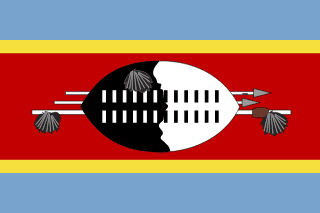
Flag of Swaziland

Swaziland

Africa

Many issues in Swaziland are related to health and human rights. One third of the population does not have access to clean water, leading to water-borne illnesses.1 The country has the highest rate of HIV/AIDS infections per capita in the world, with 26% of the population being infected.2 Social stigmas against AIDS and women’s rights have led to high levels of domestic violence with little to no consequences for perpetrators.3 Finally, government corruption often obstructs justice and prevents levels of economic growth.4 1 http://www.wateraid.org/us/where-we-work/page/swaziland 2 http://www.wfp.org/countries/swaziland/overview 3 https://www.hrw.org/world-report/2017/country-chapters/swaziland 4 http://www.heritage.org/index/country/swaziland

What would you like to learn about in Swaziland?

Select a section to explore the country where nonprofits are creating positive change.

About Swaziland

Autonomy for the Swazis of southern Africa was guaranteed by the British in the late 19th century; independence was granted in 1968. Student and labor unrest during the 1990s pressured King MSWATI III, Africa's last absolute monarch, to grudgingly allow political reform and greater democracy, although he has backslid on these promises in recent years. A constitution came into effect in 2006, but the legal status of political parties remains unclear. The African United Democratic Party tried unsuccessfully to register as an official political party in mid 2006. Talks over the constitution broke down between the government and progressive groups in 2007. Swaziland recently surpassed Botswana as the country with the world's highest known HIV/AIDS prevalence rate.

Quick Facts

Population
1,403,362 (July 2013 est.)
Area
17,364 sq km
ISO Code
SZ
Continent
Africa
Government
monarchy
Active Causes
12
View all countries in Africa

Geography & Environment

Climate

varies from tropical to near temperate

Terrain

mostly mountains and hills; some moderately sloping plains

Natural Resources

asbestos, coal, clay, cassiterite, hydropower, forests, small gold and diamond deposits, quarry stone, and talc

Environmental Issues

limited supplies of potable water; wildlife populations being depleted because of excessive hunting; overgrazing; soil degradation; soil erosion

People & Society

50.01 years
Avg. Life Expectancy
87.8%
Literacy Rate
21.2% of total population (2011)
Total Urban Population

Languages

English (official, used for government business), siSwati (official)

Religions

Zionist 40% (a blend of Christianity and indigenous ancestral worship), Roman Catholic 20%, Muslim 10%, other (includes Anglican, Baha'i, Methodist, M...

Health Expenditure

6.6% of GDP (2010) of GDP

Education Expenditure

8.2% of GDP (2011) of GDP

Economy

$5,900
GDP per Capita (PPP)
40%
Unemployment Rate
69% (2006)
Below Poverty Line

Economic Overview

Surrounded by South Africa, except for a short border with Mozambique, Swaziland depends heavily on South Africa from which it receives more than 90% of its imports and to which it sends 60% of its exports. Swaziland's currency is pegged to the South African rand, effectively subsuming Swaziland's monetary policy to South Africa. The government is heavily dependent on customs duties from the Southern African Customs Union (SACU), and worker remittances from South Africa supplement domestically earned income. Subsistence agriculture employs approximately 70% of the population. The manufacturing...

Causes in Swaziland

Environment

Experts project a rise in average temperatures and decrease in annual rainfall in Swaziland due to climate change. Climate change will significantly degrade the amount of forested land and increase the effects of desertification. A significant loss of biodiversity within the country is also expected.1 Swaziland is also very vulnerable to natural disasters such as flooding and droughts. These natural disasters undermine the agricultural industry, which is where approximately 70% of the country finds employment.2

Family

Gender based violence, especially against women, is a major concern in Swaziland and is deeply rooted in the country’s patriarchal traditions. Approximately one in three Swazi girls experience sexual violence before age 18. Although rape and sexual assault are illegal, acquittals are common and sentences are often light. Many cases are never even reported.1 Divorce is currently illegal in Swaziland, even in marriages that result from kidnapping or coercion, as a result of a decree from the king.2

Human Rights

The absolute power of Swaziland’s monarchy leads to many human rights violations. Any critics of the government are persecuted and prohibited from speaking their opinions. Two opposition leaders were jailed and could face up to 15 years of jail time for speaking at a pro-democracy rally. Women’s rights are often disregarded, and the government views gender equality as less important than traditional cultural patriarchal values.1 The United Nations has issued statements denouncing the government’s human rights violations.2

Education

Education in Swaziland is not compulsory, but it is funded by the government through primary school. 90% of children complete primary education, but only 20% go on to complete the three years of secondary school.1 However, government actions still make the quality of education in Swaziland unpredictable. In 2015, the minister of education shut down schools for seven consecutive days and mandated students to carry out national duties, like weeding the king’s garden, instead of attending classes.2 Despite this, the country’s literacy rate is at 87% and is equally dispersed between males and females.3

Poverty

Approximately 63% of Swazis live below the national poverty line.1 As a landlocked country, Swaziland faces numerous challenges in poverty eradication. The vulnerability to natural disasters like drought continually undermine 70% of Swazis’ employment, which is small-scale subsistence farming.2 With frequent droughts, the food prices are rising and making it increasingly more difficult for Swazis to buy food. 30% of the population is food insecure.1 The unemployment rate is also very high at around 28%.2

Religion

The most common religion in Swaziland is Zionism, which is a mix of Christianity and traditional indigenous beliefs and accounts for 40% of the population. Additionally, approximately 20% of the population is Roman Catholic, 10% are Muslim, and the rest belong to small communities of Mormons, Jews, Anglicans, and Methodists.1 Swaziland’s constitution protects the freedom of religion and this is generally well respected by the government, although the government aligns itself with Christian programs.2

Clean Water

Approximately 300,000 people, one-fourth of Swaziland’s population, do not have access to clean drinking water, and 500,000 do not have access to improved sanitation. Lack of proper water and sanitation in Swaziland contributes to the deaths of over 200 children annually from diarrheal diseases.1 Only 10% of the country’s groundwater has been accessed because of inadequate technology and training, and a lack of large bodies of water means that the country’s water sources are in danger of depletion.2

Economy

Due to Swaziland’s close proximity to South Africa, the bulk of the country’s economic activity depends on its neighbor. Approximately 90% of all imports and 60% of all exports in Swaziland come from or go to South Africa. Remittances and customs from the Southern African Customs Union are two huge monetary contributors to the economy. Around 70% of citizens are employed through subsistence agriculture, although the industry has struggled in recent years because of drought and soil degradation. Most of the remaining citizens are reportedly unemployed.1 Corruption is pervasive and hinders opportunity for economic growth.2

Government

The Kingdom of Swaziland is a monarchy that has been under the rule of King Mswati III since 1986. The country also has an elected prime minister and legislature.1 Recently, government corruption has been blamed for causing economic ineffectiveness and systemic issues within the government.2 Since the king has been granted ultimate judicial rule, the judiciary is unable to function totally independently and thus is subject to political interference.2 Opposition parties are banned, along with any speech against the government.3

Health

Swaziland has the world’s highest prevalence rate for HIV/AIDS with 26% of the population being infected. The high rate of HIV/AIDs has left 45% of the country’s children either orphaned or abandoned, and thus vulnerable to exploitation. Malnutrition is also a major problem, and 26% of children under age five are stunted.1 HIV/AIDS still carries a stigma in the country, and many people hide their diagnosis to avoid public humiliation. Young women are the most vulnerable to the disease because of the prevalence of sexual violence, but there are not adequate educational programs in place to teach them about prevention and treatment.2 In addition to the HIV/AIDs epidemic, Swaziland also faces dangerously high levels of tuberculosis. Tuberculosis is the leading cause of death of those already living with HIV/AIDS and there are increasing amounts of drug resistant strains of TB emerging. One of the most effective ways the government has been able to curb the epidemic has been through the proliferation of antiretroviral treatment points in rural areas.3 The average life expectancy in Swaziland is very low at just 51 years of age.4

Children

Around 26% of Swazi children who are below the age of five are stunted due to malnourishment. Malnourishment in children leads to the increased cost of health care, lower academic attendance, and the general loss of productivity, costing the country 3% of its GDP every year.1 Children are forced into domestic labor by their families, villages, and even the government on occasion.2

Animals

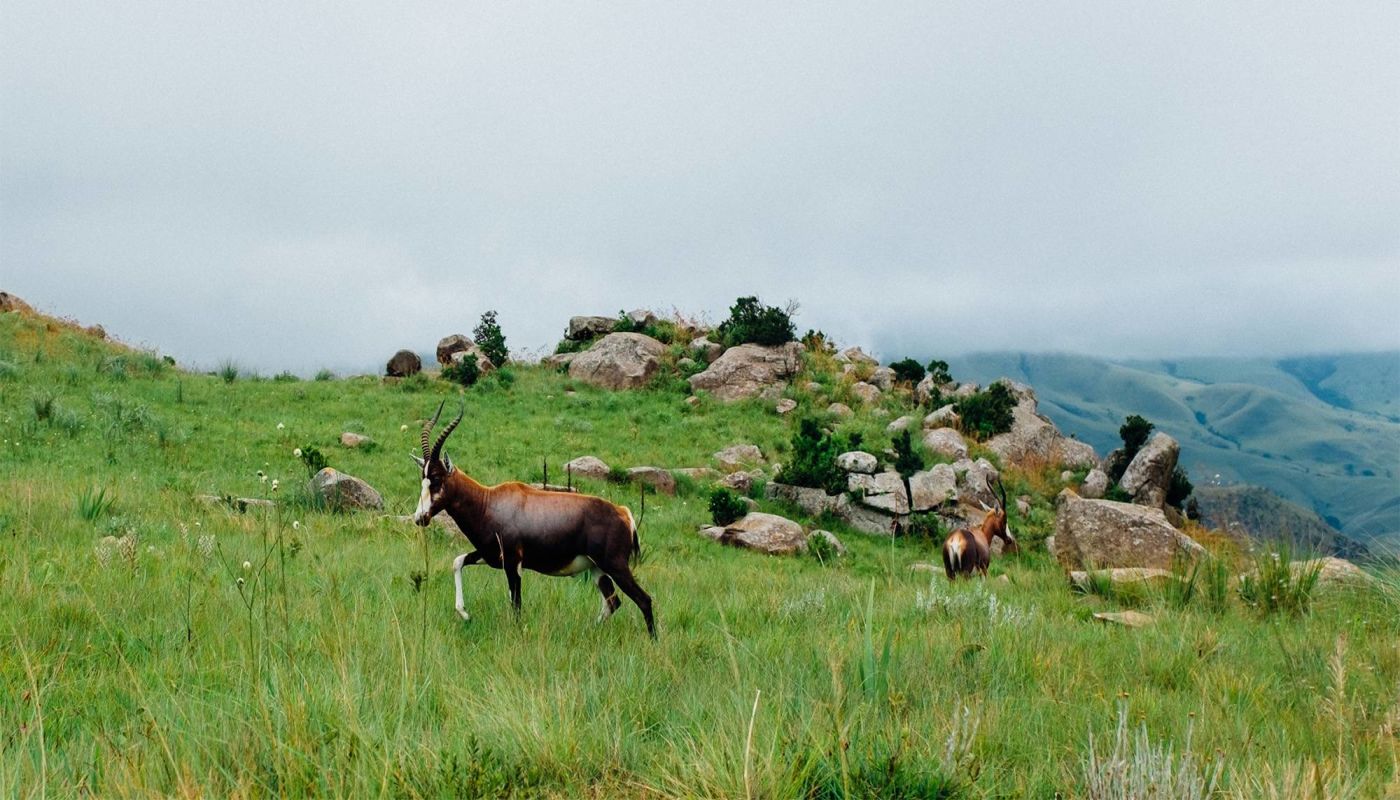
Many indigenous species like hippopotamuses and elephants no longer exist in their natural habitats because of human population and can only be found in natural reserves. Smaller mammals like jackals and baboons are still common.1

Nonprofits Working in Swaziland

Discover organizations making a difference in Swaziland

Make Your Impact Today

Discover causes you care about and support the nonprofits making a difference in communities around the world.

Are you a nonprofit? Join Project World Impact for free

Join Us Free