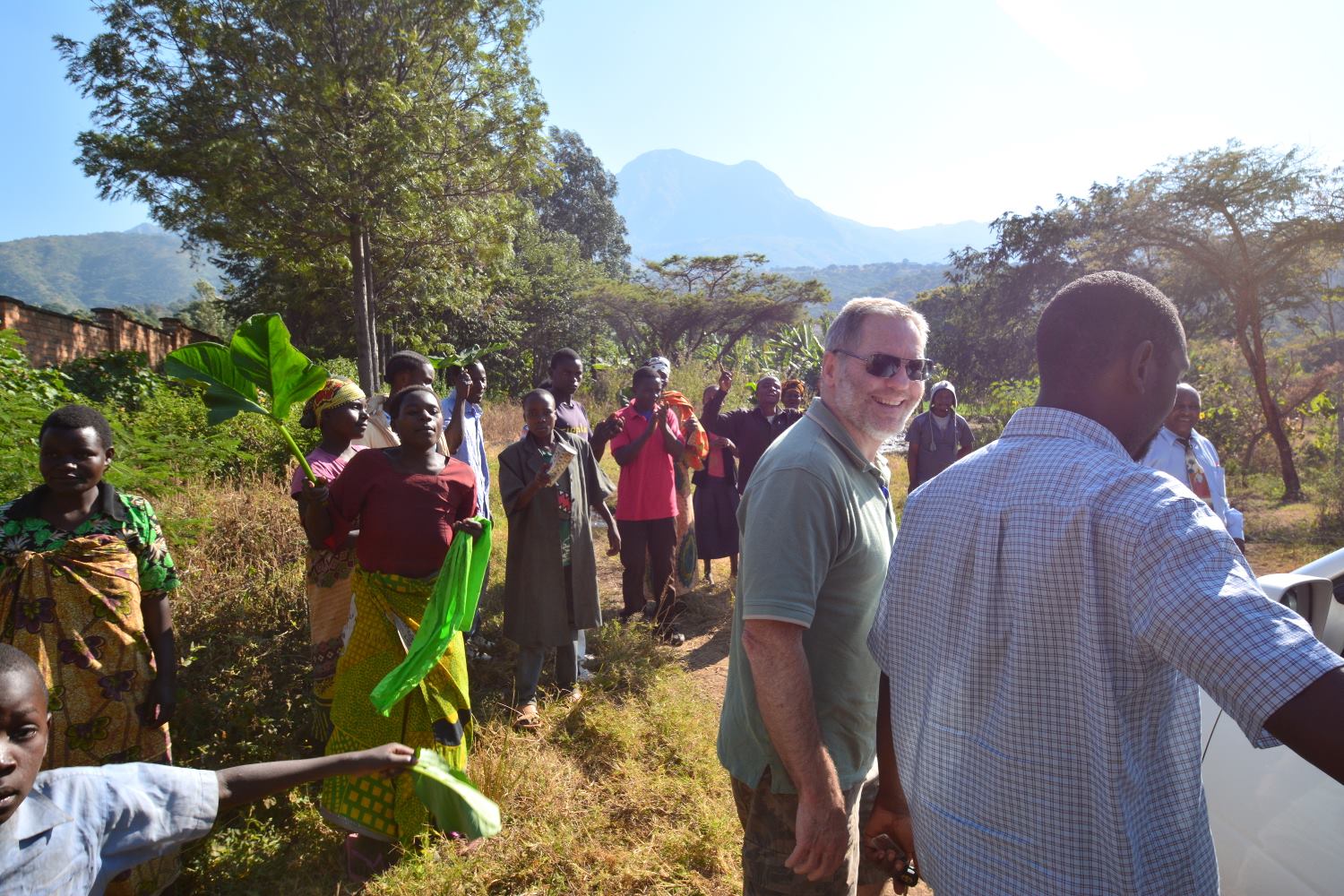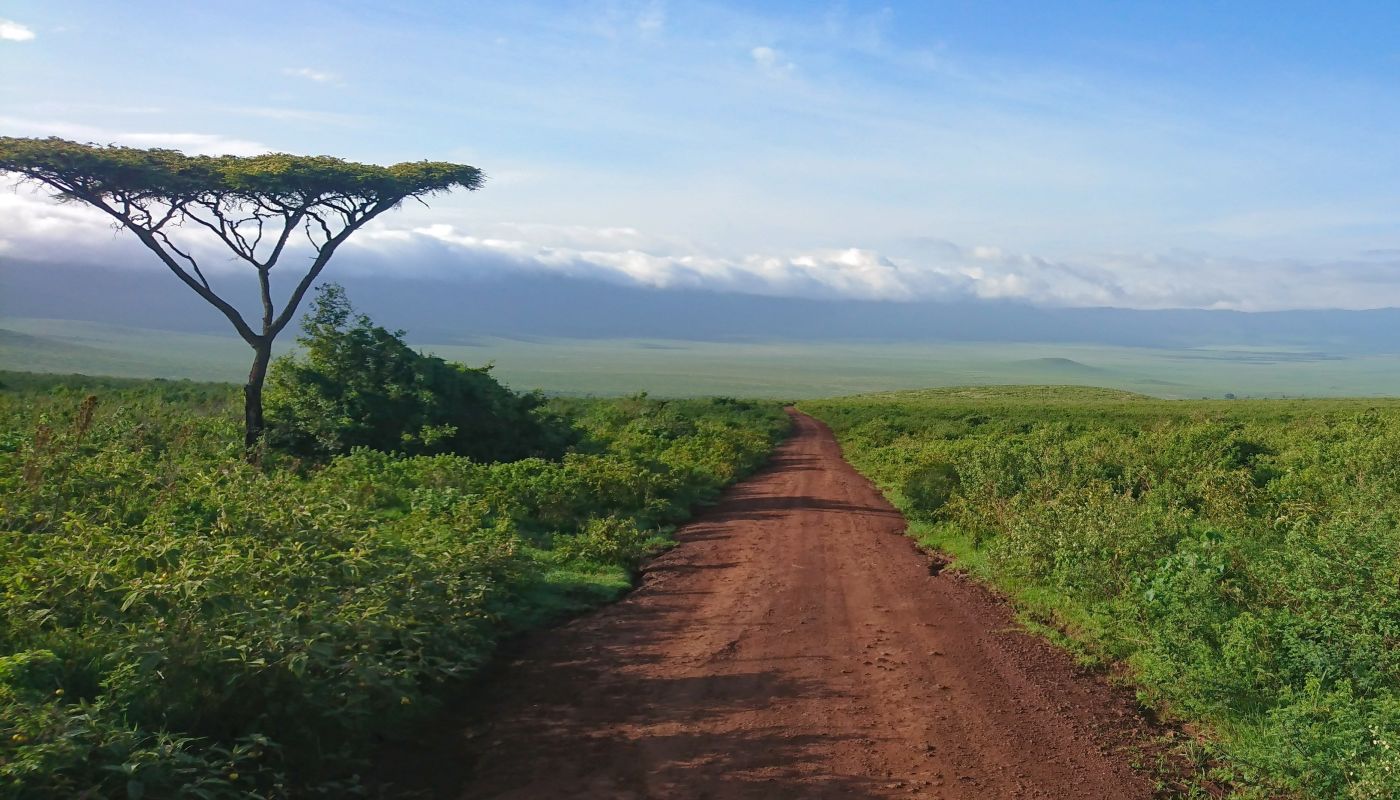
Landscape of Tanzania
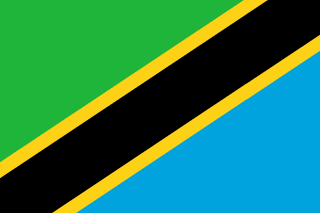
Flag of Tanzania

Tanzania

Africa

The United Republic of Tanzania is a bustling East African country. Home to Kilimanjaro, the highest peak in Africa, and Serengeti National Park, Tanzania brings in a large amount of tourists each year.1 Despite growth in the economy, the nation still struggles to modernize, especially in rural areas, and poverty rates are extremely high. 1 http://www.shadowsofafrica.com/travel-africa/tribes-religion-of-tanzania/

What would you like to learn about in Tanzania?

Select a section to explore the country where nonprofits are creating positive change.

About Tanzania

Shortly after achieving independence from Britain in the early 1960s, Tanganyika and Zanzibar merged to form the nation of Tanzania in 1964. One-party rule ended in 1995 with the first democratic elections held in the country since the 1970s. Zanzibar's semi-autonomous status and popular opposition led to two contentious elections since 1995, which the ruling party won despite international observers' claims of voting irregularities. The formation of a government of national unity between Zanzibar's two leading parties succeeded in minimizing electoral tension in 2010.

Quick Facts

Population
48,261,942 (July 2013 est.)
Area
947,300 sq km
ISO Code
TZ
Continent
Africa
Government
republic
Active Causes
12
View all countries in Africa

Geography & Environment

Climate

varies from tropical along coast to temperate in highlands

Terrain

plains along coast; central plateau; highlands in north, south

Natural Resources

hydropower, tin, phosphates, iron ore, coal, diamonds, gemstones, gold, natural gas, nickel

Environmental Issues

soil degradation; deforestation; desertification; destruction of coral reefs threatens marine habitats; recent droughts affected marginal agriculture; wildlife threatened by illegal hunting and trade,...

People & Society

60.76 years
Avg. Life Expectancy
67.8%
Literacy Rate
26.7% of total population (2011)
Total Urban Population

Languages

Kiswahili or Swahili (official), Kiunguja (name for Swahili in Zanzibar), English (official, primary language of commerce, administration, and higher...

Religions

mainland - Christian 30%, Muslim 35%, indigenous beliefs 35%; Zanzibar - more than 99% Muslim

Health Expenditure

6% of GDP (2010) of GDP

Education Expenditure

6.2% of GDP (2009) of GDP

Economy

$1,600
GDP per Capita (PPP)
NA%
Unemployment Rate
36% (2002 est.)
Below Poverty Line

Economic Overview

Tanzania is one of the world's poorest economies in terms of per capita income, however, it has achieved high overall growth rates based on gold production and tourism. Tanzania has largely completed its transition to a liberalized market economy, though the government retains a presence in sectors such as telecommunications, banking, energy, and mining. The economy depends on agriculture, which accounts for more than one-quarter of GDP, provides 85% of exports, and employs about 80% of the work force. The World Bank, the IMF, and bilateral donors have provided funds to rehabilitate Tanzania's...

Causes in Tanzania

Environment

Most Tanzanians live off of the land, but the resources that come from the environment are in danger because of illegal and unsustainable deforestation projects.1 28% of the land is protected by national parks, but because of animal migration patterns and crop rotations, this does not solve the vast problems that deforestation and pollution are causing.2 In 2017, Tanzania began to take environmental protection more seriously by putting economic sanctions and penalties on companies who fail to effectively dispose industrial waste.3

Family

Families are large, with the average woman giving birth to five children.1 Domestic violence is common in Tanzanian culture, and it is not uncommon in the patriarchal society for multiple brides to be exchanged for livestocks and other forms of payment.1 There is a growing movement of women marrying other women in order to protect themselves from abuse and gain other legal rights not available to single women. Females see marrying each other as a way to protect themselves as 45% of all women are subject to domestic abuse.2

Human Rights

There are reports of the police using excessive force and arbitrarily arresting those who participate in protests in opposition to governmental policies. The child marriage rate is among the highest in the world, and women are not given equal rights in the legal system or socially.1 Freedom of the media is also suppressed. The president has openly stated that he will not tolerate any sort of criticism from the media, and this has led to threats, detainments, and arrests of reporters.2

Education

Over the past decade Tanzania has made huge efforts to improve the quality and accessibility of education within the country. Providing quality teaching in all schools is still a major challenge to overcome.1 It is required for all to finished primary education, but completing secondary education is more difficult because of the lack of infrastructure. Most secondary schools are privately provided by religious institutions.2 Over two-thirds of the population are literate, well above the average of African nations.3

Poverty

70% of the population lives below the poverty line.1 Although poverty exists everywhere, it is most heavily concentrated in rural areas where 80% of poverty stricken households are located, and it is particularly common among female headed households.2 The number of Tanzanians living in poverty has been decreasing over the past decade, and many families have their most basic needs provided for even though they are still living in poverty.

Religion

Roughly one-third of the population is Christian, one-third Muslim, and the final third follow native indigenous religions. Separation of church and state and the freedom of religion are protected in Tanzania, but many Muslims feel inadequately represented in government positions.1 The island of Zanzibar is almost completely Muslim.

Clean Water

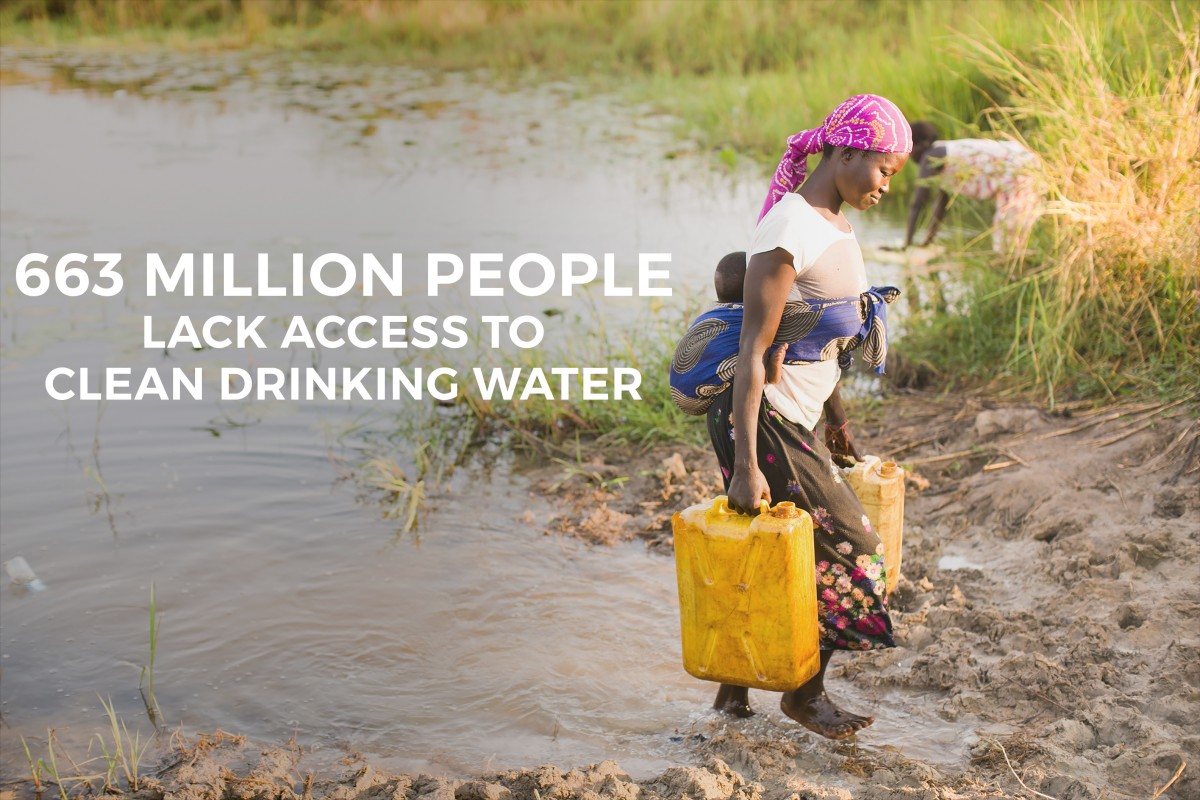
Tanzania has faced difficulty providing all of its citizens with reliable access to clean water. 48% of Tanzanians do not have access to clean water.When a significant portion of the population has no clean water, the country suffers loss of productivity, increased health expenditures, and early death.1 Around 26,000 early deaths, and 30% of all childhood deaths, are caused from preventable waterborne diseases annually.2

Economy

Tanzania has experienced significant economic growth in the past decade, but much of this cannot be sustained without a government commitment to legal and structural reforms to promote long-term development.1 Agriculture employs 80% of the population as well as providing the country with 85% of their total exports.2 The banking and finance sector has been steadily growing, but further institutional reforms are essential for the continued growth of the economy. Approximately 3.6% of the population is unemployed.1

Government

Tanzania’s political elections are generally regarded as fair and free, but corruption is still prevalent in all areas of government with bribes and nepotism being commonplace.1 This corruption limits the nation’s ability to develop economically as government officials are known to take revenues from the oil industry for themselves. The nation is a presidential republic with a unicameral parliament.2

Health

Health care has been improving significantly in Tanzania in the last decade, and the most significant improvement has been the extension of life expectancy and the rapid decline of the child mortality rate.1 There are still many challenges to health in rural areas, and 60% of births are performed at a clean health facility with a skilled birth attendant present. Both the prevalence of malaria and HIV continue to cause preventable deaths, and poor sanitation practices and malnutrition contribute to childhood death.1 The life expectancy is 62 years.2

Children

Child marriage is widely practiced in Tanzania, with 33% of girls being married before their 18th birthday. This limits girls’ access to education and opens them up to several health concerns.1 There are even cases of girls as young as seven years of age being married off.1 Only 16% of children are registered at birth which makes accurate statistics on children very difficult to find, but it is estimated that 5% of children die before their 5th birthday.2

Animals

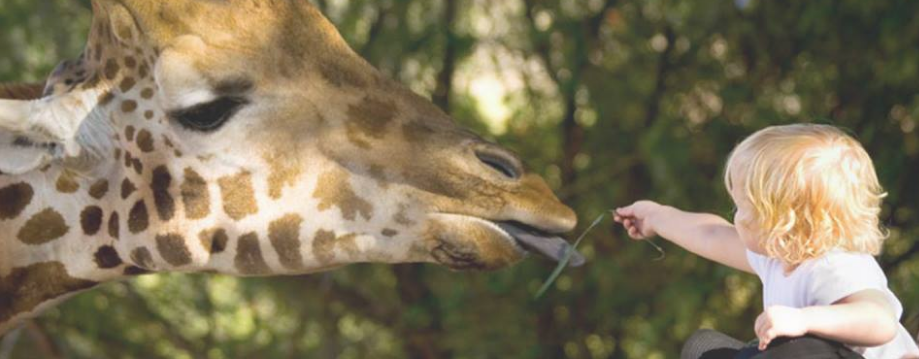
Tanzania is home to a wide array of animal species, and safari tourism to see these animals is popular. Lions, cheetahs, leopards, and giraffes are all common. One-third of the land in Tanzania is protected by the government, but many Tanzanians live off the land which creates tension between the environment and the people.1 The land is susceptible to degradation and erosion caused by poor farming practices and deforestation.2

Nonprofits Working in Tanzania

Discover organizations making a difference in Tanzania

Rising International

Rising International

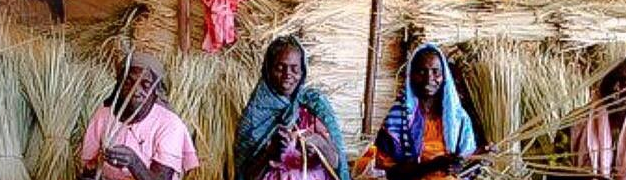
Our Unique Local-Global Solution Rising International is a nonprofit organization that has revolutionized the home party business model to alleviate poverty locally and globally. Think Avon or Tupperware for a social cause. We find the world’s most forgotten women (like Fatima) and enable them to change their destinies by selling their handmade crafts at Rising Home and Corporate Parties. We train women and teens, many un-employed or under- employed, (like Susana) to run their own Rising Home Party businesses and sell crafts made by their global sisters. We search the U.S. for party hosts (like Nancy) who invite friends to their homes to shop. Our sustainable model empowers both local and global entrepreneurs to rise above their circumstances.

Santa Cruz, California

Make Your Impact Today

Discover causes you care about and support the nonprofits making a difference in communities around the world.

Are you a nonprofit? Join Project World Impact for free

Join Us Free