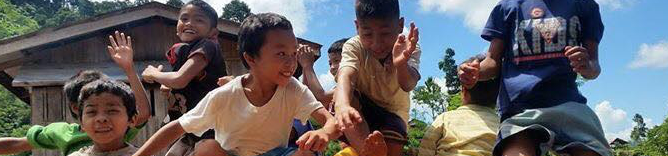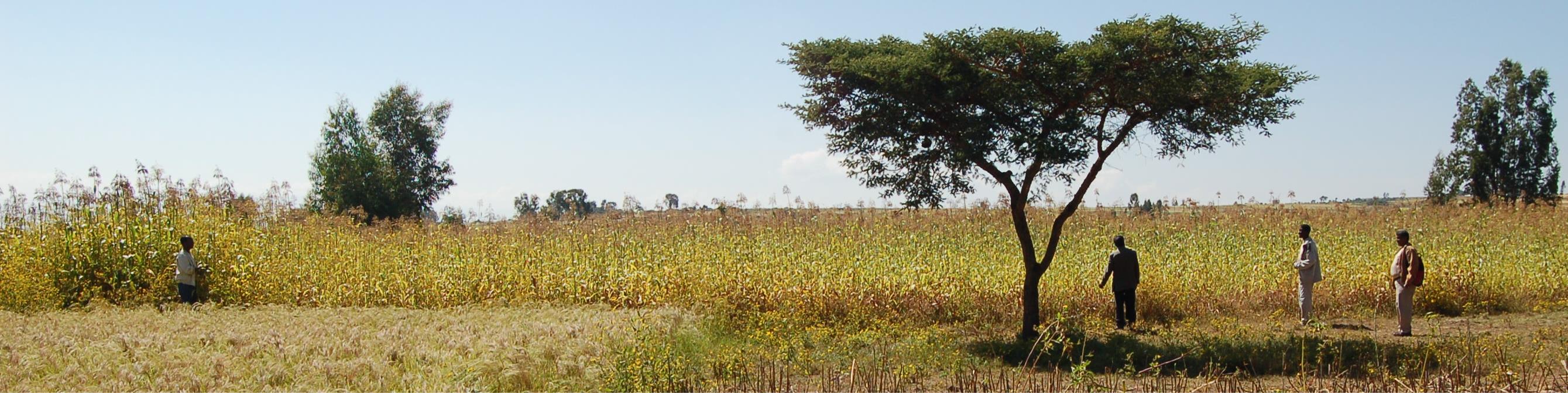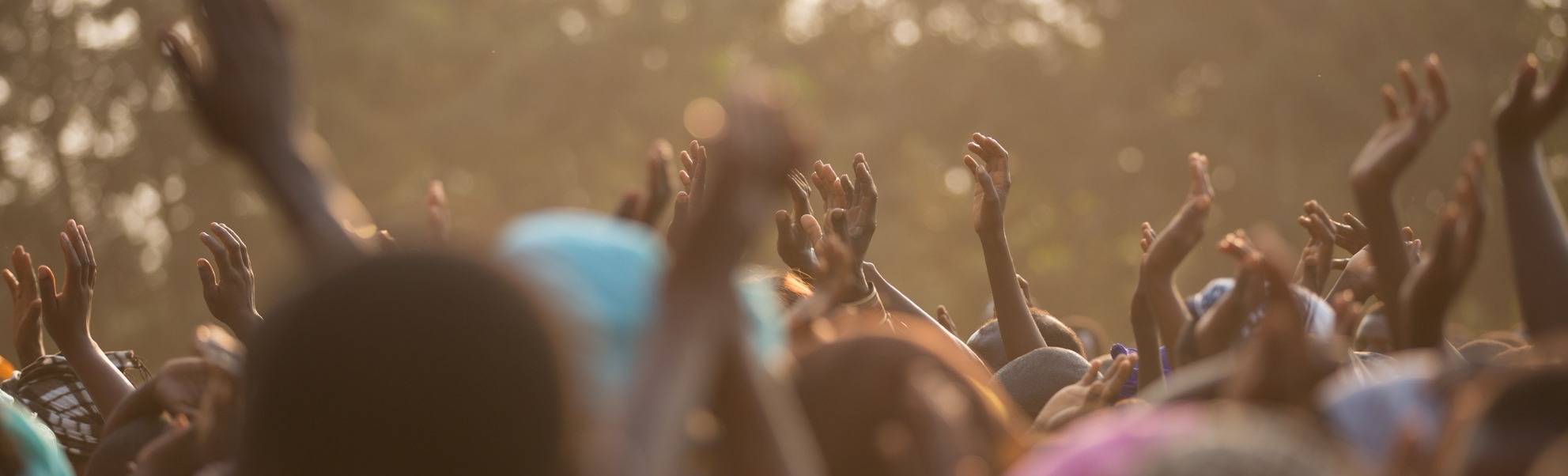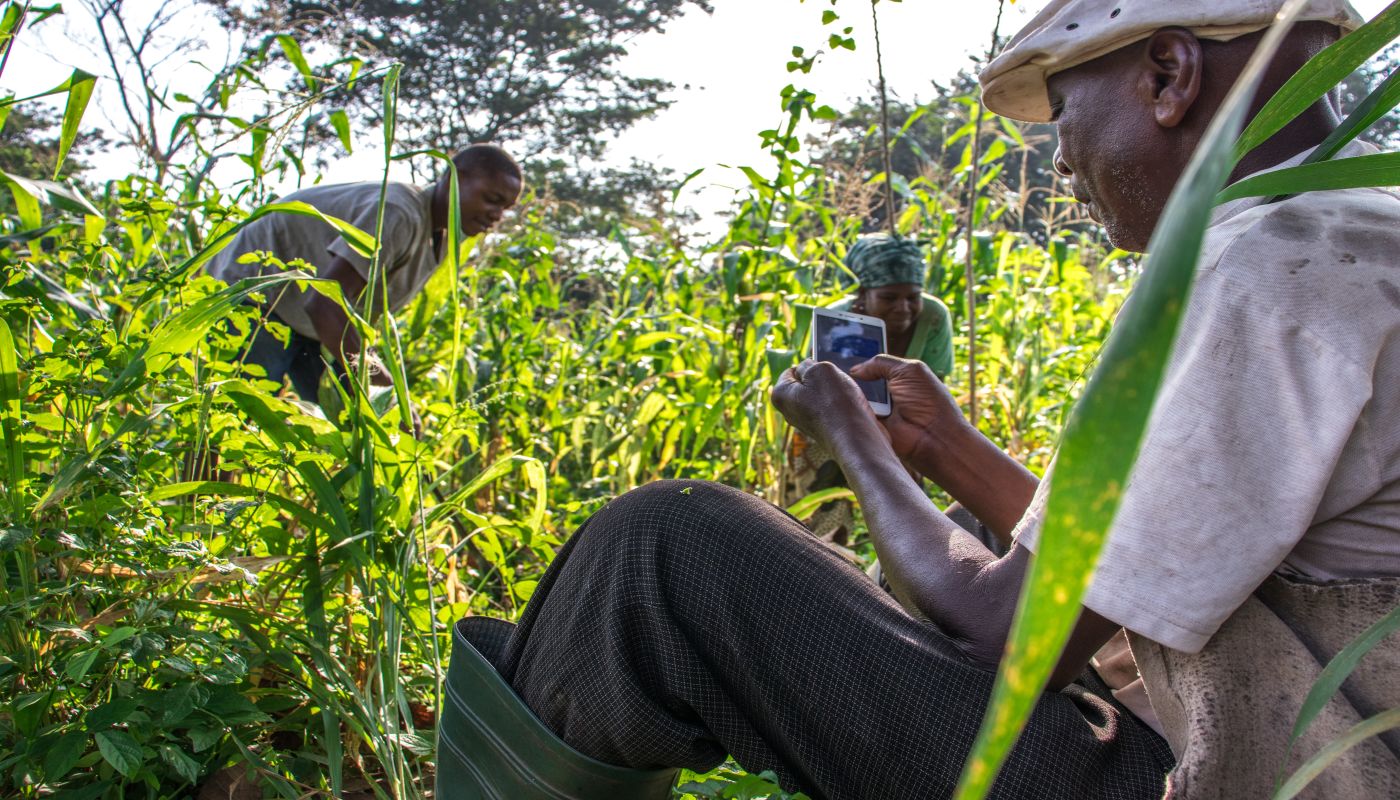
Landscape of Togo
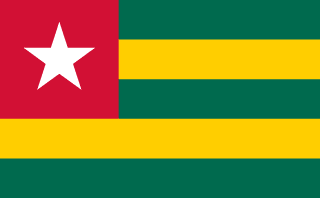
Flag of Togo

Togo

Africa

Togo gained its status as an independent nation in 1960, but struggles with corruption have kept it from reaching high levels of development. Only 63% of the country has access to clean water, and only 11% have improved sanitation facilities. Over half of the population lives below the poverty line and are hindered from improving their economic status by lack of education. Only 60% of adults are literate.1 Finally, many women and children are victims of sexual exploitation, as they are led to believe that sex trafficking is a means out of poverty.2 1 https://www.cia.gov/library/publications/resources/the-world-factbook/geos/to.html 2 http://www.makeeverywomancount.org/index.php/gender-issues/human-rights-of-women/9620-togo-the-girls-escaping-the-traffickers

What would you like to learn about in Togo?

Select a section to explore the country where nonprofits are creating positive change.

About Togo

French Togoland became Togo in 1960. Gen. Gnassingbe EYADEMA, installed as military ruler in 1967, ruled Togo with a heavy hand for almost four decades. Despite the facade of multi-party elections instituted in the early 1990s, the government was largely dominated by President EYADEMA, whose Rally of the Togolese People (RPT) party has maintained power almost continually since 1967 and maintains a majority of seats in today's legislature. Upon EYADEMA's death in February 2005, the military installed the president's son, Faure GNASSINGBE, and then engineered his formal election two months later. Democratic gains since then allowed Togo to hold its first relatively free and fair legislative elections in October 2007. After years of political unrest and condemnation from international organizations for human rights abuses, Togo is finally being re-welcomed into the international community. In January 2012, Togo assumed a nonpermanent seat on the UN Security Council for the 2012-13 term.

Quick Facts

Population
7,154,237 (July 2013 est.)
Area
56,785 sq km
ISO Code
TG
Continent
Africa
Government
republic under transition to multiparty democratic rule
Active Causes
12
View all countries in Africa

Geography & Environment

Climate

tropical; hot, humid in south; semiarid in north

Terrain

gently rolling savanna in north; central hills; southern plateau; low coastal plain with extensive lagoons and marshes

Natural Resources

phosphates, limestone, marble, arable land

Environmental Issues

deforestation attributable to slash-and-burn agriculture and the use of wood for fuel; water pollution presents health hazards and hinders the fishing industry; air pollution increasing in urban areas

People & Society

63.62 years
Avg. Life Expectancy
60.4%
Literacy Rate
38% of total population (2011)
Total Urban Population

Languages

French (official, the language of commerce), Ewe and Mina (the two major African languages in the south), Kabye (sometimes spelled Kabiye) and Dagomba...

Religions

Christian 29%, Muslim 20%, indigenous beliefs 51%

Health Expenditure

7.7% of GDP (2010) of GDP

Education Expenditure

4.6% of GDP (2011) of GDP

Economy

$1,100
GDP per Capita (PPP)
NA%
Unemployment Rate
32% (1989 est.)
Below Poverty Line

Economic Overview

This small, sub-Saharan economy depends heavily on both commercial and subsistence agriculture, which provides employment for a significant share of the labor force. Some basic foodstuffs must still be imported. Cocoa, coffee, and cotton generate about 40% of export earnings with cotton being the most important cash crop. Togo is among the world's largest producers of phosphate and Togo seeks to develop its carbonate phosphate reserves. The government's decade-long effort, supported by the World Bank and the IMF, to implement economic reform measures, encourage foreign investment, and bring re...

Causes in Togo

Environment

Deforestation is a major problem in Togo because of slash and burn agriculture, and since 1990 Togo has lost over 40% of its forests.1 Water pollution is also a significant problem, contributing to increased rates of waterborne diseases such as diarrhea and cholera.2 Togo’s economy is heavily dependent on agriculture, and climate change will adversely affect the country’s agricultural productivity. Estimates suggest that future climate change may cost Togo a significant percentage of its GDP.3

Family

Domestic abuse and female genital mutilation are common problems in Togo.1 Child marriage is also a significant concern, as 25% of girls under age 18 are married.2 Domestic abuse is common, and perpetrators are almost never punished by the law.3 Widows in Togo are particularly vulnerable and are often subject to abuse and suspicion by family members after their husbands’ deaths. In some instances, widows are beaten during ritual ceremonies to test whether or not they were responsible for the husband’s death.4

Human Rights

Many of Togo’s human rights abuses are concentrated within security forces and in prisons. Security forces have been cited as using excessive force when responding to demonstrations. Prison overcrowding and prison conditions were found to be in serious violation of international laws and regulations. Corruption within the judicial system occurs when the executive branch exerts influence and power over legal proceedings.1 Additionally, female genital mutilation and child sex trafficking have continued unhindered throughout Togo. Children are sold into trafficking by family members in poverty who do not understand the atrocities that occur in the industry.2

Education

Education in Togo is free and compulsory for six years, although many schools lack basic resources and teachers. The adult literacy rate in Togo is low at 60.4%, while the primary school enrollment rate is 94%.1 As Togo seeks to develop its public services, education is a top priority. Reforms to make schools and school supplies completely free have helped increase school enrollment by 40,000 students in the past decade.2

Poverty

Around 55% of the population lives below the international poverty line with little means of alleviating their poverty. The high rate of poverty contributes to a low life expectancy of 65 years of age.1 Government plans to reduce the amount of poverty in the country are to diversify trade and increase production in the agricultural sector.2

Religion

Approximately 29% of Togo’s population identifies as Christian, 20% identify as Muslim, and 51% follow indigenous belief systems.1 Togo’s constitution provides for freedom of religion and this is generally well respected and enforced.2 Religious conflict is rare.

Clean Water

Only 63% of the Togolese population has clean water access. Water insecurity has huge regional disparities— 91% of the urban population has access to potable water compared to the rural access rate of 44%. The country’s rate of improved sanitation facilities is even worse at 11%. 1 The lack of sanitation and the scarcity of water treatment plants leads to frequent outbreaks of waterborne diseases such as diarrhea and cholera.2

Economy

Togo relies very heavily on commercial agriculture to sustain the country’s GDP and provide employment opportunities. Approximately 40% of the country’s exports come from cocoa, coffee, and cotton. Additionally, Togo is one of the world’s largest producers of phosphate.1 Togo has attempted to encourage foreign investments, but progress and sustainable development has been slow due to an inefficient business environment and weak public administration.2 The unemployment rate in Togo is 6.8%.3

Government

Togo has struggled to achieve stability since its independence from France in 1960.1 Currently, there is both a president and a prime minister, who are the chief of state and the head of government, respectively.2 Government corruption is commonplace in Togo. Most citizens are unofficially required to use cash and expensive gifts to obtain registrations, permits, and various licenses.3 Although the president came to power through an election, many claim that the election was rigged. The executive branch and the president frequently attempt to influence the judiciary and undermine their authority to make legal decisions.1 The protection of private property is very limited and the subject of frequent controversy.4

Health

26 children die in every 1,000 live births.1 Medical care is hard to come by because there are not nearly enough doctors to serve the whole population. People often die from treatable diseases simply because they have no access to health care.2 Insect-borne diseases like malaria and zika are also common.3 Over 100,000 people live with AIDS and approximately 68,000 children are orphaned from the disease.4 Togo’s life expectancy is only 65 years old.5

Children

Half of the total population of Togo is under the age of 18.1 35% of children aged 5-14 work in agriculture, construction, and other services. The government is working to raise awareness in order to decrease the amount of children involved in sexual exploitation and dangerous labor.2 Another issue that affects Togo is the high incidence of child marriages, with one out of every four girls getting married before age 18.3

Animals

Togo’s savanna is home to a small population of lions, leopards, and elephants; monkeys and reptiles are found in many places around the country. It is also home to a diverse population of birds, insects, and fish along its coastline.1

Nonprofits Working in Togo

Discover organizations making a difference in Togo

Make Your Impact Today

Discover causes you care about and support the nonprofits making a difference in communities around the world.

Are you a nonprofit? Join Project World Impact for free

Join Us Free