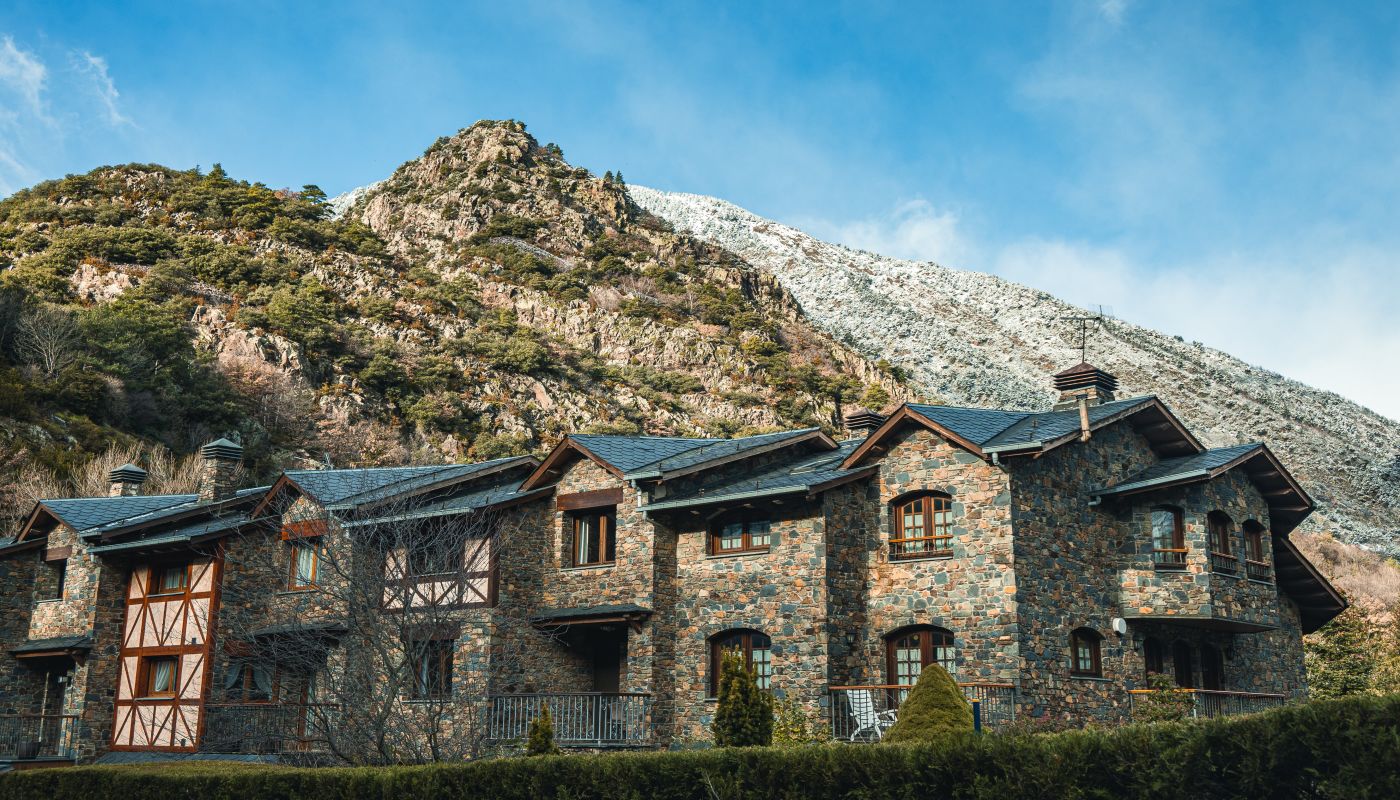
Landscape of Andorra
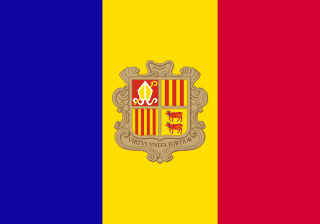
Flag of Andorra

Andorra

Europe

Andorra is one of the smallest countries in the world, and was ruled jointly by France and Spain until 1993. The co-prince system remains, but a parliamentary democracy has been implemented as well. The tourism industry is one of the main supports of the economy. The country is a financial haven because of its low tax rates. The education system is internationally recognized, but social issues like domestic violence are still pervasive despite the progressivity of the state.1 1 https://www.cia.gov/library/publications/the-world-factbook/geos/an.html

What would you like to learn about in Andorra?

Select a section to explore the country where nonprofits are creating positive change.

About Andorra

The landlocked Principality of Andorra is one of the smallest states in Europe, nestled high in the Pyrenees Mountains between the French and Spanish borders. For 715 years, from 1278 to 1993, Andorrans lived under a unique co-principality, ruled by French and Spanish leaders (from 1607 onward, the French chief of state and the Spanish bishop of Seu d'Urgell). In 1993, this feudal system was modified, with the titular heads of state retained, but the government transformed into a parliamentary democracy. In the late 20th century, Andorra became a popular tourist destination. An estimated 10 million people visit each year drawn by the winter sports, summer climate, and duty free goods. Andorra has also become a wealthy international commercial center because of its banking facilities, low taxes, and lack of customs duties. However, recent economic hardships have required Andorra to start taxing foreign investments and to implement stricter economic policies. Andorra is not a member of the European Union, but enjoys a special relationship with it and uses the Euro as its national currency.

Quick Facts

Population
85,293 (July 2013 est.)
Area
468 sq km
ISO Code
AD
Continent
Europe
Government
parliamentary democracy (since March 1993) that retains as its chiefs of state a coprincipality; the two princes are the president of France and bishop of Seu d'Urgell, Spain, who are represented in Andorra by the coprinces' representatives
Active Causes
12
View all countries in Europe

Geography & Environment

Climate

temperate; snowy, cold winters and warm, dry summers

Terrain

rugged mountains dissected by narrow valleys

Natural Resources

hydropower, mineral water, timber, iron ore, lead

Environmental Issues

deforestation; overgrazing of mountain meadows contributes to soil erosion; air pollution; wastewater treatment and solid waste disposal

People & Society

82.58 years
Avg. Life Expectancy
100%
Literacy Rate
88% of total population (2010)
Total Urban Population

Languages

Catalan (official), French, Castilian, Portuguese

Religions

Roman Catholic (predominant)

Health Expenditure

7.5% of GDP (2010) of GDP

Education Expenditure

2.9% of GDP (2010) of GDP

Economy

$37,200
GDP per Capita (PPP)
2.9%
Unemployment Rate
NA% (2008)
Below Poverty Line

Economic Overview

Tourism, retail sales, and finance are the mainstays of Andorra's tiny, well-to-do economy, accounting for more than three-quarters of GDP. Andorra's duty-free status for some products and its summer and winter resorts attract millions of visitors annually, although the economic downturn in neighboring countries has curtailed tourism activity. The banking sector also contributes substantially to the economy. Andorra's comparative advantage as a tax haven eroded when the borders of neighboring France and Spain opened; its bank secrecy laws have been relaxed under pressure from the EU and OECD....

Causes in Andorra

Human Rights

Some of the greatest human rights concerns in Andorra include lack of protection of workers’ rights, as well as continued inequality in the workplace between genders. There were also continued reports of discrimination based on social, physical, and cultural differences, which is illegal under the current law.1

Education

The current Andorran education system was not created until 1982. It is internationally recognized for the variety of languages taught and the high-quality curriculum. The schools are paid for by the state, while the teachers receive their salaries from France and Spain. One area for improvement is expansion of tertiary education; there is currently only one university.1 The country’s national literacy rate is very high at nearly 100 percent.2

Poverty

The unemployment rate of Andorra is at 3.7 percent. A majority of the population relies on small-scale farming, largely unchanged from the Middle Ages. The economy shifted slightly after World War II towards more reliance on service-based income, but many of the farmers remain in the fields.1

Religion

Roman Catholicism is the dominant religion in Andorra.1 The constitution protects religious freedom, and there have been no recent reports of religious discrimination.2

Clean Water

100 percent of the population has access to clean water and improved sanitation infrastructure.1 Travel authorities recommend that foreigners drink bottled water due to the presence of trace amounts of E. coli in local freshwater sources that the locals may have built up a tolerance to.2

Economy

Tourism, retail, and finance contribute to the bulk of Andorra’s economy. As a popular travel destination, Andorra receives more than 8 million tourists each year, and tourism comprises 80 percent of the GDP. 3.7 percent of the country is unemployed. A majority of the country’s exports are tobacco products and imports consist of consumer goods. The public debt is around 40 percent of GDP.1 The country is not a member of the European Union, but it uses the euro as its currency.2

Government

The Principality of Andorra is a parliamentary democracy and is governed by two co-princes: the President of France and the Bishop of Urgell, as well as a head of government.1 The country is relatively not corrupt, and the Council of Europe’s anti-corruption group deemed the system “generally satisfactory”.2

Health

Health expenditures in the country account for approximately 8 percent of GDP. Andorra has high obesity rates; approximately 26 percent of the adult population is obese. Life expectancy is 83 years, which gives Andorra the eighth-highest life expectancy in the world. The infant mortality rate in Andorra is very low at just three deaths per 1,000 live births.1

Children

There were 52 criminal proceedings cases enacted related to child abuse in 2016. The minimum age for marriage is 16, but in certain cases the participants can be as young as 14.1 The Council of Europe Commissioner for Human Rights praised the country for a progressive education system that provided equally for children with disabilities or who come from migrant families and don’t speak Catalan.2

Environment

Andorra’s natural resources are hydropower, mineral water, timber, iron ore, and lead. 45 percent of the land is used for farming, 13 percent of which is arable and 87 percent of which is permanent pasture. Some issues facing the country are overgrazing of mountain lowlands, air pollution, and improper disposal of wastewater and solid waste.1 Much of the mountain environments are endangered by extensive logging and expansion of ski resorts and other tourist attractions.2

Family

Domestic violence is one of the leading issues in Andorra. In 2016 there were 67 gender-based violence criminal proceedings initiated, as well as 19 cases related to domestic violence. There are various organizations like the Andorran Women’s Association that assist victims of domestic abuse, but victims reported reluctance to file reports with the police.1

Animals

Andorra is part of the vulnerable Palearctic region occupied by the Pyrenees Mountains. This area is marked by the presence of alpine meadows and high mountain forests. There are around 120 local bird species. There are 64 local mammal species including the brown bear. Threats to the environment and wildlife are intensive logging, tourism and ski resorts, and air pollution.1

Make Your Impact Today

Discover causes you care about and support the nonprofits making a difference in communities around the world.

Are you a nonprofit? Join Project World Impact for free

Join Us Free