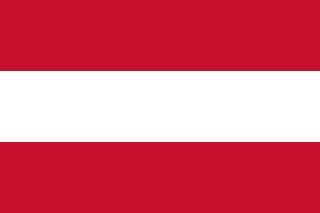
About Austria
Quick Facts
- Population
- 8,221,646 (July 2013 est.)
- Area
- 83,871 sq km
- ISO Code
- AT
- Continent
- Europe
- Government
- federal republic
- Active Causes
- 12
Europe
Select a section to explore the country where nonprofits are creating positive change.
temperate; continental, cloudy; cold winters with frequent rain and some snow in lowlands and snow in mountains; moderate summers with occasional showers
in the west and south mostly mountains (Alps); along the eastern and northern margins mostly flat or gently sloping
oil, coal, lignite, timber, iron ore, copper, zinc, antimony, magnesite, tungsten, graphite, salt, hydropower
some forest degradation caused by air and soil pollution; soil pollution results from the use of agricultural chemicals; air pollution results from emissions by coal- and oil-fired power stations and...
German (official nationwide) 88.6%, Turkish 2.3%, Serbian 2.2%, Croatian (official in Burgenland) 1.6%, other (includes Slovene, official in Carinthia...
Roman Catholic 73.6%, Protestant 4.7%, Muslim 4.2%, other 3.5%, unspecified 2%, none 12% (2001 census)
11% of GDP (2010) of GDP
6% of GDP (2009) of GDP
Austria, with its well-developed market economy, skilled labor force, and high standard of living, is closely tied to other EU economies, especially Germany's. Its economy features a large service sector, a sound industrial sector, and a small, but highly developed agricultural sector. Following several years of solid foreign demand for Austrian exports and record employment growth, the international financial crisis of 2008 and subsequent global economic downturn led to a sharp but brief recession. Austrian GDP contracted 3.8% in 2009 but saw positive growth of about 2% in 2010 and 2.7% in 20...
Discover organizations making a difference in Austria
Discover causes you care about and support the nonprofits making a difference in communities around the world.
Are you a nonprofit? Join Project World Impact for free
Join Us Free