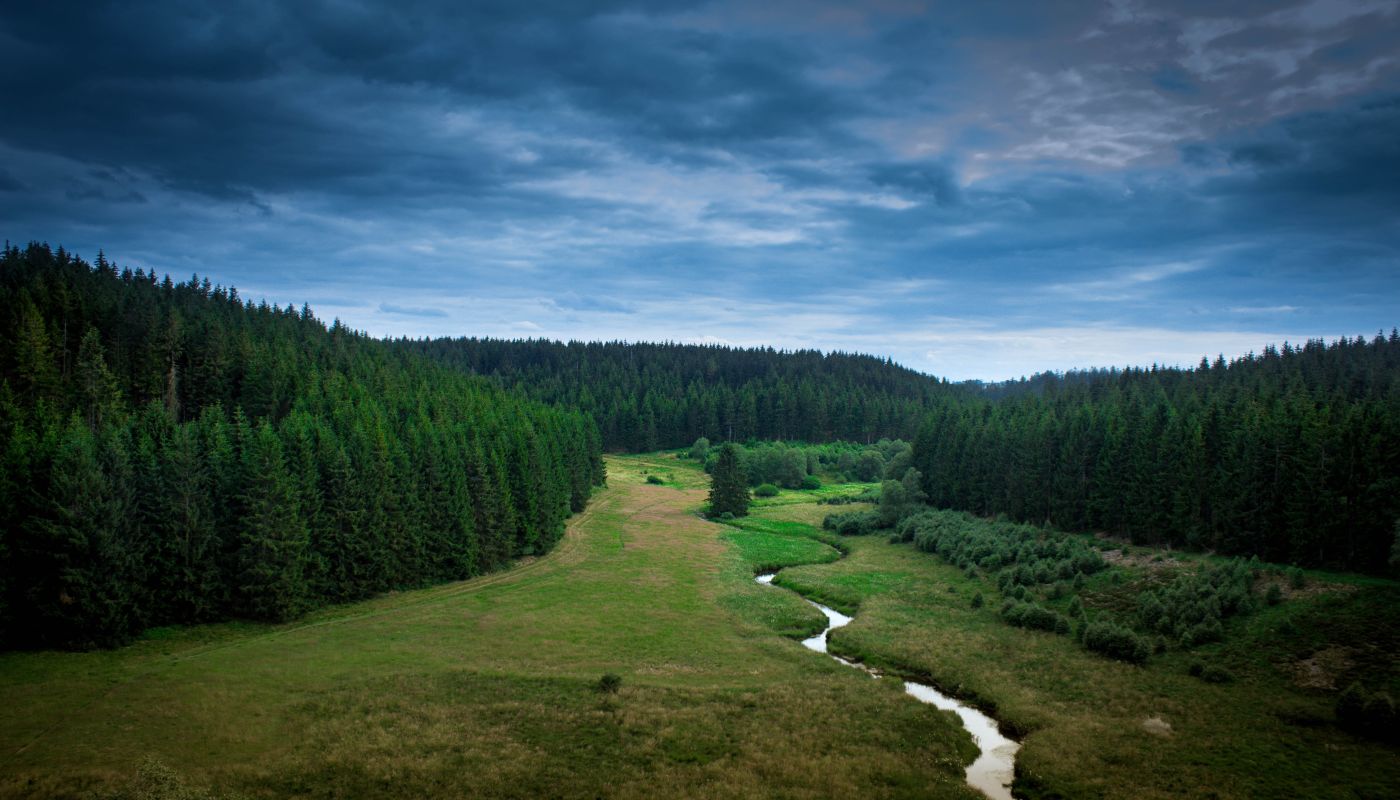
Landscape of Belgium
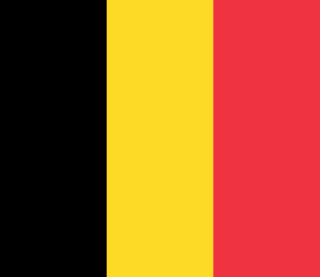
Flag of Belgium

Belgium

Europe

The Belgian government recently granted the north and the south distinct recognition and formal autonomy as separate entities through a series of constitutional amendments, though they are not separate nations. The north of Belgium is Dutch-speaking Flemish, while the south is French-speaking Walloon.1 Belgium’s GDP grew by nearly 2 percent in 2017, and is currently at $526.4 billion in purchasing power.1 The southern region, Wallonia, houses the Belgian coal and steel industries, while the northern region of Flanders houses the service, science and technology industries; the unemployment rate is lower in Flanders than in Wallonia — 4.4 percent compared to 9.4 percent.2 Belgium has one of the highest health expenditures in the world as a percentage of the GDP, falling into the same ranks as Switzerland, France and Denmark — Belgium is the sixth highest in health spending Europe. The Belgian life expectancy at birth is 81 years.3 1 https://www.cia.gov/library/publications/the-world-factbook/geos/be.html 2 https://www.cia.gov/library/publications/the-world-factbook/geos/be.html 3 https://www.cia.gov/library/publications/the-world-factbook/rankorder/2225rank.html#be

What would you like to learn about in Belgium?

Select a section to explore the country where nonprofits are creating positive change.

About Belgium

Belgium became independent from the Netherlands in 1830; it was occupied by Germany during World Wars I and II. The country prospered in the past half century as a modern, technologically advanced European state and member of NATO and the EU. Tensions between the Dutch-speaking Flemings of the north and the French-speaking Walloons of the south have led in recent years to constitutional amendments granting these regions formal recognition and autonomy. Its capital, Brussels, is home to numerous international organizations including the EU and NATO.

Quick Facts

Population
10,444,268 (July 2013 est.)
Area
30,528 sq km
ISO Code
BE
Continent
Europe
Government
federal parliamentary democracy under a constitutional monarchy
Active Causes
12
View all countries in Europe

Geography & Environment

Climate

temperate; mild winters, cool summers; rainy, humid, cloudy

Terrain

flat coastal plains in northwest, central rolling hills, rugged mountains of Ardennes Forest in southeast

Natural Resources

construction materials, silica sand, carbonates

Environmental Issues

the environment is exposed to intense pressures from human activities: urbanization, dense transportation network, industry, extensive animal breeding and crop cultivation; air and water pollution als...

People & Society

79.78 years
Avg. Life Expectancy
99%
Literacy Rate
97% of total population (2010)
Total Urban Population

Languages

Dutch (official) 60%, French (official) 40%, German (official) less than 1%, legally bilingual (Dutch and French)

Religions

Roman Catholic 75%, other (includes Protestant) 25%

Health Expenditure

10.7% of GDP (2010) of GDP

Education Expenditure

6.6% of GDP (2009) of GDP

Economy

$38,500
GDP per Capita (PPP)
7.6%
Unemployment Rate
15.2% (2007 est.)
Below Poverty Line

Economic Overview

This modern, open, and private-enterprise-based economy has capitalized on its central geographic location, highly developed transport network, and diversified industrial and commercial base. Industry is concentrated mainly in the more heavily-populated region of Flanders in the north. With few natural resources, Belgium imports substantial quantities of raw materials and exports a large volume of manufactures, making its economy vulnerable to volatility in world markets. Roughly three-quarters of Belgium's trade is with other EU countries, and Belgium has benefited most from its proximity to...

Causes in Belgium

Environment

Belgium has a temperate climate, featuring both plains and mountains, and borders the North Sea. 28 percent of Belgium’s energy is produced in nuclear power plants. However, the plants are slated to be closed by 2025.1 Nearly 35 percent of Belgian energy comes from fossil fuels, despite Belgium’s total reliance on imports from other nations to supply them.2 The major environmental issues in the nation stem primarily from urbanization and other human activities, including the raising of animals, crops and the vast transportation system.3

Family

Belgian social security provides for the well-being of families and children, and is known for being extremely comprehensive in its child financial benefit packages, compared to the rest of Europe. Mothers are offered a maternal allowance for their first child, and then a smaller allowance for each subsequent child.1 In 2016, 1,035,186 households were comprised of a married couple and one or more children, just over 25 percent of Belgian households. 34 percent of all households in Belgium are single-person.2 Belgium has a staggering divorce rate of 70 percent, even higher than that of the U.S.3

Human Rights

Although it is a developed nation that safeguards the liberties of its citizens, Belgium faces threats to its preservation of human rights: overcrowded prisons, lengthy pretrial detention, poor detention conditions for asylum seekers, abuse against women and children, human trafficking and racial discrimination in the job market.1 Amnesty International cites several human rights violations in Belgium’s treatment of prisoners, and in the derelict conditions of the prisons themselves.2 The nation continues to send refugees to Greece under the authority of the Dublin III regulation, a European Union law that determines the country responsible for processing a refugee’s asylum application.3 Similar to its neighboring country of France, Belgium has also enforced policies against women wearing partial or full facial veils.4 Such policies are both condemned and praised; the rulings are disputed by some for their restriction of religious freedom, while supported by others for their discouragement of the oppression of women.5 The European Court of Human Rights upheld the ruling in 2017.6

Education

Education is free and compulsory for children ages 6 through 18 in Belgium. The system is decentralized, and school districts are not strictly zoned. Therefore, parents are allowed to enroll their children wherever they desire, yet schools are permitted to reject applications if there are no longer available spots. Belgian secondary education is comprised of four parts: humanities, technical, artistic and vocational, with the technical and artistic tracks offering students the opportunity to specialize in their training early.1

Poverty

Belgium has an extensive social welfare program that incorporates unemployment insurance, family allowance, retirement, medical benefits and compensation during times of illness.1Despite this, the most recent studies show that roughly 15 percent of the Belgian population lives in poverty, and 7.5 percent of the population is unemployed.2 21 percent are at risk of poverty or social exclusion.3 However, the Belgian government released a paper by the Federal Planning Bureau, indicating goals and strategies to reduce the population at risk to 16 percent.

Religion

Roughly 50 percent of Belgium’s population identifies as Catholic, 2.5 percent identify as Protestant or Christian, 5 percent are Muslim, 0.3 percent are Buddhist, 0.4 percent are Jewish, 9.2 percent identify as atheist and 32.6 percent identify with none.1 Similar to its neighboring country of France, Belgium has enforced policies against women wearing partial or full facial veils.3 In 2011, Belgium passed a law that outlawed the use of facial veils in public, and the European Court of Human Rights upheld the law in 2017.4

Clean Water

Belgium has no significant issues in providing clean water to its citizens; the CIA reports that virtually 100 percent of the population has access to clean water, and 99.5 percent of the population has access to proper sanitation facilities.1

Economy

Belgium’s GDP grew by nearly 2 percent in 2017, and is currently at $526.4 billion in purchasing power.1 The southern region, Wallonia, houses the Belgian coal and steel industries, while the northern region of Flanders houses the service, science and technology industries; the unemployment rate is lower in Flanders than in Wallonia — 4.4 percent compared to 9.4 percent.2 A majority of Belgian trade occurs within the European Union, rendering Belgium subject to the fluctuations of the EU trade market, particularly in Britain’s departure from the EU.3 Belgium is a producer of sugar beets, tobacco and milk, as well as scientific instruments, motor vehicles and other metal products.4 Its economy ranks far above world averages in economic freedom.5

Government

The government of Belgium is a constitutional monarchy, and received independence from the Netherlands in 1830. The king is the head of state while the prime minister is the head of government. Belgium is divided along regional and linguistic lines.1 The government recently granted the north and the south distinct recognition and formal autonomy as entities in a series of constitutional amendments. The north is Dutch-speaking Flemish, while the south is French-speaking Walloon.2 There are three levels of Belgian government: federal, regional and linguistic community. A reform in 2012 handed power from the federal to state level, to the independent regions and linguistic communities.3 The capital of Brussels houses several international organizations, two of which are the European Union and NATO.4

Health

Belgium has one of the highest health expenditures in the world as a percentage of the GDP, falling into the same ranks as Switzerland, France and Denmark — Belgium is the sixth highest in health spending Europe. The Belgian life expectancy at birth is 81 years.1 However, there are disparities in the distribution of funds between different socioeconomic levels.2 The healthcare system is divided into state and private sectors that are backed by a combination of social security and private funds.3 3 in 10 Belgians report consuming alcohol consistently and heavily, rising far above the European Union average. Cardiovascular disease are the leading causes of death in Belgium.4 21 percent of the population is considered obese.5

Children

Belgian social security provides for the well-being of families and children, and is known for being extremely comprehensive in its child financial benefit packages, compared to the rest of Europe. Mothers are offered a maternal allowance for their first child, and then a smaller allowance for each subsequent child.1 Belgium is also subject to the Eurochild Child Protection Policies, which establishes provisions for preventing the neglect, exploitation, or abuse of, children.2

Animals

Belgium adopted animal protection laws in the late 1980s. In the spring of 2018, the southern region of Belgium, Wallonia, adopted an animal welfare code that aims to regulate and ensure the safety of animals. The code includes fines for animal abuse as well as stipulations on animal transportation and trade, including ramifications for mistreatment.1

Nonprofits Working in Belgium

Discover organizations making a difference in Belgium

CORDELL HULL FOUNDATION FOR INTERNATIONAL EDUCATION

CORDELL HULL FOUNDATION FOR INTERNATIONAL EDUCATION

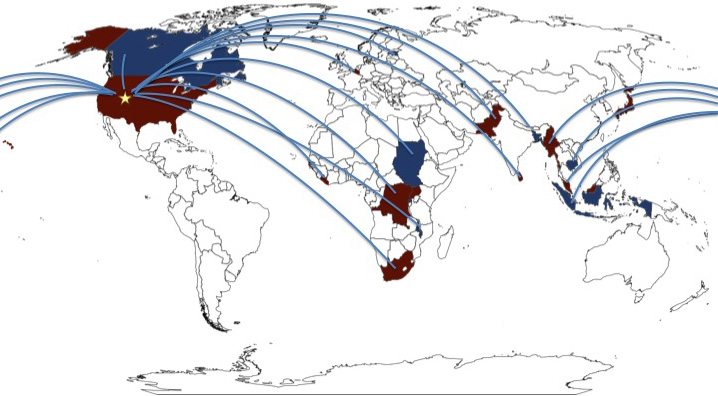
The Cordell Hull Foundation, a nonprofit 501(c)(3) corporation, is active in sponsoring exchange programs for qualifying teachers from six continents. Currently, teachers hail from more than fifty countries including Argentina, Australia, Austria, Belgium, Bolivia, Brazil, Botswana, Bulgaria, Canada, Chile, China, Colombia, Costa Rica, Croatia, The Czech Republic, Denmark, The Dominican Republic, El Salvador, Ecuador, England, France, Germany, Greece, Guatemala, Honduras, Hungary, India, Ireland, Italy, Japan, Korea, Lebanon, Luxembourg, Mexico, Nepal, The Netherlands, Nicaragua, Nigeria, Panama, Peru, Russia, South Africa, Scotland, Spain, Sri Lanka, Switzerland, Taiwan, Thailand, Turkey, Ukraine, Uruguay, Venezuela, and Wales. After enjoying the experience of teaching in the United States on a temporary basis, program participants return home to share wonderful memories and positive feedback on American culture.

New York, New York

Make Your Impact Today

Discover causes you care about and support the nonprofits making a difference in communities around the world.

Are you a nonprofit? Join Project World Impact for free

Join Us Free