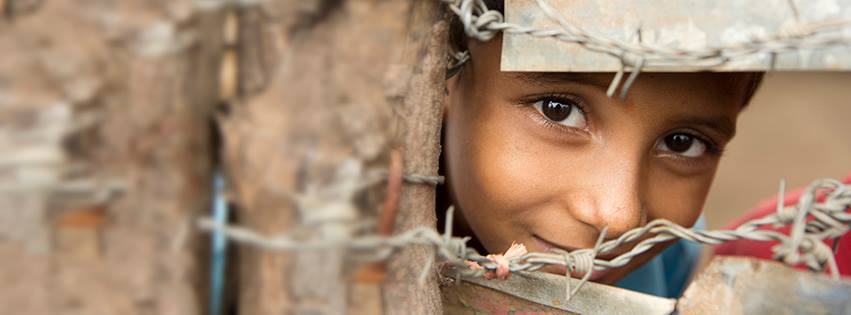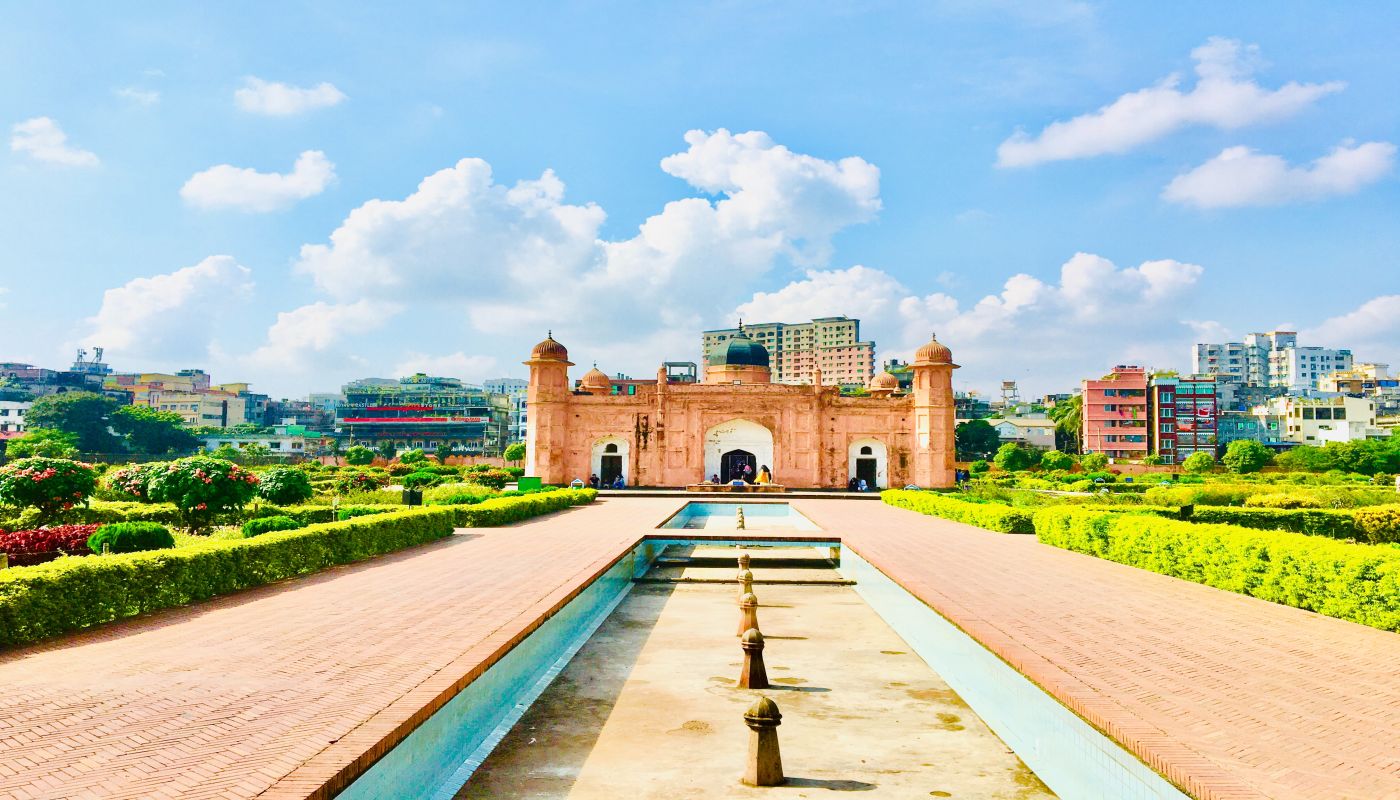
Landscape of Bangladesh
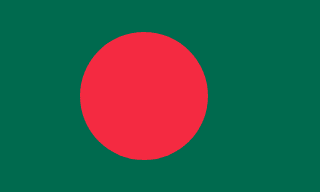
Flag of Bangladesh

Bangladesh

Asia

Bangladesh is a parliamentary republic, with both a prime minister and a president.1 The government has undergone a series of power transfers after obtaining its independence in 1971, including a number of coups, until democratic elections were held in 1991.2 The Bangladesh Nationalist Party and Awami League alternated in power until 2007 when a caretaker government was instituted to dissolve corruption, delaying that year’s parliamentary elections. Democratic processes resumed in 2008. Bangladesh has since reached its Millennium Development goals for national maternal and child health, as well as reduced its poverty rate from above 50 percent of the population to 24 percent.3 Child exploitation is uncurbed in Bangladesh, though the government has passed legislation to prevent human trafficking. Less than 10 percent of children are registered at birth, so statistics pertaining to the number of children trafficked is not available, according to UNICEF. There are few protections enforced to aid children in claiming their rights in Bangladesh, and law enforcement is corrupt, being known to either ignore, or participate in, the illegal activity. Many children resort to substance and drug abuse while they are being trafficked, and become at risk of contracting HIV/AIDS.4 59 percent of girls are married before age 18, and 22 percent are married before age 15, despite the national age for marriage being 18.5 Additionally, the groundwater in Bangladesh is known to be contaminated with arsenic, affecting approximately 30–35 million people.6 1 https://www.cia.gov/library/publications/the-world-factbook/geos/bg.html 2–3 Ibid 4 https://www.unicef.org/bangladesh/Child_Abuse_Exploitation_and_Trafficking.pdf 5 https://www.girlsnotbrides.org/child-marriage/bangladesh/ 6 http://www.whoban.org/sust_dev_mental_env.html

What would you like to learn about in Bangladesh?

Select a section to explore the country where nonprofits are creating positive change.

About Bangladesh

Muslim conversions and settlement in the region now referred to as Bangladesh began in the 10th century, primarily from Arab and Persian traders and preachers. Europeans began to set up trading posts in the area in the 16th century. Eventually the area known as Bengal, primarily Hindu in the western section and mostly Muslim in the eastern half, became part of British India. Partition in 1947 resulted in an eastern wing of Pakistan in the Muslim-majority area, which became East Pakistan. Calls for greater autonomy and animosity between the eastern and western wings of Pakistan led to a Bengali independence movement. That movement, led by the Awami League (AL) and supported by India, won independence for Bangladesh in 1971, although at least 300,000 civilians died in the process. The post-independence, AL government faced daunting challenges and in 1975 was overthrown by the military, triggering a series of military coups that resulted in a military-backed government and subsequent creation of the Bangladesh Nationalist Party (BNP). That government also ended in a coup in 1981, followed by military-backed rule until democratic elections in 1991. The BNP and AL have alternately held power since then, with the exception of a military-backed, emergency caretaker regime that suspended parliamentary elections planned for January 2007 in an effort to reform the political system and root out corruption. That government returned the country to fully democratic rule in December 2008 with the election of the AL and Prime Minister Sheikh HASINA. With the help of international development assistance, Bangladesh has made great progress in food security since independence, and the economy has grown at an average of about 6 percent over the last two decades.

Quick Facts

Population
163,654,860 (July 2013 est.)
Area
143,998 sq km
ISO Code
BD
Continent
Asia
Government
parliamentary democracy
Active Causes
12
View all countries in Asia

Geography & Environment

Climate

tropical; mild winter (October to March); hot, humid summer (March to June); humid, warm rainy monsoon (June to October)

Terrain

mostly flat alluvial plain; hilly in southeast

Natural Resources

natural gas, arable land, timber, coal

Environmental Issues

many people are landless and forced to live on and cultivate flood-prone land; waterborne diseases prevalent in surface water; water pollution, especially of fishing areas, results from the use of com...

People & Society

70.36 years
Avg. Life Expectancy
57.7%
Literacy Rate
28.4% of total population (2011)
Total Urban Population

Languages

Bangla (official, also known as Bengali), English

Religions

Muslim 89.5%, Hindu 9.6%, other 0.9% (2004)

Health Expenditure

3.5% of GDP (2010) of GDP

Education Expenditure

2.2% of GDP (2009) of GDP

Economy

$2,100
GDP per Capita (PPP)
5%
Unemployment Rate
31.5% (2010 est.)
Below Poverty Line

Economic Overview

In real terms Bangladesh's economy has grown 5.8% per year since 1996 despite political instability, poor infrastructure, corruption, insufficient power supplies, and slow implementation of economic reforms. Bangladesh remains a poor, overpopulated, and inefficiently-governed nation. Although more than half of GDP is generated through the service sector, 45% of Bangladeshis are employed in the agriculture sector with rice as the single-most-important product. Bangladesh's growth was resilient during the 2008-09 global financial crisis and recession. Garment exports, totaling $12.3 billion in F...

Causes in Bangladesh

Environment

Bangladesh is prone to annual flooding, or monsoons, as it has a tropical climate.12 A large portion of the population is forced to live on land extremely vulnerable to flooding, as well as a number of waterborne diseases and pollution, as a majority of the water supply is surface and groundwater.3 Fishing grounds are prone to contamination by commercial pesticides in neighboring fields, and the water tables in the north and central regions of Bangladesh are subjected to sporadic rising and falling water levels.4

Family

In Bangladesh, a household is typically comprised of the nuclear family.1 Child exploitation is uncurbed in Bangladesh, though the government has passed legislation to prevent human trafficking. Less than 10 percent of children are registered at birth, so statistics pertaining to the number of children trafficked is not available, according to UNICEF. There are few protections enforced to aid children in claiming their rights in Bangladesh, and law enforcement is corrupt, being known to either ignore, or participate in, the illegal activity. Many children resort to substance and drug abuse while they are being trafficked, and become at risk of contracting HIV/AIDS.2 59 percent of girls are married before age 18, and 22 percent are married before age 15, despite the national age for marriage being 18.3 The president of Bangladesh signed the Child Marriage Restraint Act in 2017 to allow parents to appeal to the courts to override the child marriage law for the daughter to be married before 18 in “special cases.”4

Human Rights

Bangladesh is currently housing a number of Rohingya refugees from the bordering nation of Myanmar as a result of the ethnic cleansing in 2017.1 Religious minorities have faced persecution in the nation.2 Security authorities and the police force are affected by consistent corruption, conducting unnecessary arrests, and torturing detainees, as well as engaging in gun fights with suspects, raising concerns of extrajudicial killings.3 59 percent of girls are married before age 18, and 22 percent are married before age 15, despite the national age for marriage being 18.4 Child exploitation is uncurbed in Bangladesh, though the government has passed legislation to prevent human trafficking. Less than 10 percent of children are registered at birth, so statistics pertaining to the number of children trafficked is not available, according to UNICEF. There are few protections enforced to aid children in claiming their rights in Bangladesh, and law enforcement is corrupt, being known to either ignore, or participate in, the illegal activity. Many children resort to substance and drug abuse while they are being trafficked, and become at risk of contracting HIV/AIDS.5 Additionally, the groundwater in Bangladesh is known to be contaminated with arsenic, affecting approximately 30–35 million people.6

Poverty

24 percent of the population of Bangladesh lives below the poverty line.1 Rural regions experience the most pervasive poverty, and half of children living in rural areas are malnourished.2 13 percent of the Bangladeshi population lacks access to clean water resources, and 39 percent of the population lacks access to modern sanitation facilities.3 Additionally, the groundwater in Bangladesh is known to be contaminated with arsenic, affecting approximately 30–35 million people.4 Child exploitation is uncurbed in Bangladesh, though the government has passed legislation to prevent human trafficking.5 Around 40 percent of the Bangladeshi population is underemployed, though they may not be unemployed, they suffer from lack of adequate hours or pay.6

Religion

In Bangladesh, 89 percent of Bangladeshis are Muslims and the remainder of the population are mostly Hindu, 10 percent.1 Just under one percent of the population is Buddhist or Christian at 0.9 percent.2 Violent, and sometimes deadly, attacks against religious minorities have been increasing, resulting in fear among the members of the minority religions.3

Clean Water

13 percent of the Bangladeshi population lacks access to clean water resources, and 39 percent of the population lacks access to modern sanitation facilities.1 Of the water supply available, the World Health Organization (WHO) estimates that over 80 percent of the supply goes toward agriculture.2 The groundwater is known to be contaminated with arsenic, affecting approximately 30–35 million people.3 In response, the government has created 100,000 safe water sources, and marked unsafe, contaminated sources. Other treatment options are being developed by the Bangladesh Council of Scientific and Industrial Research.4

Economy

In spite of political instability and institutionalized corruption, the Bangladeshi economy has sustained 6 percent annual growth consistently since 2005.1 A recent influx of 700,000 Burmese migrants has put pressure on the national budget, as well as the food supply, due to a rice shortage caused by flooding in 2017. In 2018, the nation began importing liquified natural gas to address some infrastructural concerns pertaining to energy supply.2 The GDP per capita is $4,200, and 24 percent of the population is below the poverty line.3 Labor laws are not enforced consistently, nor are property laws. In 2017, the government further subsidized resources like rice, food, energy and fuel.4

Government

Bangladesh is a parliamentary republic, with both a prime minister and a president.1 The government has undergone a series of power transfers after obtaining its independence in 1971, including a number of coups, until democratic elections were held in 1991.2 The Bangladesh Nationalist Party and Awami League alternated in power until 2007 when a caretaker government was instituted to dissolve corruption, delaying that year’s parliamentary elections.3 Democratic processes resumed in 2008. Bangladesh has since reached its Millennium Development goals for national maternal and child health, as well as reduced its poverty from from above 50 percent of the population to 24 percent.4

Health

Risk of infectious diseases like dengue fever, leptospirosis, hepatitis A and E, rabies and typhoid fever are high in Bangladesh.1 Nearly 33 percent of children under the age of five are underweight, making Bangladesh fifth in the world for highest rates of malnutrition.2 The infant mortality rate is 31.7 deaths per 1,000 live births, and the maternal mortality rate is 176 deaths per 100,000 live births, both relatively high rates.3 The nation is moving toward universal health coverage via the Health Care Financing Strategy, intended to reduce the cost of healthcare for citizens. Bangladesh is also implementing infrastructure to improve the professionalism and quality of their healthcare offerings.4 Additionally, the groundwater is known to be contaminated with arsenic, affecting approximately 30–35 million people.5

Children

Just over 45 percent of the Bangladeshi population is under the age of 24.1 Child exploitation is uncurbed in Bangladesh, though the government has passed legislation to prevent human trafficking. Less than 10 percent of children are registered at birth, so statistics pertaining to the number of children trafficked is not available, according to UNICEF. There are few protections enforced to aid children in claiming their rights in Bangladesh, and law enforcement is corrupt, being known to either ignore, or participate in, the illegal activity. Many children resort to substance and drug abuse while they are being trafficked, and become at risk of contracting HIV/AIDS.2 59 percent of girls are married before age 18, and 22 percent are married before age 15, despite the national age for marriage being 18.3 The president of Bangladesh signed the Child Marriage Restraint Act in 2017 to allow parents to appeal to the courts to override the child marriage law for the daughter to be married before 18 in “special cases.”4

Education

Primary education is free and compulsory for students in Bangladesh.1 The nation has made strides in improving engagement in the education sector, including increasing primary school completion from 55 percent in 2010 to 81 percent in 2017. 33 percent of schools now meet the Primary School Quality Level Indicators as opposed to 17 percent in 2010.2 Virtually all children are enrolled in primary school at 98 percent.3 Only 73 percent of the population is literate, and just 70 percent of women are literate while 75 percent of men are literate.4

Animals

Bangladesh is party to agreements on biodiversity, desertification and endangered species.1 The nation is also home to the clouded and Indian leopard, the gaur, the mugger crocodile and the western hoolock gibbon. Many of these animals can be found in the Sundarbans, a UNESCO World Heritage Site, approximately 350,000 acres of mangrove forest, and the natural habitat of a variety of flora and fauna.2 Bangladesh hosts a number of endangered and vulnerable species.3

Nonprofits Working in Bangladesh

Discover organizations making a difference in Bangladesh

GUTTMACHER INSTITUTE INC

GUTTMACHER INSTITUTE INC

Now in its fifth decade, the Guttmacher Institute remains committed to the mission and goals that led to its creation. The Guttmacher Institute was founded in 1968 as the Center for Family Planning Program Development. At the time, Presidents John F. Kennedy, Lyndon Johnson and Richard Nixon had begun to call the public's attention to the problem of unplanned and unwanted childbearing and its consequences for individual women and men, their children and their communities both at home and abroad. Concurrently, the United States Congress was taking its first steps toward the development of an international population assistance program, as well as a multifaceted, national program aimed at providing equitable access to modern methods of birth control in the United States. By integrating nonpartisan social science research, policy analysis and public education, the Center hoped to provide a factual basis for the development of sound governmental policies and for public consideration of the sensitive issues involved in the promotion of reproductive health and rights. This purpose and commitment continue today. The Center was originally housed within the corporate structure of Planned Parenthood Federation of America (PPFA). Its program, however, was independently developed and overseen by a National Advisory Council separate from the PPFA Board of Directors. Its early development was nurtured by Alan F. Guttmacher, an eminent obstetrician-gynecologist, teacher and writer who was PPFA's president for more than a decade until his death in 1974. The Center was renamed in Dr. Guttmacher's memory, and the Guttmacher Institute incorporated as an entirely independent nonprofit policy research institute with its own Board in 1977. The Guttmacher Institute maintains offices in New York and Washington. Its current staff of 81 comprises demographers, social scientists, public policy analysts, editors, writers, communications specialists, and financial and technical personnel. A few of its employees have been with the organization for most of its existence, and an affiliation that goes back 10 or 15 years is not unusual. The Institute's work is guided by a 39-member board made up of eminent professionals from a rich variety of disciplines, as well as civic leaders from across the United States and around the world. The Guttmacher Institute's annual budget of approximately $17 million is derived largely from private foundations, government agencies, multilateral organizations and individual contributions.

New York, New York

Make Your Impact Today

Discover causes you care about and support the nonprofits making a difference in communities around the world.

Are you a nonprofit? Join Project World Impact for free

Join Us Free