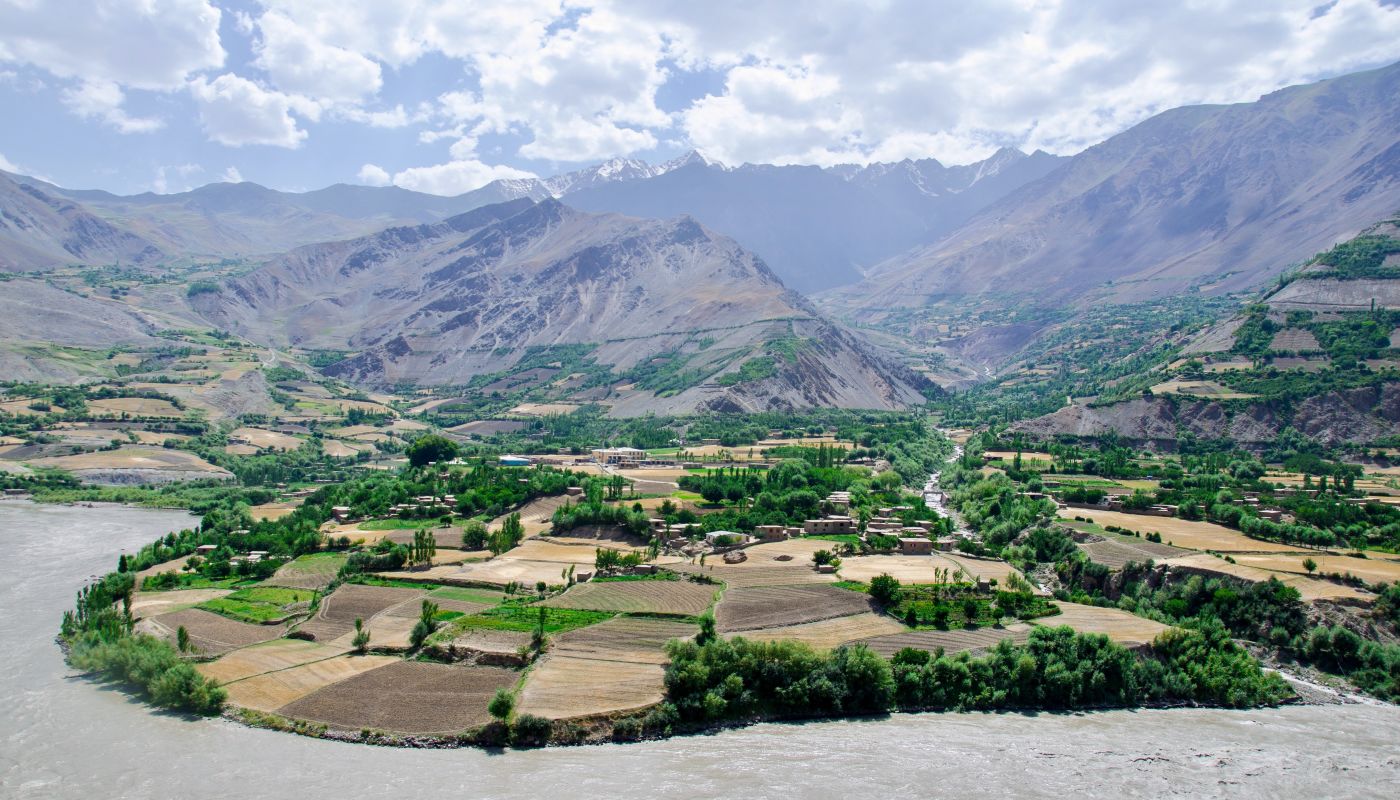
Landscape of Afghanistan
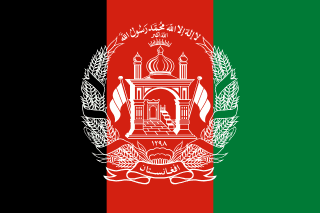
Flag of Afghanistan

Afghanistan

Asia

A country plagued by armed conflict, Afghanistan has over 1.4 internally displaced citizens, and 2.6 million others have left the country and are living in over 70 host countries. The Taliban consider themselves to still be the rightful ruling party, although they exist merely as an insurgent force in modern political spheres. As the international military presence decreases, poverty in the country has increased; there are less pressures for the government to provide for the poor as the international community loses its influence inside the borders. Poor healthcare has led to Afghanistan having the highest international infant mortality rate, and women suffer extreme rights abuses.1 1https://www.cia.gov/library/publications/the-world-factbook/geos/af.html

What would you like to learn about in Afghanistan?

Select a section to explore the country where nonprofits are creating positive change.

About Afghanistan

Ahmad Shah DURRANI unified the Pashtun tribes and founded Afghanistan in 1747. The country served as a buffer between the British and Russian Empires until it won independence from notional British control in 1919. A brief experiment in democracy ended in a 1973 coup and a 1978 communist counter-coup. The Soviet Union invaded in 1979 to support the tottering Afghan communist regime, touching off a long and destructive war. The USSR withdrew in 1989 under relentless pressure by internationally supported anti-communist mujahedin rebels. A series of subsequent civil wars saw Kabul finally fall in 1996 to the Taliban, a hardline Pakistani-sponsored movement that emerged in 1994 to end the country's civil war and anarchy. Following the 11 September 2001 terrorist attacks, a US, Allied, and anti-Taliban Northern Alliance military action toppled the Taliban for sheltering Osama BIN LADIN. The UN-sponsored Bonn Conference in 2001 established a process for political reconstruction that included the adoption of a new constitution, a presidential election in 2004, and National Assembly elections in 2005. In December 2004, Hamid KARZAI became the first democratically elected president of Afghanistan and the National Assembly was inaugurated the following December. KARZAI was re-elected in August 2009 for a second term. Despite gains toward building a stable central government, a resurgent Taliban and continuing provincial instability - particularly in the south and the east - remain serious challenges for the Afghan Government.

Quick Facts

Population
31,108,077 (July 2013 est.)
Area
652,230 sq km
ISO Code
AF
Continent
Asia
Government
Islamic republic
Active Causes
12
View all countries in Asia

Geography & Environment

Climate

arid to semiarid; cold winters and hot summers

Terrain

mostly rugged mountains; plains in north and southwest

Natural Resources

natural gas, petroleum, coal, copper, chromite, talc, barites, sulfur, lead, zinc, iron ore, salt, precious and semiprecious stones

Environmental Issues

limited natural freshwater resources; inadequate supplies of potable water; soil degradation; overgrazing; deforestation (much of the remaining forests are being cut down for fuel and building materia...

People & Society

50.11 years
Avg. Life Expectancy
28.1%
Literacy Rate
23.5% of total population (2011)
Total Urban Population

Languages

Afghan Persian or Dari (official) 50%, Pashto (official) 35%, Turkic languages (primarily Uzbek and Turkmen) 11%, 30 minor languages (primarily Baloch...

Religions

Sunni Muslim 80%, Shia Muslim 19%, other 1%

Health Expenditure

7.6% of GDP (2010) of GDP

Education Expenditure

NA of GDP

Economy

$1,100
GDP per Capita (PPP)
35%
Unemployment Rate
36% (FY08/09)
Below Poverty Line

Economic Overview

Afghanistan's economy is recovering from decades of conflict. The economy has improved significantly since the fall of the Taliban regime in 2001 largely because of the infusion of international assistance, the recovery of the agricultural sector, and service sector growth. Despite the progress of the past few years, Afghanistan is extremely poor, landlocked, and highly dependent on foreign aid. Much of the population continues to suffer from shortages of housing, clean water, electricity, medical care, and jobs. Criminality, insecurity, weak governance, lack of infrastructure, and the Afghan...

Causes in Afghanistan

Environment

More than 80 percent of Afghanistan's land is threatened by soil erosion, which causes increased salinization and de-vegetation. Contributing causes to the environmental crisis include armed conflict, population displacement, and misuse of natural resources.1 Massive deforestation has created vulnerability to natural disasters. Droughts have decreased water resources and have encouraged emigration from Afghanistan.2 A huge part of the deterioration of the environment is the lack of government action and legislation to protect and preserve the environment. Over 70 percent of Afghanistan's forests have been cut down in the past 20 years. This deforestation has lead to an increase in floods and avalanches.3 These forests are sources of fuel and important materials. With the agrarian nature of the economy, nearly 80 percent of the population are involved in farming or herding and depend on agricultural production for their livelihoods.4

Family

Afghans identify themselves very closely in kinship groups called qawm that often align with a blood-related group, clan, or tribe. Family is hugely important and extended families are the most significant social group. Families often view the action of one member as reflecting on the honor or shame of the entire family.1 Domestic abuse is very common in Afghanistan, due in large part to the prevalence of child marriage. Child marriage and pregnancy also contribute to high maternal death rates.2 There were over 3,700 cases of abuse against women reported in 2016. Armed groups were reported to attack women who worked or held public office.3

Human Rights

1.4 million citizens were internally displaced at the end 2016, and 2.6 million Afghan refugees were living outside the country. The Taliban still believes they are the rightful rulers of Afghanistan and are one of the groups that pose threats to journalists and reporters in the country who support human rights. There is widespread armed conflict throughout the country. There is no freedom of speech and media. There were over 100 cases of human rights defenders being violently threatened because of their work in 2016.1 Prisoners in Afghanistan are also subject to gross mistreatment, including extrajudicial killings, torture, rape, and arbitrary arrest and detention. Violence and discrimination against women and girls are also rampant.2

Education

Nearly two-thirds of female children in Afghanistan are not enrolled in school. A report by Human Rights Watch revealed that as international attention and funding move away from the country, the emphasis on female education is waning. This misrepresentation is institutionalized; less than 20 percent of teachers are female in half of the country’s provinces.1 35 percent of all children are married by the time they reach the age of 18.9 percent are married by the time they are 15. Girls Not Brides cites poverty, strong patriarchal values, and low education rates as contributors to the large number of child marriages in the country.2 Currently, free education is available and compulsory for young children, and nearly 10 million children attend school. Despite some advances, the literacy rate is still at a low 38 percent with large gender discrepancies.3

Poverty

Only 6 percent of the Afghan population has access to electricity. It is also extremely difficult for the internally displaced to find reliable sources of food and water. The city of Kabul has had difficulty accommodating and providing for the thousands of people streaming in from the war-torn countryside.1 Access to healthcare, particularly immunizations, is limited by poverty.2 Widows are some of the most marginalized and vulnerable members of society. There are about 2 million widows in Afghanistan, and without a man they have nearly no rights. Widows also lose custody rights to their children when their husband dies.3 The country's unemployment rate is 35 percent.4

Religion

Islam is the official religion in Afghanistan. 99.7 percent of the population is Muslim, with 85–90 percent following Sunni Muslim traditions and 10–15 percent identifying as Shia Muslim.1 Although the Afghan Constitution technically allows for religious freedom, it requires religious practice to remain within the provisions of the law. Thus, discrimination against non-Muslim religions is common. Conversion to another religion from Islam is considered apostasy by the government, which is grounds for potential execution. Fear of religious persecution keeps minority religious groups from addressing their legal issues in courts.2 Under Taliban rule, women's rights were limited and education was abandoned beyond basic Quran-based studies. Much of the country's infrastructure fell apart while the Taliban focused on running a society based in Muslim law.3

Clean Water

55 percent of the Afghan population has access to improved water sources, and 32 percent of the population has access to improved sanitation facilities. Citizens are at high risk of contracting bacterial diarrhea, hepatitis A and typhoid fever from food and waterborne diseases.1 Improper waste management and disposal have contaminated the few clean water sources available to urban population, posing new threats due to poor infrastructure and maintenance of existing structures. The Afghan Urban Water Supply and Sewerage Corporation is working on a 30 year project to improve these issues.2 In rural areas, only 20 percent of the population has access to clean water. This is the lowest percentage in the world. Clean water is rare and out of reach for the vast majority of Afghan people. Even in the city of Kabul, 80 percent of its 6 million residents lacks safe drinking water.3

Economy

The lack of comprehensive data on Afghanistan’s economic development makes reliable information difficult to obtain. The country's GDP increased by 2.4 percent in 2016, indicating slow growth.1 Ongoing conflict and violence in recent years have kept the country from developing consistently. Afghanistan relies heavily on its agricultural sector and well over 70 percent of the population are estimated to rely on agriculture for jobs and livelihood.2 A joint report by the World Bank and the Afghan government revealed that the rise in national unemployment correlated to international troops moving out of the country.3

Government

The Islamic Republic of Afghanistan is a presidential Islamic republic consisting of three branches of power: executive, legislative, and judiciary. The current president is the country's first democratically elected head of state. The Ministry of Justice had acknowledged 57 political parties as of 2016.1 After the Afghan war and years of political instability, the government still faces several significant challenges to productivity, the first being the dependence on foreign aid.2 Additionally, alleged corruption and mismanagement of funds are pervasive problems. Over $100 billion of U.S. aid is reported to have been lost to grafting.3 Transparency International ranks the Afghan government as one of the most corrupt in the world. It is ranked 169th out of 176 countries, and the Afghan public scores their own public officials a low 15 out of 100 for perceived corruption.4

Health

Afghanistan's people suffer severe health risks ranging from environmental diseases to poverty-caused malnutrition. Tuberculosis and malaria are common difficulties, and HIV/AIDS is a growing issue. Other epidemics include cholera, measles, meningitis and pertussis.1 The maternal mortality rate in Afghanistan is 396 deaths per 100,000 live births. Infant mortality is the highest on earth; 110 deaths per 1,000 live births. 25 percent of children are malnourished, and life expectancy is only 51 years.2 Many NGOs are moving in to the country to improve the available health care and train local professionals through a program called the System Enhancement for Health Action Transition.3

Children

Afghan children struggle with several severe health risks. 10 percent of children in Afghanistan will die before their fifth birthday, and 25 percent of children under the age of five show signs of malnutrition.1 Additionally, women in remote villages have little access to healthcare or clinics for their children. Afghanistan is recognized as one of the most dangerous places to give birth.2 Child labor is estimated to affect around 25 percent of Afghan children between the ages of five and 14. Only half of these children attend school. The legal working age is 18, with exceptions for children ages 14 to 18. The government does not have the financial capacity to enforce this law.3 Afghanistan's long history of war and violence affects its children profoundly. The significantly war-torn regions produce large numbers of refugees, and educating and caring for refugee children is difficult.4

Animals

Afghanistan is located in the Palearctic region and is a key host to over 30,000 migratory birds. Local species include the Chiltan wild goat, Himalayan black bear, leopard cat, and grey langur. Some forests have greatly dropped in biodiversity due to unhindered extraction of timber without consideration for sustainability. Other threats to local wildlife include the digging of irrigation channels and clearing of forests for industrial sites, as well as pollution of waterways from waste and sewage. The red fox especially is threatened by over-hunting because of its valuable red pelt.1

Nonprofits Working in Afghanistan

Discover organizations making a difference in Afghanistan

Rising International

Rising International

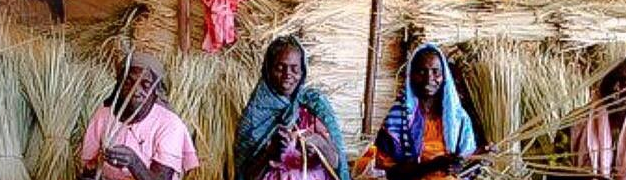
Our Unique Local-Global Solution Rising International is a nonprofit organization that has revolutionized the home party business model to alleviate poverty locally and globally. Think Avon or Tupperware for a social cause. We find the world’s most forgotten women (like Fatima) and enable them to change their destinies by selling their handmade crafts at Rising Home and Corporate Parties. We train women and teens, many un-employed or under- employed, (like Susana) to run their own Rising Home Party businesses and sell crafts made by their global sisters. We search the U.S. for party hosts (like Nancy) who invite friends to their homes to shop. Our sustainable model empowers both local and global entrepreneurs to rise above their circumstances.

Santa Cruz, California

Make Your Impact Today

Discover causes you care about and support the nonprofits making a difference in communities around the world.

Are you a nonprofit? Join Project World Impact for free

Join Us Free