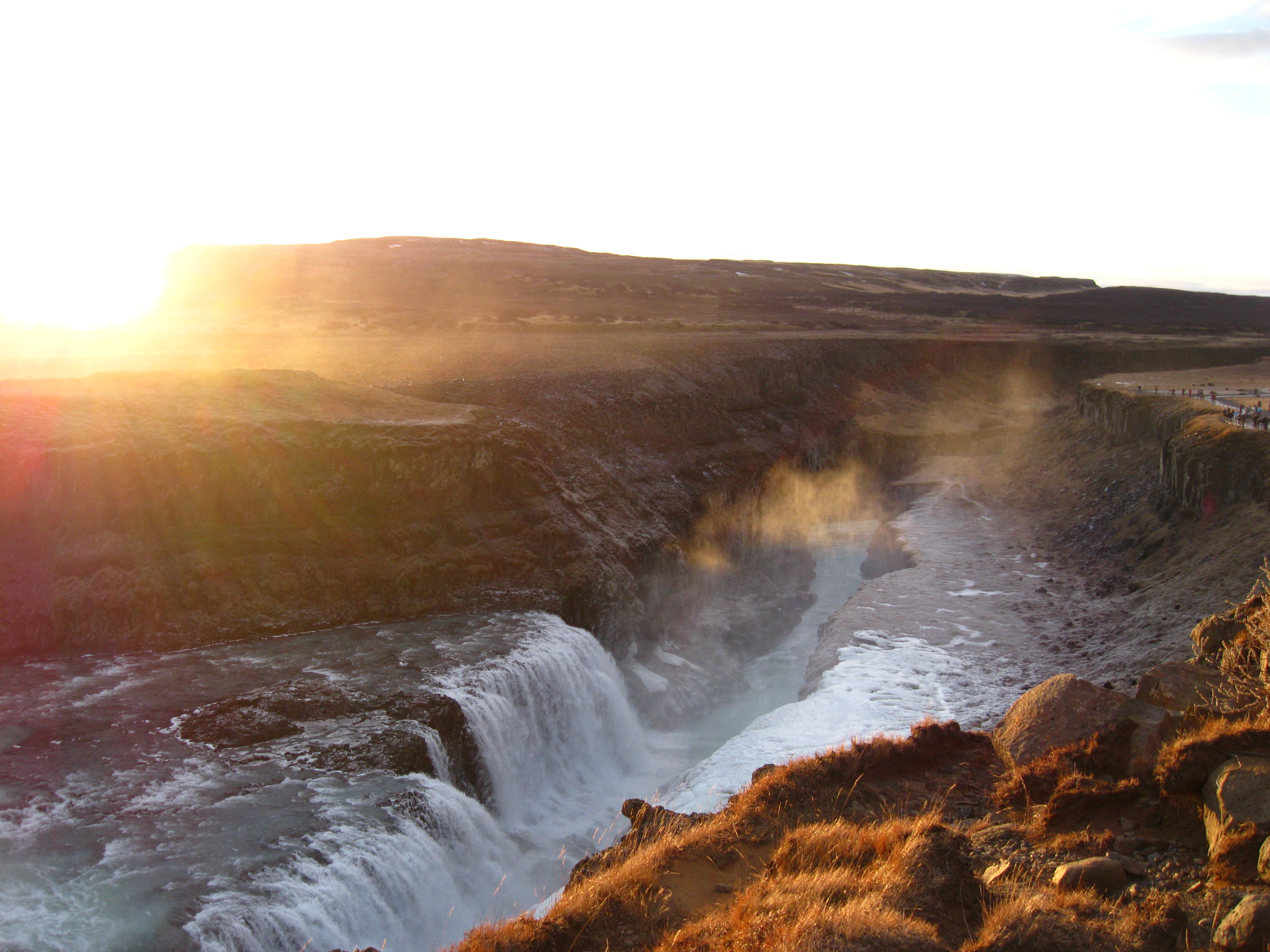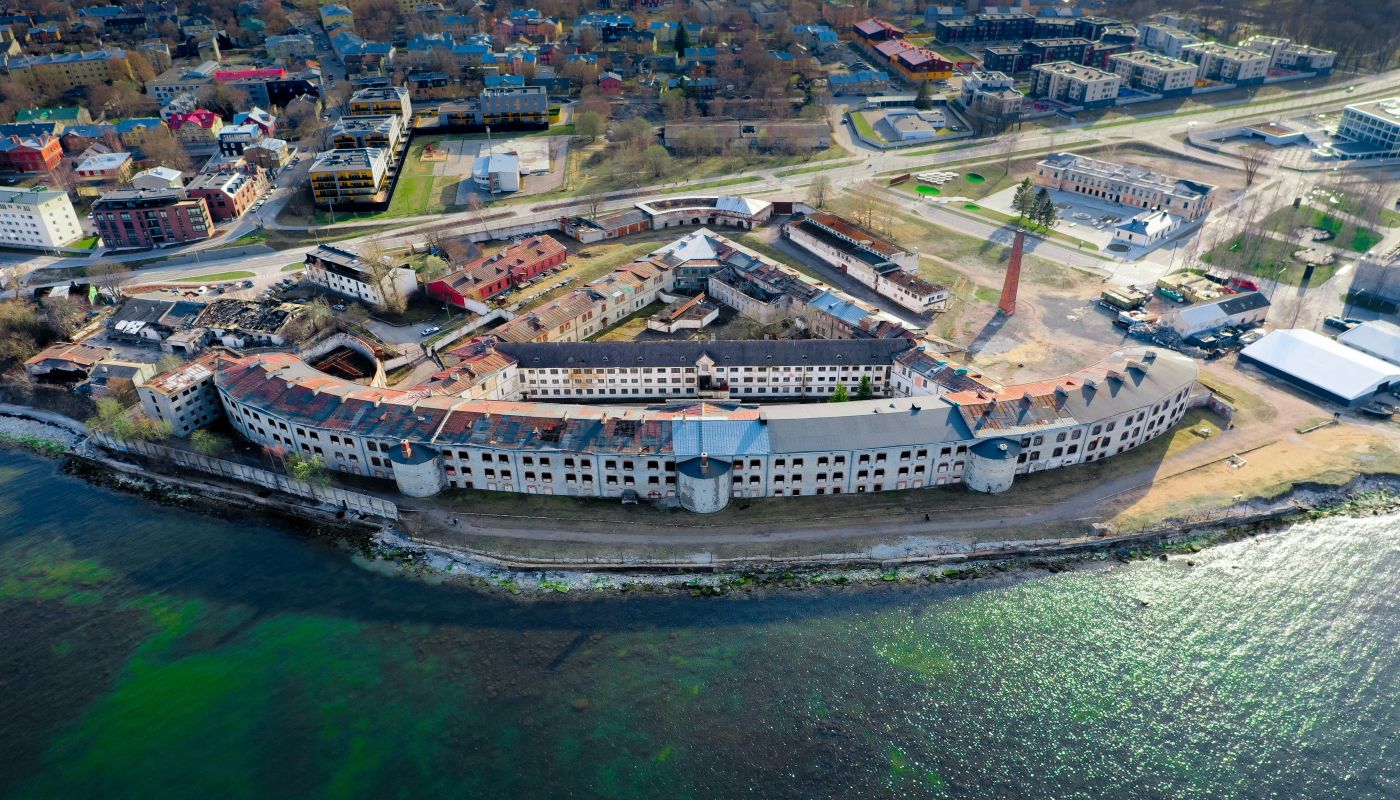

Landscape of Estonia
Flag of Estonia

Estonia

Europe

Estonia gained independence in 1991 with the collapse of the Soviet Union after years of occupation by various European countries. Since then the country has joined NATO and the EU, and joined the eurozone in 2011. Some issues facing the country are income inequality, domestic violence, and poverty. The government is relatively free from corruption, and the country has an internationally-renowned education system.1 1 https://www.cia.gov/library/publications/the-world-factbook/geos/en.html

What would you like to learn about in Estonia?

Select a section to explore the country where nonprofits are creating positive change.

About Estonia

After centuries of Danish, Swedish, German, and Russian rule, Estonia attained independence in 1918. Forcibly incorporated into the USSR in 1940 - an action never recognized by the US - it regained its freedom in 1991 with the collapse of the Soviet Union. Since the last Russian troops left in 1994, Estonia has been free to promote economic and political ties with the West. It joined both NATO and the EU in the spring of 2004, formally joined the OECD in late 2010, and adopted the euro as its official currency on 1 January 2011.

Quick Facts

Population
1,266,375 (July 2013 est.)
Area
45,228 sq km
ISO Code
EE
Continent
Europe
Government
parliamentary republic
Active Causes
12
View all countries in Europe

Geography & Environment

Climate

maritime; wet, moderate winters, cool summers

Terrain

marshy, lowlands; flat in the north, hilly in the south

Natural Resources

oil shale, peat, rare earth elements, phosphorite, clay, limestone, sand, dolomite, arable land, sea mud

Environmental Issues

air polluted with sulfur dioxide from oil-shale burning power plants in northeast; however, the amount of pollutants emitted to the air have fallen steadily, the emissions of 2000 were 80% less than i...

People & Society

73.82 years
Avg. Life Expectancy
99.8%
Literacy Rate
69.5% of total population (2011)
Total Urban Population

Languages

Estonian (official) 67.3%, Russian 29.7%, other 2.3%, unknown 0.7% (2000 census)

Religions

Evangelical Lutheran 13.6%, Orthodox 12.8%, other Christian (including Methodist, Seventh-Day Adventist, Roman Catholic, Pentecostal) 1.4%, unaffiliat...

Health Expenditure

6% of GDP (2010) of GDP

Education Expenditure

6.1% of GDP (2009) of GDP

Economy

$22,100
GDP per Capita (PPP)
10.2%
Unemployment Rate
17.5% (2010)
Below Poverty Line

Economic Overview

Estonia, a member of the European Union and the eurozone since 2004, has a modern market-based economy and one of the higher per capita income levels in Central Europe and the Baltic region. Estonia's successive governments have pursued a free market, pro-business economic agenda and have wavered little in their commitment to pro-market reforms. The current government has followed sound fiscal policies that have resulted in balanced budgets and low public debt. The economy benefits from strong electronics and telecommunications sectors and strong trade ties with Finland, Sweden, Russia, and Ge...

Causes in Estonia

Environment

Estonia’s environment is particularly burdened by the aftereffects of pollution and environmental degradation from the Soviet era. In particular, air pollution and uranium pollution continue to produce negative effects on the country’s landscape.1 The country has made large improvements in these areas, however. The capital city, Tallinn, was ranked one of the top ten cleanest capitals internationally by using indicators such as levels of particulate matter.2

Family

Domestic abuse is a significant problem in Estonia. 12% of survey respondents reported experiencing domestic abuse, and 2% of respondents reported sexual abuse. The number of police reports on domestic violence have actually increased as the percentage of women experiencing violence went down, reflecting a greater trust in authority as the issue is being confronted.1 Child abuse is also a problem in the country, and the government is working to create an environment where children feel safe reporting to adults.2

Human Rights

Significant human rights abuses that were reported in recent years include poor prison conditions, violence against women, child abuse, human trafficking, and untimely pretrial detentions. Domestic violence is also a prevalent human rights concern, and NGOs in the country estimate that as many as one in four women in Estonia have been the victims of physical, sexual, or emotional abuse at the hands of a spouse or domestic partner.1 Additionally, the government was accused of denying relocation requests by asylum seekers without providing written explanations for the decision.2

Education

The national literacy rate in Estonia is at 99.8%1, and the primary school enrollment rate is at 98%.2 The education system has undergone many beneficial reforms and is now competitive internationally with leading countries like Japan and Finland. Only 5-10% of students fall into the category of “weak performers”.3

Poverty

The poverty rate in Estonia is high at 21%, and approximately 7% of the population live in extreme poverty. The wealthiest fifth of the population is nearly six times richer than the poorest fifth of the country. The risk of poverty is particularly high among the elderly, and over 24% of the country’s population 65 and older currently lives in poverty, up from 17% in 2011. The unemployment rate in Estonia is 6.8%.1

Religion

The population of Estonia is approximately 16% Orthodox, 10% Lutheran, 16.7% unspecified, and 54% non religious. 1 Estonia’s constitution and other laws protect religious freedom, which is generally well enforced. Reports of religious discrimination or conflict are rare.2

Clean Water

Approximately 99% of the population has regular access to clean water, and 97% of the population has access to improved sanitation infrastructure.1 Local organizations are concerned with the impact of soil amelioration on the quality and pollution of groundwater. The National Environment Monitoring Program has noted improvement, however, in water pollution since 2008.2

Economy

Estonia has been a member of the European Union since 2004. The country’s largest industries include engineering, electronics, wood products, textiles, information technology, and telecommunications. The unemployment rate in Estonia is at 6.8%, and approximately 21% of the population lives below the poverty line.1 Transparency International ranks the government 22nd out of 176 countries, and the Estonian public scores their government 70 out of 100.2

Government

The Republic of Estonia is a parliamentary republic with a prime minister as head of government and a president as head of state. There are six major political parties. The Constitution was last amended in 1992. The state operates under a civil law system. The government is relatively free from corruption.1

Health

The infant mortality rate in Estonia is 3.8 deaths per 1,000 live births, and the maternal mortality rate is 9 deaths per 100,000 live births. The average life expectancy in the country is 77 years of age. 21% of adults in Estonia are obese.1 Injuries are the third leading cause of death in the country, and the rate of unintentional injuries in Estonia is three times higher than the regional average. Additionally, the amount of people affected by alcohol poisoning is five times higher than the regional average.2 Other leading causes of death include circulatory diseases (58%) and malignant tumors (16%).3

Children

Approximately 9% of Estonia’s children live below the poverty line.1 Child abuse is a significant concern in the country, and in 2009 there were more than 760 reported cases of child abuse.2 One of the main concerns from the Human Rights Watch is the volume of stateless children in Estonia due to strict citizenship laws. The NGO cites studies that show that being stateless is socially and psychologically harmful, as well as unnecessarily creates room for discrimination.3

Animals

There are five nature reserves in the small country of Estonia. It is known for the abundance of bogs and forests scattered across the landscape. There is a large emphasis placed on the protection and preservation of the European mink, as well as wolves and lynxes. The country is also home to eight species of woodpeckers. Threats to these animals include pollution of the air and waterways from manufacturing and loss of habitat from forest clearance and human disturbance.1

Nonprofits Working in Estonia

Discover organizations making a difference in Estonia

Make Your Impact Today

Discover causes you care about and support the nonprofits making a difference in communities around the world.

Are you a nonprofit? Join Project World Impact for free

Join Us Free