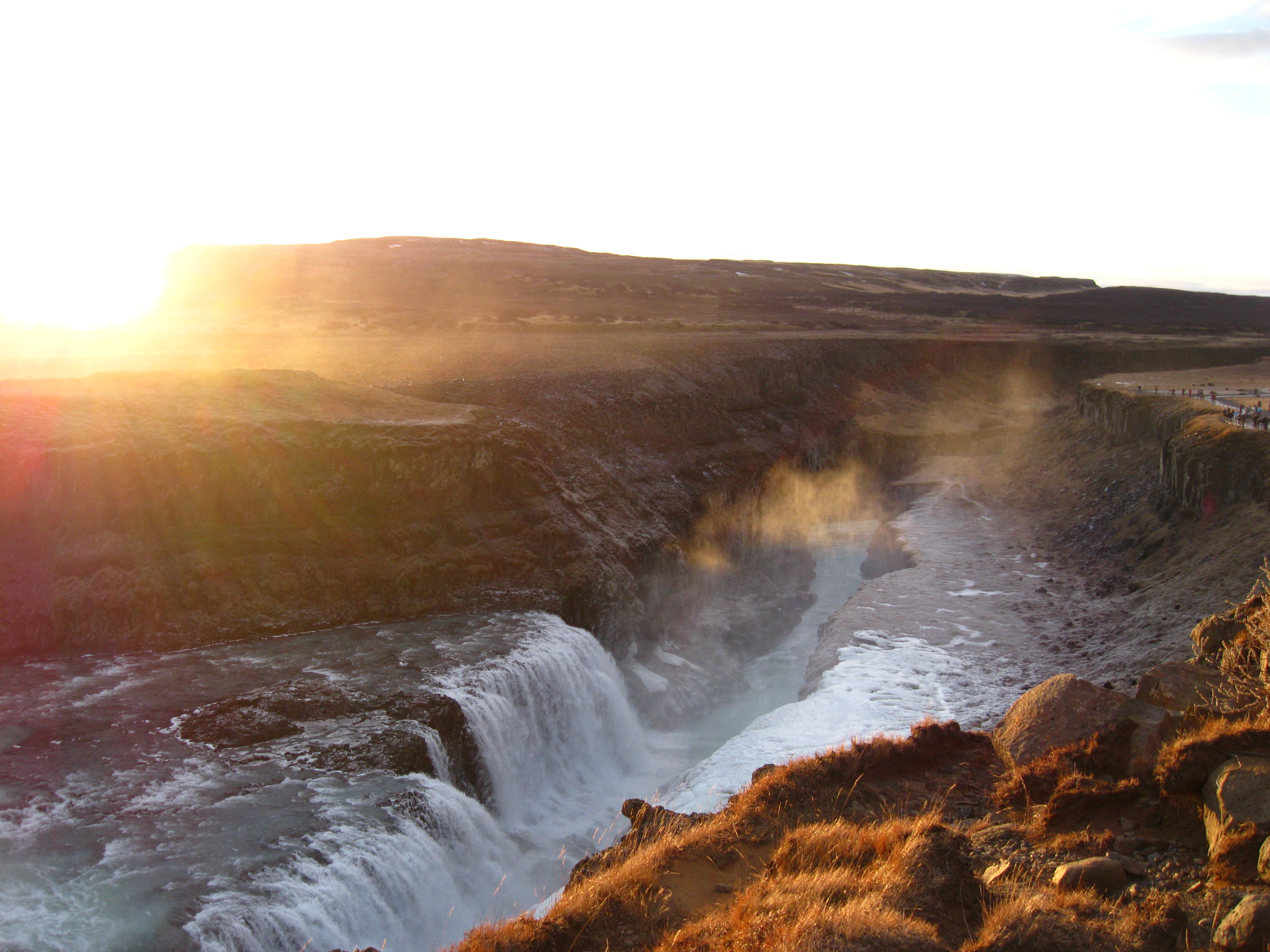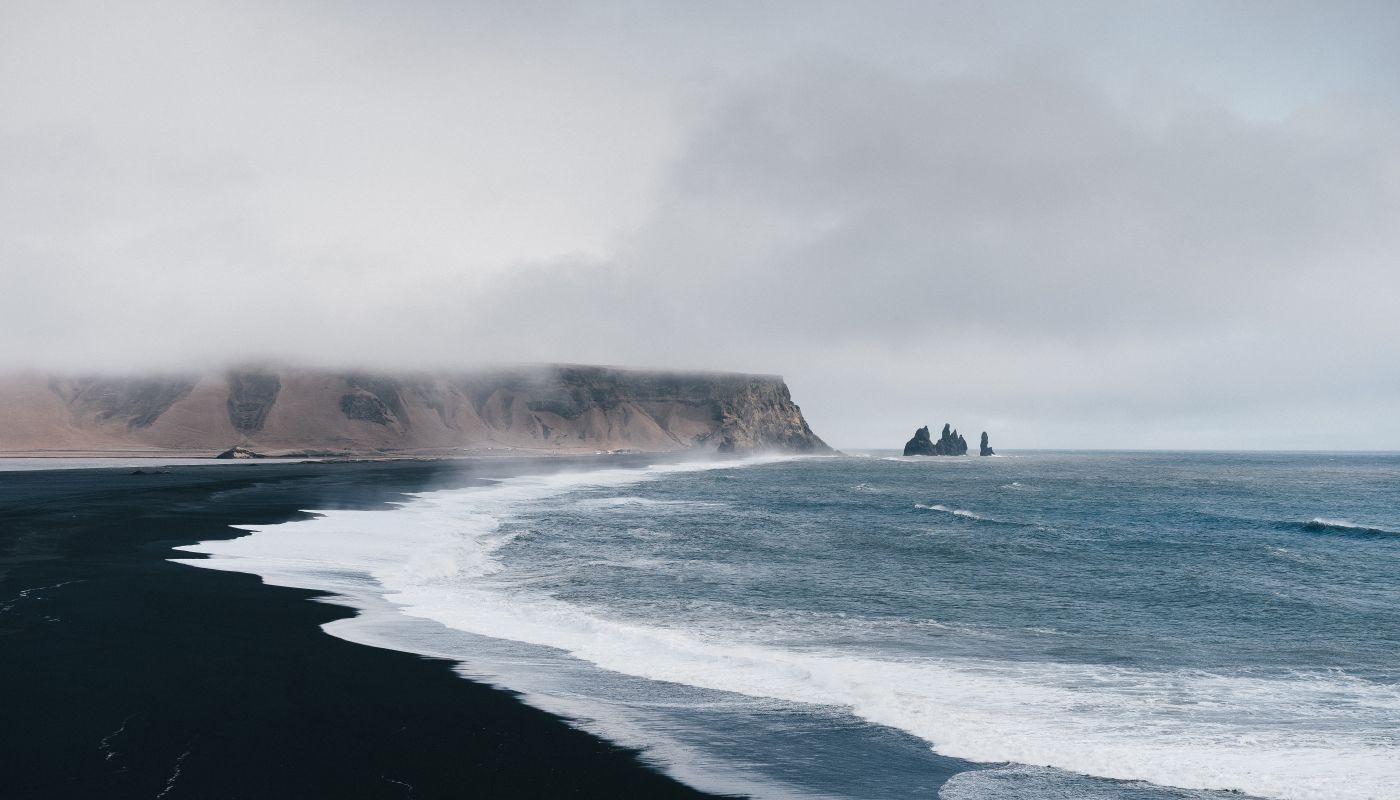
Landscape of Iceland
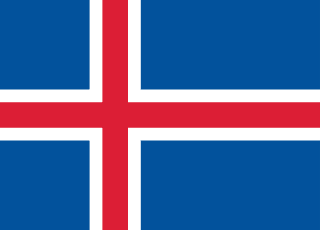
Flag of Iceland

Iceland

Europe

Iceland, an island nation of Europe, is home to glaciers, mountain ranges, and hot springs. Despite its remote location, the country has a vibrant European history filled with folklore. Their parliamentary government is similar to many other Scandinavian countries, marked by comprehensive social services.1 In recent years, tourism has dramatically increased and supplemented the fishing-based economy.2 1 https://www.britannica.com/place/Iceland/Government-and-society 2 https://www.cia.gov/library/publications/the-world-factbook/geos/ic.html

What would you like to learn about in Iceland?

Select a section to explore the country where nonprofits are creating positive change.

About Iceland

Settled by Norwegian and Celtic (Scottish and Irish) immigrants during the late 9th and 10th centuries A.D., Iceland boasts the world's oldest functioning legislative assembly, the Althing, established in 930. Independent for over 300 years, Iceland was subsequently ruled by Norway and Denmark. Fallout from the Askja volcano of 1875 devastated the Icelandic economy and caused widespread famine. Over the next quarter century, 20% of the island's population emigrated, mostly to Canada and the US. Denmark granted limited home rule in 1874 and complete independence in 1944. The second half of the 20th century saw substantial economic growth driven primarily by the fishing industry. The economy diversified greatly after the country joined the European Economic Area in 1994, but Iceland was especially hard hit by the global financial crisis in the years following 2008. Literacy, longevity, and social cohesion are first rate by world standards.

Quick Facts

Population
315,281 (July 2013 est.)
Area
103,000 sq km
ISO Code
IS
Continent
Europe
Government
constitutional republic
Active Causes
12
View all countries in Europe

Geography & Environment

Climate

temperate; moderated by North Atlantic Current; mild, windy winters; damp, cool summers

Terrain

mostly plateau interspersed with mountain peaks, icefields; coast deeply indented by bays and fiords

Natural Resources

fish, hydropower, geothermal power, diatomite

Environmental Issues

water pollution from fertilizer runoff; inadequate wastewater treatment

People & Society

81.11 years
Avg. Life Expectancy
99%
Literacy Rate
93% of total population (2010)
Total Urban Population

Languages

Icelandic, English, Nordic languages, German widely spoken

Religions

Lutheran Church of Iceland (official) 80.7%, Roman Catholic 2.5%, Reykjavik Free Church 2.4%, Hafnarfjorour Free Church 1.6%, other religions 3.6%, un...

Health Expenditure

9.4% of GDP (2010) of GDP

Education Expenditure

7.8% of GDP (2009) of GDP

Economy

$39,900
GDP per Capita (PPP)
6%
Unemployment Rate
NA%
Below Poverty Line

Economic Overview

Iceland's Scandinavian-type social-market economy combines a capitalist structure and free-market principles with an extensive welfare system. Prior to the 2008 crisis, Iceland had achieved high growth, low unemployment, and a remarkably even distribution of income. The economy depends heavily on the fishing industry, which provides 40% of export earnings, more than 12% of GDP, and employs nearly 5% of the work force. It remains sensitive to declining fish stocks as well as to fluctuations in world prices for its main exports: fish and fish products, aluminum, and ferrosilicon. Iceland's econo...

Causes in Iceland

Environment

The amount of particulate matter in the city of Reykjavik is much higher than that of the American city of Denver that has nearly 22 times the population.1 Much of the pollution in Iceland is due to either urban traffic or industry.2 The country has more than 40 protected nature reserves that allow the limited flora and fauna to have protected habitats. These areas have regulated access to the public and to industries.3

Human Rights

The most significant human rights problems in Iceland are the integration of immigrants and asylum seekers and the workforce’s low productivity. Awarding asylum status to people is oftentimes arbitrary and plagued with bureaucratic red tape. In 2017, there were some instances of discrimination in the workforce related to disabilities.1

Education

In Iceland, there are very few private schools and the majority of the school systems are based in the public sector. The first ten years of schooling are compulsory by law. Iceland has seven different universities that offer traditional courses and research programs. At state universities, no tuition fees exist apart from the initial registration fee.1

Poverty

Poverty is nearly nonexistent; the 9% of people under the poverty line earn just under minimum wage.1 In fact, in 2012, the number of people at risk of poverty in Iceland was the lowest in all of Europe. Iceland also has a low Gini coefficient, which indicates that the income distribution is very equal to that of mainland Europe.2

Religion

70% of the population is part of the Evangelical Lutheran Church of Iceland. 4% is Roman Catholic, 3% is part of the Reykjavik Free Church, and the rest are part of other minority religions or are unspecified.1

Clean Water

Iceland has an abundance of clean water accessible to its citizens. In comparison with other nearby European countries, Iceland has both the largest amount of available clean water and the highest amount of water usage in its capital. However, in less densely populated coastal areas, there are communities that lack updated water systems and sanitation.1

Economy

Historically, Iceland has had an economy characterized by high levels of growth, low unemployment rates, and a generally even distribution of income and wealth. The economy is based primarily on fish exports and has been working towards further diversification into software development, biotechnology, and tourism.1 Overall, the economy is transparent and free, and functions above the international and regional averages. Since 2008, the economy has shown excellent growth in the restoration of financial institutions and practices.2

Government

Iceland is a parliamentary republic with a president and a prime minister. The governmental system is highly influenced by the Danish system. There are around nine major political parties.1 Overall corruption is not a major issue for the country, with the exception of minor political/business scandals. Since the parliament has been governing the country for 1,000 years, accountability and transparency have become institutionalized.2 Iceland benefits from EU benefits like free trade, movement, and membership in the Schengen zone.3

Health

Iceland has high birth rates and low death rates.. Overall, the level of health in Iceland is very good and the country has a high standard of living. However, the number of women who die from cancer is higher than the number of men and is increasing.1 The main reason for this is the high numbers of smokers. The vast majority of the population in Iceland has access to primary health clinics, and there are low levels of maternal deaths. Breast and prostate cancers are the most common fatal forms of cancer.2

Children

The Icelandic Human Rights Center, Save the Children Iceland, and the Icelandic Committee for UNICEF are responsible for ensuring that children’s rights are correctly protected. The standard of living for the approximately 81,000 children who live in Iceland is very high. Children are generally provided with education, healthcare, and security. More adults have been unemployed since the 2008 collapse of Iceland’s banks, which has increased the risk of children living in poverty.1

Family

Domestic violence is a pervasive issue in Iceland; over 650 cases of domestic violence were reported in 2016. Half of all femicides in Iceland were linked to domestic violence. The country has made significant investments in programs that assist women who report abuse, and twice as many women reported cases to the police in 2016 as they did in 2014.1 There is also an undercover human trafficking industry that targets children and women. The government has made efforts to suppress the industry but has not yet completely eradicated it.2

Animals

The Palearctic region that includes Iceland is stable and not in immediate danger. The Gulf Stream keeps the climate more mild than the country’s northern location would indicate. Native species include the short-eared and snowy owls, long-tailed field mice, arctic fox, and the American mink. Migratory birds are threatened by the disappearance of wetlands due to drainage, while other species are threatened by human activity, such as a proposed hydropower plant that will affect nearly 3,000 square kilometers of habitat.1

Nonprofits Working in Iceland

Discover organizations making a difference in Iceland

Make Your Impact Today

Discover causes you care about and support the nonprofits making a difference in communities around the world.

Are you a nonprofit? Join Project World Impact for free

Join Us Free