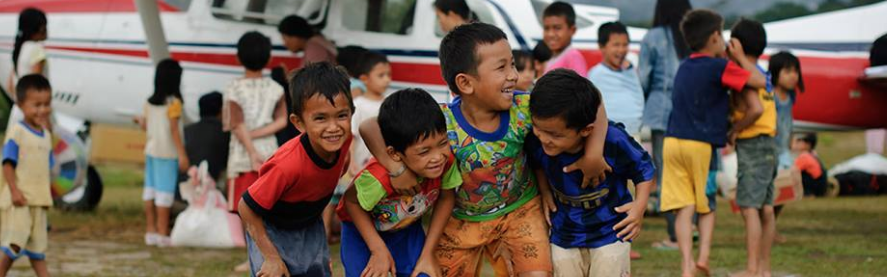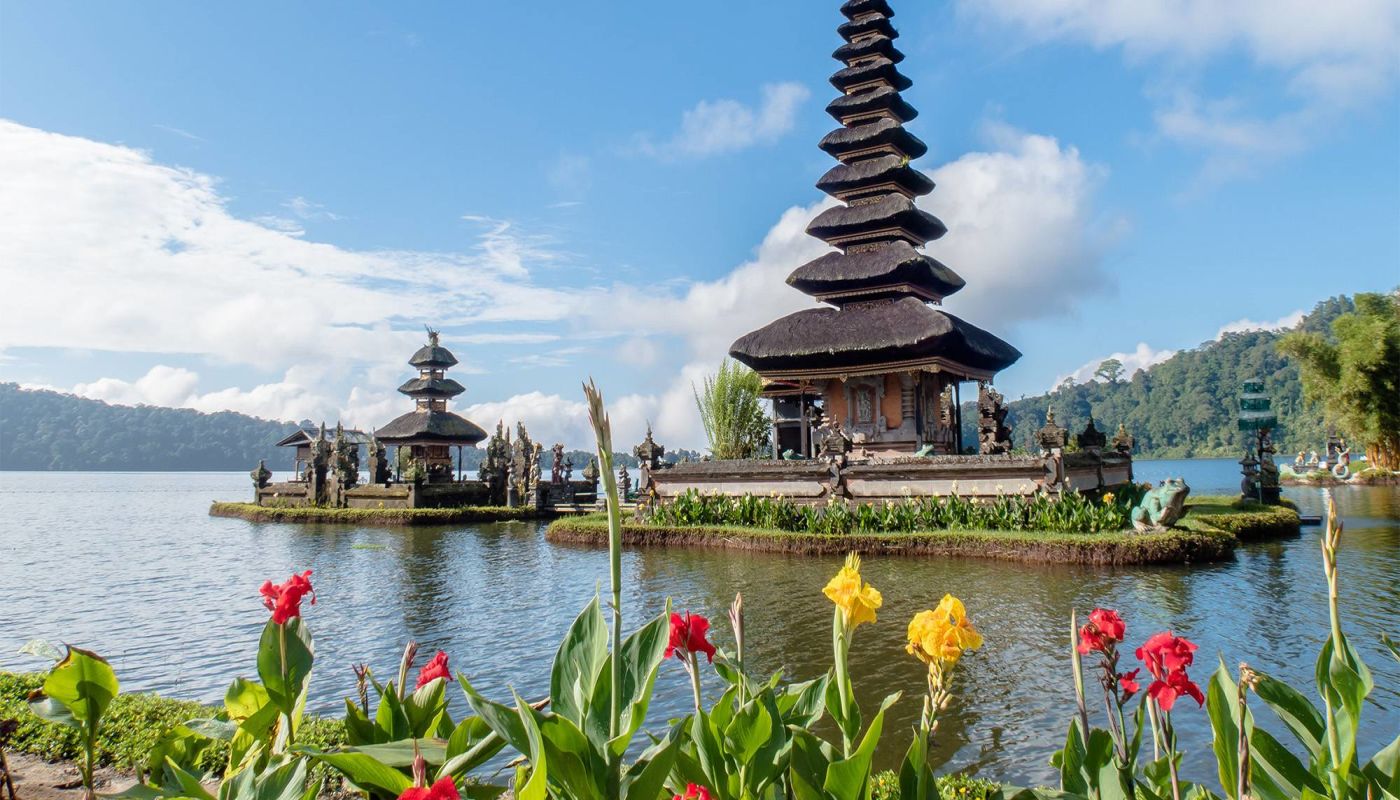

Landscape of Indonesia
Flag of Indonesia

Indonesia

Asia

Indonesia’s large population places it as the fourth-largest country in the world. Its percentages of people in poverty and mortality rates are not significantly larger than other low-to-middle income countries, but the absolute numbers are large due to the size of the population. Clean water sources are available to most Indonesians, but much of the water is contaminated due to improper waste management. The country has an extremely high divorce rate and prevalent child labor issues.1 1 https://www.cia.gov/library/publications/the-world-factbook/geos/id.html

What would you like to learn about in Indonesia?

Select a section to explore the country where nonprofits are creating positive change.

About Indonesia

The Dutch began to colonize Indonesia in the early 17th century; Japan occupied the islands from 1942 to 1945. Indonesia declared its independence shortly before Japan's surrender, but it required four years of sometimes brutal fighting, intermittent negotiations, and UN mediation before the Netherlands agreed to transfer sovereignty in 1949. A period of sometimes unruly parliamentary democracy ended in 1957 when President SOEKARNO declared martial law and instituted "Guided Democracy." After an abortive coup in 1965 by alleged communist sympathizers, SOEKARNO was gradually eased from power. From 1967 until 1988, President SUHARTO ruled Indonesia with his "New Order" government. After rioting toppled Suharto in 1998, free and fair legislative elections took place in 1999. Indonesia is now the world's third most populous democracy, the world's largest archipelagic state, and the world's largest Muslim-majority nation. Current issues include: alleviating poverty, improving education, preventing terrorism, consolidating democracy after four decades of authoritarianism, implementing economic and financial reforms, stemming corruption, reforming the criminal justice system, holding the military and police accountable for human rights violations, addressing climate change, and controlling infectious diseases, particularly those of global and regional importance. In 2005, Indonesia reached a historic peace agreement with armed separatists in Aceh, which led to democratic elections in Aceh in December 2006. Indonesia continues to face low intensity armed resistance in Papua by the separatist Free Papua Movement.

Quick Facts

Population
251,160,124 (July 2013 est.)
Area
1,904,569 sq km
ISO Code
ID
Continent
Asia
Government
republic
Active Causes
12
View all countries in Asia

Geography & Environment

Climate

tropical; hot, humid; more moderate in highlands

Terrain

mostly coastal lowlands; larger islands have interior mountains

Natural Resources

petroleum, tin, natural gas, nickel, timber, bauxite, copper, fertile soils, coal, gold, silver

Environmental Issues

deforestation; water pollution from industrial wastes, sewage; air pollution in urban areas; smoke and haze from forest fires

People & Society

71.9 years
Avg. Life Expectancy
92.8%
Literacy Rate
50.7% of total population (2011)
Total Urban Population

Languages

Bahasa Indonesia (official, modified form of Malay), English, Dutch, local dialects (of which the most widely spoken is Javanese)

Religions

Muslim 86.1%, Protestant 5.7%, Roman Catholic 3%, Hindu 1.8%, other or unspecified 3.4% (2000 census)

Health Expenditure

2.6% of GDP (2010) of GDP

Education Expenditure

3% of GDP (2010) of GDP

Economy

$5,100
GDP per Capita (PPP)
6.1%
Unemployment Rate
11.7% (2012 est.)
Below Poverty Line

Economic Overview

Indonesia, a vast polyglot nation, grew more than 6% annually in 2010-12. The government made economic advances under the first administration of President YUDHOYONO (2004-09), introducing significant reforms in the financial sector, including tax and customs reforms, the use of Treasury bills, and capital market development and supervision. During the global financial crisis, Indonesia outperformed its regional neighbors and joined China and India as the only G20 members posting growth in 2009. The government has promoted fiscally conservative policies, resulting in a debt-to-GDP ratio of les...

Causes in Indonesia

Environment

Indonesia is highly vulnerable to natural disasters like flooding, tropical storms, and tsunamis. The most recent natural disaster to hit the country was a massive 2004 tsunami from which the population is still recovering. Moreover, Indonesia currently faces man-made environmental problems such as deforestation, overfishing, pollution, and illegal wildlife trade.1 The coast of Indonesia supports the majority of the world’s coral reef species and 30% of the world’s fish species, making the coastline ecosystem extremely valuable. 60% of Indonesia’s population lives along the country’s coast, further exacerbating the demands placed on coastline ecosystems.2

Education

95% of Indonesians over the age of 15 are literate. The government spends 3.3% of GDP on education annually.1 The education system has been criticized for its preferential treatment of children who have financial security over those from impoverished families. Many rural poor children have access only to low-quality primary education, while children with means have access to a variety of public and private schools. The Borgen Project notes that there are issues with education for those with special needs, such as the fact that curriculum is the same for children with physical and learning disabilities.2 The country has chronically low enrollment rates. One of the largest obstacles to scholastic efficacy is corruption. Parents and students are often required to exchange cash for degrees, and bribes are frequently paid for higher grades or national exam scores.3

Poverty

The amount of citizens living in poverty fell from 24% in 1999 to 11% in 2016, but there continue to be chronic problems with income disparity within the society.1 Those living in rural areas experience poverty disproportionately to the rest of citizens. The wealthiest 1% of the population possess nearly half of the available wealth. The wealth gap is one of the leading causes of social tension within the country. The International Monetary Fund notes that nearly $101bn was cycled into tax havens from Indonesia in 2015, leading to severe inefficiency and poor funding of the government. Women also experience poverty disproportionately, as they are often more limited in pursuing education and face gender-based discrimination.2

Religion

In order to legally practice religion in Indonesia, the religion must fit into one of the five categories defined by the Indonesian government. These categories include Islam, Protestantism, Roman Catholicism, Buddhism, and Hinduism. The basic definition provided by the government is that religions must acknowledge that there is only one God.1 Incidents of violence against minority religions in 2012 were frequent and occasionally deadly. Christian churches have faced arbitrary refusals to issue permits allowing them to build places of worship. Furthermore, Islamic extremist groups have used violence and threats including bombings and burnings of churches.2

Clean Water

12.6% of Indonesians do not have access to clean water, while nearly 40% of the population does not have improved sanitation infrastructure.1 Contaminated water is a rising problem for parts of the country whose clean water sources are polluted by poor waste management. Nearly 90% of deaths caused by diarrhoea are linked to contaminated water. 20% of Indonesians defecate in the open, and less than 50% of the population reports hand washing regularly. These cultural norms create major health hazards and difficulties for organizations trying to combat the spread of infectious diseases.2

Economy

5.4% of the Indonesian population is unemployed. The economy is highly dependent on the export of mineral fuels, animal and vegetable fats, and electrical machinery. Imports include boilers, machinery, and other mechanical parts. The country’s national public debt is 33% of GDP. Indonesia’s trade partners include China, Singapore, and Japan.1 Indonesia has emerged in recent years as a stable democracy and middle-income country. The largest obstacles to Indonesia’s economic growth continue to be corruption, limited application of the law, and weak enforcement of property rights. Protectionist legislation also hinders the security of foreign investment.2

Government

The Republic of Indonesia is a presidential republic. The country gained independence in 1945 after Dutch colonization and Japanese occupation. It has been praised internationally for transitioning to democracy after operating under semi-dictatorial powers for nearly 30 years.1 The greatest problem facing Indonesia’s government is widespread corruption, both within the government and society overall. One of the most common manifestations of corruption in Indonesia is the practice of bribery, which exists among all levels of government. Such widespread corruption poses a threat to the long-term viability of democracy in Indonesia.2

Health

The average life expectancy is 73 years in Indonesia. The infant mortality rate is 23 deaths per 1,000 live births, and the maternal mortality rate is 126 deaths per 100,000 live births. The government spends about 2.8% of GDP on healthcare annually, and there are only about 2 physicians for every 10,000 people. The country has a low obesity rate at 7% but struggles with child malnourishment.1The government has historically been slow and provided insufficient coverage when reimbursing hospital costs. Diseases such as tuberculosis or malaria are largely eradicated within the country. Among the largest problems that Indonesian citizens face today is the shortage of medical and paramedical personnel.2

Children

National data indicates that nearly 20% of Indonesian children under the age of five are underweight.1 An estimated 150,000 Indonesian children die before reaching the age of five.2 14% of children are married by the time they are 18. Recent reports show that this number could be much higher, up to 35% in rural areas. 1,408,000 of women currently between the ages of 20 and 24 were married when they were 18.3 Another prominent concern facing Indonesian children is child labor. Additionally, many children are forced to work in commercial sex industries or are captured for the purposes of human trafficking. Indonesia is a source country, and children are often trafficked to Malaysia, Taiwan, and the Middle East.4

Family

Due to the diversity and regional separation inherent to Indonesia’s geographic location, Indonesian family life is comprised of a vast array of traditions. Many domestic units consist of both the nuclear family and several members of the extended family.1 Much of Indonesian family life is predicated on a patriarchal system where the father is the head of the household and primary source of income and the mother is the caretaker of the home and children.2 In recent years, divorce rates have increased dramatically. This is mostly due to an increase in women’s political and economic rights. The economic independence of women and their refusal to endure continued domestic violence or polygamy are two contributing factors to the divorce rate surge. One region, East Java, is responsible for 47% of national divorces.3

Human Rights

After Indonesia’s transition to democracy, human rights gained priority in the government, as seen in the expansion of individual freedoms. One of the most pressing concerns is freedom of religious expression. The country is predominantly Muslim, and therefore individuals practicing minority religions face significant oppression and persecution.1 There are reports of people being detained because of their peaceful demonstrations of different religions or beliefs. In recent years the right to assembly has been arbitrarily restricted. There are reported cases of impunity and excessive violence by police forces. The government action to privatize water in Jakarta was ruled unlawful by the Supreme Court in 2017. The contracts involved were later terminated in defense of the universal right to water.2

Animals

Indonesia is part of the Indo-Malayan ecoregion, which is known for its moist lowland forests. Rare local plants include floating water plants like the Hydrocharis dubia and the water chestnut. Local forest habitats are home to the fishing cat, wild dog, Javan warty pig, and the slow loris. These species and habitats are threatened by political instability that leads to blatant disregard of environmental laws because companies are aware of the lack of authority held by the government.1

Nonprofits Working in Indonesia

Discover organizations making a difference in Indonesia

Make Your Impact Today

Discover causes you care about and support the nonprofits making a difference in communities around the world.

Are you a nonprofit? Join Project World Impact for free

Join Us Free