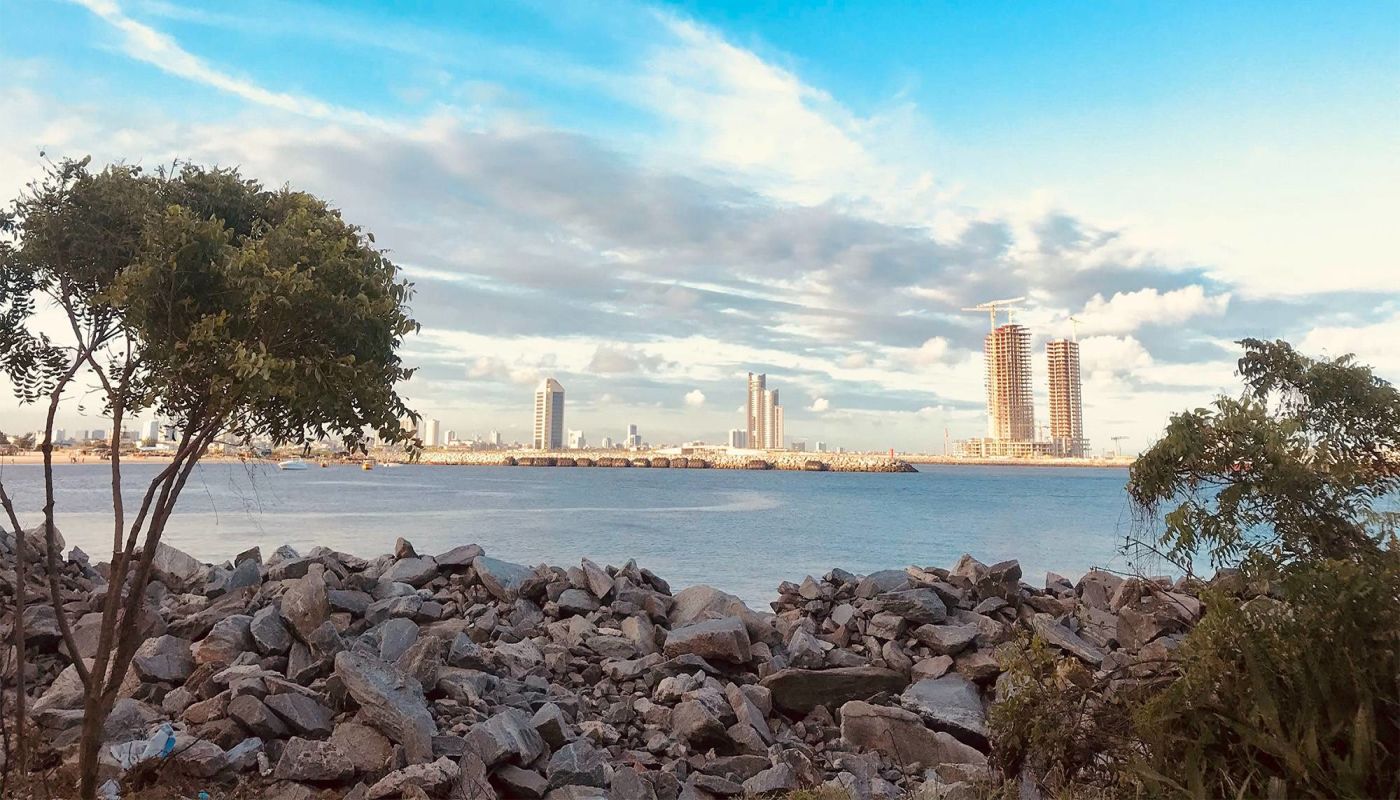
Landscape of Kyrgyzstan
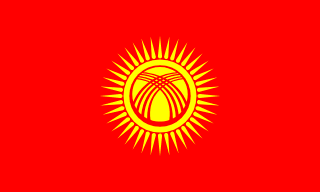
Flag of Kyrgyzstan

Kyrgyzstan

Asia

Formerly ruled by Russia and the Soviet Union, Kyrgyzstan gained independence in 1991 after the fall of the USSR. Since then, there have been unpopular rulers who have been unable to curb widespread poverty. The nation formerly held a U.S. military base, but closed it in 2014 and began moving toward Russian allegiance.1 1 http://www.bbc.com/news/world-asia-16186907

What would you like to learn about in Kyrgyzstan?

Select a section to explore the country where nonprofits are creating positive change.

About Kyrgyzstan

A Central Asian country of incredible natural beauty and proud nomadic traditions, most of Kyrgyzstan was formally annexed to Russia in 1876. The Kyrgyz staged a major revolt against the Tsarist Empire in 1916 in which almost one-sixth of the Kyrgyz population was killed. Kyrgyzstan became a Soviet republic in 1936 and achieved independence in 1991 when the USSR dissolved. Nationwide demonstrations in the spring of 2005 resulted in the ouster of President Askar AKAEV, who had run the country since 1990. Subsequent presidential elections in July 2005 were won overwhelmingly by former prime minister Kurmanbek BAKIEV. Over the next few years, the new president manipulated the parliament to accrue new powers for himself. In July 2009, after months of harassment against his opponents and media critics, BAKIEV won re-election in a presidential campaign that the international community deemed flawed. In April 2010, violent protests in Bishkek led to the collapse of the BAKIEV regime and his eventual fleeing to Minsk, Belarus. His successor, Roza OTUNBAEVA, served as transitional president until Almazbek ATAMBAEV was inaugurated in December 2011. Continuing concerns include: the trajectory of democratization, endemic corruption, poor interethnic relations, and terrorism.

Quick Facts

Population
5,548,042 (July 2013 est.)
Area
199,951 sq km
ISO Code
KG
Continent
Asia
Government
republic
Active Causes
12
View all countries in Asia

Geography & Environment

Climate

dry continental to polar in high Tien Shan Mountains; subtropical in southwest (Fergana Valley); temperate in northern foothill zone

Terrain

peaks of Tien Shan and associated valleys and basins encompass entire nation

Natural Resources

abundant hydropower; significant deposits of gold and rare earth metals; locally exploitable coal, oil, and natural gas; other deposits of nepheline, mercury, bismuth, lead, and zinc

Environmental Issues

water pollution; many people get their water directly from contaminated streams and wells; as a result, water-borne diseases are prevalent; increasing soil salinity from faulty irrigation practices

People & Society

69.75 years
Avg. Life Expectancy
99.2%
Literacy Rate
35.3% of total population (2011)
Total Urban Population

Languages

Kyrgyz (official) 64.7%, Uzbek 13.6%, Russian (official) 12.5%, Dungun 1%, other 8.2% (1999 census)

Religions

Muslim 75%, Russian Orthodox 20%, other 5%

Health Expenditure

6.2% of GDP (2010) of GDP

Education Expenditure

5.8% of GDP (2010) of GDP

Economy

$2,400
GDP per Capita (PPP)
8.6%
Unemployment Rate
33.7% (2011 est.)
Below Poverty Line

Economic Overview

Kyrgyzstan is a poor, mountainous country with a dominant agricultural sector. Cotton, tobacco, wool, and meat are the main agricultural products, although only tobacco and cotton are exported in any quantity. Industrial exports include gold, mercury, uranium, natural gas, and electricity. The economy depends heavily on gold exports - mainly from output at the Kumtor gold mine - and on remittances from Kyrgyzstani migrant workers primarily in Russia. Following independence, Kyrgyzstan was progressive in carrying out market reforms, such as an improved regulatory system and land reform. Kyrgyzs...

Causes in Kyrgyzstan

Environment

Air pollution presents a major environmental concern for Kyrgyzstan, particularly in urban areas, and water pollution is also becoming a growing concern. Agriculture and other industries have irresponsibly used natural resources.1

Family

Domestic violence is a serious concern in Kyrgyzstan, and nearly one-third of all women will experience abuse in the home at least once in their lifetime. Only half of reported cases are ever brought to court, and only 7% of those end in a criminal conviction. Women do not traditionally have many rights, and this adds to the low level of domestic abuse reports.1 The average family has three children, but there is not widespread contraceptive distribution.2

Human Rights

Both law enforcement officials and the judicial system are filled with corruption, which makes bribes and unjust sentences common. Furthermore, torture is frequently used on detainees. Although torture is a known endemic problem, cases of it are rarely brought to court because of the corrupt systems. In addition, there are severe ethnic tensions that make discrimination common both in civil society and in the judiciary.1

Education

Even with a reported literacy rate of 99%, independent research finds that there is a significant school dropout rate. Many children do not attend school, especially those in rural communities.1 Some report that nearly 70% of children in rural areas are not registered at any school. Many impoverished families find it more practical to have children work instead of attend school. Around 27% of children at the primary school level were found to be out of school, and the dropout rate rises as students get older.2

Poverty

Kyrgyzstan has remained one of the poorest countries in the world since the fall of the USSR. It is estimated that over 30% of the Kyrgyz population lives in poverty.1 Poverty has persisted in Kyrgyzstan because of the economic instability that was the result of a difficult transition to a free market economy.2

Religion

The religious demographic of Kyrgyzstan is about 75% Muslim and 20% Russian Orthodox Christian.1 The constitution of Kyrgyzstan technically provides for religious freedom, but the government imposes many restrictions on that freedom. Widespread religious conflict is rare, but there have been reports of religious discrimination and intolerance.2

Clean Water

Approximately 90% of Kyrgyzstan’s population has access to clean drinking water and improved sanitation.1 However, these numbers are much lower in rural areas with over 17% of rural families lacking access to improved water sources.1 Kyrgyzstan still relies heavily on international aid and investments to replace Soviet-era pipelines that can cause water to be contaminated.2

Economy

The economy of Kyrgyzstan is dominated by the agricultural sector, with its main exports being cotton, tobacco, and wheat.1 The local economy is still fairly underdeveloped, and many families rely on remittances, mainly from work in Russia. There are high rates of unemployment and poverty throughout Kyrgyzstan, which have remained relatively unchanged since the Soviet era. The unemployment rate is near 7%, but over 30% of the population lives below the poverty line.2

Government

Kyrgyzstan has not had a smooth transition from the Soviet Union to a democratic state. Corruption has curbed productivity and limited freedoms. However, in 2017, there was the first peaceful presidential power transfer since gaining independence.1 Other concerns include poor interethnic relations and the potential rise of terrorist threats.2 Although the Kyrgyz government has stated its commitment to democracy, many worry that the shutting down of a US airbase and alignment with many Russian policies signals their shift towards Russia.3 Rule of law is ineffectively enforced and judicial systems are backlogged and are highly influenced by the executive branch.3

Health

One of the most concerning health issues in Kyrgyzstan is the high rate of maternal and child deaths. Most of the population lives in rural area which makes it even more difficult to access quality health services.1 Malnutrition caused by poverty is also a prevalent concern, and 14% of children under the age of 5 are stunted because of malnutrition. Heart disease and stroke are the leading causes of death, and the life expectancy is 70 years.2

Children

There are large number of children in institutional care centers in Kyrgyzstan, and many of these children have disabilities. Currently, 11,000 children in Kyrgyzstan languish in institutions without proper medical or parental care.1 Over 30% of children live in poverty in some part in their childhood, and almost 20% of girls are married before their 18th birthdays.2

Animals

Kyrgyzstan has a harsh climate which makes it a difficult place for many animals to live. In the wooded regions, there are many bears, lynx, and wolves.1 Many species of birds, reptiles, and small mammals are endemic to Kyrgyzstan, and because of the limited urbanization, these populations are largely safe and stable.2

Nonprofits Working in Kyrgyzstan

Discover organizations making a difference in Kyrgyzstan

Make Your Impact Today

Discover causes you care about and support the nonprofits making a difference in communities around the world.

Are you a nonprofit? Join Project World Impact for free

Join Us Free