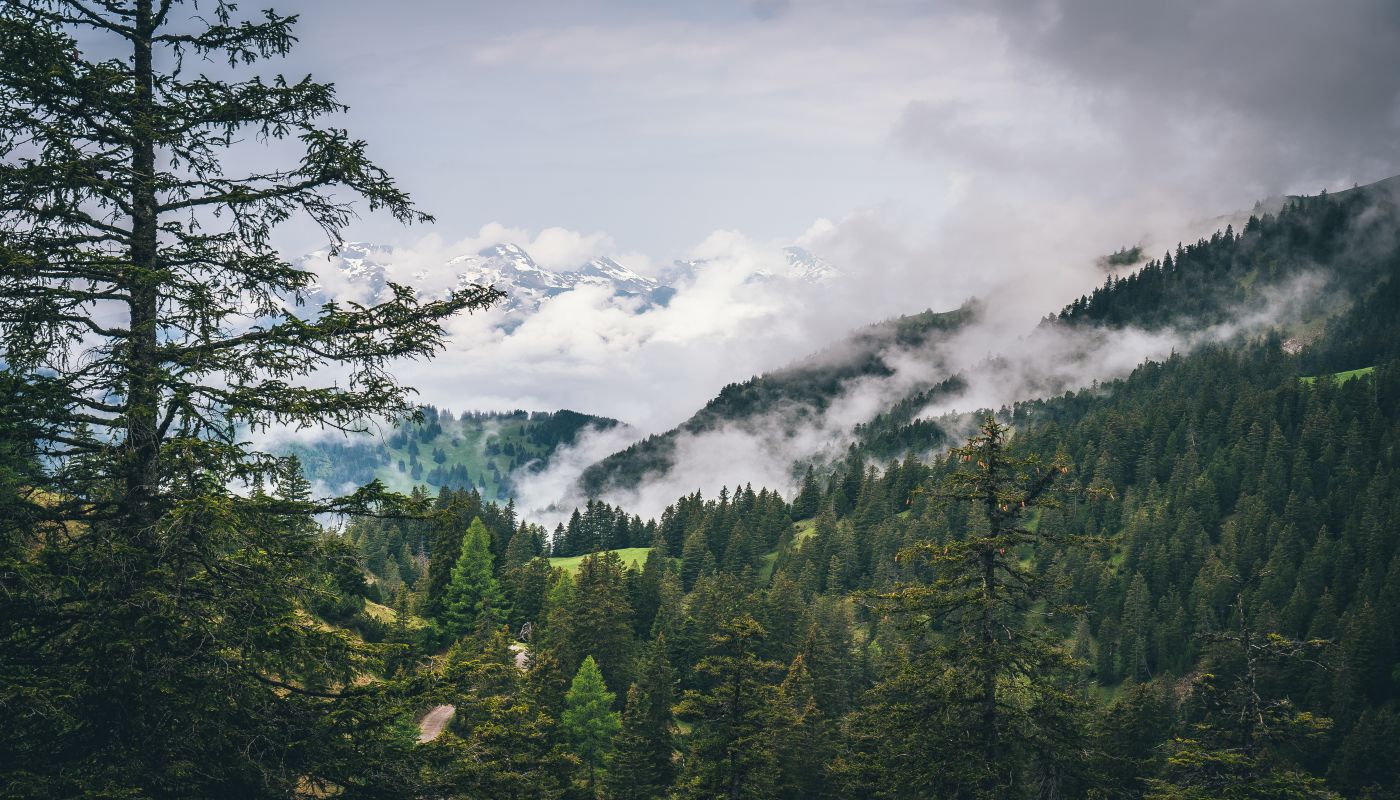
Landscape of Liechtenstein
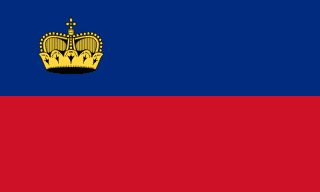
Flag of Liechtenstein

Liechtenstein

Europe

Dating back to its inception as a part of the Roman Empire, Liechtenstein has swapped sides and rotated between alliances with neighboring world powers, at different times affiliated with Rome, Austria, Germany, and Switzerland. The country’s low taxes have allowed for impressive economic growth, but have also developed the small country into a tax haven marked by a stable economy and low poverty rates. Liechtenstein is part of the Alps mountain range and is home to a wide variety of species.1 1 https://www.cia.gov/library/publications/resources/the-world-factbook/geos/ls.html

What would you like to learn about in Liechtenstein?

Select a section to explore the country where nonprofits are creating positive change.

About Liechtenstein

The Principality of Liechtenstein was established within the Holy Roman Empire in 1719. Occupied by both French and Russian troops during the Napoleonic Wars, it became a sovereign state in 1806 and joined the Germanic Confederation in 1815. Liechtenstein became fully independent in 1866 when the Confederation dissolved. Until the end of World War I, it was closely tied to Austria, but the economic devastation caused by that conflict forced Liechtenstein to enter into a customs and monetary union with Switzerland. Since World War II (in which Liechtenstein remained neutral), the country's low taxes have spurred outstanding economic growth. In 2000, shortcomings in banking regulatory oversight resulted in concerns about the use of financial institutions for money laundering. However, Liechtenstein implemented anti-money laundering legislation and a Mutual Legal Assistance Treaty with the US that went into effect in 2003.

Quick Facts

Population
37,009 (July 2013 est.)
Area
160 sq km
ISO Code
LI
Continent
Europe
Government
hereditary constitutional monarchy
Active Causes
12
View all countries in Europe

Geography & Environment

Climate

continental; cold, cloudy winters with frequent snow or rain; cool to moderately warm, cloudy, humid summers

Terrain

mostly mountainous (Alps) with Rhine Valley in western third

Natural Resources

hydroelectric potential, arable land

Environmental Issues

NA

People & Society

81.59 years
Avg. Life Expectancy
100%
Literacy Rate
14% of total population (2010)
Total Urban Population

Languages

German (official), Alemannic dialect

Religions

Roman Catholic (official) 76.2%, Protestant 7%, unknown 10.6%, other 6.2% (June 2002)

Education Expenditure

2.1% of GDP (2008) of GDP

Economy

$89,400
GDP per Capita (PPP)
2.5%
Unemployment Rate
NA%
Below Poverty Line

Economic Overview

Despite its small size and limited natural resources, Liechtenstein has developed into a prosperous, highly industrialized, free-enterprise economy with a vital financial service sector and likely the second highest per capita income in the world. The Liechtenstein economy is widely diversified with a large number of small businesses. Low business taxes - the maximum tax rate is 20% - and easy incorporation rules have induced many holding companies to establish nominal offices in Liechtenstein providing 30% of state revenues. The country participates in a customs union with Switzerland and use...

Causes in Liechtenstein

Environment

Liechtenstein’s government has historically been intentional in the protection of its environment, but the sectors of Liechtenstein that are most vulnerable are the water management plants, forestry, agriculture, biodiversity, and tourism.1 Liechtenstein’s government also advocates for more international climate agreements, as the country’s air pollution comes mostly from neighboring countries. 2

Family

Out of every 1,000 people, 5 people get married annually in Liechtenstein.1 The nation has done several studies on domestic violence and has legal frameworks in place that condemn the use of violence in the home. Protecting women against domestic violence is a high priority in governmental policy.2

Human Rights

Currently, the only human rights institution active in Liechtenstein is the Office of Equal Opportunity, but it is understaffed.1 The government does allow independent parties to conduct internal investigations and permitted the Council of Europe’s Committee for the Prevention of Torture to inspect their prisons.2

Education

Liechtenstein’s constitution has always provided for education to all children. The government has instituted several new schools and programs that help students with disabilities and provide psychological support.1 Liechtenstein’s education system is recognized internationally for its quality and productivity, attributed mainly to small class size and highly competitive jobs available to provide motivation. The base pay for teachers is $67,000 annually, with some earning over $100,000.2

Poverty

As an extremely small and highly developed country there is virtually no poverty present in Liechtenstein.1 The unemployment rate is also negligible at only 2.5%.2

Religion

Around 75.9% of the population is Roman Catholic. 6.5% are Reformed Protestants, 5.4% Muslim, 1.3% Lutherans, and the rest are unspecified.1 Religious practice and freedoms are guaranteed in the constitution and respected by the government.2

Economy

Liechtenstein is a highly developed and prosperous nation, despite being extremely small and having a lack of natural cultivable resources. The country has one of the five highest GDPs per capita in the world. The economy is highly diversified, a factor which has aided in its economic growth, with a successful financial service and many burgeoning small businesses. The economy is a member of the European Economic Area and has a special customs agreement with Switzerland.1 The sustained economic stability has made Lichtenstein a favored country to do business with, since the country has a long history with transparency and safe banking. Both the economy and government are virtually free of corruption.2

Government

The Principality of Liechtenstein is a hereditary constitutional monarchy. Liechtenstein most recently gained independence from Germany in 1866, and last adopted a constitution in 1921.1 The prime minister is the head of the government, but the prince holds considerable power and influence over government proceedings. The government is largely free of corruption and there are highly effective anti-corruption measures in place. Liechtenstein also has very rigorous protections of intellectual property rights. Liechtenstein is part of the European Free Trade Association, the Schengen Area, and the European Economic area.2

Health

All citizens who are over the age of 16 are required to have health insurance. A unique aspect of the health care system is that the state and government are legally obligated to provide care to combat alcoholism in their citizens. There is a high ratio of healthcare professionals to citizens, resulting in an extremely high level of health care. The country has always been very healthy because of its high socioeconomic status.1 Liechtenstein has a high Human Development Index rating, ranking 24th out of 187 countries. The current life expectancy for the average adult is 79 years of age.2

Clean Water

As a highly developed and extremely small country, Liechtenstein does not lack clean drinking water. In fact many companies, along with the government, have funded an initiative that brings clean drinking water to developing countries in addition to reducing the amount of branded water being drunk domestically. The goal is to provide clean water to as many people as there are citizens in Liechtenstein.1

Children

The state of the children in Liechtenstein is quite good. Infant mortality is low at 4.3 deaths per 1,000 live births.1 Abortion is illegal unless the mother is under 14. Domestic violence is the greatest concern to children’s well being.2

Animals

Liechtenstein is part of the Alps mountain range, which contains over 200 habitat types alone, along with 4,500 types of plants and 200 types of birds and 80 mammal species. Governments have difficulty protecting these areas by law due to the extremely large amount of land they would then have to monitor. Additionally, the mountainous terrain provides some of its own protection from deforestation because of the difficulty involved with extracting resources.1

Make Your Impact Today

Discover causes you care about and support the nonprofits making a difference in communities around the world.

Are you a nonprofit? Join Project World Impact for free

Join Us Free