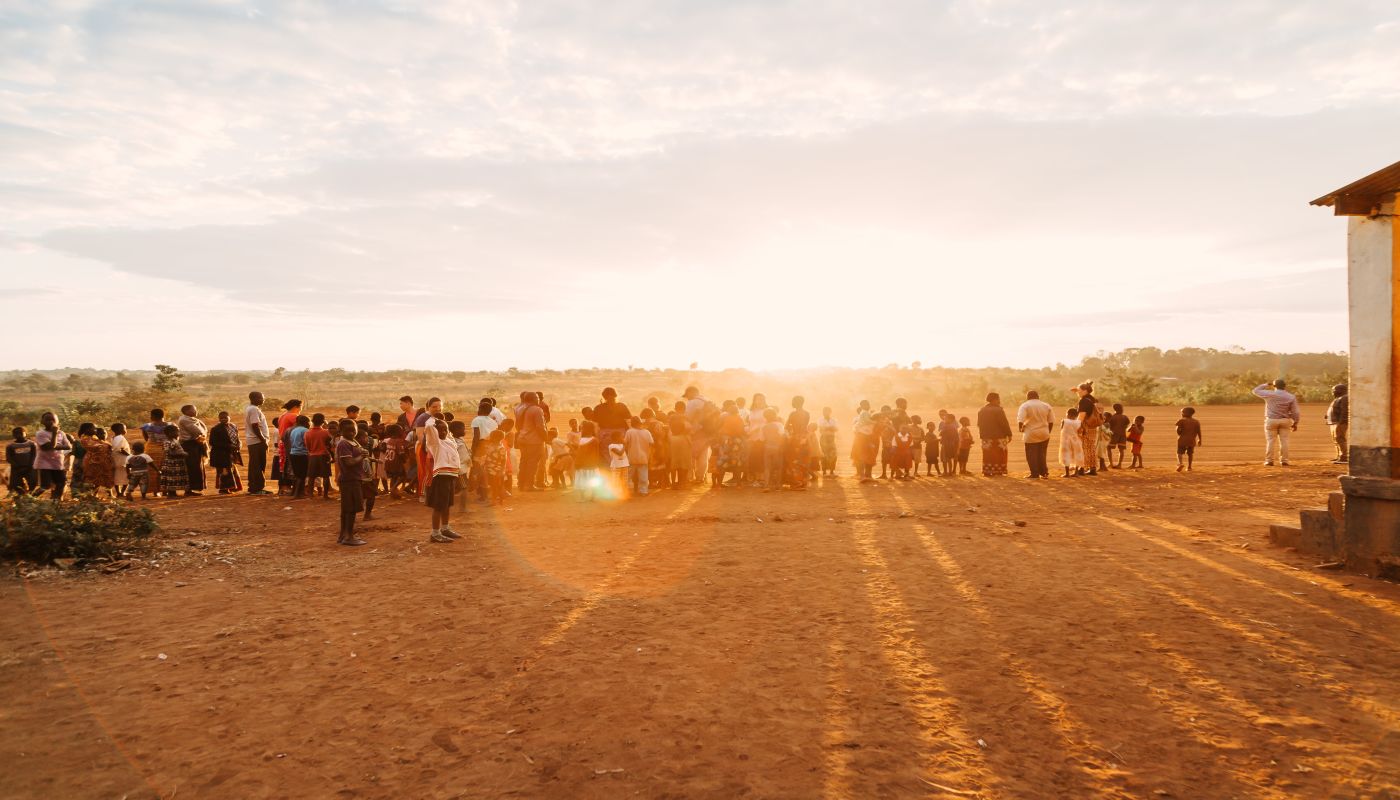
Landscape of Malawi
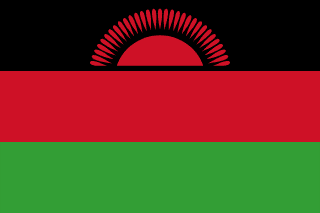
Flag of Malawi

Malawi

Africa

Malawi is one of the poorest countries in the world. The country has a highly agricultural economy and is heavily affected by droughts. The country is currently engaged in a border dispute with Tanzania over ownership of Lake Nyasa. Healthcare in Malawi is poor, and 9.2% of the population was reported to have HIV/AIDs in 2016. Human rights abuses include discrimination against women, girls, those with albinism, and human rights defenders.1 1 https://www.cia.gov/library/publications/the-world-factbook/geos/mi.html

What would you like to learn about in Malawi?

Select a section to explore the country where nonprofits are creating positive change.

About Malawi

Established in 1891, the British protectorate of Nyasaland became the independent nation of Malawi in 1964. After three decades of one-party rule under President Hastings Kamuzu BANDA the country held multiparty elections in 1994, under a provisional constitution that came into full effect the following year. President Bingu wa MUTHARIKA, elected in May 2004 after a failed attempt by the previous president to amend the constitution to permit another term, struggled to assert his authority against his predecessor and subsequently started his own party, the Democratic Progressive Party (DPP) in 2005. MUTHARIKA was reelected to a second term in May 2009. As president, he oversaw some economic improvement in his first term, but was accused of economic mismanagement and poor governance in his second term. He died abruptly in April 2012 and was succeeded by his vice president, Joyce BANDA. Population growth, increasing pressure on agricultural lands, corruption, and the spread of HIV/AIDS pose major problems for Malawi.

Quick Facts

Population
16,777,547 (July 2013 est.)
Area
118,484 sq km
ISO Code
MW
Continent
Africa
Government
multiparty democracy
Active Causes
12
View all countries in Africa

Geography & Environment

Climate

sub-tropical; rainy season (November to May); dry season (May to November)

Terrain

narrow elongated plateau with rolling plains, rounded hills, some mountains

Natural Resources

limestone, arable land, hydropower, unexploited deposits of uranium, coal, and bauxite

Environmental Issues

deforestation; land degradation; water pollution from agricultural runoff, sewage, industrial wastes; siltation of spawning grounds endangers fish populations

People & Society

52.78 years
Avg. Life Expectancy
74.8%
Literacy Rate
15.7% of total population (2011)
Total Urban Population

Languages

Chichewa (official) 57.2%, Chinyanja 12.8%, Chiyao 10.1%, Chitumbuka 9.5%, Chisena 2.7%, Chilomwe 2.4%, Chitonga 1.7%, other 3.6% (1998 census)

Religions

Christian 82.7%, Muslim 13%, other 1.9%, none 2.5% (1998 census)

Health Expenditure

6.6% of GDP (2010) of GDP

Education Expenditure

5.4% of GDP (2011) of GDP

Economy

$900
GDP per Capita (PPP)
NA%
Unemployment Rate
53% (2004)
Below Poverty Line

Economic Overview

Landlocked Malawi ranks among the world's most densely populated and least developed countries. The economy is predominately agricultural with about 80% of the population living in rural areas. Agriculture, which has benefited from fertilizer subsidies since 2006, accounts for one-third of GDP and 90% of export revenues. The performance of the tobacco sector is key to short-term growth as tobacco accounts for more than half of exports. The economy depends on substantial inflows of economic assistance from the IMF, the World Bank, and individual donor nations. In 2006, Malawi was approved for r...

Causes in Malawi

Environment

Malawi’s climate is marked by periods of heavy rainfall, irregular rain patterns, floods, droughts, and long dry spells. This greatly affects small farmers who live in rural areas and rely on agriculture for their livelihood.1 Malawi also has a Ministry of Natural Resources, Energy and Environment that provides guidance to policymakers about the state of the environment. In 2015 the government banned plastic bags in an effort to reduce litter.2

Human Rights

Albino people are heavily discriminated against and face harassment and violence in Malawi culture. Two albino people were killed in 2017. Women, girls, and gay people all face discrimination as well, in combination with threats and harassment. There are also very few rights for human rights defenders. NGOs are highly limited and regulated by state officials, especially in the areas of governance and human rights abuses.1

Education

Malawi is behind in meeting its Millennium Development goal of universal primary education and gender equality. Teen pregnancy has become a serious roadblock to achieving education for females.1 Girls enroll in school but display very low retention rates. This is largely due to the social pressures facing girls that influence them to drop out and get married before finishing their education.2

Poverty

20% of the population in Malawi is unemployed, and over half the country lives below the international poverty line.1 Malawi was placed 170th out of 188 countries on the Human Development Index in 2015.2 Around 85% of Malawi’s population lives in rural areas, resulting in an economy that is highly dependent on agricultural output for stability. Droughts in these areas have contributed to recent fiscal stress. The International Fund for Agricultural Development has invested over $160 million in agricultural projects in an effort to stimulate growth.3

Religion

The largest religion in Malawi is Christianity. 27.2% of followers are Protestant, 18.4% are Catholic, 41% are other Christian denominations, and 12% are Muslim.1 The Malawian government generally respects the religious freedom of its citizens. However, religious groups are required by law to register with the government. Missionaries who hope to live and work in Malawi are required to obtain valid employment permits from the immigration offices.2

Clean Water

90% of the people in Malawi have access to clean water sources. Only 41% of people have improved sanitation facilities.1 Around 3,100 children are killed annually as a result of the poor sanitation in Malawi. The extreme, hot weather and population growth have exacerbated water insecurity.2 Only 37% of the population has been educated about and practices good hygiene.3

Economy

The public debt in Malawi is 56% of the GDP. 20% of the population is unemployed, and over 50% of the population lives below the international poverty line. The country mainly exports to Zimbabwe and Mozambique and imports from South Africa and China.1 Economic growth is slow and poverty reduction is not a priority in legislative reforms. The government’s implementation of reforms is inefficient.2

Government

The Republic of Malawi is a presidential republic that has a president who acts as chief of state and the head of government. There are five major political parties.1 The government is extremely corrupt, and in January 2014, extensive looting by the finance ministry was revealed to international parties.2 Despite the fact that several anti-corruption laws and regulations have been implemented, corruption still remains. Foreign donors who previously had offered funds and resources have begun to end aid agreements with Malawi.3 Transparency International ranks the country 122nd out of 180 countries on the Corruption Index, and the public scores their government 31 out of 100 for perceived corruption.4

Health

There are very high rates of disease in Malawi, especially with communicable diseases and maternal and child mortality rates. Around 1 million people, or 9.2% of the population were reported as living with HIV/AIDs in 2016. The risk for infectious diseases is very high. The maternal mortality rate is 634 deaths per 100,000 live births, which is the 13th highest in the world. The infant mortality rate is 43 deaths per 1,000 live births.1

Children

46% of Malawi’s population is under the age of 14. The average age of citizens is 16.1 Child survival rates and prospects have improved in the past five years because of the increasing agricultural production and the stability of the economy. Extensive poverty is one of the greatest challenges that children face.2 Child marriage is a pervasive issue in the country; 42% of children are married before they reach the age of 18. 9% are married before they even reach the age of 15.3

Family

Family planning programs and clinics have been in Malawi since the 1990s, but there are still barriers that keep them from being wholly effective. The fertility rate in Malawi is high, and large families are the cultural norm.1 Child marriage is also socially acceptable in Malawi. These marriages are often a result of the male-dominated society system and are seen as a protective measure for girls who get pregnant and ruin the family’s honor.2

Animals

Malawi contains a large amount of evergreen forests and hosts a variety of local species. These include the cheetah, leopard, and spotted hyena. The only bird that is strictly located in this area is the Namuli apalis. There is also a wide array of dragonflies and butterflies. These habitats are threatened by wildfires, and much of the Afromontane forest areas have been replaced by grassland and brushland. There are also problems with access to arable land due to agriculture and deforestation.1

Nonprofits Working in Malawi

Discover organizations making a difference in Malawi

Project Peanut Butter

Project Peanut Butter

Across the world, severe acute malnutrition is the largest killer of children under 5 years of age, contributing to nearly half of all childhood deaths (more than 3 million children per year). We produce peanut based ready-to-use therapeutic foods (RUTF) locally in factories in Malawi, Sierra Leone, and Ghana. Our factories are internationally accredited by UNICEF, Doctors Without Borders, and the World Food Program, and our product is considered the standard of care worldwide for severely malnourished children. We strive to use as many local ingredients and staff as possible. In addition, we distribute the therapeutic food at our own mobile clinics, where PPB nurses assess children for malnutrition and provide qualifying children with life-saving food at no charge.

Maplewood, Missouri
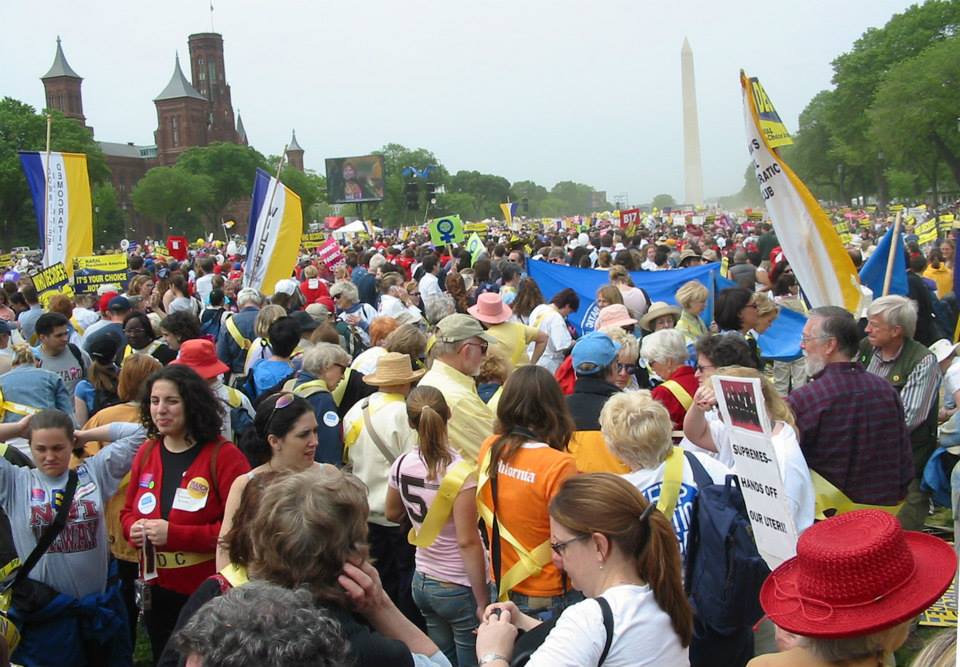
GUTTMACHER INSTITUTE INC

GUTTMACHER INSTITUTE INC

Now in its fifth decade, the Guttmacher Institute remains committed to the mission and goals that led to its creation. The Guttmacher Institute was founded in 1968 as the Center for Family Planning Program Development. At the time, Presidents John F. Kennedy, Lyndon Johnson and Richard Nixon had begun to call the public's attention to the problem of unplanned and unwanted childbearing and its consequences for individual women and men, their children and their communities both at home and abroad. Concurrently, the United States Congress was taking its first steps toward the development of an international population assistance program, as well as a multifaceted, national program aimed at providing equitable access to modern methods of birth control in the United States. By integrating nonpartisan social science research, policy analysis and public education, the Center hoped to provide a factual basis for the development of sound governmental policies and for public consideration of the sensitive issues involved in the promotion of reproductive health and rights. This purpose and commitment continue today. The Center was originally housed within the corporate structure of Planned Parenthood Federation of America (PPFA). Its program, however, was independently developed and overseen by a National Advisory Council separate from the PPFA Board of Directors. Its early development was nurtured by Alan F. Guttmacher, an eminent obstetrician-gynecologist, teacher and writer who was PPFA's president for more than a decade until his death in 1974. The Center was renamed in Dr. Guttmacher's memory, and the Guttmacher Institute incorporated as an entirely independent nonprofit policy research institute with its own Board in 1977. The Guttmacher Institute maintains offices in New York and Washington. Its current staff of 81 comprises demographers, social scientists, public policy analysts, editors, writers, communications specialists, and financial and technical personnel. A few of its employees have been with the organization for most of its existence, and an affiliation that goes back 10 or 15 years is not unusual. The Institute's work is guided by a 39-member board made up of eminent professionals from a rich variety of disciplines, as well as civic leaders from across the United States and around the world. The Guttmacher Institute's annual budget of approximately $17 million is derived largely from private foundations, government agencies, multilateral organizations and individual contributions.

New York, New York

Make Your Impact Today

Discover causes you care about and support the nonprofits making a difference in communities around the world.

Are you a nonprofit? Join Project World Impact for free

Join Us Free