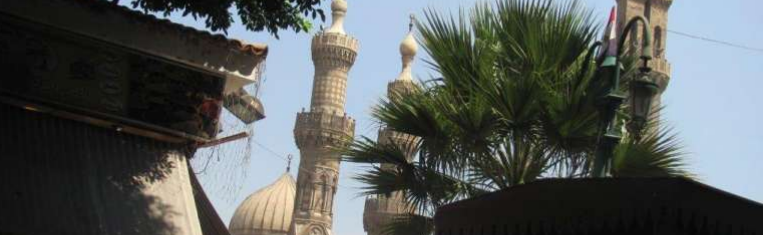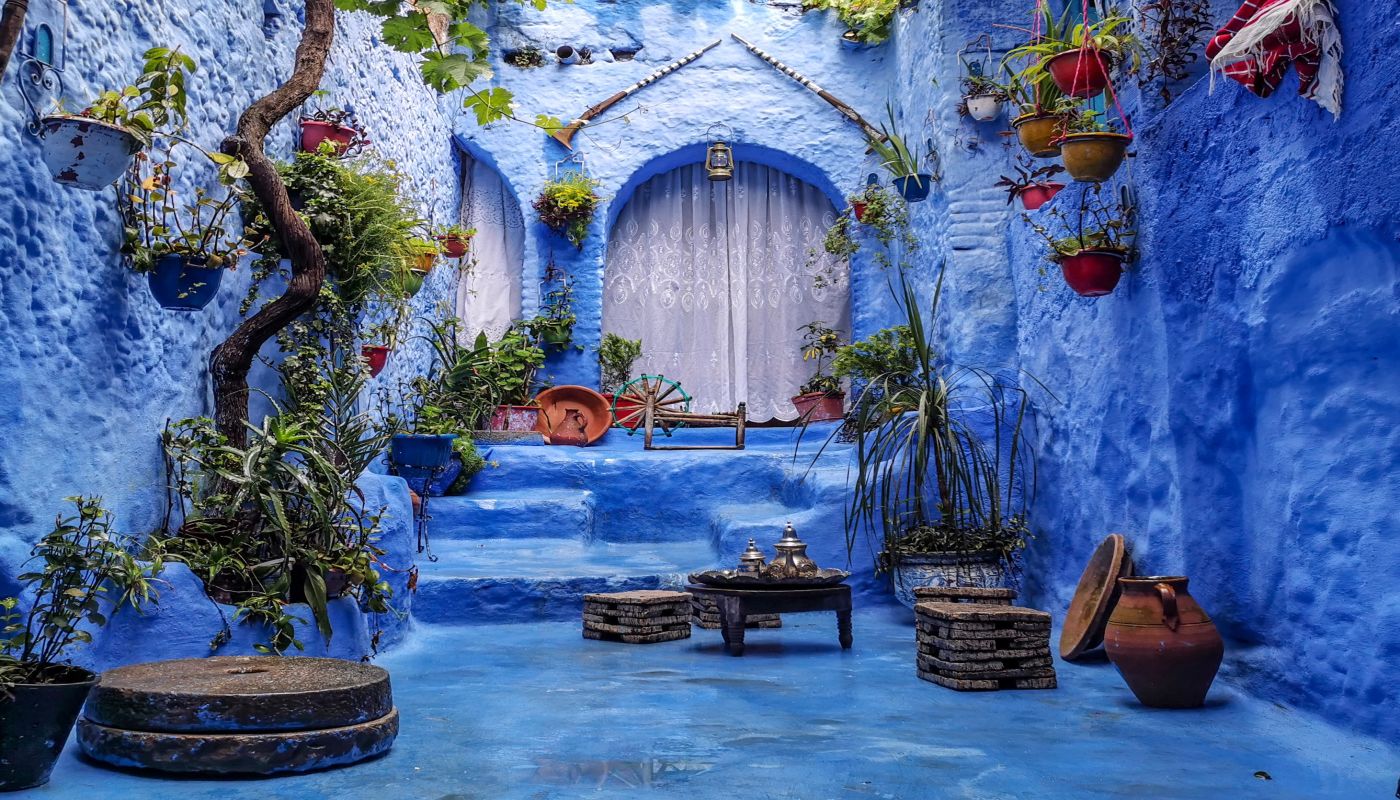
Landscape of Morocco
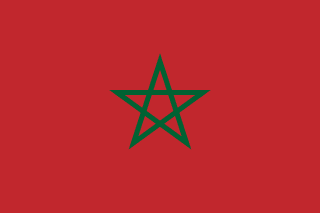
Flag of Morocco

Morocco

Africa

Morocco has historically been ruled by foreign powers and Islamic domination. Today, the nation is the only remaining monarchy in Africa and is rapidly modernizing. It has become a popular tourist destination because of its ancient architecture, proximity to Spain, and Arab style.1 The government is the de facto administrative ruler of the majority of the neighboring region of Western Sahara, but the UN does not recognize Morocco’s rule there.2 1 https://www.britannica.com/place/Morocco 2 https://www.cia.gov/library/publications/the-world-factbook/geos/mo.html

What would you like to learn about in Morocco?

Select a section to explore the country where nonprofits are creating positive change.

About Morocco

In 788, about a century after the Arab conquest of North Africa, a series of Moroccan Muslim dynasties began to rule in Morocco. In the 16th century, the Sa'adi monarchy, particularly under Ahmad al-MANSUR (1578-1603), repelled foreign invaders and inaugurated a golden age. The Alaouite dynasty, to which the current Moroccan royal family belongs, dates from the 17th century. In 1860, Spain occupied northern Morocco and ushered in a half century of trade rivalry among European powers that saw Morocco's sovereignty steadily erode; in 1912, the French imposed a protectorate over the country. A protracted independence struggle with France ended successfully in 1956. The internationalized city of Tangier and most Spanish possessions were turned over to the new country that same year. Sultan MOHAMMED V, the current monarch's grandfather, organized the new state as a constitutional monarchy and in 1957 assumed the title of king. Although Morocco is not the UN-recognized Administering Power for the Western Sahara, it exercises de facto administrative control there. The UN assists with direct negotiations between Morocco and the Polisario Front, but the status of the territory remains unresolved. Gradual political reforms in the 1990s resulted in the establishment of a bicameral legislature, which first met in 1997. Morocco enjoys a moderately free press, but the government has taken action against journalists who they perceive to be challenging the monarchy, Islam, or the status of Western Sahara. Influenced by protests elsewhere in the region, in February 2011 thousands of Moroccans began weekly rallies in multiple cities across the country to demand greater democracy and end to government corruption. Overall the response of Moroccan security forces was subdued compared to the violence elsewhere in the region. King MOHAMMED VI responded quickly with a reform program that included a new constitution and early elections. The constitution was passed by popular referendum in July 2011; some new powers were extended to parliament and the prime minister, but ultimate authority remains in the hands of the monarch. In early elections in November 2012, the Justice and Development Party - a moderate Islamist party, won the largest number of seats, becoming the first Islamist party to lead the Moroccan Government. In January 2012, Morocco assumed a nonpermanent seat on the UN Security Council for the 2012-13 term.

Quick Facts

Population
32,649,130 (July 2013 est.)
Area
446,550 sq km
ISO Code
MA
Continent
Africa
Government
constitutional monarchy
Active Causes
12
View all countries in Africa

Geography & Environment

Climate

Mediterranean, becoming more extreme in the interior

Terrain

northern coast and interior are mountainous with large areas of bordering plateaus, intermontane valleys, and rich coastal plains

Natural Resources

phosphates, iron ore, manganese, lead, zinc, fish, salt

Environmental Issues

land degradation/desertification (soil erosion resulting from farming of marginal areas, overgrazing, destruction of vegetation); water supplies contaminated by raw sewage; siltation of reservoirs; oi...

People & Society

76.31 years
Avg. Life Expectancy
67.1%
Literacy Rate
57% of total population (2011)
Total Urban Population

Languages

Arabic (official), Berber languages (Tamazight (official), Tachelhit, Tarifit), French (often the language of business, government, and diplomacy)

Religions

Muslim 99% (official), Christian 1%, Jewish about 6,000

Health Expenditure

5.2% of GDP (2010) of GDP

Education Expenditure

5.4% of GDP (2009) of GDP

Economy

$5,400
GDP per Capita (PPP)
9%
Unemployment Rate
15% (2007 est.)
Below Poverty Line

Economic Overview

Morocco has capitalized on its proximity to Europe and relatively low labor costs to build a diverse, open, market-oriented economy. In the 1980s Morocco was a heavily indebted country before pursuing austerity measures and pro-market reforms, overseen by the IMF. Since taking the throne in 1999, King MOHAMMED VI has presided over a stable economy marked by steady growth, low inflation, and gradually falling unemployment, although a poor harvest and economic difficulties in Europe contributed to an economic slowdown in 2012. Industrial development strategies and infrastructure improvements - m...

Causes in Morocco

Environment

Morocco’s environment faces serious issues due to exploitation of its natural resources. Livestock overgrazing, deforestation, soil erosion, and water pollution have resulted from poor environmental regulations. Industrial waste is also dumped into water sources, making the already scarce resource polluted.1 Additionally, the northern mountain range is geologically unstable and subject to earthquakes. Morocco is also susceptible to droughts, which occur periodically.2

Family

Family is an integral part of Moroccan society and culture, and marriage is highly important. It is considered a primary goal to get married and have children. It is still not uncommon for parents to have a large say in the choice of spouse, through arranged marriages are not as common as they were in the past.1 In recent years, the government has taken steps to increase females’ place in society, but in many parts of the country men dominate the household and workplace.2

Human Rights

While Morocco’s government has passed reforms to improve human rights, they have not been carried out properly. The media and protests are both closely regulated and freedom of speec is stifled. Journalists are subject to harassment, violence, and even time in prison.1 Migrants, refugees, women, and domestic workers also face inequality and abuse. These groups have been abused and discriminated against by law enforcement officials and by society.2

Education

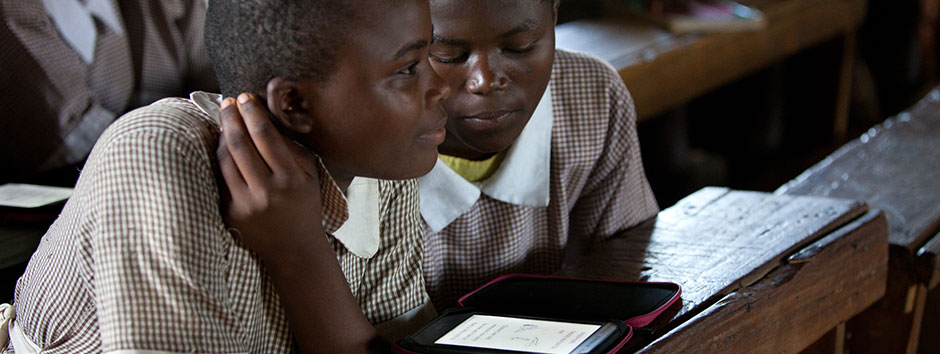
The education system in Morocco consists of five years of primary school and four years of secondary school. 90% of children are enrolled in school, but children living in rural areas have lower school attendance.1 Enrollment discrepancy between boys and girls continuing their education occurs during secondary school, where only 50% of girls enroll at secondary school, compared to 66% of boys. This is also reflected in national literacy rates, which demonstrate that 74% of women between the ages of 15 and 24 are able to read and write,compared to 89% of men of the same age.2

Poverty

About 15% of the population lives under the international poverty line.1 Nearly 75% of rural people living in poverty depend on agriculture for their livelihood, but pollution and urbanization limit the amount of quality agricultural areas. Lack of widespread education also contributes to an uneven distribution of poverty between rural and urban areas.2

Religion

Islam is Morocco’s official religion, with 99% of Moroccans identifying as Muslim.1 Although the majority of its population practices Islam, the constitution guarantees religious freedom. Despite this, proselytizing is not allowed, and missionaries have previously faced imprisonment or been forced to leave the country. Defaming Islam is outlawed.2

Clean Water

Morocco has made improvements in providing clean water for its people, but its water supply is still fairly inconsistent, particularly in rural areas. With inconsistent rainfall, a desert climate, and water sources that are somewhat polluted, accessible water is becoming scarce.1 Approximately 85% of the population has access to clean water, and 77% of the population has access to improved sanitation infrastructure.2

Economy

Morocco has moved toward privatizing industries to support its economy. The country has been able to reap the benefits of its proximity to the Europe to create a more diverse, market-oriented economy. However, Morocco faces problems with its high tax rate and corrupt regulations.1 Morocco’s primary industries are forestry and agriculture, but it is expanding to include construction, textiles, tourism, rock mining, and phosphates. It is the world leader in the production and exportation of phosphates, owning three-quarters of the worlds’ reserves. The unemployment rate is at 10%.2

Government

The Kingdom of Morocco is a constitutional monarchy that won its independence from France in 1956. Despite efforts to combat corruption, the nation continues to be riddled with problems in both the public and private sectors. The government has been accused of accepting bribes and arbitrarily arresting people.1 Due to regional unrest in 2011, the nation implemented a new constitution that increased transparency and democratic procedures. While this has been largely successful, there is still room for improvement to increase human rights. Politically, Morocco maintains close relationships with both the United States and European powers.2

Health

Less than 30% of Moroccans have health insurance. The life expectancy is 69 for men and 73 for women.1 Poor water quality and sanitation contribute to serious diseases, such as cholera, HIV/AIDS, hepatitis, and parasites.2

Children

Moroccan children make up around 35% of the population. Poverty is high in rural areas, and these children do not have adequate access to health care facilities. Additionally, some children end up in the workforce to help provide for their families, and as a result not all children receive a complete education. Less than half of children complete high school.1 Child marriage is also a concern. While the legal marrying age is 18, approximately 16% of girls are married before then, and judges can marry girls as young as age 13.2

Animals

Morocco has Mediterranean Conifer and other types of mixed forests in the higher altitude regions closer to mountainous regions. Humans have been present in these forests since the time of the Roman Empire, and most large game animals have been killed off in the region. Deforestation has only become a major issue in the past century. Today, there is a large number of bird species. Morocco is a popular migratory destination for birds from Europe.1

Nonprofits Working in Morocco

Discover organizations making a difference in Morocco

EUROPEAN & MIDDLE EASTERN MINISTRIES INCORPORATED

EUROPEAN & MIDDLE EASTERN MINISTRIES INCORPORATED

EME endeavors to enable worshipping communities to transform their local environments through education and community / business development projects, especially in the Southeastern Europe, the Middle East and North Africa Mission Statement EME Purposes To: • Enable local churches, ministries and other partners, primarily in the Mediterranean Region. • Empower partnerships with necessary provisions—e.g. personnel, finance, training and other essentials—to better advance their efforts. • Support the development of educational programs within the framework of partnerships— e.g. kindergartens, primary schools, K-12 schools and adult education—and the implementation of community building projects, including Business as/for Mission.

Jonesboro, Arkansas

Make Your Impact Today

Discover causes you care about and support the nonprofits making a difference in communities around the world.

Are you a nonprofit? Join Project World Impact for free

Join Us Free