
Landscape of Myanmar
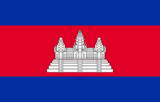
Flag of Myanmar

Myanmar

Asia

The country of Myanmar has a turbulent political climate. The government significantly reduced human rights protection. The healthcare and education system are well-known for their low effectiveness. Literacy rates remain low and religious intolerance has become a pervasive issue. The government has taken no legislative steps to protect women against domestic violence. Environmental laws are vaguely worded and loosely enforced.1 1 https://www.cia.gov/library/publications/the-world-factbook/geos/bm.html

What would you like to learn about in Myanmar?

Select a section to explore the country where nonprofits are creating positive change.

About Myanmar

Various ethnic Burmese and ethnic minority city-states or kingdoms occupied the present borders through the 19th century. Over a period of 62 years (1824-1886), Britain conquered Burma and incorporated the country into its Indian Empire. Burma was administered as a province of India until 1937 when it became a separate, self-governing colony; in 1948, Burma attained independence from the Commonwealth. Gen. NE WIN dominated the government from 1962 to 1988, first as military ruler, then as self-appointed president, and later as political kingpin. In response to widespread civil unrest, NE WIN resigned in 1988, but within months the military crushed student-led protests and took power. Multiparty legislative elections in 1990 resulted in the main opposition party - the National League for Democracy (NLD) - winning a landslide victory. Instead of handing over power, the junta placed NLD leader (and Nobel Peace Prize recipient) AUNG SAN SUU KYI (ASSK) under house arrest from 1989 to 1995, 2000 to 2002, and from May 2003 to November 2010. In late September 2007, the ruling junta brutally suppressed protests over increased fuel prices led by prodemocracy activists and Buddhist monks, killing at least 13 people and arresting thousands for participating in the demonstrations. In early May 2008, Burma was struck by Cyclone Nargis, which left over 138,000 dead and tens of thousands injured and homeless. Despite this tragedy, the junta proceeded with its May constitutional referendum, the first vote in Burma since 1990. Parliamentary elections held in November 2010, considered flawed by many in the international community, saw the ruling Union Solidarity and Development Party garner over 75% of the seats. Parliament convened in January 2011 and selected former Prime Minister THEIN SEIN as president. Although the vast majority of national-level appointees named by THEIN SEIN are former or current military officers, the government has initiated a series of political and economic reforms leading to a substantial opening of the long-isolated country. These reforms have included allowing ASSK to contest parliamentary by-elections on 1 April 2012, releasing hundreds of political prisoners, reaching preliminary peace agreements with 10 of the 11 major armed ethnic groups, enacting laws that provide better protections for basic human rights, and gradually reducing restrictions on freedom of the press, association, and civil society. At least due in part to these reforms, ASSK now serves as an elected Member of Parliament and chair of the Committee for Rule of Law and Tranquility. Most political parties have begun building their institutions in preparation for the next round of general elections in 2015. The country is preparing to chair the Association of Southeast Asian Nations (ASEAN) in 2014.

Quick Facts

Population
55,167,330 (July 2013 est.)
Area
676,578 sq km
ISO Code
MM
Continent
Asia
Government
parliamentary government took power in March 2011
Active Causes
12
View all countries in Asia

Geography & Environment

Climate

tropical monsoon; cloudy, rainy, hot, humid summers (southwest monsoon, June to September); less cloudy, scant rainfall, mild temperatures, lower humidity during winter (northeast monsoon, December to...

Terrain

central lowlands ringed by steep, rugged highlands

Natural Resources

petroleum, timber, tin, antimony, zinc, copper, tungsten, lead, coal, marble, limestone, precious stones, natural gas, hydropower

Environmental Issues

deforestation; industrial pollution of air, soil, and water; inadequate sanitation and water treatment contribute to disease

People & Society

65.6 years
Avg. Life Expectancy
92.7%
Literacy Rate
32.6% of total population (2011)
Total Urban Population

Languages

Burmese (official)

Religions

Buddhist 89%, Christian 4% (Baptist 3%, Roman Catholic 1%), Muslim 4%, Animist 1%, other 2%

Health Expenditure

2% of GDP (2010) of GDP

Education Expenditure

0.8% of GDP (2011) of GDP

Economy

$1,400
GDP per Capita (PPP)
5.4%
Unemployment Rate
32.7% (2007 est.)
Below Poverty Line

Economic Overview

Burma is a resource-rich country but still suffers from pervasive government controls, inefficient economic policies, corruption, and rural poverty. Burma is the poorest country in Southeast Asia; approximately 32% of the population lives in poverty. Corruption is prevalent and significant resources are concentrated in the extractive industries are concentrated in a few hands. The Burmese government has initiated notable economic reforms. In October 2011, 11 private banks were allowed to trade foreign currency. On April 2, 2012, Burma's multiple exchange rates were abolished and the Central Ba...

Causes in Myanmar

Environment

The issues surrounding climate change and its mitigation were largely absent from legislation during military rule in Myanmar.1 Agricultural and urban infrastructure was developed under loose environmental regulations, putting the current environmental ministry in a difficult position with little authority to change policy. One of the issues stemming from this policy history is a lack of education on the effects of certain industrial practices on the environment.2 The United Nations Development Programme is active within Myanmar to help implement programs for renewable energy and climate change adaptation.3

Family

There are no laws in Myanmar that protect women against domestic abuse. The response to complaints generally involves local community action rather than official intervention. Women in Myanmar operate under pressure to remain silent about abuse committed against them. There is a helpline program (Irrawaddy Women’s Network) that works in 30 different villages assisting victims of domestic abuse, but it has only been able to help ten women file complaints.1 The largest challenge is reaching the two-thirds of citizens residing in extremely rural regions with family planning technology and knowledge.2

Human Rights

The situation of human rights is deteriorating quickly in Myanmar. In previous years it looked as though government protections were improving, but in 2016 the government began to resemble apartheid rule. The army acts with impunity and has violated many human rights, specifically against ethnic minorities. There are a wide array of violations of international expectations in prisons, including reports of torture and poor healthcare. Humanitarians are increasingly hindered as they attempt to travel to areas that most need help. Religious tolerance decreased as well.1

Education

The government only spends 1.3% of GDP on education. Children are forced to pursue courses of study that are determined by test scores rather than by labor demands or what the student would prefer. Children are only required to attend school for five years1, and the average child stays in school for eight years. Only 76% of the population is literate.2 The chronic underfunding of schools stems from the former debilitating military rule of the country, under which education was severely devalued in society.3

Poverty

26% of the population lives below the poverty line. Vice President U Henry Van Thio cited job shortages, climate change, and both financial and food insecurity as the main reasons for poverty in rural areas. The government has begun to invest in infrastructure in rural areas in an attempt to alleviate these concerns.1 Work and employment opportunities are not equally available throughout the country and there is a low return on the amount of labor investment due to the low skill level of the average laborer.2

Religion

The majority religion in Myanmar is Buddhism, with 88% of the population professing to follow Buddhism. The remaining population follows Christianity (6%), Islam (4%), and other indigenous religions such as Animism.1 Religious intolerance increased significantly in 2017. The government became involved in anti-religious media and closed down religious schools after being pressured by the public.2

Clean Water

Myanmar has a surplus of water resources, but not everyone has access. 80% of the population has clean water and 78% have improved sanitation facilities.1 The main problem Myanmar faces is sediment buildup in the water because of industrial development near storage basins. Mining and logging in the area near the storage dams has also caused the water to become polluted.2

Economy

25% of the economy is based in agriculture, and the agricultural sector is responsible for the employment of 70% of the labor force. Myanmar’s main trade partners are China, Singapore, and Thailand. The CIA cites smuggling as one of the greatest obstacles that prevents accurate analysis of the economic output of the country. Imports consist of fabrics, petroleum products and fertilizers, while natural gas, wood products, and food products are exported. 4% of the population is unemployed, and 26% live below the poverty line.1 Corruption is pervasive and institutionalized and has continually undermined growth and economic freedom in the country..2

Government

The Republic of the Union of Myanmar is a parliamentary republic. The president is both chief of state and head of government. There are 11 main political parties but multiple smaller parties. The country gained independence in 1948 from the United Kingdom. The US government has not acknowledged the country’s name change, and still refers to it as Burma.1 Despite the parliamentary form of government that Myanmar has established, there is still rampant political violence, discrimination, and corruption within the political sphere as a lasting legacy of oppressive military rule. Human trafficking, illegal logging, and the drug trade constitute most of the tolerated and illicit economic activities in Myanmar.2 The country ranks 130th out of 180 in Transparency International’s corruption index, and the public scores the government 30 out of 100.3

Health

Myanmar’s population is rapidly aging due to a dropping birth rate. The leading causes of death in the country are tuberculosis, HIV/AIDS, and malaria. Myanmar has the highest tuberculosis rate in Asia.1 The average life expectancy in the country is 68 years, and 2.3% of GDP is spent on healthcare. The infant mortality rate is 36 deaths per 1,000 live births and the maternal mortality rate is 178 deaths per 100,000 live births. 19% of children under the age of five are underweight, while 6% of adults are obese.2

Children

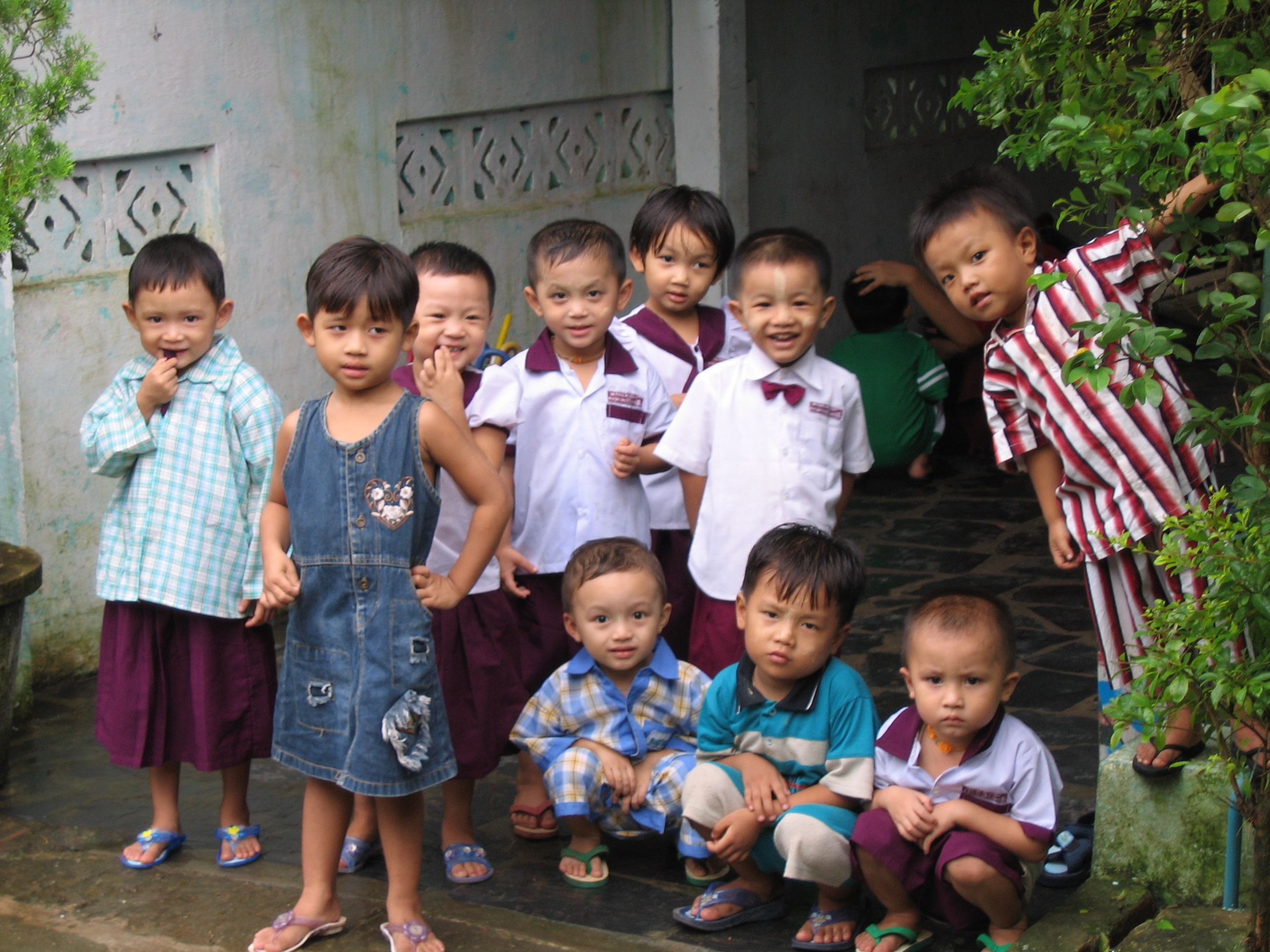
Despite the fact that 25% of citizens in Myanmar are under the age of 15, the overall proportion of younger people in the country has been steadily decreasing since the conclusion of the 20th century.1 19% of children under the age of five are malnourished2, and the under-five mortality rate is 50%.3 Because of the financial burden of receiving an education, nearly one-third of all children are engaged in child labor. The problem has become an epidemic exacerbated by parental illness, teacher abandonment, and insufficient school resources.4

Animals

Myanmar’s ecosystem is a part of the Indo-Malayan ecoregion. The forests of Myanmar are home to many species such as the barking deer, sambar deer, jungle cat, Asiatic jackal, and leopard. They are threatened by the increased conversion of forest land into agricultural property. There are very few protected areas, and poaching and illegal wildlife trade are common practice.1

Nonprofits Working in Myanmar

Discover organizations making a difference in Myanmar

Make Your Impact Today

Discover causes you care about and support the nonprofits making a difference in communities around the world.

Are you a nonprofit? Join Project World Impact for free

Join Us Free