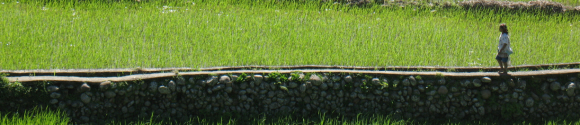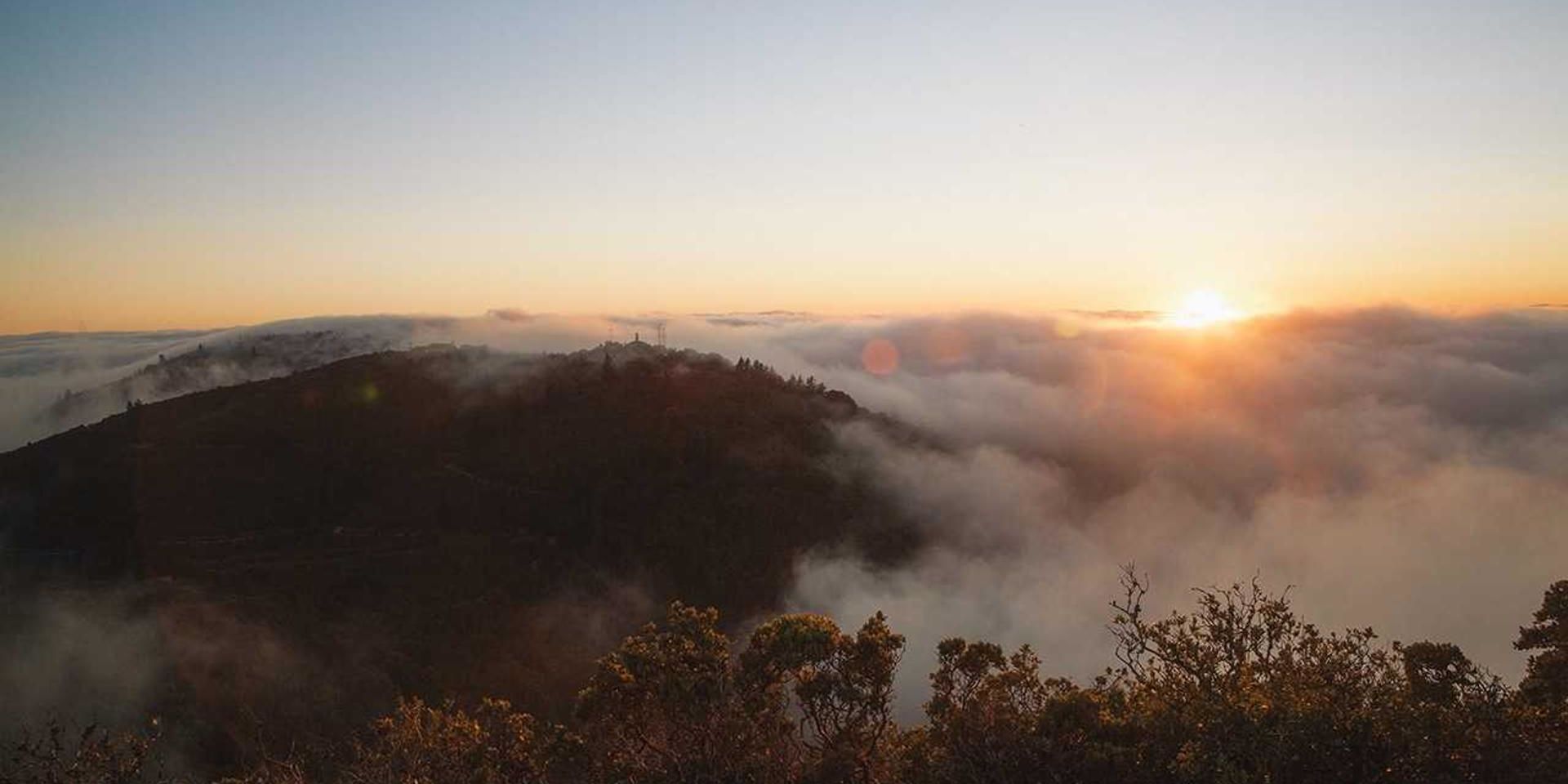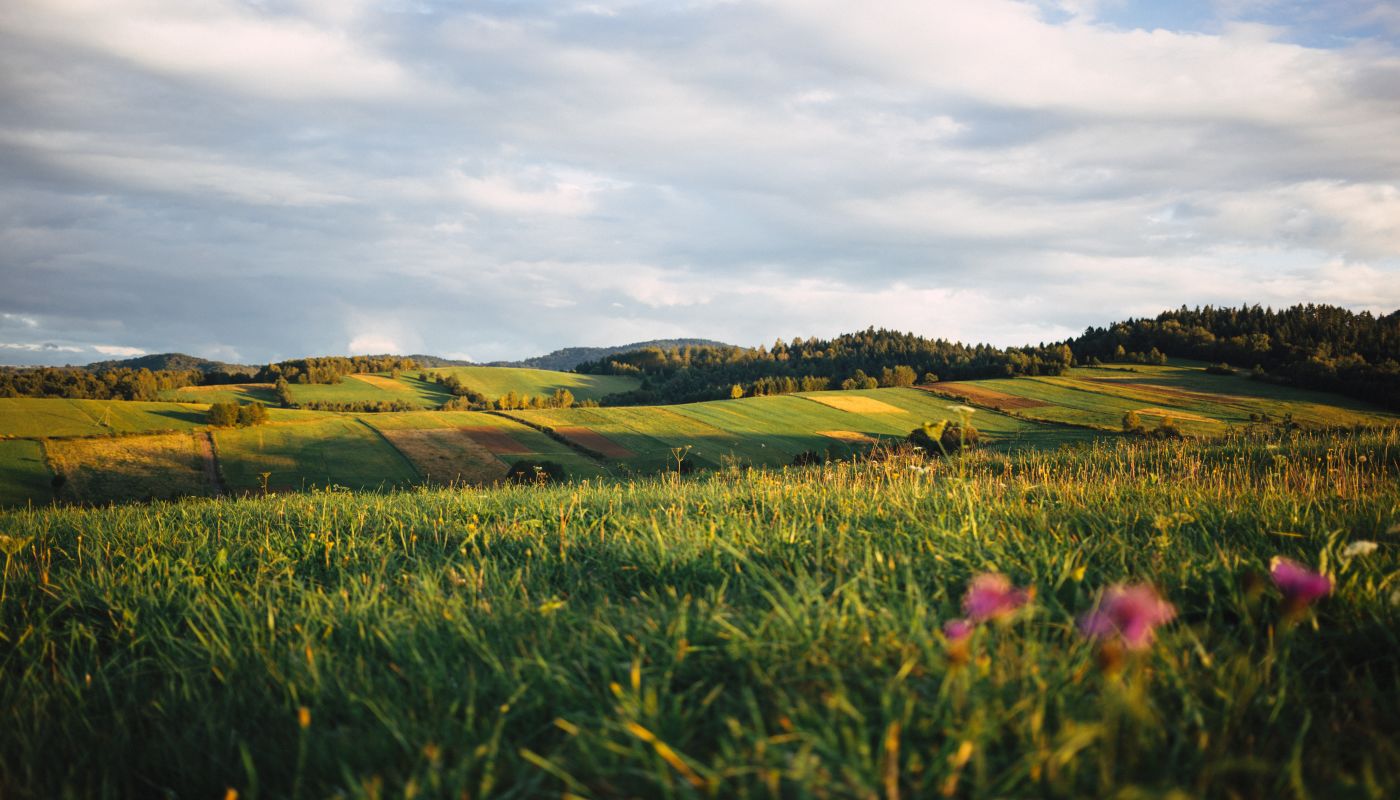
Landscape of Poland
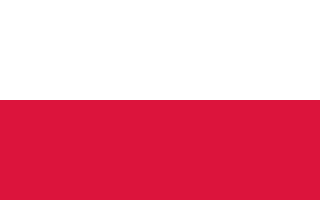
Flag of Poland

Poland

Europe

Once a Soviet satellite state, Poland began its modern democratization process in 1989. Since then, it has emerged as one of the most integrated post-Soviet states into international society by joining the EU, NATO, and other important treaties.1 This, along with a typically strong democratic government that has encouraged privatization, has propelled Poland to develop its economy quickly and diminish poverty rates.2 Even with these advancements, there is still some worry that the government may take away some freedoms and step away from democracy.3 1 https://www.britannica.com/place/Poland
2 https://www.cia.gov/library/publications/the-world-factbook/geos/pl.html
3 https://freedomhouse.org/report/nations-transit/2017/poland

What would you like to learn about in Poland?

Select a section to explore the country where nonprofits are creating positive change.

About Poland

Poland's history as a state begins near the middle of the 10th century. By the mid-16th century, the Polish-Lithuanian Commonwealth ruled a vast tract of land in central and eastern Europe. During the 18th century, internal disorders weakened the nation, and in a series of agreements between 1772 and 1795, Russia, Prussia, and Austria partitioned Poland among themselves. Poland regained its independence in 1918 only to be overrun by Germany and the Soviet Union in World War II. It became a Soviet satellite state following the war, but its government was comparatively tolerant and progressive. Labor turmoil in 1980 led to the formation of the independent trade union "Solidarity" that over time became a political force with over ten million members. Free elections in 1989 and 1990 won Solidarity control of the parliament and the presidency, bringing the communist era to a close. A "shock therapy" program during the early 1990s enabled the country to transform its economy into one of the most robust in Central Europe. Poland joined NATO in 1999 and the European Union in 2004. With its transformation to a democratic, market-oriented country largely completed, Poland is an increasingly active member of Euro-Atlantic organizations.

Quick Facts

Population
38,383,809 (July 2013 est.)
Area
312,685 sq km
ISO Code
PL
Continent
Europe
Government
republic
Active Causes
12
View all countries in Europe

Geography & Environment

Climate

temperate with cold, cloudy, moderately severe winters with frequent precipitation; mild summers with frequent showers and thundershowers

Terrain

mostly flat plain; mountains along southern border

Natural Resources

coal, sulfur, copper, natural gas, silver, lead, salt, amber, arable land

Environmental Issues

situation has improved since 1989 due to decline in heavy industry and increased environmental concern by post-Communist governments; air pollution nonetheless remains serious because of sulfur dioxid...

People & Society

76.45 years
Avg. Life Expectancy
99.7%
Literacy Rate
60.9% of total population (2011)
Total Urban Population

Languages

Polish (official) 97.8%, other and unspecified 2.2% (2002 census)

Religions

Roman Catholic 89.8% [about 75% practicing], Eastern Orthodox 1.3%, Protestant 0.3%, other 0.3%, unspecified 8.3% (2002)

Health Expenditure

7.5% of GDP (2010) of GDP

Education Expenditure

5.1% of GDP (2009) of GDP

Economy

$20,900
GDP per Capita (PPP)
12.8%
Unemployment Rate
10.6% (2008 est.)
Below Poverty Line

Economic Overview

Poland has pursued a policy of economic liberalization since 1990 and Poland's economy was the only one in the European Union to avoid a recession through the 2008-09 economic downturn. Although EU membership and access to EU structural funds have provided a major boost to the economy since 2004, GDP per capita remains significantly below the EU average while unemployment continues to exceed the EU average. The government of Prime Minister Donald TUSK steered the Polish economy through the economic downturn by skillfully managing public finances without stifling economic growth and adopted con...

Causes in Poland

Environment

The biggest threat to the preservation of Poland’s landscape is widespread logging efforts that are approved by the government and destroy ecosystems across the country.1 There is also a high amount of air pollution, with 33 of the 50 most polluted European cities being in Poland. Most of this smog is caused by the intense coal mining industry, cars, and old infrastructure that relies on gas to function. Breathing in the smog near capital city Warsaw for a year is equivalent to smoking 6.5 cigarettes a day.2

Family

Polish society is still dominated by men, and they are almost always the breadwinners as women take care of the home and family. There are no departments in the government that deal directly with gender equality.1 However, Poland has low levels of domestic violence, and is consistently ranked among the lowest in the European Union for the amount of women who have experienced physical or sexual violence in their lifetime.2

Human Rights

Since 2016, the government has been taking steps to enforce some restrictions on freedom of assembly and speech. They have interfered with non-state media, and harassed non-governmental organizations who oppose their policies.1 In addition, there is extreme xenophobia towards Muslims and those from Middle Eastern and Central Asian descent. Prison conditions in Poland are notoriously poor, and many of their cells do not meet international humanitarian standards.2

Education

The biggest challenge for the education system in Poland is under-enrollment in higher education. This translates to an uneducated workforce that has struggled to adapt to a changing global economy. However, reforms in state assessments and spending have pushed students to attend post-secondary education, and Polish students are now ranked in the top five in reading and math across Europe.1 The literacy rate is nearly 100%.2

Poverty

The poverty rate is estimated to be near 10%.1 These numbers are higher in rural and farming communities, and many of these areas are in the eastern side of Poland. Poverty has been on the decline for the past decade, and this is partially due to Poland’s rise from a manufacturing economy to a developed economy.2

Religion

Nearly 90% of the population is Roman Catholic, and other significant religious groups follow other types of Christian Orthodoxy, Protestant Christianity, Islam, and Judaism.1 Poland has traditionally been a conservative Catholic nation where religious leaders have been respected as important societal leaders. Now, society is becoming more secular and changing traditional power systems to look increasingly similar to western. Europe.2

Clean Water

Poland is a developed country, and 99% of the population has access to clean drinking water and sanitation.1

Economy

Poland has had a successful economy since liberalizing the markets in the 1990s. Because of smart government spending and increased foreign investment, the GDP has continued to grow and develop.1 Poland is on the verge of moving from an emerging economy to an advanced economy, and one of the reasons it has grown so much is because of its well developed manufacturing industry.2 The largest industries that contribute to the GDP are potatoes, steel, and machine making.1

Health

The life expectancy at birth is 77 years.1 Air pollution is a major health concern, and coal power units are especially harmful to health and cause increase in disease and death from respiratory and cardiovascular problems.2

Children

Because of citizenship laws and the high number of refugees living in Poland, many children are born in Poland but not granted citizenship at birth. This causes many problems for these children in adolescence, and they remain stateless until they turn 18.1 There are over 40,000 complaints of child abuse in Poland each year, but the government has implemented many anti-abuse campaigns and programs.2

Government

Although Poland is a parliamentary republic that has been democratic since the fall of the Soviet Union, recent laws have been passed to move away from democracy, and this is concerning the international community. The judicial branch is now closely tied to the executive branch, media and public gatherings are monitored, and the programs of nongovernmental organizations are restricted.1 Corruption is not widespread, but there are cases of favoritism and graft among some high level officials.2

Animals

The sizable forests in Poland are conducive for woodland creatures like wolves, elk, deer, and foxes. Poland’s unique eastern forests are home to the last native herd of bison on the European continent. However, animals’ habitats are being destroyed by the logging industry and other consequences of urbanization.1

Nonprofits Working in Poland

Discover organizations making a difference in Poland

Make Your Impact Today

Discover causes you care about and support the nonprofits making a difference in communities around the world.

Are you a nonprofit? Join Project World Impact for free

Join Us Free