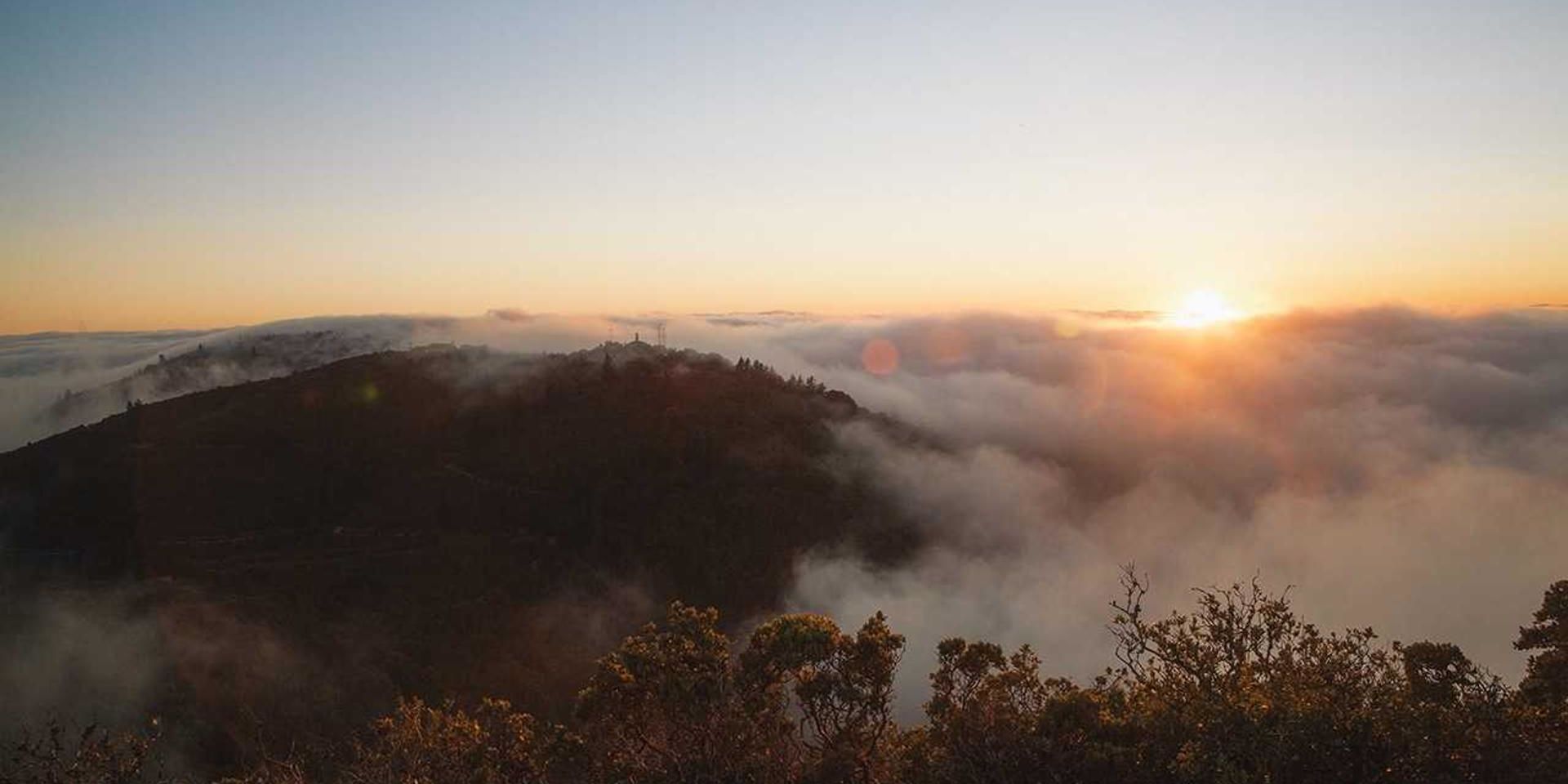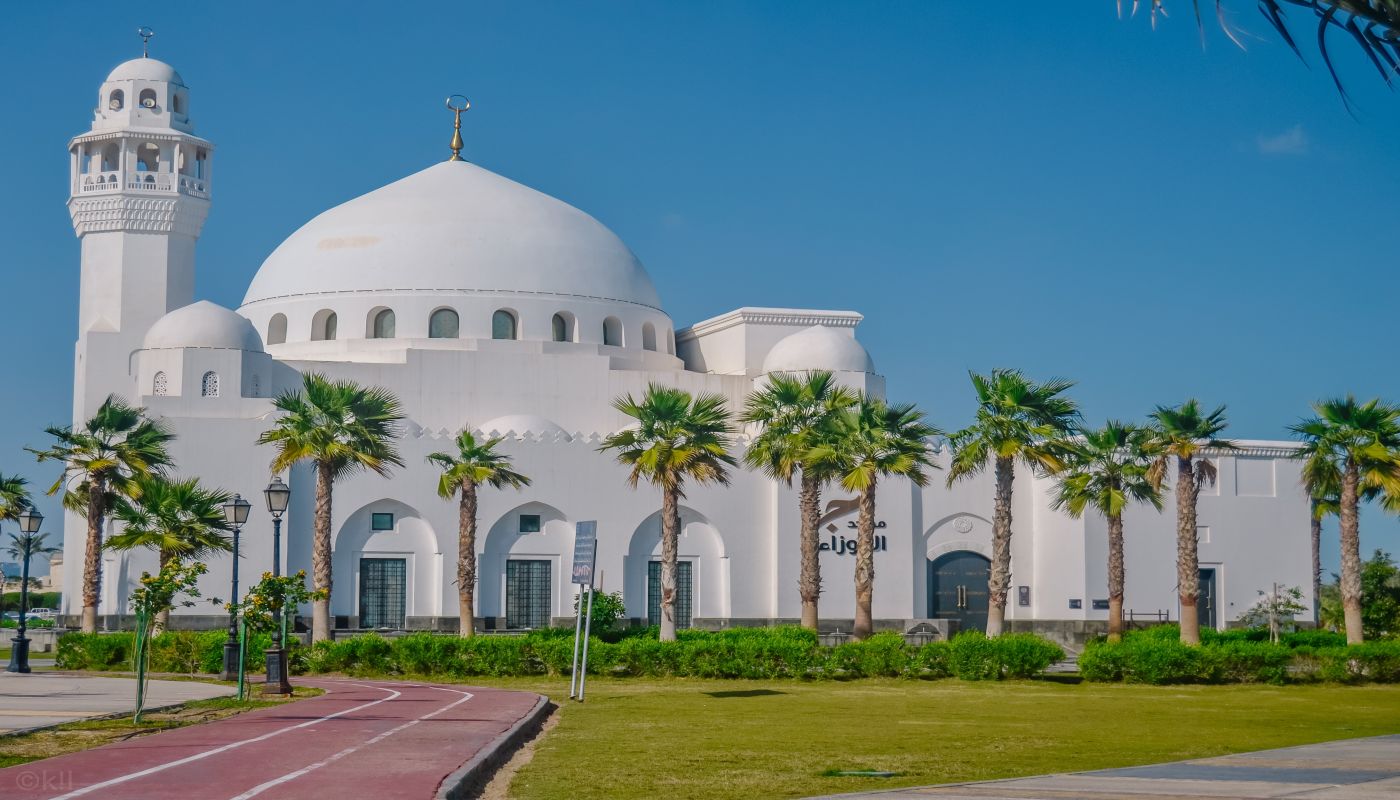
Landscape of Saudi Arabia
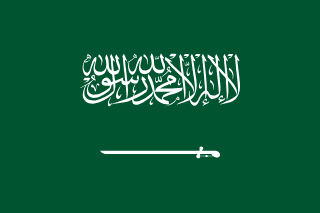
Flag of Saudi Arabia

Saudi Arabia

Asia

Saudi Arabia is the birthplace of Islam and home to its holiest sites. Prior to the discovery of large oil reserves in the 1950s, the land was traditionally tribal in nature. Modernization has happened quickly because of vast oil wealth and their importance in international affairs.1 The nation is a monarchy ruled by Sharia Law, and there are many human rights abuses committed against minority groups. Despite the oil industry, there is a large discrepancy in wealth, and one-fourth of the population still lives in poverty.2 1 https://www.britannica.com/place/Saudi-Arabia/Climate#toc45201
2 https://www.cia.gov/library/publications/the-world-factbook/geos/sa.html

What would you like to learn about in Saudi Arabia?

Select a section to explore the country where nonprofits are creating positive change.

About Saudi Arabia

Saudi Arabia is the birthplace of Islam and home to Islam's two holiest shrines in Mecca and Medina. The king's official title is the Custodian of the Two Holy Mosques. The modern Saudi state was founded in 1932 by ABD AL-AZIZ bin Abd al-Rahman Al SAUD (Ibn Saud) after a 30-year campaign to unify most of the Arabian Peninsula. One of his male descendants rules the country today, as required by the country's 1992 Basic Law. King ABDALLAH bin Abd al-Aziz ascended to the throne in 2005. Following Iraq's invasion of Kuwait in 1990, Saudi Arabia accepted the Kuwaiti royal family and 400,000 refugees while allowing Western and Arab troops to deploy on its soil for the liberation of Kuwait the following year. The continuing presence of foreign troops on Saudi soil after the liberation of Kuwait became a source of tension between the royal family and the public until all operational US troops left the country in 2003. Major terrorist attacks in May and November 2003 spurred a strong on-going campaign against domestic terrorism and extremism. King ABDALLAH has continued the cautious reform program begun when he was crown prince. The king instituted an interfaith dialogue initiative in 2008 to encourage religious tolerance on a global level; in 2009, he reshuffled the cabinet, which led to more moderates holding ministerial and judicial positions, and appointed the first female to the cabinet. The 2010-12 uprisings across Middle Eastern and North African countries sparked modest incidents in Saudi cities, predominantly by Shia demonstrators calling for the release of detainees and the withdrawal from Bahrain of the Gulf Cooperation Council's Peninsula Shield Force. Protests in general were met by a strong police presence, with some arrests, but not the level of bloodshed seen in protests elsewhere in the region. In response to the unrest, King ABDALLAH in February and March 2011 announced a series of benefits to Saudi citizens including funds to build affordable housing, salary increases for government workers, and unemployment entitlements. To promote increased political participation, the government held elections nationwide in September 2011 for half the members of 285 municipal councils. Also in September, the king announced that women will be allowed to run for and vote in future municipal elections - first held in 2005 - and serve as full members of the advisory Consultative Council. During 2012, Shia protests increased in violence, while peaceful Sunni protests expanded. The country remains a leading producer of oil and natural gas and holds about 17% of the world's proven oil reserves. The government continues to pursue economic reform and diversification, particularly since Saudi Arabia's accession to the WTO in December 2005, and promotes foreign investment in the kingdom. A burgeoning population, aquifer depletion, and an economy largely dependent on petroleum output and prices are ongoing governmental concerns.

Quick Facts

Population
26,939,583 (July 2013 est.)
Area
2,149,690 sq km
ISO Code
SA
Continent
Asia
Government
monarchy
Active Causes
12
View all countries in Asia

Geography & Environment

Climate

harsh, dry desert with great temperature extremes

Terrain

mostly uninhabited, sandy desert

Natural Resources

petroleum, natural gas, iron ore, gold, copper

Environmental Issues

desertification; depletion of underground water resources; the lack of perennial rivers or permanent water bodies has prompted the development of extensive seawater desalination facilities; coastal po...

People & Society

74.58 years
Avg. Life Expectancy
87.2%
Literacy Rate
82.3% of total population (2011)
Total Urban Population

Languages

Arabic (official)

Religions

Muslim (official) 100%

Health Expenditure

4.3% of GDP (2010) of GDP

Education Expenditure

5.6% of GDP (2008) of GDP

Economy

$31,800
GDP per Capita (PPP)
10.6%
Unemployment Rate
NA%
Below Poverty Line

Economic Overview

Saudi Arabia has an oil-based economy with strong government controls over major economic activities. It possesses about 17% of the world's proven petroleum reserves, ranks as the largest exporter of petroleum, and plays a leading role in OPEC. The petroleum sector accounts for roughly 80% of budget revenues, 45% of GDP, and 90% of export earnings. Saudi Arabia is encouraging the growth of the private sector in order to diversify its economy and to employ more Saudi nationals. Diversification efforts are focusing on power generation, telecommunications, natural gas exploration, and petrochemic...

Causes in Saudi Arabia

Environment

Alongside rapid and unregulated economic growth, there has been an increase in average temperatures and signs of further desertification.1 Protecting Saudi Arabia’s rare and unique ecosystems could help to prevent extinction and the deterioration of the environment. Due to the arid landscape, the country experiences few natural disasters.2

Family

Saudi society and families are patriarchal. Women have been given more freedom to participate outside of the home, but they are still encouraged to focus on the household. The majority of marriages are arranged and formalized with an Islamic Civil Ceremony, and it is still common for men to pay a dowry for their wives.1 Men are permitted to have as many as four wives and are legally required to provide for their wives equally. Divorce is much more attainable for men than women, and the divorce rate is high.2 Rates of domestic abuse in Saudi Arabia are extremely high, and even though it is illegal, there are many unreported cases and social stigmas which make the legality of abuse unclear.3

Human Rights

Activists and anyone who speaks out for reform are typically threatened or arrested and serve long prison sentences that can involve torture and flogging. There is no tolerance for public worship of other religions rather than Islam, and minority religious groups are subject to discrimination both in the justice system and privately.1 According to the Saudi guardianship laws, women are prohibited from traveling alone, conducting business, undergoing medical procedures, or doing other regular activities without consent from male guardians. Protection of the rights of women and foreign workers is practically non-existent, and over 9 million foreign workers and 9 million women do not receive legal protection from government.1 Because of these legal and societal hardships, only 22% of women participate in the workforce.2 Freedom of the media does not exist, and most publications are government run and tightly monitored. Many websites are blocked, and one must obtain a license to post their opinion online.3

Education

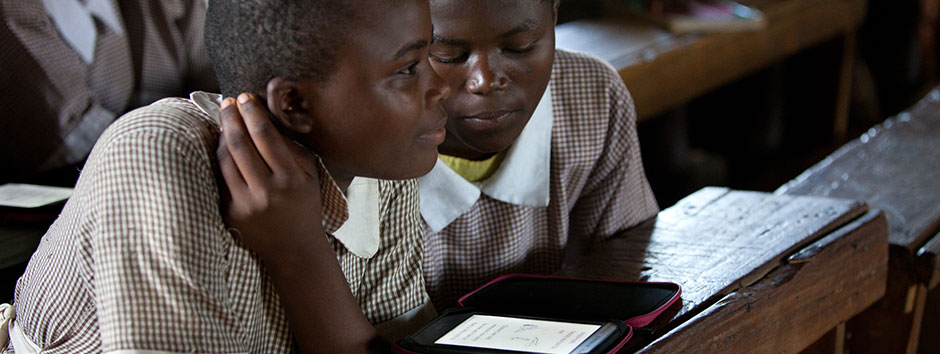
Education is free and compulsory for all children. The study of Islam is at the core of the education system and the Quran requires education for both men and women.1 The primary school enrollment rate in Saudi Arabia is at 96%, but girls and boys are separated in schools with less funding going towards girls schools.2 This leads to gender inequities when it comes to literacy, with the adult male literacy rate at 98% compared to the adult female literacy rate of 91%.2

Poverty

About 25% of the population lives below the poverty line in Saudi Arabia.1 Although Saudi Arabia has immense national wealth, there is vast wealth inequality. Millions of citizens struggle to provide for their families or are homeless. Welfare programs are inadequate, and there are not enough jobs to accommodate the growing population. The Kingdom hides poverty rates from the outside world, and the government discloses little data about the poor. Around 40% of people under 30 years old are unemployed.2

Religion

The state religion of Saudi Arabia is Islam, and about 90% of citizens adhere to the Wahhabi sect of Sunni Islam.1 There is a small percentage of Shia Muslims, but these people and other religious minorities are not allowed to publicly worship and are subject to discrimination.2 Saudi Arabia does not permit religious freedom of expression and it is punishable by death to convert to any other religion.2

Clean Water

Saudi Arabia is a desert landscape with scarce water supply and low rainfall. Clean water access and sanitation in Saudi Arabia has been made possible largely because of investments in desalination plants, efficient water distribution, and wastewater treatment.1 Approximately 97% of the population has access to clean drinking water and 100% of the population has access to improved sanitation infrastructure.1

Economy

Saudi Arabia has an oil-based economy with the government exerting lots of oversight and control. It is home to 16% of the world’s petroleum reserves, and petroleum accounts for 42% of the GDP.1 A dip in worldwide oil prices has caused the oil-dependent economy to slow, and the Saudi government is looking for ways to diversify their economy. Telecommunications, natural gas, and tourism have been the focus of their diversification efforts, but these have not so far been able to shift the economy from being almost entirely dependent on oil production.1 Unemployment throughout the country is at 5.5%.2

Government

Saudi Arabia is a monarchy based off of the teachings and tenets of Islam. The king is head of the military and the legal system, and there are no existing political parties in Saudi Arabia.1 The Saudi government has made recent reforms in an attempt to foster public transparency and integrity, but corruption in the forms of favoritism and bribes are still common.2 There are known connections between government branches and terrorist organizations, and their foreign policy reflects regional interests that often align with the United States against Iran and other extreme Shia groups.3

Health

The leading causes of death in Saudi Arabia are heart disease and stroke. Other common health ailments are depression, anxiety, domestic violence, and neck pain.1 The infant mortality rate in Saudi Arabia is 7 deaths per 1,000 live births, and the average life expectancy is 75 years of age.2

Children

Child abuse is prevalent, and in 2016, it was estimated that nearly 60% of children experienced some form of abuse or neglect.1 Girls and boys are often raised differently, and it is not uncommon to find girls married before the legal marrying age of 18. Saudi Arabia often tries adolescents as adults, and there are many cases of teenagers being sentenced to death and being tortured in Saudi prisons.2 They are also known to stone or flog children, and girls are particularly vulnerable because of their status as second class citizens under male guardianship.3

Animals

Hyenas, foxes, and honey badgers are commonly found in Saudi Arabia. Many larger mammals have been driven from the nation because of industrialization and increased human activity. Camels and snakes are found in abundance.1

Nonprofits Working in Saudi Arabia

Discover organizations making a difference in Saudi Arabia

Make Your Impact Today

Discover causes you care about and support the nonprofits making a difference in communities around the world.

Are you a nonprofit? Join Project World Impact for free

Join Us Free