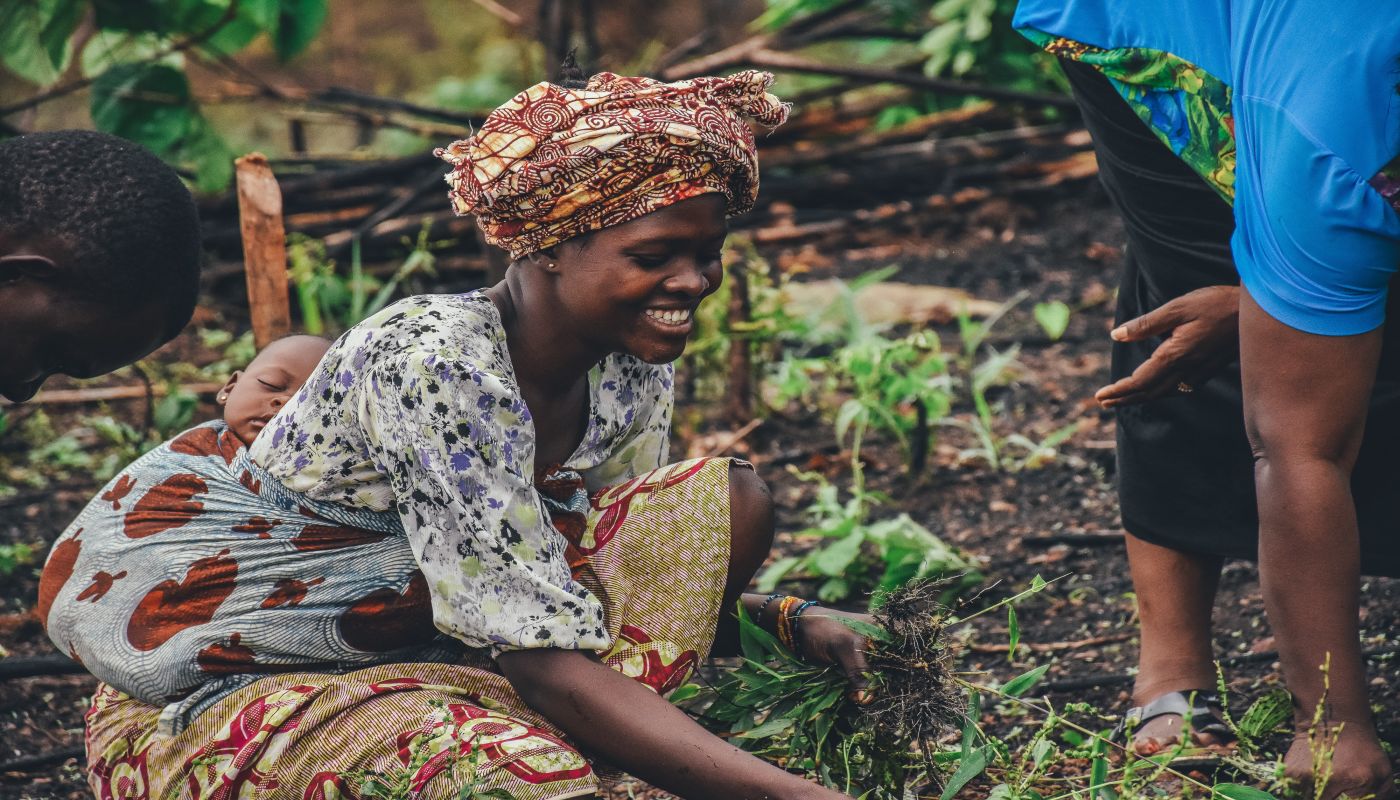
Landscape of Sierra Leone
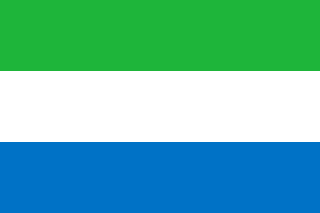
Flag of Sierra Leone

Sierra Leone

Africa

Known for beautiful tropical beaches juxtaposed with excruciating poverty, Sierra Leone was used as the British hub for the slave trade for centuries. The capital, Freetown, was created as a city for repatriated slaves in the 18th century, and it gained independence from colonial Britain in 1961.1 The brutal civil war from 1991-2002 and severe outbreak of Ebola in 2015 have made it challenging for the country to continue to develop its economy and lift people out of poverty.1 Because of the government inefficiency and lack of infrastructure, Sierra Leone continues to struggle to educate children, protect the environment, and provide jobs.2 1 https://www.cia.gov/library/publications/resources/the-world-factbook/geos/sl.html
2 https://www.britannica.com/place/Sierra-Leone/Government-and-society#toc55340

What would you like to learn about in Sierra Leone?

Select a section to explore the country where nonprofits are creating positive change.

About Sierra Leone

Democracy is slowly being reestablished after the civil war from 1991 to 2002 that resulted in tens of thousands of deaths and the displacement of more than 2 million people (about a third of the population). The military, which took over full responsibility for security following the departure of UN peacekeepers at the end of 2005, is increasingly developing as a guarantor of the country's stability. The armed forces remained on the sideline during the 2007 and 2012 national elections but still look to the UN Integrated Peacebuilding Office in Sierra Leone (UNIPSIL) - a civilian UN mission - to support efforts to consolidate peace. The new government's priorities include furthering development, creating jobs, and stamping out endemic corruption.

Quick Facts

Population
5,612,685 (July 2013 est.)
Area
71,740 sq km
ISO Code
SL
Continent
Africa
Government
constitutional democracy
Active Causes
12
View all countries in Africa

Geography & Environment

Climate

tropical; hot, humid; summer rainy season (May to December); winter dry season (December to April)

Terrain

coastal belt of mangrove swamps, wooded hill country, upland plateau, mountains in east

Natural Resources

diamonds, titanium ore, bauxite, iron ore, gold, chromite

Environmental Issues

rapid population growth pressuring the environment; overharvesting of timber, expansion of cattle grazing, and slash-and-burn agriculture have resulted in deforestation and soil exhaustion; civil war...

People & Society

56.98 years
Avg. Life Expectancy
43.3%
Literacy Rate
39.2% of total population (2011)
Total Urban Population

Languages

English (official, regular use limited to literate minority), Mende (principal vernacular in the south), Temne (principal vernacular in the north), Kr...

Religions

Muslim 60%, Christian 10%, indigenous beliefs 30%

Health Expenditure

13.1% of GDP (2010) of GDP

Education Expenditure

3.6% of GDP (2011) of GDP

Economy

$1,400
GDP per Capita (PPP)
NA%
Unemployment Rate
70.2% (2004)
Below Poverty Line

Economic Overview

Sierra Leone is an extremely poor nation with tremendous inequality in income distribution. While it possesses substantial mineral, agricultural, and fishery resources, its physical and social infrastructure has yet to recover from the civil war, and serious social disorders continue to hamper economic development. Nearly half of the working-age population engages in subsistence agriculture. Manufacturing consists mainly of the processing of raw materials and of light manufacturing for the domestic market. Alluvial diamond mining remains the major source of hard currency earnings, accounting f...

Causes in Sierra Leone

Environment

Environmental policies and protection are not at the forefront of people’s minds, which is shown in the destruction of the country’s environment.1 70% of the land was covered with forests only a century ago, but now because of commercial logging and subsistence farming, only 5% remains.1

Family

There is a high fertility rate of nearly five children per woman, and this high rate is mostly because of the low contraceptive rate and early childbearing age.1 Over 60% of the population is under the age of 25.1

Human Rights

There are restrictions on freedom of expression and assembly, and there are accusations of police brutality and unlawful arrests in instances of public protest, especially against the government.1 Freedom of the press is limited, with journalists routinely arrested for criticizing the government. 60% of the population believes the police force is the most corrupt institution in the country, and bribes are commonplace.2 Female genital mutilation is commonplace, with some studies estimating 90% of women in Sierra Leone have undergone these excruciating violations even with laws in place banning it.3

Education

48% of the population is literate, and education is not required after primary school.1 Pregnant girls are banned from attending schools and taking exams, which has caused over 10,000 girls to be expelled from their schools.2 The gender gap in education is even more significant when looking at secondary education enrollment, with only 10% of women enrolling as opposed to 22% of men.3 In addition, there is a lack funding for education and many schools remain destroyed from the years of civil war. 40% of teachers are untrained, and there are only enough textbooks for 20% of children to have their own book.4 From 2014-2015, all schools shut down to help stop the spread of Ebola, but this closure is expected to have unfortunate long-term consequences on literacy rates and school attendance.5

Poverty

Almost 70% of the population lives below the poverty line.1 Most of the population lives on less than $1.25 a day, and the majority of them live in the Northern and Southern rural areas.2 It is even more common for women to live in poverty than men.2

Religion

About two-thirds of the population are Muslims and one-quarter are Christians, and many people practice these religions in tandem with indigenous religious practices.1 Freedom of religion is constitutionally protected, and Sierra Leone is praised for its religious tolerance. Many people practice multiple religions simultaneously, inter-faith marriages are common, and religion does not heavily influence political alliances.2

Clean Water

There is a lack of potable water and sanitation services in Sierra Leone, with 13% of the population having sanitation facilities and 60% having access to clean water.1 Because of rapid urbanization, there is not adequate water infrastructure and services to provide sanitation services to most of the population in cities.2

Economy

Sierra Leone is extremely poor, and over half of the working age population engages in subsistence farming for work.1 Approximately 70% of youth are unemployed or underemployed.1 The major exports are iron ore and diamonds, but these are also sold in illegal markets.1 50% of their public investment programs rely on assistance from international donors which is limiting the ways their economy can become independent and grow.2 Businesses are unable to grow because of government corruption, inequalities amongst people groups, and poorly maintained infrastructure.2

Government

The two dominant political parties, the All People’s Congress (APC) and the Sierra Leone People’s Party (SLPP), are mostly ethno-regional groups as opposed to defined institutions with set political goals.1 In recent years, however, there has been no recorded politically driven violence, and the elections are considered free and fair.

Health

The life expectancy is one of the lowest in the world at 58, and there are high maternal and child mortality rates.1 Malaria and yellow fever are common health threats, and in 2014 and 2015, an Ebola outbreak killed over 4,000 people and infected another 11,000.2 There is a shortage of trained medical professionals as many have left the country for better pay, leaving only one doctor for every 50,000 people.1 With limited access to clean water, many water borne diseases like diarrhea, cholera and typhoid present long term challenges to health in Sierra Leone.3

Children

Sierra Leone’s Ministry of Youth Affairs oversees all youth programs sponsored by the government and international actors to ensure children have sufficient access to clubs and enrichment programs.1 Children, often expected to take care of their families from a young age, are subject to child marriages and labor.2 50% of children work, often in poor conditions, and 39% of girls get married before the legal age of 18.3

Animals

Many animal populations were nearly destroyed during the civil war, and it is rare to find animals like elephants, lions, and hyenas anywhere but nature preserves.1 There are 146 species threatened with extinction in Sierra Leone, mostly because of loss of habitat.2 Mining has also contaminated fresh water sources with siltation, and because of this, freshwater fish populations are dwindling.3

Nonprofits Working in Sierra Leone

Discover organizations making a difference in Sierra Leone

Project Peanut Butter

Project Peanut Butter

Across the world, severe acute malnutrition is the largest killer of children under 5 years of age, contributing to nearly half of all childhood deaths (more than 3 million children per year). We produce peanut based ready-to-use therapeutic foods (RUTF) locally in factories in Malawi, Sierra Leone, and Ghana. Our factories are internationally accredited by UNICEF, Doctors Without Borders, and the World Food Program, and our product is considered the standard of care worldwide for severely malnourished children. We strive to use as many local ingredients and staff as possible. In addition, we distribute the therapeutic food at our own mobile clinics, where PPB nurses assess children for malnutrition and provide qualifying children with life-saving food at no charge.

Maplewood, Missouri

Make Your Impact Today

Discover causes you care about and support the nonprofits making a difference in communities around the world.

Are you a nonprofit? Join Project World Impact for free

Join Us Free