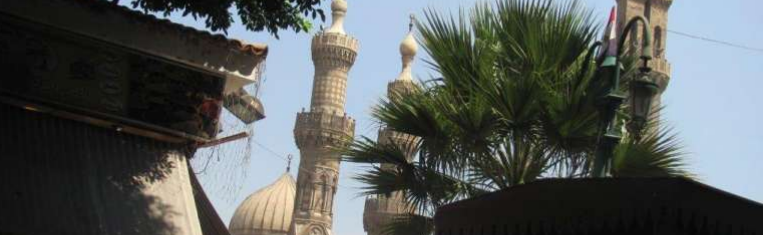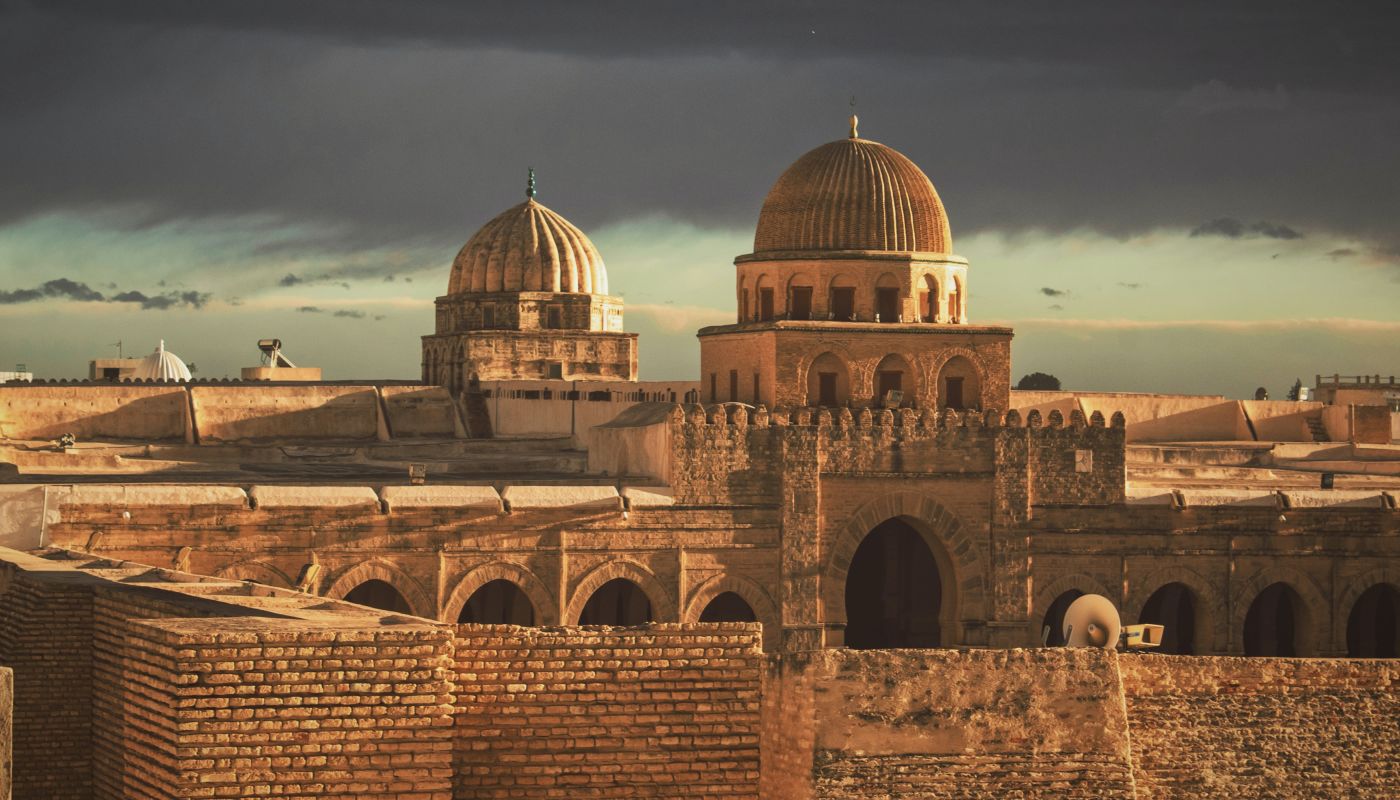
Landscape of Tunisia
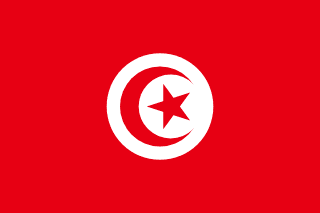
Flag of Tunisia

Tunisia

Africa

Tunisia was the birthplace of popular uprisings called the Arab Spring across the Middle East and North Africa in 2011. The people ousted their longtime authoritative ruler in support of freedom and democracy, and their new constitution went into effect in 2014.1 Even with their new government and significant institutional improvements, high unemployment rates persist and cause tension in the already unstable country. Once a part of the Roman empire, the nation is home to thousands of well preserved artifacts and historic places, and this, combined with the optimal location on the Mediterranean Sea, makes tourism a big industry in Tunisia.2 1 https://www.cia.gov/library/publications/the-world-factbook/geos/ts.html
2 https://www.britannica.com/place/Tunisia

What would you like to learn about in Tunisia?

Select a section to explore the country where nonprofits are creating positive change.

About Tunisia

Rivalry between French and Italian interests in Tunisia culminated in a French invasion in 1881 and the creation of a protectorate. Agitation for independence in the decades following World War I was finally successful in getting the French to recognize Tunisia as an independent state in 1956. The country's first president, Habib BOURGUIBA, established a strict one-party state. He dominated the country for 31 years, repressing Islamic fundamentalism and establishing rights for women unmatched by any other Arab nation. In November 1987, BOURGUIBA was removed from office and replaced by Zine el Abidine BEN ALI in a bloodless coup. Street protests that began in Tunis in December 2010 over high unemployment, corruption, widespread poverty, and high food prices escalated in January 2011, culminating in rioting that led to hundreds of deaths. On 14 January 2011, the same day BEN ALI dismissed the government, he fled the country, and by late January 2011, a "national unity government" was formed. Elections for the new Constituent Assembly were held in late October 2011, and in December, it elected human rights activist Moncef MARZOUKI as interim president. The Assembly began drafting a new constitution in February 2012, and released a second working draft in December 2012. The interim government has proposed presidential and parliamentary elections be held in 2013.

Quick Facts

Population
10,835,873 (July 2013 est.)
Area
163,610 sq km
ISO Code
TN
Continent
Africa
Government
republic
Active Causes
12
View all countries in Africa

Geography & Environment

Climate

temperate in north with mild, rainy winters and hot, dry summers; desert in south

Terrain

mountains in north; hot, dry central plain; semiarid south merges into the Sahara

Natural Resources

petroleum, phosphates, iron ore, lead, zinc, salt

Environmental Issues

toxic and hazardous waste disposal is ineffective and poses health risks; water pollution from raw sewage; limited natural freshwater resources; deforestation; overgrazing; soil erosion; desertificati...

People & Society

75.46 years
Avg. Life Expectancy
79.1%
Literacy Rate
66.3% of total population (2011)
Total Urban Population

Languages

Arabic (official, one of the languages of commerce), French (commerce), Berber (Tamazight)

Religions

Muslim (Islam - official) 98%, Christian 1%, Jewish and other 1%

Health Expenditure

6.2% of GDP (2010) of GDP

Education Expenditure

6.2% of GDP (2010) of GDP

Economy

$9,900
GDP per Capita (PPP)
17.4%
Unemployment Rate
3.8% (2005 est.)
Below Poverty Line

Economic Overview

Tunisia's diverse, market-oriented economy has long been cited as a success story in Africa and the Middle East, but it faces an array of challenges during the country's ongoing political transition. Following an ill-fated experiment with socialist economic policies in the 1960s, Tunisia embarked on a successful strategy focused on bolstering exports, foreign investment, and tourism, all of which have become central to the country''s economy. Key exports now include textiles and apparel, food products, petroleum products, chemicals, and phosphates, with about 80% of exports bound for Tunisia''...

Causes in Tunisia

Environment

Pressing environmental concerns in Tunisia include land erosion, pollution and rising sea levels. Over 70% of the nation's land is threatened by erosion and rising coastal waters which is causing a decrease in agricultural land and damaging important tourism sites.1

Family

In Tunisian society, men are typically the heads of the household. However, Tunisia is more liberal than many of its Arab neighbors, and many women have more institutional and social freedoms.1 Although women have ample opportunity for employment, they are traditionally still expected to stay at home, and 99% of women do not receive equal pay for the same work as a man.2 Violence against women is common, and nearly 75% of women can expect to experience some form of abuse in their lifetime.2 However, there has recently been a push in Tunisian parliament to protect women’s rights and have a more consistent enforcement of these laws.

Human Rights

There have been great strides made since the new government was elected in 2014. Torture is on the decline even though it is still used sometimes on those in police custody. The government has also passed legislation that make gender equality in governmental positions easier to achieve.1 There are still restrictions on freedom of media and expression, and journalists still may be prosecuted under anti-terrorism laws for criticizing the government.2 The right to assemble and protest is protected under the new constitution, but there are still occasional instances of police harming individuals involved in these.3

Education

The total adult literacy rate in Tunisia is 81%.1 While education is one of the government priorities, major institutional reform is necessary to improve the education system. Even though the country is well above the regional average for amount spent on education each year, the largest hurdle is that those with an education are still unable to find work. There are not enough jobs to incentivize people to further their education, and the massive population of young people is straining the education system.1 Annually, over 130,000 students drop out before graduating secondary school.2

Poverty

Roughly 15.5% of the Tunisian population currently lives below the poverty line.1 Poverty in Tunisia closely follows unemployment, and the unemployment rate is 15% overall and 35% for youth. There are many discrepancies in poverty depending on the region in Tunisia. Poverty rates are lower in the large coastal cities, but in central Tunisia, rates are near 30%.2 Food security and hunger are still a concern, and 5% of the population is classified as very malnourished.3

Religion

The constitution officially provides for religious freedom, but references to Islam pervade the text. Governmental leaders have called for an end to political Islam in Tunisia, and have sought to separate their political parties from mosques.1 Roughly 99% of the Tunisian citizenry is Sunni Muslim and the remaining 1% is comprised of Shia Muslims, Baha’is, Jews, and Christians.2 There are a disproportionate amount of Islamic extremist members recruited in Tunisia for groups like the Islamic State and Al Qaeda which is increasing religious divides in the country.>3

Clean Water

Approximately 100% of the population has access to clean drinking water, and 92% of the population has access to improved sanitation infrastructure.1

Economy

The unemployment rate has been lowering recently and was at 14% in 2016, but youth unemployment is much higher, nearing 35%.1 Petroleum and mining are the two largest contributors to the Tunisian GDP, but despite reforms, the economy has not grown at a rate sufficient to develop into a modernized economy.2 Tunisia is one of the few African countries that has cultivated a successful market economy. However, experts agree that in order to develop further, more jobs need to be created, foreign investments must increase, and political institutions must be strengthened.3

Government

Since the Arab Spring in 2011, Tunisia has been taking important steps towards democracy and political freedom.1 The most recent presidential and parliamentary elections have been considered fair and free which gained international attention as an Arab Spring success story.1 Despite progress, there is still corruption and social unrest in Tunisia. Violence and the uncertainty of the government’s future have made economic growth and the eradication of extremist groups difficult.2 Many Islamic extremist groups have large followings in Tunisia which has caused government instability in an already fragile nation.3

Health

The Tunisian life expectancy is 75 years.1 The constitution declares healthcare a right for all individuals, and their healthcare system is considered to be one of the best in the region despite shortages in equipment and staff.2 Since 2014, HIV prevalence has decreased significantly to less than 1% of the population, but Tunisian adults living with HIV frequently encounter social stigmas that make living with the disease a constant difficulty.3 In addition, the infant mortality rate in Tunisia is 22 deaths per 1,000 live births, and the maternal mortality rate is 62 deaths per 100,000 live births which indicates a developing and successful health system.1

Children

Some of the most common threats to children's well being in Tunisia are child labor and human trafficking. It is estimated that 22% of 5 year old children are engaged in some form of labor.1 Child labor laws are beginning to have a positive effect on children’s lives, but harsh forms of child labor like domestic work as a result of human trafficking are still a large concern.2 Early mortality rates are below the regional average, but violence in the home is still prevalent with over 90% of children experiencing violent discipline at home.1 Additionally, there are around 130,000 orphaned children in the country.3

Animals

Scorpions, snakes, gazelles, locusts, and other desert animals are all common, but it is difficult for a wide variety of animal life to live in Tunisia because of the frequent weather changes.1 There are a few national parks that are protected environments for these animals to live in. The Mediterranean has many different species like whales, eels, and crabs living off the Tunisian coast.2

Nonprofits Working in Tunisia

Discover organizations making a difference in Tunisia

EUROPEAN & MIDDLE EASTERN MINISTRIES INCORPORATED

EUROPEAN & MIDDLE EASTERN MINISTRIES INCORPORATED

EME endeavors to enable worshipping communities to transform their local environments through education and community / business development projects, especially in the Southeastern Europe, the Middle East and North Africa Mission Statement EME Purposes To: • Enable local churches, ministries and other partners, primarily in the Mediterranean Region. • Empower partnerships with necessary provisions—e.g. personnel, finance, training and other essentials—to better advance their efforts. • Support the development of educational programs within the framework of partnerships— e.g. kindergartens, primary schools, K-12 schools and adult education—and the implementation of community building projects, including Business as/for Mission.

Jonesboro, Arkansas

Make Your Impact Today

Discover causes you care about and support the nonprofits making a difference in communities around the world.

Are you a nonprofit? Join Project World Impact for free

Join Us Free