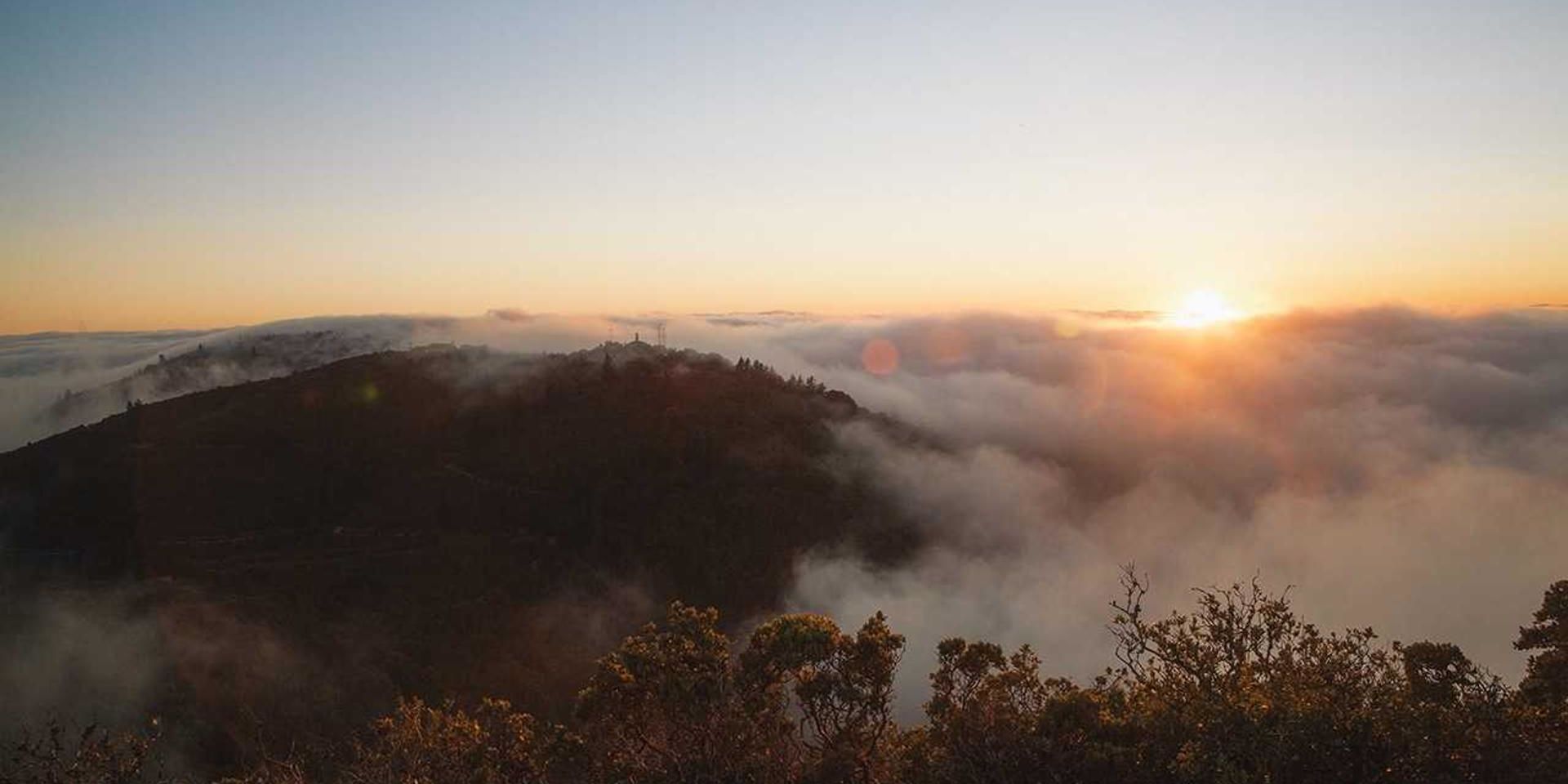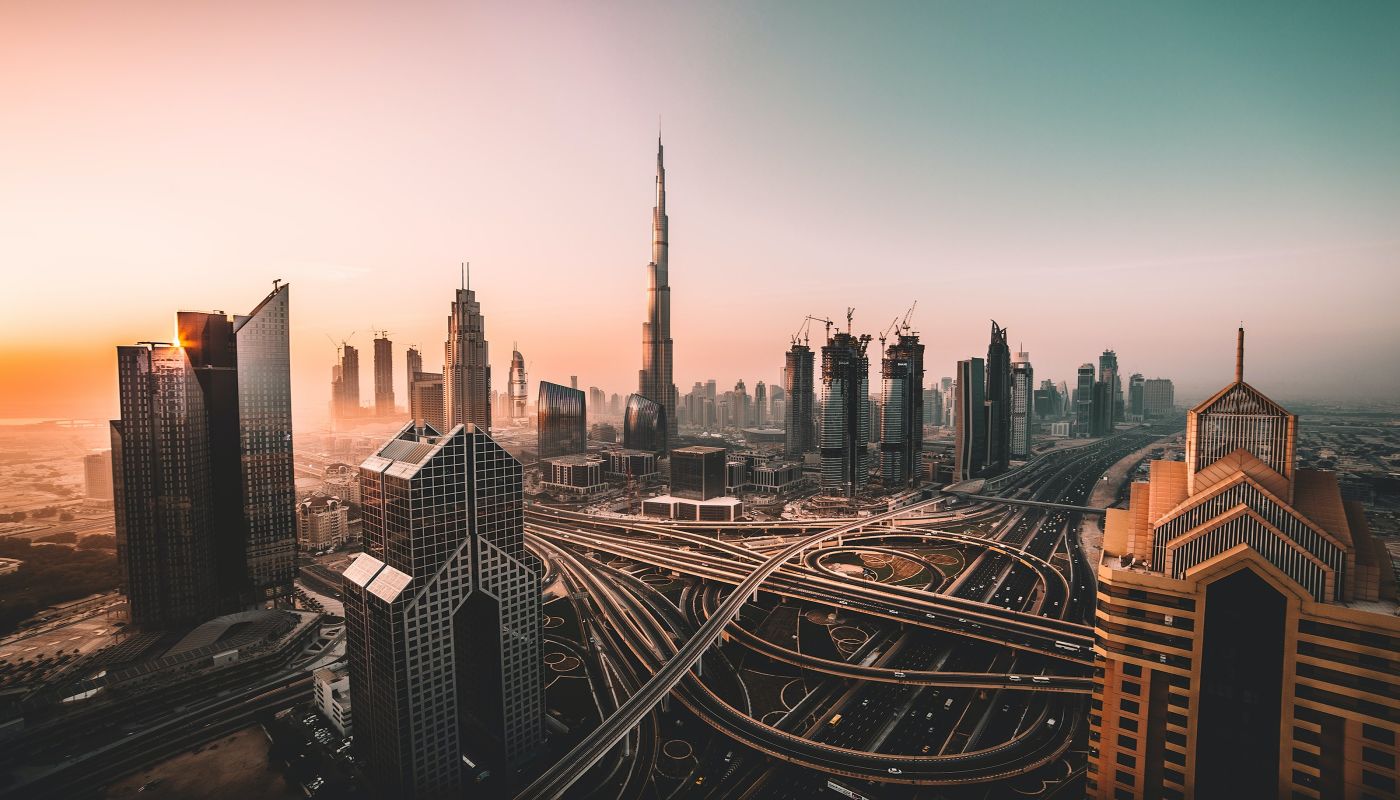
Landscape of United Arab Emirates
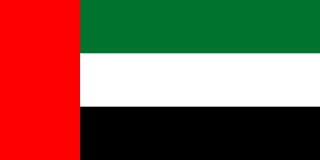
Flag of United Arab Emirates

United Arab Emirates

Asia

The United Arab Emirates (UAE), a country composed of seven separate emirates, has exploded as a global business hub in recent years. The country gained wealth quickly due to oil and gas exports and international business. The majority of the country’s residents are expatriates; over 80% of the people living are not native citizens.1 The cosmopolitan country is a mix of cultures from all around the world, but the government is oppressive and allows for comparatively few freedoms.2 1 https://www.cia.gov/library/publications/the-world-factbook/geos/ae.html 2 https://www.britannica.com/place/United-Arab-Emirates

What would you like to learn about in United Arab Emirates?

Select a section to explore the country where nonprofits are creating positive change.

About United Arab Emirates

The Trucial States of the Persian Gulf coast granted the UK control of their defense and foreign affairs in 19th century treaties. In 1971, six of these states - Abu Dhabi, 'Ajman, Al Fujayrah, Ash Shariqah, Dubayy, and Umm al Qaywayn - merged to form the United Arab Emirates (UAE). They were joined in 1972 by Ra's al Khaymah. The UAE's per capita GDP is on par with those of leading West European nations. Its high oil revenues and its moderate foreign policy stance have allowed the UAE to play a vital role in the affairs of the region. For more than three decades, oil and global finance drove the UAE's economy. However, in 2008-09, the confluence of falling oil prices, collapsing real estate prices, and the international banking crisis hit the UAE especially hard. The UAE has essentially avoided the "Arab Spring" unrest seen elsewhere in the Middle East, though in March 2011, political activists and intellectuals signed a petition calling for greater public participation in governance that was widely circulated on the Internet. In an effort to stem potential further unrest, the government announced a multi-year, $1.6-billion infrastructure investment plan for the poorer northern Emirates.

Quick Facts

Population
5,473,972 (July 2013 est.)
Area
83,600 sq km
ISO Code
AE
Continent
Asia
Government
federation with specified powers delegated to the UAE federal government and other powers reserved to member emirates
Active Causes
12
View all countries in Asia

Geography & Environment

Climate

desert; cooler in eastern mountains

Terrain

flat, barren coastal plain merging into rolling sand dunes of vast desert wasteland; mountains in east

Natural Resources

petroleum, natural gas

Environmental Issues

lack of natural freshwater resources compensated by desalination plants; desertification; beach pollution from oil spills

People & Society

76.91 years
Avg. Life Expectancy
90%
Literacy Rate
84.4% of total population (2011)
Total Urban Population

Languages

Arabic (official), Persian, English, Hindi, Urdu

Religions

Muslim (Islam - official) 96% (Shia 16%), other (includes Christian, Hindu) 4%

Health Expenditure

3.7% of GDP (2010) of GDP

Education Expenditure

1.1% of GDP (2004) of GDP

Economy

$49,800
GDP per Capita (PPP)
2.4%
Unemployment Rate
19.5% (2003)
Below Poverty Line

Economic Overview

The UAE has an open economy with a high per capita income and a sizable annual trade surplus. Successful efforts at economic diversification have reduced the portion of GDP based on oil and gas output to 25%. Since the discovery of oil in the UAE more than 30 years ago, the country has undergone a profound transformation from an impoverished region of small desert principalities to a modern state with a high standard of living. The government has increased spending on job creation and infrastructure expansion and is opening up utilities to greater private sector involvement. In April 2004, the...

Causes in United Arab Emirates

Environment

Climate change and environmental sustainability are one of the UAE’s top priorities. The government is conscious of the importance of stabilizing greenhouse gas emissions and developing multilateral climate policies.1 The UAE’s location in a desert that is continually getting drier makes it important to preserve all of the water available t and think creatively about how to conserve.2

Family

There is some discrimination against women mostly because of the patriarchal nature of society and the relevance of Sharia law. Discrimination based on sex is not covered in the UAE’s laws, and many women do not have the legal structures to get divorces or make unilateral decisions without a male guardian.1 Rates of domestic violence in the country are also high due to cultural ideas about gender and the lack of laws concerning domestic abuse.2

Human Rights

The UAE still continues to severely restrict freedom of expression and association. Arbitrary detention remains a problem, as do unfair trials.1 People are arrested without judicial warrants being issued, detainees are tortured while in custody, and most are denied access to lawyers.2 In addition, even though migrant workers account for 80% of the country’s residents, the country has systematically refused to offer these migrant workers basic rights or make forced labor camps illegal.1 These workers, mostly women from Asia and Africa, face exploitation and abuse. Additionally, domestic abuse is a rampant problem, and there are no laws to protect women from violence.2

Education

The government has invested heavily in the education sector, and education is free to every native Emeriti student from kindergarten to university.1 However, there are many private schools which offer more comprehensive educations, and there is discrimination in the form of some international students not being able to receive the same quality of schooling.2 94% of the population is literate, and many who are illiterate are not Emeriti people.3

Poverty

Recent data on poverty in the UAE is not available or released with census information, but in 2003, the poverty rate was 19%.1

Religion

Approximately 76% of the population of the UAE are Muslim, and the majority of them are Sunnis. 9% are Christian, and a variety of religions comprise the remaining portion of the population.1 Islam is the official religion of the country. Muslims may proselytize other people, but people of other religions are not allowed to proselytize to Muslims.2

Clean Water

The UAE does not have a large amount of rainfall or freshwater due to its location on the Arabian peninsula. Water desalination plants and deep wells are common sources of tap water.1 100% of the population has access to clean water.2

Economy

The United Arab Emirates has a successful economy with a high per capita income, and much of the country’s success is due to its open economy based in oil, gas, and business. The government has worked to diversify the economy. The country’s dependence on oil and gas exports is less than 30%, which is significantly lower than neighboring countries.1 The UAE has a thriving banking and financial sector, and is the business hub of the region.2

Government

The UAE, established in December of 1971, is relatively young and is composed of seven distinct emirates: Abu Dhabi, Sharjah, Ajman, Umm al-Quwain, Ra’s al-Khaimah, Dubai, and Fujairah.1 Each of these emirates is fairly independent, but the seven emirs work together to appoint a president who can serve unlimited terms.2 Political parties are outlawed, and many political alliances are based on tribal ties and family loyalties. Government transparency is extremely low, but the UAE remains one of the least corrupt countries in the Middle East.3

Health

At birth, citizens of the UAE have an estimated life expectancy of 73 years of age. Health care is provided for all citizens, and the country does an excellent job in regulating and administering healthcare to all. Because of the aging population and growing expatriate community, the demand for health care services is quickly increasing.1 Cardiovascular diseases, injury, and cancer are the leading causes of death in the country.2

Children

There is a wide array of opportunities available to children growing up in the UAE, and the average child experiences a high quality of life. There is a lack of statistical data released by the government, and although there are many reports of good conditions, some third party groups claim high rates of child marriage and abuse among both the native and expat communities.1

Animals

Many small desert animals are native to the United Arab Emirates, such as gazelles, goats, Arabian oryx, cats, and foxes. The coastal waters have large populations of mackerel, tuna, and sharks.1

Nonprofits Working in United Arab Emirates

Discover organizations making a difference in United Arab Emirates

Polaris

Modern slavery is a multi-billion dollar criminal industry that denies freedom to 20.9 million people around the world. And no matter where you live, chances are it’s happening right down the street. From the girl forced into prostitution at a truck stop, to the man discovered in a restaurant kitchen, stripped of his passport and held against his will. Polaris, named after the North Star that guided slaves to freedom in the U.S., disrupts the conditions that allow human trafficking to thrive in our society. From working with government leaders to protect victims’ rights, to building partnerships with the world’s leading technology corporations, we spark long-term change that focuses communities on identifying, reporting and eliminating trafficking networks. Our comprehensive model puts victims at the center of all that we do -- helping survivors restore their freedom, preventing more victims, and gathering the data to pursue traffickers wherever they operate. Unparalleled expertise. Relentlessness. And an innovative spirit. This is how Polaris eradicates the slavery networks that rob human beings of their lives and their independence. Freedom happens now.

Washington, District Of Columbia

Make Your Impact Today

Discover causes you care about and support the nonprofits making a difference in communities around the world.

Are you a nonprofit? Join Project World Impact for free

Join Us Free