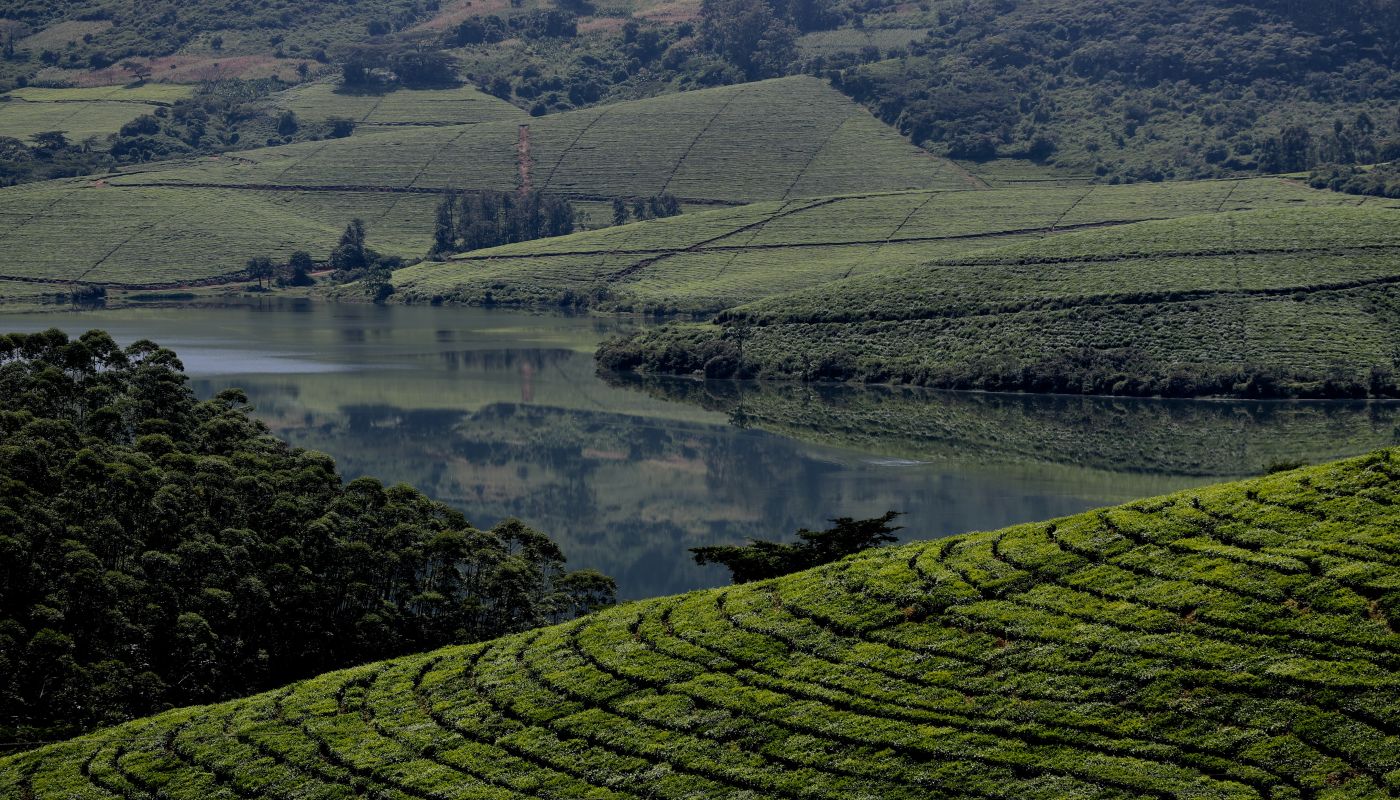
Landscape of Zimbabwe
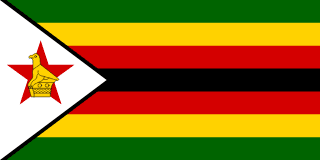
Flag of Zimbabwe

Zimbabwe

Africa

Formerly the British colonial state of Rhodesia, Zimbabwe has faced many challenges since the birth of the modern state in 1980. Long time ruler Robert Mugabe has rigged elections, run the government inefficiently, severely damaged the economy, and overseen many land distributions that led to forced evictions and emigration.1 This authoritarian rule has caused extreme poverty and crippling unemployment. HIV/AIDS continues to cause health concerns and leave thousands of children as orphans each year. Zimbabwe also has a very diverse environment with some of the largest elephant and lion populations in the world.1 1 https://www.cia.gov/library/publications/the-world-factbook/geos/zi.html

What would you like to learn about in Zimbabwe?

Select a section to explore the country where nonprofits are creating positive change.

About Zimbabwe

The UK annexed Southern Rhodesia from the [British] South Africa Company in 1923. A 1961 constitution was formulated that favored whites in power. In 1965 the government unilaterally declared its independence, but the UK did not recognize the act and demanded more complete voting rights for the black African majority in the country (then called Rhodesia). UN sanctions and a guerrilla uprising finally led to free elections in 1979 and independence (as Zimbabwe) in 1980. Robert MUGABE, the nation's first prime minister, has been the country's only ruler (as president since 1987) and has dominated the country's political system since independence. His chaotic land redistribution campaign, which began in 2000, caused an exodus of white farmers, crippled the economy, and ushered in widespread shortages of basic commodities. Ignoring international condemnation, MUGABE rigged the 2002 presidential election to ensure his reelection. In April 2005, the capital city of Harare embarked on Operation Restore Order, ostensibly an urban rationalization program, which resulted in the destruction of the homes or businesses of 700,000 mostly poor supporters of the opposition. President MUGABE in June 2007 instituted price controls on all basic commodities causing panic buying and leaving store shelves empty for months. General elections held in March 2008 contained irregularities but still amounted to a censure of the ZANU-PF-led government with the opposition winning a majority of seats in parliament. MDC opposition leader Morgan TSVANGIRAI won the most votes in the presidential polls, but not enough to win outright. In the lead up to a run-off election in late June 2008, considerable violence enacted against opposition party members led to the withdrawal of TSVANGIRAI from the ballot. Extensive evidence of violence and intimidation resulted in international condemnation of the process. Difficult negotiations over a power-sharing government, in which MUGABE remained president and TSVANGIRAI became prime minister, were finally settled in February 2009, although the leaders failed to agree upon many key outstanding governmental issues. MUGABE was reelected president in June 2013 in balloting that was severely flawed and internationally condemned.

Quick Facts

Population
13,182,908 (July 2013 est.)
Area
390,757 sq km
ISO Code
ZW
Continent
Africa
Government
parliamentary democracy
Active Causes
12
View all countries in Africa

Geography & Environment

Climate

tropical; moderated by altitude; rainy season (November to March)

Terrain

mostly high plateau with higher central plateau (high veld); mountains in east

Natural Resources

coal, chromium ore, asbestos, gold, nickel, copper, iron ore, vanadium, lithium, tin, platinum group metals

Environmental Issues

deforestation; soil erosion; land degradation; air and water pollution; the black rhinoceros herd - once the largest concentration of the species in the world - has been significantly reduced by poach...

People & Society

53.86 years
Avg. Life Expectancy
83.6%
Literacy Rate
38.6% of total population (2011)
Total Urban Population

Languages

English (official), Shona, Sindebele (the language of the Ndebele, sometimes called Ndebele), numerous but minor tribal dialects

Religions

syncretic (part Christian, part indigenous beliefs) 50%, Christian 25%, indigenous beliefs 24%, Muslim and other 1%

Education Expenditure

2.5% of GDP (2011) of GDP

Economy

$600
GDP per Capita (PPP)
95%
Unemployment Rate
68% (2004)
Below Poverty Line

Economic Overview

Zimbabwe's economy is growing despite continuing political uncertainty. Following a decade of contraction from 1998 to 2008, Zimbabwe's economy recorded real growth of more than 9% per year in 2010-11, before slowing to 5% in 2012, due in part to a poor harvest and low diamond revenues. However, the government of Zimbabwe still faces a number of difficult economic problems, including infrastructure and regulatory deficiencies, ongoing indigenization pressure, policy uncertainty, a large external debt burden, and insufficient formal employment. Zimbabwe''s 1998-2002 involvement in the war in th...

Causes in Zimbabwe

Environment

Due to deforestation and mismanagement of land, Zimbabwe no longer has any remaining primary forests; this is largely due to deforestation rates increasing every year for decades.1 This is also combined with overgrazing, irresponsible agricultural practices, and erosion to cause the natural environment to deteriorate.1 The Zimbabwean government has implemented environmental protection policies, but these do not focus on the large scale problems.2

Family

Men are typically considered to be the head of the family in Zimbabwean culture and women are confined to the domestic sphere. The average family is large, with 5 or more children.1 Domestic violence and violence against women and children is prevalent, and it is suspected that about half of all women are subject to gender based violence at home.2

Human Rights

Zimbabwe faces substantial human rights concerns in the forms of political repression, gender based violence, and abuse of government power. 1 Unjust detention, forced evictions, and hostility towards LGBTQ groups are prevalent.1 There are many cases of gender based violence and discrimination. For example, widows do not receive the same rights as their male counterparts and are often not given fair treatment in divorce and child custody cases.2

Education

Educational reforms have improved the literacy rate in Zimbabwe to 88%, the highest in Sub-Saharan Africa.1 Despite this, schools and universities have been forced to close as the weak economy and government structures have not supported infrastructure improvements or teachers’ salaries.2 There are marked and severe discrepancies between the literacy and education levels of students who live in urban regions and those that reside in rural areas.2

Poverty

Approximately 60% of the population lives in poverty.1 Rates in rural areas are even higher, and 93% of this population lives on less than one dollar a day.1 Drought and economic barriers have prevented business from growing, and many have left the country in search of work and better opportunities.2

Religion

Christianity is the most prevalent religion in Zimbabwe with 86% of the population identifying as protestant and 7% following Catholicism.1 Although most of the nation identifies as Christian, most Zimbabweans practice their traditional indigenous beliefs alongside their Christian traditions.2 The constitution and legal framework of Zimbabwe supports religious freedom and this is generally enforced by both the government and society. Reports of religious conflict or discrimination are very rare.3

Clean Water

73% of citizens in Zimbabwe have access to clean water, but there is a high discrepancy in water and sanitation access between regions with many more people in rural areas lacking these services.1 There has been little change in access to clean water in over a decade. 60% of the rural water supply infrastructure is severely damaged, and 40% of the rural population has no access to a toilet or working sanitation infrastructure.1

Economy

Over the last 20 years, the Zimbabwean economy has been volatile and relied on agriculture and mining exports.1 Since the central bank began printing too much money causing inflation, strong forms of foreign currency became legal methods of payment in order to stabilize the economy.1 Although unknown, the unemployment rate is estimated to be at 9%, but in addition to this, 80% of Zimbabweans are underemployed to the extent that they live in poverty. Government interference, mismanagement, and massive debts make it difficult for regular citizens to improve their economic situation.2

Government

Corruption in Zimbabwe runs deep within every level of government. There are also many restrictions on democratic processes, and bribes are common amongst lawmakers. A study found that in 2015, 77% of Zimbabweans thought their nation was becoming increasingly corrupt.1 There are high levels of voter fraud, and tax levels are extremely high but fail to provide basic services to citizens.2

Health

One of the largest health concerns facing health in Zimbabwe is the high prevalence of AIDS. Approximately 14 million people, which is 15% of the population, suffer from HIV/AIDS.1 Due to social stigmas and local laws, AIDS is commonly transmitted through unprotected sexual intercourse.1 Although the government has promised free medical services for all citizens, understaffing, inadequate facilities, and resource shortages undermine the existing healthcare institutions.2 HIV/AIDS, respiratory issues, and birth complications are the most common causes of death, and the life expectancy is only 58, one of the lowest in the world.3

Children

Two of the greatest threats to children in Zimbabwe are forms of abuse and HIV/AIDS. 1 Around 180,000 children are infected with AIDS, and another 500,000 have been left orphans because of their parents dying from the disease.1 The prevalence of AIDS in society and high rates of poverty impact children directly and indirectly through malnutrition, limited opportunity for upward mobility, and health concerns.1 1.6 million children are involved in child labor, and typically, these working conditions are harsh in exchange for unfair wages.2

Animals

Home to 350 different species of mammals and over 500 bird species, Zimbabwe boasts a diverse array of wildlife typical of other south African countries. Because of periodic droughts and food scarcity, many animals in the country have difficulty finding sufficient food and water supplies.1 In 2016, some of the national parks sold off their animals to other nations or preserves in order to relieve pressure to keep all of the animals healthy. Zimbabwe is home to the most densely populated area of elephants on the planet.2

Nonprofits Working in Zimbabwe

Discover organizations making a difference in Zimbabwe

Rising International

Rising International

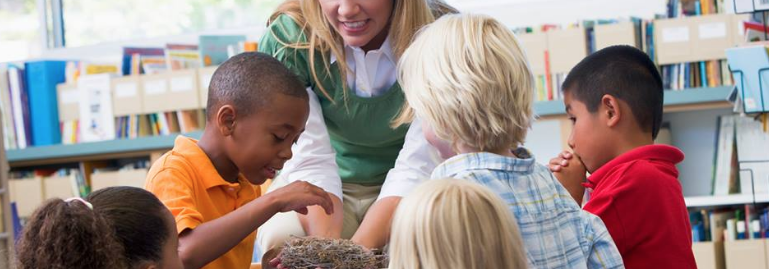
Our Unique Local-Global Solution Rising International is a nonprofit organization that has revolutionized the home party business model to alleviate poverty locally and globally. Think Avon or Tupperware for a social cause. We find the world’s most forgotten women (like Fatima) and enable them to change their destinies by selling their handmade crafts at Rising Home and Corporate Parties. We train women and teens, many un-employed or under- employed, (like Susana) to run their own Rising Home Party businesses and sell crafts made by their global sisters. We search the U.S. for party hosts (like Nancy) who invite friends to their homes to shop. Our sustainable model empowers both local and global entrepreneurs to rise above their circumstances.

Santa Cruz, California
GUTTMACHER INSTITUTE INC

GUTTMACHER INSTITUTE INC

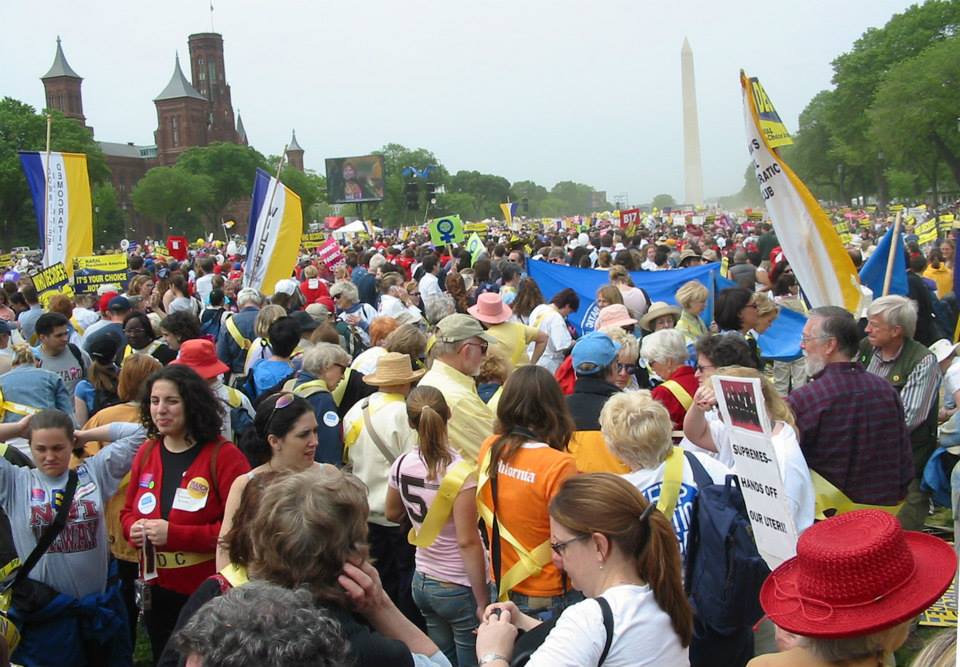
Now in its fifth decade, the Guttmacher Institute remains committed to the mission and goals that led to its creation. The Guttmacher Institute was founded in 1968 as the Center for Family Planning Program Development. At the time, Presidents John F. Kennedy, Lyndon Johnson and Richard Nixon had begun to call the public's attention to the problem of unplanned and unwanted childbearing and its consequences for individual women and men, their children and their communities both at home and abroad. Concurrently, the United States Congress was taking its first steps toward the development of an international population assistance program, as well as a multifaceted, national program aimed at providing equitable access to modern methods of birth control in the United States. By integrating nonpartisan social science research, policy analysis and public education, the Center hoped to provide a factual basis for the development of sound governmental policies and for public consideration of the sensitive issues involved in the promotion of reproductive health and rights. This purpose and commitment continue today. The Center was originally housed within the corporate structure of Planned Parenthood Federation of America (PPFA). Its program, however, was independently developed and overseen by a National Advisory Council separate from the PPFA Board of Directors. Its early development was nurtured by Alan F. Guttmacher, an eminent obstetrician-gynecologist, teacher and writer who was PPFA's president for more than a decade until his death in 1974. The Center was renamed in Dr. Guttmacher's memory, and the Guttmacher Institute incorporated as an entirely independent nonprofit policy research institute with its own Board in 1977. The Guttmacher Institute maintains offices in New York and Washington. Its current staff of 81 comprises demographers, social scientists, public policy analysts, editors, writers, communications specialists, and financial and technical personnel. A few of its employees have been with the organization for most of its existence, and an affiliation that goes back 10 or 15 years is not unusual. The Institute's work is guided by a 39-member board made up of eminent professionals from a rich variety of disciplines, as well as civic leaders from across the United States and around the world. The Guttmacher Institute's annual budget of approximately $17 million is derived largely from private foundations, government agencies, multilateral organizations and individual contributions.

New York, New York

Make Your Impact Today

Discover causes you care about and support the nonprofits making a difference in communities around the world.

Are you a nonprofit? Join Project World Impact for free

Join Us Free