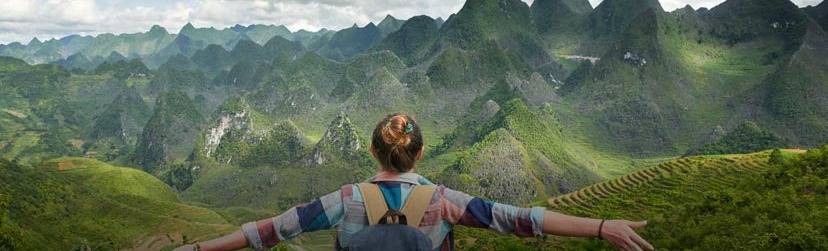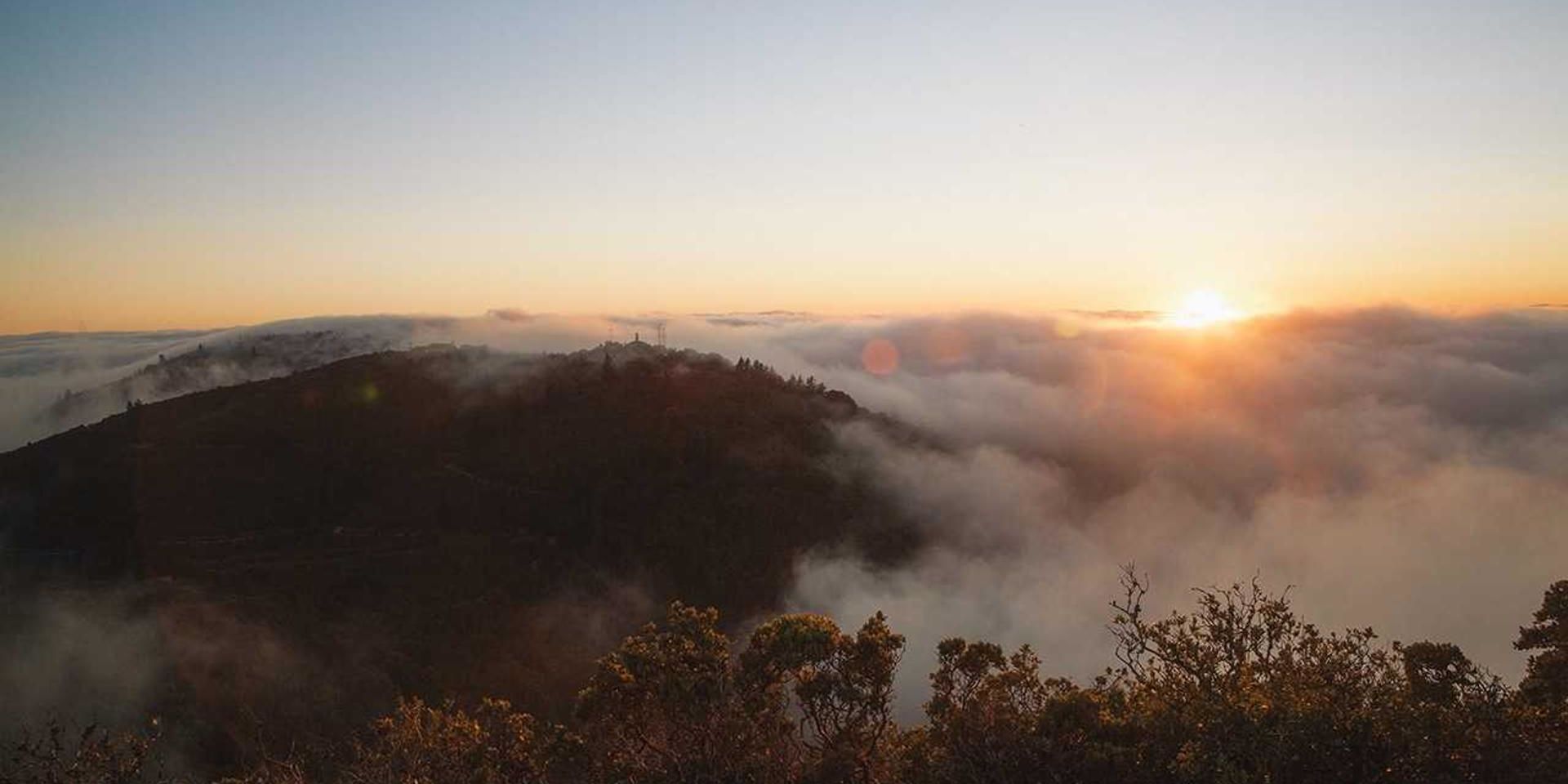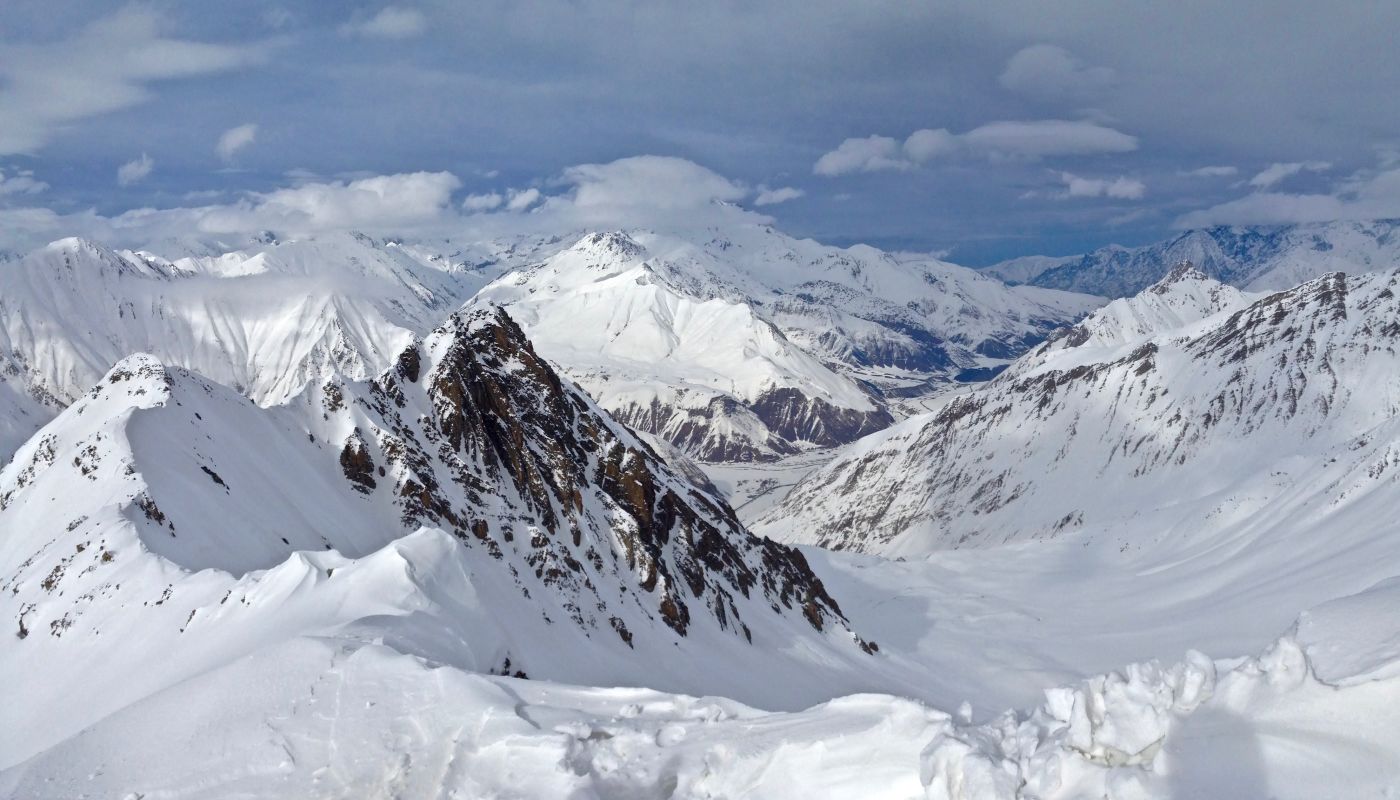
Landscape of Georgia
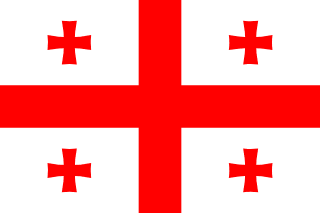
Flag of Georgia

Georgia

Europe

After gaining independence from the Soviet Union in 1991, the relations between Georgia and Russia have been tense, with various land disputes often breaking out along their shared border. The country has rejected the regime structure of the old communist era, and the government has publicly stated that their goal is to one day join the EU and NATO. Major issues plaguing the Georgian people include pervasive unemployment and poverty, as well as increasing air pollution.1 1 https://www.cia.gov/library/publications/the-world-factbook/geos/gg.html

What would you like to learn about in Georgia?

Select a section to explore the country where nonprofits are creating positive change.

About Georgia

The region of present day Georgia contained the ancient kingdoms of Colchis and Kartli-Iberia. The area came under Roman influence in the first centuries A.D., and Christianity became the state religion in the 330s. Domination by Persians, Arabs, and Turks was followed by a Georgian golden age (11th-13th centuries) that was cut short by the Mongol invasion of 1236. Subsequently, the Ottoman and Persian empires competed for influence in the region. Georgia was absorbed into the Russian Empire in the 19th century. Independent for three years (1918-1921) following the Russian revolution, it was forcibly incorporated into the USSR in 1921 and regained its independence when the Soviet Union dissolved in 1991. Mounting public discontent over rampant corruption and ineffective government services, followed by an attempt by the incumbent Georgian Government to manipulate national legislative elections in November 2003 touched off widespread protests that led to the resignation of Eduard SHEVARDNADZE, president since 1995. In the aftermath of that popular movement, which became known as the "Rose Revolution," new elections in early 2004 swept Mikheil SAAKASHVILI into power along with his United National Movement (UNM) party. Progress on market reforms and democratization has been made in the years since independence, but this progress has been complicated by Russian assistance and support to the separatist regions of Abkhazia and South Ossetia. Periodic flare-ups in tension and violence culminated in a five-day conflict in August 2008 between Russia and Georgia, including the invasion of large portions of undisputed Georgian territory. Russian troops pledged to pull back from most occupied Georgian territory, but in late August 2008 Russia unilaterally recognized the independence of Abkhazia and South Ossetia, and Russian military forces remain in those regions. Billionaire philanthropist Bidzina IVANISHVILI's unexpected entry into politics in October 2011 brought the divided opposition together under his Georgian Dream coalition, which won a majority of seats in the October 2012 parliamentary election and removed UNM from power. A new constitution shifting many powers from the president to the prime minister and parliament, including the power to name the prime minister and government ministers, does not go into effect until after a new president is elected in the fall of 2013. Conceding defeat, SAAKASHVILI named IVANISHVILI as prime minister and allowed Georgian Dream to create a new government. Tensions remain high as IVANISHVILI, SAAKASHVILI, and their supporters struggle to co-exist until the end of the president's term.

Quick Facts

Population
4,555,911 (July 2013 est.)
Area
69,700 sq km
ISO Code
GE
Continent
Europe
Government
republic
Active Causes
12
View all countries in Europe

Geography & Environment

Climate

warm and pleasant; Mediterranean-like on Black Sea coast

Terrain

largely mountainous with Great Caucasus Mountains in the north and Lesser Caucasus Mountains in the south; Kolkhet'is Dablobi (Kolkhida Lowland) opens to the Black Sea in the west; Mtkvari River Basin...

Natural Resources

timber, hydropower, manganese deposits, iron ore, copper, minor coal and oil deposits; coastal climate and soils allow for important tea and citrus growth

Environmental Issues

air pollution, particularly in Rust'avi; heavy pollution of Mtkvari River and the Black Sea; inadequate supplies of potable water; soil pollution from toxic chemicals

People & Society

77.51 years
Avg. Life Expectancy
99.7%
Literacy Rate
52.8% of total population (2011)
Total Urban Population

Languages

Georgian (official) 71%, Russian 9%, Armenian 7%, Azeri 6%, other 7%

Religions

Orthodox Christian (official) 83.9%, Muslim 9.9%, Armenian-Gregorian 3.9%, Catholic 0.8%, other 0.8%, none 0.7% (2002 census)

Health Expenditure

10.1% of GDP (2010) of GDP

Education Expenditure

2.7% of GDP (2011) of GDP

Economy

$6,000
GDP per Capita (PPP)
15.1%
Unemployment Rate
9.2% (2010)
Below Poverty Line

Economic Overview

Georgia's main economic activities include the cultivation of agricultural products such as grapes, citrus fruits, and hazelnuts; mining of manganese, copper, and gold; and output of a small industrial sector producing alcoholic and nonalcoholic beverages, metals, machinery, and chemicals. The country imports nearly all its needed supplies of natural gas and oil products. It has sizeable hydropower capacity that now provides most of its energy needs. Georgia has overcome the chronic energy shortages and gas supply interruptions of the past by renovating hydropower plants and by increasingly re...

Causes in Georgia

Family

Ethnic minority women in Georgia are one of the most vulnerable social groups. Georgian culture is patriarchal, and this makes women very susceptible to domestic violence. Georgia’s two most prevalent minority groups are Azeri and Armenians; domestic violence has become endemic among these communities. Furthermore, early marriage and early childbirth are both common.1

Human Rights

Human rights abuses occurring in Georgia include abuse of those with disabilities, a corrupted judicial system, and violence perpetrated by the police forces. Many outside organizations question the independence of the judicial system; there is evidence that verdicts have been issued only after the judge was pressured by authorities to rule a certain way. Amnesty International reports suppression of freedom of expression and assembly by force, intimidation, or harassment.1 Other human rights abuses committed by the government include the slow investigations into incidents of torture and a lack of transparency shown by the judiciary and police forces.2

Education

Education in Georgia is compulsory between the ages of 6 and 14. There are alternative courses that allow students to follow vocationally-specific paths toward the end of their secondary education.1 Georgia has high primary enrollment rates - nearly 100% for the target age group.2 Despite facing challenges with reform and social difficulties with education, there is a very high literacy rate in Georgia, as 99% of all students over age 15 are literate.3

Poverty

Georgia has an official unemployment rate of 12%, and 9% of the population lives below the poverty line.1 These facts are highly disputed, as 68% of the population considered themselves unemployed according to the Borgen Project. The E.U. has lightened restrictions on visas for those seeking employment outside Georgia’s borders in an effort to minimize unemployment. Despite these relatively small advances, significant challenges remain regarding employment and low productivity rates.2

Religion

83% of the population is Orthodox Christian, 10.7% is Muslim, 2.9% is Armenian-Apostolic and less than 1% are Catholic.1 The Georgian Orthodox Church is the majority religion in the country and there have been reports of special treatment from the government. There is guaranteed freedom of religion in Georgia, but the school system has incomplete separation of church and state.2

Clean Water

100% of Georgia’s population has access to clean water, and 86% of the population has access to improved sanitation services.1 The country is very rich in water resources with over 43 water reservoirs, 26,000 rivers, and 860 lakes.2 One major source of water contamination is the lack of wastewater treatment plants and the dilapidated conditions of those in existence. Many of the pipes and involved infrastructure are leftover from the Soviet era.3

Economy

The majority of Georgia’s economy is based on mining and the export of agricultural products. The country has to import all of their supplies of natural gas and oil. The country’s location between Asia and Europe allows it to continue to be used as a key transportation point for gas, oil, and other products. Georgia is still struggling with consistency in the collection of necessary tax revenue and its 12% unemployment rate. The anti-corruption methods and regulations implemented by the government have been noted as highly effective by international organizations.1 More importantly, reforms to the economy include the liberalization of trade, privatization, and an updated regulatory environment. The economy has managed to keep a low inflation rate and this has contributed to the monetary stability.2

Government

The former Georgian Soviet Socialist Republic has operated as a semi-presidential republic since the dissolution of the Soviet Union in 1991.1 The government has a history of corruption and crime. The Georgian people have long been unhappy with their political leaders, and this has generally led to mass demonstrations.2 The Republic of Georgia is in need of institutional reforms to reduce the amount of corruption and render the judiciary independent from political influence.3 Transparency International ranks the country 44th out of 176 countries for overall corruption, and the Georgian public scores their government 57 out of a possible 100.4

Health

The largest contributor to poor health is poverty. Non-communicable diseases are the cause of 90% of all deaths, with cardiovascular diseases being the most common. Additionally, tobacco consumption has risen among children and adolescents. Due to the large amounts of drug trafficking between Asia and Europe, illegal drug use is rampant.1 Although the Republic of Georgia has an extremely low prevalence rate of HIV/AIDS, the numbers are rising with worsening drug trafficking and usage.3 The maternal mortality rate is 36 deaths for every 100,000 live births while the infant mortality rate is 15 deaths for every 1,000 live births. 21.7% of adults are obese, and only 1% of children are underweight.3

Children

14% of children in Georgia are married by the time they are 18.1 70% of those married at a young age are female. The most recent youth policy was enacted in 2014, and outlines support for the involvement of youth in social, political, and cultural spheres. Child labor is not quite as pervasive as it is in other former Soviet states, but it is estimated that 21% of children are involved in some form of child labor. The government has worked to reduce this number, as well as increasing access to education.2

Environment

One of the biggest threats to the environment in Georgia is pollution. A survey done by the International Energy Agency found that Georgia is the leading country for most deaths caused by pollution. The Agency tributes this to the large number of old and inefficient cars that are still on the road in the small country.1

Animals

The palearctic region that is made up of Georgia and parts of surrounding countries is home to 14 endangered mammals, 36 endangered species of birds, and 13 species of endangered amphibians and reptiles. Among these species are the Persian gazelle and the peregrine falcon. Although Georgia has set aside nature reserves, the farming practices of locals are a source of threat to wildlife. Another concern is the prevalence of poaching in the region.1

Nonprofits Working in Georgia

Discover organizations making a difference in Georgia

Make Your Impact Today

Discover causes you care about and support the nonprofits making a difference in communities around the world.

Are you a nonprofit? Join Project World Impact for free

Join Us Free