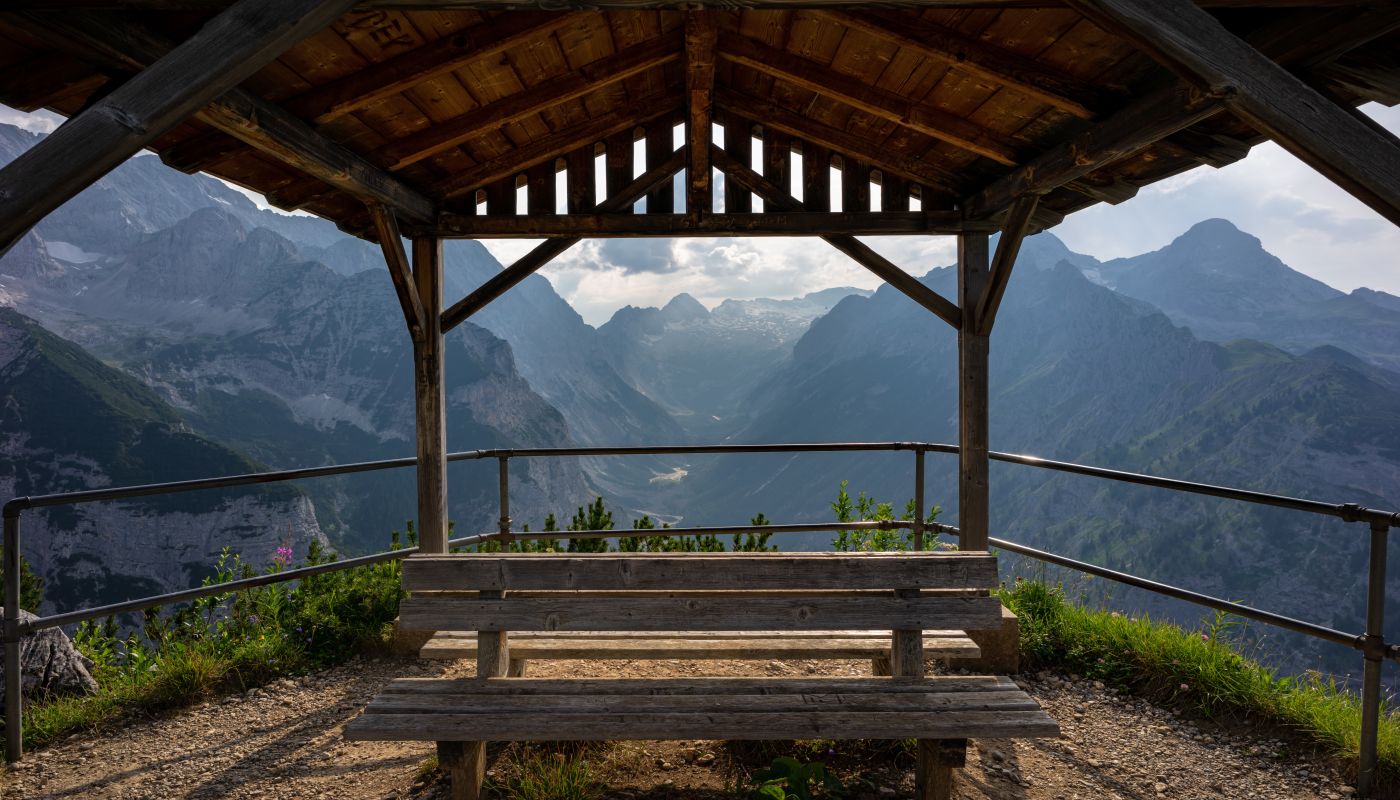
Landscape of Germany
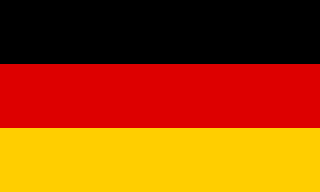
Flag of Germany

Germany

Europe

Germany has the fifth largest economy in the world — the largest in Europe — and is a major player in world trade.1 The government is a parliamentary republic, and is known for its incredible transparency;2 Germany is ranked 12th in the world for governmental transparency by Transparency International.3 The nation values renewable energy, and projections estimate that 35 percent of German energy production will be from renewable sources by 2020.4 Recently, approximately 9,000 refugees arriving through Italy and Greece were resettled in Germany, as well as almost 300 from Egypt and Lebanon and 2,700 from Syria arriving through Turkey.5 These asylum seekers and refugees often report complaints regarding the conditions in reception centers and restrictions on their mobility.6 With the arrival of refugees and asylum seekers from predominantly Muslim nations, tensions have surfaced between the Muslim and Jewish populations, sparking protest against division and mistreatment from both groups.7 1 https://www.cia.gov/library/publications/the-world-factbook/geos/gm.html 2 http://www.heritage.org/index/country/germany 3 https://www.transparency.org/news/feature/corruption_perceptions_index_2017 4 https://www.azocleantech.com/article.aspx?ArticleID=549 5 https://www.amnesty.org/en/countries/europe-and-central-asia/germany/report-germany/ 6 http://www.hrw.org/europecentral-asia/germany 7 https://www.theatlantic.com/international/archive/2018/04/germany-jews-muslim-migrants/558677/

What would you like to learn about in Germany?

Select a section to explore the country where nonprofits are creating positive change.

About Germany

As Europe's largest economy and second most populous nation (after Russia), Germany is a key member of the continent's economic, political, and defense organizations. European power struggles immersed Germany in two devastating World Wars in the first half of the 20th century and left the country occupied by the victorious Allied powers of the US, UK, France, and the Soviet Union in 1945. With the advent of the Cold War, two German states were formed in 1949: the western Federal Republic of Germany (FRG) and the eastern German Democratic Republic (GDR). The democratic FRG embedded itself in key Western economic and security organizations, the EC, which became the EU, and NATO, while the communist GDR was on the front line of the Soviet-led Warsaw Pact. The decline of the USSR and the end of the Cold War allowed for German unification in 1990. Since then, Germany has expended considerable funds to bring Eastern productivity and wages up to Western standards. In January 1999, Germany and 10 other EU countries introduced a common European exchange currency, the euro.

Quick Facts

Population
81,147,265 (July 2013 est.)
Area
357,022 sq km
ISO Code
DE
Continent
Europe
Government
federal republic
Active Causes
12
View all countries in Europe

Geography & Environment

Climate

temperate and marine; cool, cloudy, wet winters and summers; occasional warm mountain (foehn) wind

Terrain

lowlands in north, uplands in center, Bavarian Alps in south

Natural Resources

coal, lignite, natural gas, iron ore, copper, nickel, uranium, potash, salt, construction materials, timber, arable land

Environmental Issues

emissions from coal-burning utilities and industries contribute to air pollution; acid rain, resulting from sulfur dioxide emissions, is damaging forests; pollution in the Baltic Sea from raw sewage a...

People & Society

80.32 years
Avg. Life Expectancy
99%
Literacy Rate
74% of total population (2010)
Total Urban Population

Languages

German

Religions

Protestant 34%, Roman Catholic 34%, Muslim 3.7%, unaffiliated or other 28.3%

Health Expenditure

11.6% of GDP (2010) of GDP

Education Expenditure

5.1% of GDP (2009) of GDP

Economy

$39,700
GDP per Capita (PPP)
5.5%
Unemployment Rate
15.5% (2010 est.)
Below Poverty Line

Economic Overview

The German economy - the fifth largest economy in the world in PPP terms and Europe's largest - is a leading exporter of machinery, vehicles, chemicals, and household equipment and benefits from a highly skilled labor force. Like its Western European neighbors, Germany faces significant demographic challenges to sustained long-term growth. Low fertility rates and declining net immigration are increasing pressure on the country's social welfare system and necessitate structural reforms. Reforms launched by the government of Chancellor Gerhard SCHROEDER (1998-2005), deemed necessary to address c...

Causes in Germany

Environment

Due to the government’s staunch adherence to sustainable energy sources, the cost of electricity in Germany is high compared to that of other European countries.1 Studies predict that Germany’s renewable energy sources may account for 35 percent of all electricity production by 2020.2 Furthermore, the public is very against the construction of more landfills and incineration sites.3 As Germany is a heavily industrialized country, water and air pollution are a concern,4 and acid rain that fell several decades ago is still an issue for areas like the Kronau forest, where the government continues to send helicopters to dust the area with limestone in hopes of neutralizing the acidic soil.5

Poverty

There are approximately 14 million people out of the nearly 83 million people in Germany who are considered low income, living below the poverty line,1 comprising of 16.7 percent of the population.2 Even though the unemployment rate is low, at 3.8 percent, that has not automatically translated to a declining poverty level.3 In fact, the two are becoming more and more dissociated. Though the economy reflects growth, 15 percent of the population is below the poverty line.4

Religion

Approximately 40 percent of Germans consider themselves to be nonreligious.1 After the reunification of East and West Germany, the number of atheist citizens rose dramatically due to the fact that East Germany was a predominantly atheist state.2 The constitution of Germany mandates the freedom of faith and religion.3 There is no state church in Germany and no one may be discriminated against due to his or her religion.4 Just over 50 percent of Germans consider themselves Christians, 25 percent Protestant, 26 percent Catholic, with the rest of the population being Muslim (5 percent), Buddhist (1 percent) or Other (3 percent).

Clean Water

The German Association of Energy and Water Industries is responsible for the majority of water distribution in the nation, and is committed to sustainable energy sources. 1 The nation has a healthy, stable supply of groundwater2 In recent years, Germany has invested roughly $5.3 billion into their water management systems.3 Throughout the country, there are nearly 10,000 water treatment plants.4 Nearly all households and public establishments are connected to the public water supply, providing near-universal clean water access.5 Recently, Germany has seen a decrease in popular water consumption, a rate lower than that of many similar countries.6

Economy

Germany has the fifth largest economy in the world1 with a GDP purchasing power of $4 trillion, and GDP per capita of $50,200.2 The unemployment rate is low, sitting at 3.8 percent.3 With the largest economy in Europe, Germany is a major player in the European Union, especially in trade, and has invested significant resources in growing the economy of the entire region.4 The nation anticipates continued GDP growth through investment and trade.5

Government

Germany’s government is classified as a federal parliamentary republic, with its government offices based in Berlin and the Federal Chancellor and the Cabinet of Federal Ministers making up the primary governing body.1 Germany garners international praise for being a country with high government transparency and stringent anti-corruption laws.2 Transparency International, an international coalition against corruption, gives Germany a score of 81 in resisting systemic corruption, ranking them 12th out of 180 countries.3 Workers unions, business, religious and veterans groups are influential in policy making.4

Health

Germany has a universal health care system that provides coverage for children and adults alike.6 The government spends 4.9 percent of its GDP on healthcare annually.2 Cardiovascular disease remains the leading cause of death in the European Union,3 and currently in Germany, 78,000 people are living HIV positive.4 Though social stigmas are not what they once were, HIV positive Germans still face nominal discrimination.5 In the workplace, many are not able to admit that they have the disease for fear of the reaction.6

Children

German courts rigorously protect children by enforcing labor laws and condemning the sexual exploitation of children.1 Children are also protected under Title VIII of the Social Code.2 This code provides children social services, grants them the right to seek assistance in their own development and gives them the right to basic education.3 Foster parenting, day care centers and support payments are some of the programs that are implemented to support children and families.4 Germany falls fourth in the upper tier of first-world countries in the International Youth Foundation’s Youth Index, yet 31 percent of German young people use tobacco, far higher than the average rate in Europe, which is just 19 percent.4 Along with tobacco use, suicide rates are particularly high. Fifteen in every 100,000 German youth commit suicide each year.5

Family

On average, German women do not become mothers until they are 30 years old, and fathers are typically 35 before having their first child.1 Therefore, most German families are small, having one or two children.2 This leaves Germany with one of the oldest populations, just behind Japan, even though the birth rate is on the rise.3 Currently, German families do not have the right to homeschool their children.4 If a family fails to enroll their child in secondary education, the German government considers it to be endangering to the child.5 Children can be forcibly removed from the parents’ care if the courts see fit,6 even though Germany has previously supported strong human rights policies granting parents the right to raise their children as they see fit.7

Human Rights

As a member of the United Nations, Germany agrees to uphold clear, adamant human rights policy.1 Recently, approximately 9,000 refugees arriving through Italy and Greece were resettled in Germany, as well as almost 300 from Egypt and Lebanon and 2,700 from Syria arriving through Turkey.2 These asylum seekers and refugees often report complaints regarding the conditions in reception centers and restrictions on their mobility.3 With the arrival of refugees and asylum seekers from predominantly Muslim nations, tensions have surfaced between the Muslim and Jewish populations, sparking protest against division and mistreatment from both groups.4

Education

Germany is 22nd in spending on education, far lower than its neighboring European countries.1 The nation utilizes tracks and vocational schooling options for students beginning at age 15, requiring students to choose a career direction at a young age.2 In 2014, all German universities became tuition-free for students.3 There is additional assistance for those who cannot afford additional expenses such as housing.4 With the influx of refugees since 2015, German primary schools now have refugee students in their classrooms, creating a new need for language instruction.5 There are approximately 400,000 refugee children in Germany, and in Berlin alone 1,100 welcome classes are being held in the city’s schools to introduce refugees to the German language.6

Animals

As a member of the European Union, Germany has legislation protecting animals: the German Animal Welfare Act.1 The Animal Welfare Act upholds that animals are creatures, and therefore should not be mistreated or misused.2

Nonprofits Working in Germany

Discover organizations making a difference in Germany

Make Your Impact Today

Discover causes you care about and support the nonprofits making a difference in communities around the world.

Are you a nonprofit? Join Project World Impact for free

Join Us Free