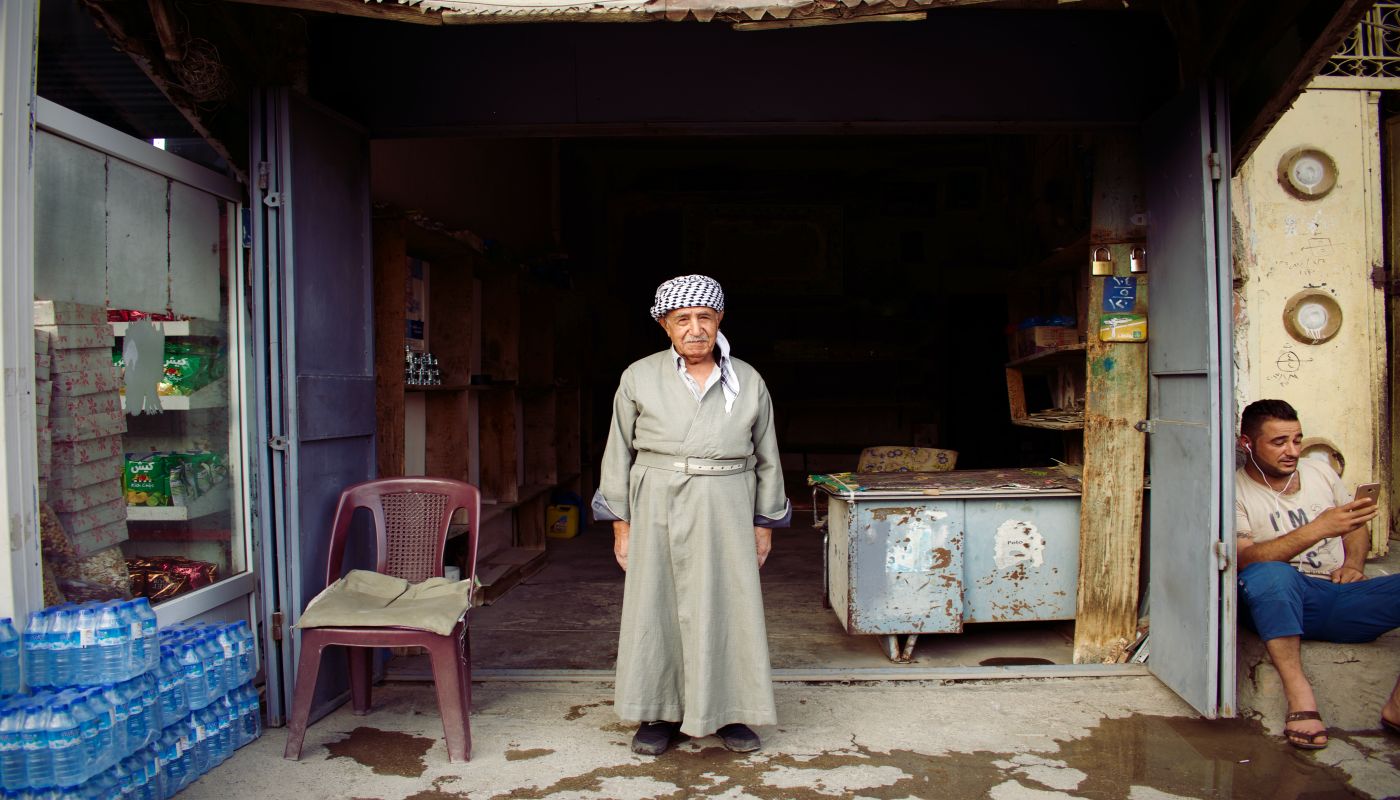
Landscape of Iraq
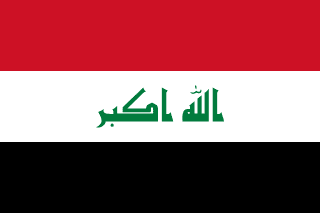
Flag of Iraq

Iraq

Asia

Once home to some of the earliest great civilizations, modern Iraq has faced severe political turmoil and violence, and this unrest became even greater after the US led-overthrow of longtime ruler, Saddam Hussein. Ruled by authoritarian regimes and involved in numerous wars, it has been difficult for the nation to thrive.1 The economy has failed to privatize and diversify, causing poverty and unemployment to remain high despite Iraq’s wealth of resources. The greatest threat to Iraqis’ well being is sectarian violence and terror groups who target civilians, schools, and any opposing ideologies.2 1 http://www.bbc.com/news/world-middle-east-14542954
1 https://www.cia.gov/library/publications/the-world-factbook/geos/iz.html

What would you like to learn about in Iraq?

Select a section to explore the country where nonprofits are creating positive change.

About Iraq

Formerly part of the Ottoman Empire, Iraq was occupied by Britain during the course of World War I; in 1920, it was declared a League of Nations mandate under UK administration. In stages over the next dozen years, Iraq attained its independence as a kingdom in 1932. A "republic" was proclaimed in 1958, but in actuality a series of strongmen ruled the country until 2003. The last was SADDAM Husayn. Territorial disputes with Iran led to an inconclusive and costly eight-year war (1980-88). In August 1990, Iraq seized Kuwait but was expelled by US-led, UN coalition forces during the Gulf War of January-February 1991. Following Kuwait's liberation, the UN Security Council (UNSC) required Iraq to scrap all weapons of mass destruction and long-range missiles and to allow UN verification inspections. Continued Iraqi noncompliance with UNSC resolutions over a period of 12 years led to the US-led invasion of Iraq in March 2003 and the ouster of the SADDAM Husayn regime. US forces remained in Iraq under a UNSC mandate through 2009 and under a bilateral security agreement thereafter, helping to provide security and to train and mentor Iraqi security forces. In October 2005, Iraqis approved a constitution in a national referendum and, pursuant to this document, elected a 275-member Council of Representatives (COR) in December 2005. The COR approved most cabinet ministers in May 2006, marking the transition to Iraq's first constitutional government in nearly a half century. In January 2009, Iraq held elections for provincial councils in all governorates except for the three governorates comprising the Kurdistan Regional Government and Kirkuk Governorate. Iraq held a national legislative election in March 2010 - choosing 325 legislators in an expanded COR - and, after nine months of deadlock the COR approved the new government in December 2010. Nearly nine years after the start of the Second Gulf War in Iraq, US military operations there ended in mid-December 2011.

Quick Facts

Population
31,858,481 (July 2013 est.)
Area
438,317 sq km
ISO Code
IQ
Continent
Asia
Government
parliamentary democracy
Active Causes
12
View all countries in Asia

Geography & Environment

Climate

mostly desert; mild to cool winters with dry, hot, cloudless summers; northern mountainous regions along Iranian and Turkish borders experience cold winters with occasionally heavy snows that melt in...

Terrain

mostly broad plains; reedy marshes along Iranian border in south with large flooded areas; mountains along borders with Iran and Turkey

Natural Resources

petroleum, natural gas, phosphates, sulfur

Environmental Issues

government water control projects have drained most of the inhabited marsh areas east of An Nasiriyah by drying up or diverting the feeder streams and rivers; a once sizable population of Marsh Arabs,...

People & Society

71.14 years
Avg. Life Expectancy
78.5%
Literacy Rate
66.5% of total population (2011)
Total Urban Population

Languages

Arabic (official), Kurdish (official), Turkmen (a Turkish dialect) and Assyrian (Neo-Aramaic) are official in areas where they constitute a majority o...

Religions

Muslim (official) 97% (Shia 60%-65%, Sunni 32%-37%), Christian or other 3%

Health Expenditure

8.4% of GDP (2010) of GDP

Education Expenditure

NA of GDP

Economy

$7,200
GDP per Capita (PPP)
16%
Unemployment Rate
25% (2008 est.)
Below Poverty Line

Economic Overview

An improving security environment and foreign investment are helping to spur economic activity, particularly in the energy, construction, and retail sectors. Broader economic development, long-term fiscal health, and sustained improvements in the overall standard of living still depend on the central government passing major policy reforms. Iraq's largely state-run economy is dominated by the oil sector, which provides more than 90% of government revenue and 80% of foreign exchange earnings. Iraq in 2012 boosted oil exports to a 30-year high of 2.6 million barrels per day, a significant increa...

Causes in Iraq

Environment

The last several years of war and economic pressures have caused considerable environmental concerns in Iraq. The country loses between 5 and 8% of its agriculture GDP to environmental degradation every year. In addition, drought and water shortages have forced residents to relocate.1 Even with internal turmoil, Iraq has made steps to protect its environment, and in 2013, the first national park was established.2

Human Rights

Iraq faces a number of serious human rights concerns including terrorism, persecution of minorities, and abuses of power by government and military authorities. Many abuses such as executions, beatings, corpse mutilation, and kidnappings are carried out by extremist groups. Iraqi prisons suffer from overcrowding and maltreatment of prisoners.1 Although freedom of religion, assembly, and speech are protected, many are targeted if they hold a minority or oppositional opinion, and most media outlets are controlled by political parties or the state.2 The judiciary is influenced by corruption and interest groups as opposed to acting independently.3

Education

In 2017, the UN estimated that 3.5 million children in Iraq attend school irregularly or not at all. Since the military defeat of the Islamic State, children have begun to attend school again, but many students are now years behind and left to learn in underfunded school systems. The poorly functioning government has not provided funds or means to rebuild schools and provide materials.1 There are social and religious barriers that make it difficult for girls to attend school in some areas, and most schools are segregated by gender. The overall literacy rate is 80%.2

Poverty

Although there are no recent or comprehensive statistics on poverty, it is estimated to be between 20 and 25% of people live in poverty. This estimate, however, does not account for the thousands who have become refugees or had their homes and livelihoods destroyed by the Islamic State terrorist organization.1

Religion

Iraq is a majority Muslim nation with Islam as its state religion. Shi’a Muslims are about 55% of the population and Sunnis are approximately 40%. In Islamic State ruled areas, minority religious groups like Yazidis and Christians have been targets of violence or forced to convert to Sunni Islam.1 Both of these groups have left the country in mass in recent years to escape persecution. Because Islam is the state religion of Iraq, it influences the legal system even though freedom of religion is permitted.2

Clean Water

Iraqi citizens face shortages of potable water and lack access to improved drinking sources because of violence that destroyed already poor water infrastructures. Many displaced persons have gotten sick from drinking unsafe water, and these people often rely on aid organizations for clean water.1 86% of the total population has access to improved drinking water and sanitation services, but this number does not reflect the recent destruction caused by insurgent groups.2

Economy

Iraq’s economy has been crippled by years of violence, corruption, sanctions, and a poorly functioning rule of law. The weak financial system has made it nearly impossible for the private sector to grow, and low worldwide oil prices have negatively impacted the state run oil sector.1 Oil accounts for 90% of the government’s revenue, but there are trade disagreements between the autonomous Kurdistan government in the north and the Iraqi government that cause the oil industry to run inefficiently. Iraq is slowly making progress towards stabilizing the economy, but major governmental reforms need to take place before diversification and foreign investment can take place.2 Because of instability and the thousands of displaced persons, unemployment is nearly impossible to measure.3

Government

Since becoming independent from the United Kingdom, Iraq has been plagued by political instability and violence. After the overthrow of longtime dictator Saddam Hussein in 2003, Iraq’s political system has undergone many reforms to make it more transparent and democratic. The northern Kurdish regions are administered by the Iraqi government but elect their own political leaders who in practice and operate independent from Iraq.1 Corruption, terrorism, and sectarian disagreements all cause the government to function poorly. The ideology and influence of the Islamic State terrorist group, although militarily defeated, still plagues Iraqi politics and social structure.2

Health

According to the Iraqi constitution, every citizen is entitled to healthcare. Despite this protection, the healthcare system is in disrepair and suffers from a lack of trained medical staff, underfunding, and poor hospital conditions.1 There are no options for private health insurance, so many people rely on aid organizations to help meet their medical needs. Over 90% of Iraqis are uninsured and do not have adequate access to medical treatment.2 The life expectancy is 70, and the top causes of death are heart disease and violent conflict.1

Children

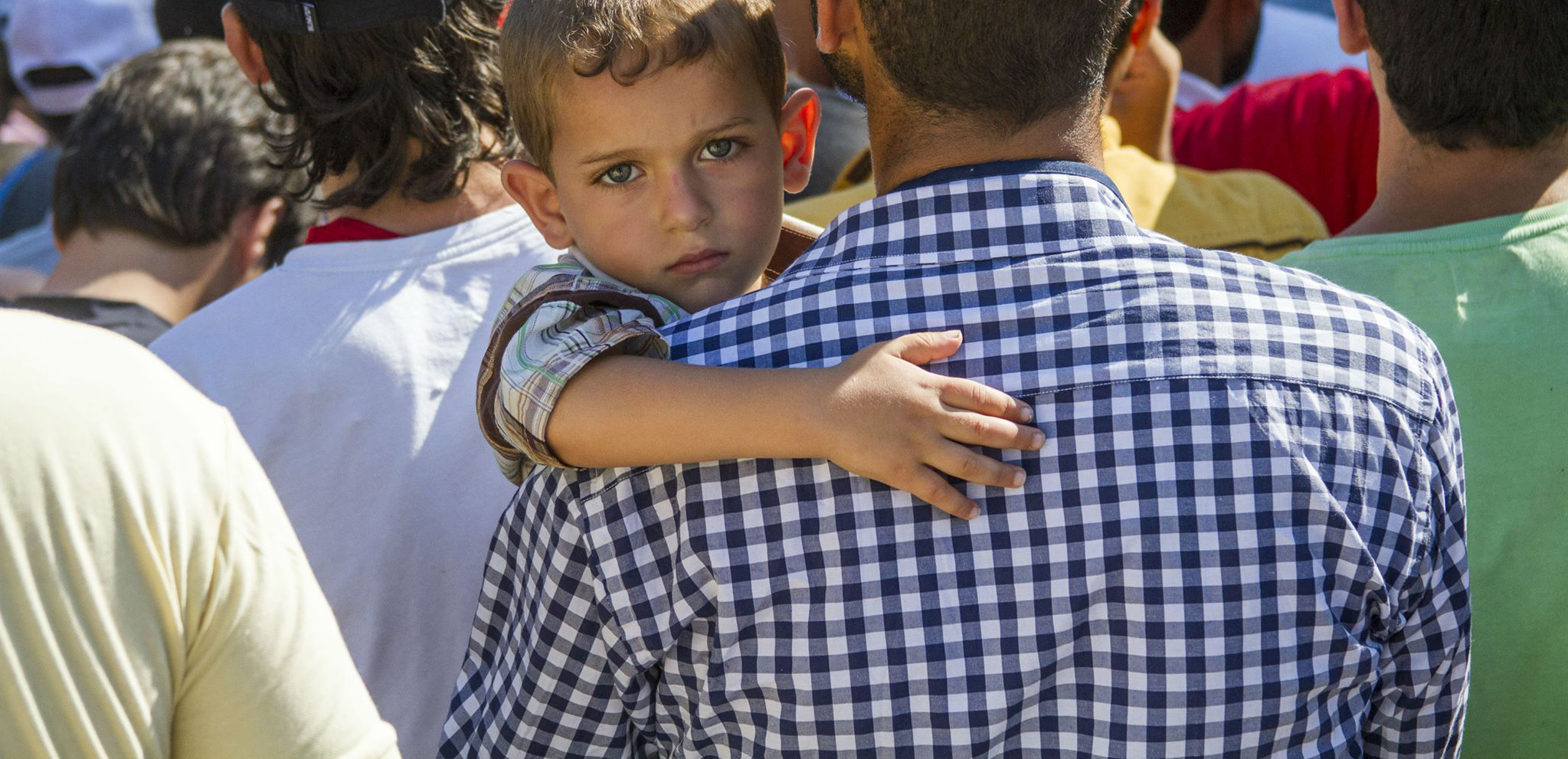
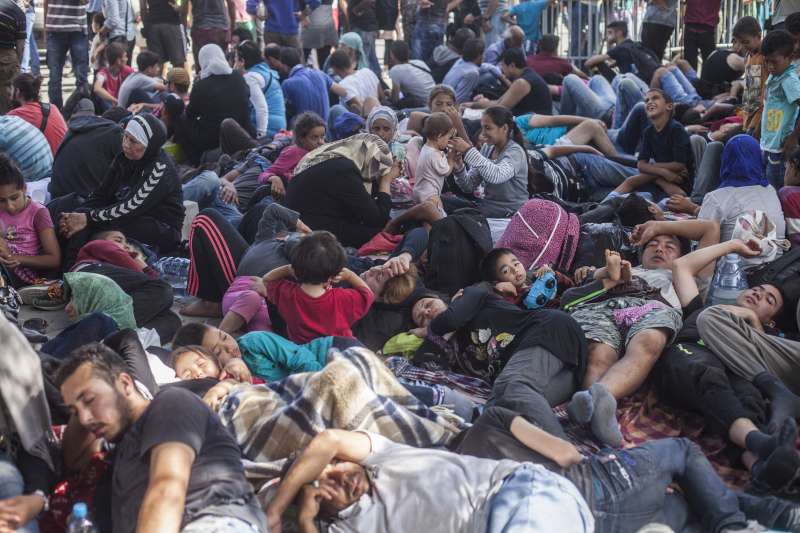
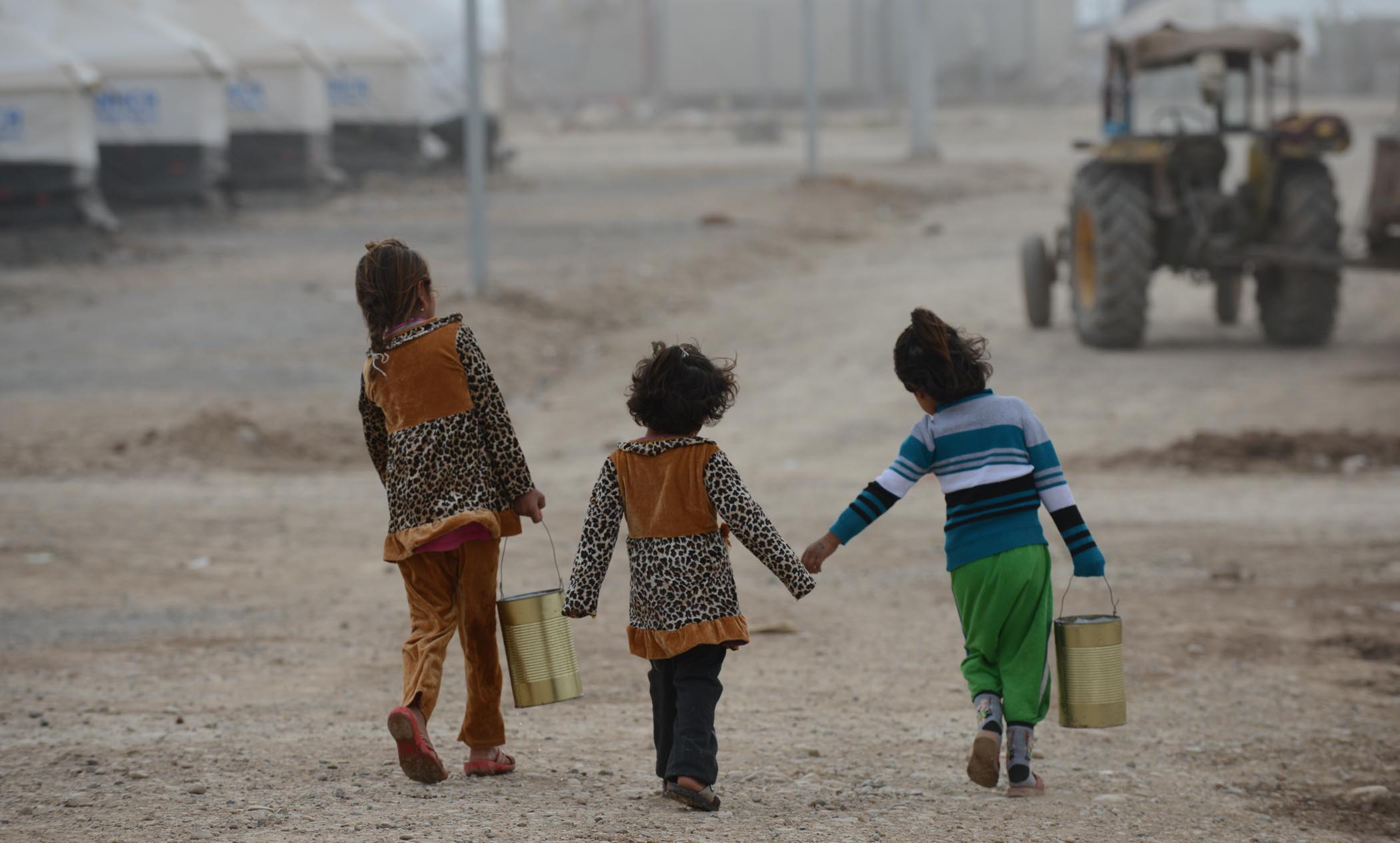
In 2017, there were over 1 million Iraqi children displaced because of violence, and many of these children are out of school and without adequate water, sanitation, and health services. The humanitarian crisis, political instability, and presence of terrorism have all contributed to the unsafe environment for children.1 Because of poverty and strict social and religious traditions, child marriage is common with over 20% of girls being married before age 18.2 In addition, children continue to suffer from the psychological trauma of war and conflict, and access to education and development opportunities have been constrained for years.3

Family

One of the largest problems facing Iraqi families is the prevalence of domestic abuse. 36% of Iraqi women experience psychological abuse from their husbands, and one in five women will experience physical domestic abuse in their lifetime. The Iraqi government passed a law criminalizing domestic abuse in 2015, but the law fails to outline penalties and is lenient on honor killing cases.1 Although it is traditionally a patriarchal society with large families, Iraqi women have taken on provider and protector roles more because of violent instability.2

Animals

Birds are the most common animal found in Iraq. Desert gazelle, pigs, wildcats, and foxes are found across the country, and in the northern mountain regions, badgers and otters roam the countryside.1 Decades of violence has destroyed these animals’ habitats and depleted many of their populations.2

Nonprofits Working in Iraq

Discover organizations making a difference in Iraq

Make Your Impact Today

Discover causes you care about and support the nonprofits making a difference in communities around the world.

Are you a nonprofit? Join Project World Impact for free

Join Us Free