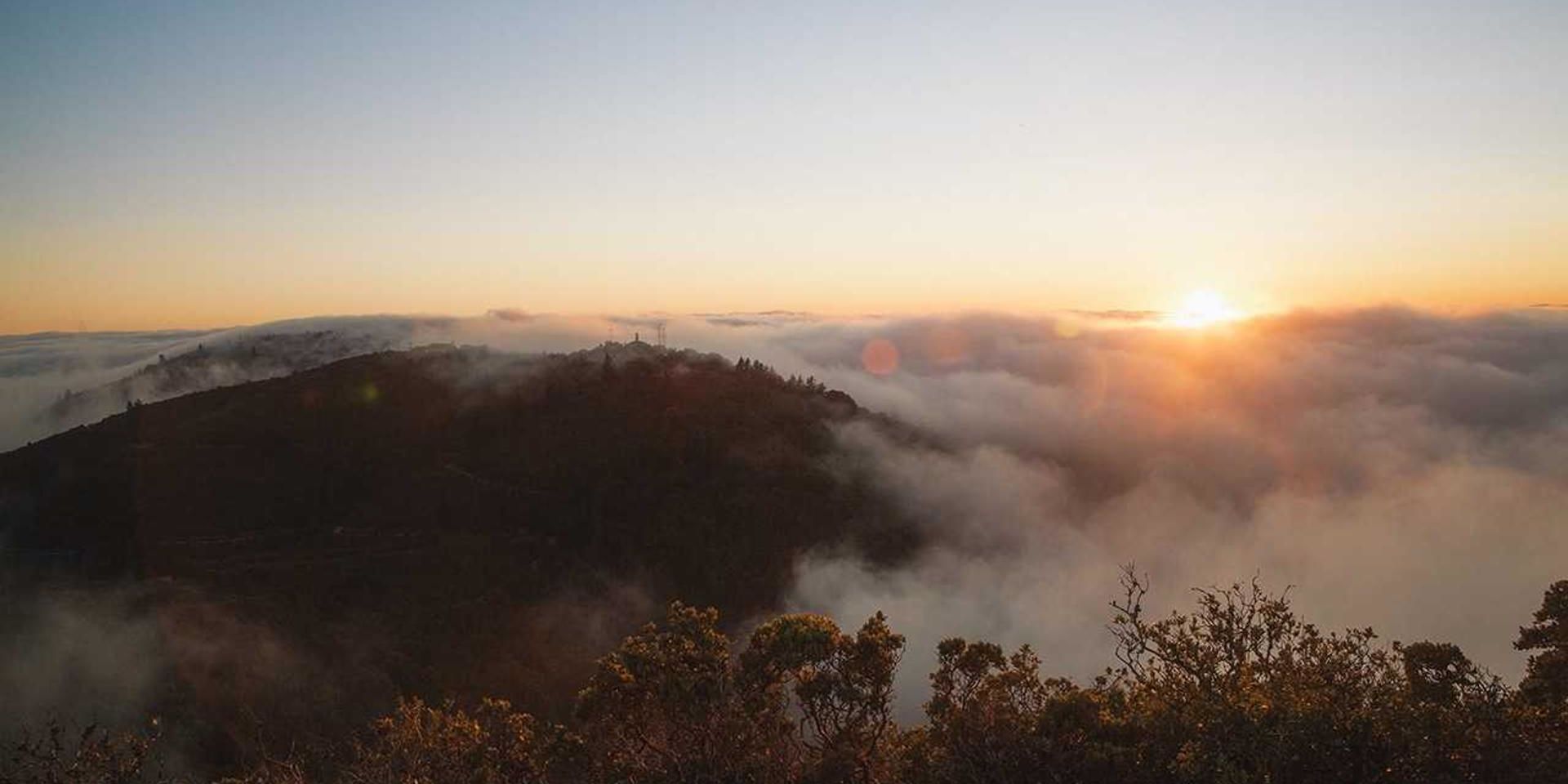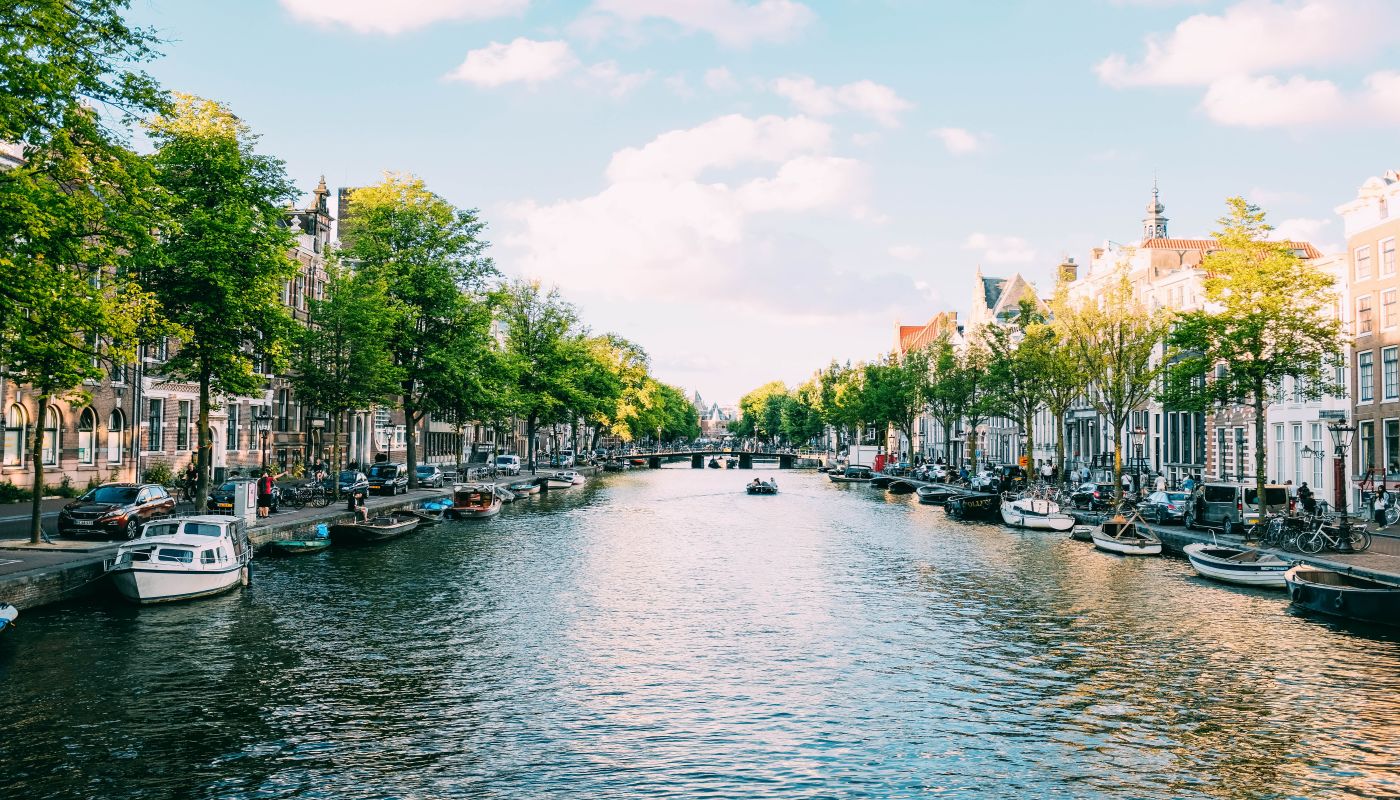
Landscape of Netherlands
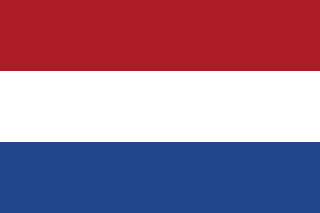
Flag of Netherlands

Netherlands

Europe

The Netherlands has been a sovereign nation for centuries, and it is one of the world’s leading agricultural exporters. The country is one of the most densely populated countries in the world, and the population is rapidly aging.1 The Netherlands has been a leading European country for years; they remained neutral in the world wars and were a founding member of the European Union and Eurozone.2 1 https://www.britannica.com/place/Netherlands#toc409956main 2 https://www.cia.gov/library/publications/the-world-factbook/geos/nl.html

What would you like to learn about in Netherlands?

Select a section to explore the country where nonprofits are creating positive change.

About Netherlands

The Dutch United Provinces declared their independence from Spain in 1579; during the 17th century, they became a leading seafaring and commercial power, with settlements and colonies around the world. After a 20-year French occupation, a Kingdom of the Netherlands was formed in 1815. In 1830 Belgium seceded and formed a separate kingdom. The Netherlands remained neutral in World War I, but suffered invasion and occupation by Germany in World War II. A modern, industrialized nation, the Netherlands is also a large exporter of agricultural products. The country was a founding member of NATO and the EEC (now the EU) and participated in the introduction of the euro in 1999. In October 2010, the former Netherlands Antilles was dissolved and the three smallest islands - Bonaire, Sint Eustatius, and Saba - became special municipalities in the Netherlands administrative structure. The larger islands of Sint Maarten and Curacao joined the Netherlands and Aruba as constituent countries forming the Kingdom of the Netherlands.

Quick Facts

Population
16,805,037 (July 2013 est.)
Area
41,543 sq km
ISO Code
NL
Continent
Europe
Government
constitutional monarchy
Active Causes
12
View all countries in Europe

Geography & Environment

Climate

temperate; marine; cool summers and mild winters

Terrain

mostly coastal lowland and reclaimed land (polders); some hills in southeast

Natural Resources

natural gas, petroleum, peat, limestone, salt, sand and gravel, arable land

Environmental Issues

water pollution in the form of heavy metals, organic compounds, and nutrients such as nitrates and phosphates; air pollution from vehicles and refining activities; acid rain

People & Society

81.01 years
Avg. Life Expectancy
99%
Literacy Rate
83% of total population (2010)
Total Urban Population

Languages

Dutch (official), Frisian (official)

Religions

Roman Catholic 30%, Protestant 20% (Dutch Reformed 11%, Calvinist 6%, other Protestant 3%), Muslim 5.8%, other 2.2%, none 42% (2006)

Health Expenditure

11.9% of GDP (2010) of GDP

Education Expenditure

5.9% of GDP (2009) of GDP

Economy

$42,900
GDP per Capita (PPP)
5.3%
Unemployment Rate
10.5% (2005)
Below Poverty Line

Economic Overview

The Dutch economy is the sixth-largest economy in the euro-zone and is noted for its stable industrial relations, moderate unemployment and inflation, a sizable trade surplus, and an important role as a European transportation hub. Industrial activity is predominantly in food processing, chemicals, petroleum refining, and electrical machinery. A highly mechanized agricultural sector employs only 2% of the labor force but provides large surpluses for the food-processing industry and for exports. The Netherlands, along with 11 of its EU partners, began circulating the euro currency on 1 January...

Causes in Netherlands

Environment

In the Netherlands, the government has created a very successful environmental policy that has helped curb pollution in rivers and lakes, decrease carbon emissions, and clean contaminated soil. As of 2017, the government has yet to implement reforms to improve overall air quality, preventing the negative effects of climate change and combating the depletion of the nation’s biodiversity.1

Human Rights

The most concerning human rights abuses in the Netherlands stem from policies that make it difficult to obtain asylum or legally immigrate. Immigrants are frequently detained for long periods of time, even minors, and are held in poor conditions.1 The rights of citizens in Netherlands are generally well provided for and protected under national legislation as well as through international treaties and agreements.2

Education

At the core of the Dutch constitution is the institution of public education. All schools are funded equally, so long as they meet all state regulations and guidelines. There are a plethora of school choices - public, private, religious, and those focused on specific subjects.1 The Netherlands’ primary school enrollment rate is at 98%.2

Poverty

One in seven people in the Netherlands live in poverty.1 3.3% of households are living in long-term poverty conditions. Many of these people are from non-western backgrounds or are elderly. However, even with these high numbers, the wealth gap between the rich and the poor is becoming smaller.2

Religion

The Netherlands has become increasingly more secular, and the total amount of church membership has declined significantly in the past few decades. Only 25% of the population are Christian, 5% are Muslim, and 2% identify with another religious group. The remaining nearly two-thirds identify as atheists or agnostic.1

Clean Water

100% of the population in the Netherlands has regular access to clean water.1 Due to the country’s high population density, strict water regulations are necessary to ensure that all citizens receive access. They have rapidly advanced their technology in order to reduce water pipe leakage to 3-5%, while the European average is 10%. Dutch water companies have become very innovative in order to purify dirty water and minimize their overall usage.2

Economy

Even though the Netherlands is geographically small, the country’s economy and GDP are comparatively large. The economy is the 16th largest in the world and the 6th largest in Europe.1 There are many regulatory systems for entrepreneurial activity, and public spending and taxes are very high.2 In order to boost the economy after the financial recession, the government accelerated the formation of infrastructure improvement programs and corporate tax breaks for certain companies.3

Government

The Netherlands is a parliamentary monarchy with the King serving as the chief of state and the prime minister serving as the head of government. The government helps to regulate the environment, control the economy, and manage the value of the currency.1 In the Netherlands’ highly regulated society, the government plays a strong role in international commerce and has developed effective anti-corruption legislation.2 These measures are strictly enforced and the integrity of the government is highly prized. Because of this, the Netherlands has low levels of government corruption.3

Health

In the Netherlands, it is mandatory to have health insurance, and there are programs in place to help the ill and handicapped become self-sufficient while receiving care. Most of the diseases in the Netherlands are infectious diseases, and the rate of sexually transmitted infections is high. There are many programs aimed specifically at young people to help reduce the total amount of STIs, and high-risk individuals are regularly tested.1 All children are also vaccinated through a nationwide vaccination program, and the life expectancy is 81 years.2 While healthcare does not present substantial costs to consumers, the costs of healthcare are steadily rising for the government and quality staff are becoming more difficult to obtain.1

Children

The Netherlands is one of the most child protective countries in the world, and its children are consistently ranked happiest in the world by the UN. Children are given many freedoms, and the culture of the Netherlands is conducive to this.1 However, because of the recent influx of immigrants, there is a large number of children who do not have access to the same social services as their Dutch peers.2

Animals

The Netherlands is home to many small mammals and coastal birds. However, because of urbanization and industrialization, many freshwater sources have become nutrient deficient which has diminished the native animal populations.1

Nonprofits Working in Netherlands

Discover organizations making a difference in Netherlands

Make Your Impact Today

Discover causes you care about and support the nonprofits making a difference in communities around the world.

Are you a nonprofit? Join Project World Impact for free

Join Us Free