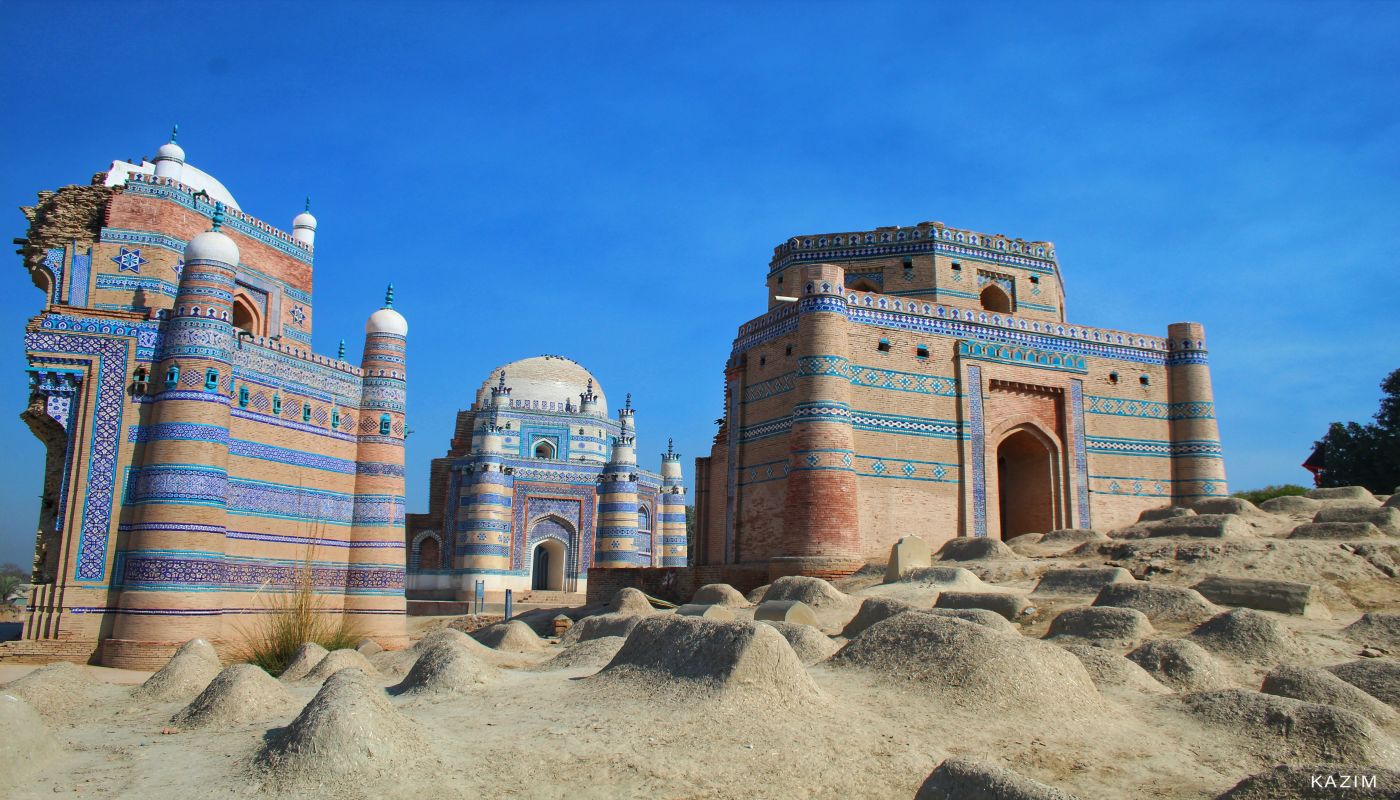
Landscape of Pakistan
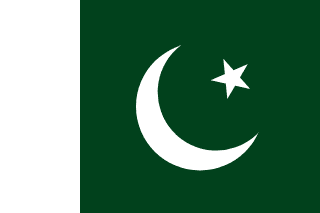
Flag of Pakistan

Pakistan

Asia

Since gaining independence in 1947, Pakistan has struggled with political stability and developing its infrastructure and economy. Ethnic, religious, and territorial disagreements have exacerbated tensions in the country, and numerous militant groups such as al-Qaeda and the Taliban have large followings in Pakistan.1 Continued violence and the lack of economic opportunity contribute to nearly 40% of Pakistanis living in multidimensional poverty, and there is a significant number of the population that does not have access to clean water or education.2 1 https://www.britannica.com/place/Pakistan
2 https://www.cia.gov/library/publications/the-world-factbook/geos/pk.html

What would you like to learn about in Pakistan?

Select a section to explore the country where nonprofits are creating positive change.

About Pakistan

The Indus Valley civilization, one of the oldest in the world and dating back at least 5,000 years, spread over much of what is presently Pakistan. During the second millennium B.C., remnants of this culture fused with the migrating Indo-Aryan peoples. The area underwent successive invasions in subsequent centuries from the Persians, Greeks, Scythians, Arabs (who brought Islam), Afghans, and Turks. The Mughal Empire flourished in the 16th and 17th centuries; the British came to dominate the region in the 18th century. The separation in 1947 of British India into the Muslim state of Pakistan (with West and East sections) and largely Hindu India was never satisfactorily resolved, and India and Pakistan fought two wars - in 1947-48 and 1965 - over the disputed Kashmir territory. A third war between these countries in 1971 - in which India capitalized on Islamabad's marginalization of Bengalis in Pakistani politics - resulted in East Pakistan becoming the separate nation of Bangladesh. In response to Indian nuclear weapons testing, Pakistan conducted its own tests in 1998. India-Pakistan relations have been rocky since the November 2008 Mumbai attacks, but both countries are taking small steps to put relations back on track. In February 2008, Pakistan held parliamentary elections and in September 2008, after the resignation of former President MUSHARRAF, elected Asif Ali ZARDARI to the presidency. Pakistani government and military leaders are struggling to control domestic insurgents, many of whom are located in the tribal areas adjacent to the border with Afghanistan. In January 2012, Pakistan assumed a nonpermanent seat on the UN Security Council for the 2012-13 term.

Quick Facts

Population
193,238,868 (July 2013 est.)
Area
796,095 sq km
ISO Code
PK
Continent
Asia
Government
federal republic
Active Causes
12
View all countries in Asia

Geography & Environment

Climate

mostly hot, dry desert; temperate in northwest; arctic in north

Terrain

flat Indus plain in east; mountains in north and northwest; Balochistan plateau in west

Natural Resources

land, extensive natural gas reserves, limited petroleum, poor quality coal, iron ore, copper, salt, limestone

Environmental Issues

water pollution from raw sewage, industrial wastes, and agricultural runoff; limited natural freshwater resources; most of the population does not have access to potable water; deforestation; soil ero...

People & Society

66.71 years
Avg. Life Expectancy
54.9%
Literacy Rate
36.2% of total population (2011)
Total Urban Population

Languages

Punjabi 48%, Sindhi 12%, Saraiki (a Punjabi variant) 10%, Pashtu 8%, Urdu (official) 8%, Balochi 3%, Hindko 2%, Brahui 1%, English (official; lingua f...

Religions

Muslim (official) 96.4% (Sunni 85-90%, Shia 10-15%), other (includes Christian and Hindu) 3.6% (2010 est.)

Health Expenditure

2.2% of GDP (2010) of GDP

Education Expenditure

2.4% of GDP (2010) of GDP

Economy

$2,900
GDP per Capita (PPP)
6.2%
Unemployment Rate
22.3% (FY05/06 est.)
Below Poverty Line

Economic Overview

Decades of internal political disputes and low levels of foreign investment have led to slow growth and underdevelopment in Pakistan. Agriculture accounts for more than one-fifth of output and two-fifths of employment. Textiles account for most of Pakistan's export earnings, and Pakistan's failure to expand a viable export base for other manufactures has left the country vulnerable to shifts in world demand. Official unemployment is under 6%, but this fails to capture the true picture, because much of the economy is informal and underemployment remains high. Over the past few years, low growth...

Causes in Pakistan

Environment

Pakistan’s most pressing environmental concerns are water pollution from sewage and industrial waste, deforestation, soil erosion, and desertification.1

Family

In Pakistan, family planning and contraceptives are taboo which makes the birth rate high. Each year, Pakistan adds 4 million babies to its population. The majority of these children are born into poverty.1

Human Rights

Terrorist attacks having been steadily decreasing in Pakistan, but terrorist groups and the government regime continue to violate human rights and promote violence. Although freedom of association, assembly, and press are technically legal, these laws are often not followed. Anyone who criticizes the actions or beliefs of militant groups, military intelligence, or security groups could be subject to violent attacks, unfair arrests, expulsion, and harsh jail time. Minority groups also suffer these abuses.1 In addition, law enforcement officials abuse their power and arbitrarily detain people, torture those in custody, or even use extrajudicial execution as punishment all in the name of eliminating terrorism.2 The judicial system is corrupt and fails to prosecute security or military agencies that commit illegal acts or human rights abuses.3

Education

Pakistan has one of the highest numbers of children out of school in the world, and educational institutions are targeted by terrorist groups to hurt the government, foster intolerance, and drive girls out of school. While the government has made some successful attempts to decrease terrorism in the nation, very little attention has been given to the dire state of education in Pakistan.1 Cultural norms, violence, and poverty prevent girls from attending school at a higher rate than boys, but young advocate and Nobel Peace Prize winner Malala Yousafzai has become the face of the struggle for education gender equality in Pakistan.2 Government or extremist propaganda are sometimes taught in schools, and unqualified teachers are commonplace because of the history of having a poor education system.3 The literacy rate is only around 58%, and only 45% of adult females are literate.4

Poverty

In 2016, the Pakistani government adjusted the poverty line to be more inclusive of poverty indicators like wealth, education, and diet. This new poverty line is considered a better indicator of quality of life in Pakistan as the country has experienced economic growth but still struggles with inequality.1 According to the first government released data using the new poverty line, 40% of Pakistanis live in poverty. The wealth distribution in Pakistan is highly imbalanced. There is a high discrepancy between urban and rural areas with the majority of rural citizens in poverty, while less than 10% of Pakistanis in urban area live in acute poverty.2

Religion

The state religion is Islam, which about 98% of Pakistanis follow. The small remaining percentage practice Christianity, Hinduism and Sikhism. Islamic laws and practices influence all areas of everyday life and the legal system.1 Although religious freedom is guaranteed in the constitution, minority groups experience social exclusion and are more likely to be targeted with violence by extremist groups. In particular, because of the tension between Pakistan and India, Hindus are traditionally portrayed poorly in media across the nation.2

Clean Water

In Pakistan, there is a severe lack of clean water. It is estimated that 16 million are forced to collect water from unclean sources. Furthermore, over half the population has no infrastructure for sanitation systems. As the population grows and urbanizes, millions of citizens are left without safe water and complete sanitation systems.1

Economy

Pakistan’s economy has suffered from decades of low foreign investment, political upheavals, violence, and overall slow economic growth. The economy is not diversified and is highly dependent on textile exportation, which makes it highly susceptible to global market changes.1 The global economy and foreign investors remain very concerned with government transparency, energy security, and overall slow growth.1 While the government has made moderate attempts to open markets and increase entrepreneurship, a poorly functioning regulatory and judicial system and periodic violence prevent the economy from keeping up with other similar nations.2

Government

Government instability has been present in the country since the partition of Pakistan and India gave them independence. The territory of Kashmir situated between the two countries is still a source of violence and disagreement.1 Pakistan is a parliamentary republic that is largely ruled by Islamic laws. In recent years, a series of coups, military regimes, and corruption scandals have caused the public to lose faith in government stability. Corruption is extremely evident in elections, law enforcement, and the judicial system.2

Health

Pakistan’s health system has grown considerably in the past decades, but most programs are under resourced. There is a high risk of communicable and noncommunicable diseases. The country’s fertility rate is very high due to the lack of contraceptives, but the life expectancy is relatively low at just 67 years.1 The medical workforce is understaffed, and many trained health professionals must leave the country to find work. Corruption is present in the healthcare field, and citizens are often forced to pay doctors bribes in order to be admitted into the hospital or receive care.2

Children

Over 20% of girls are married before the age of 18 in Pakistan, and this is often due to religious or cultural traditions in exchange for a bride price. However, there have been improvements made to the quantity of young marriages over the years, and there is a push for legislation to change the legal marrying age to 18.1 In addition, Pakistan has made moderately successful advances towards eradicating and reducing the instances of child labor, and 13% of children aged 10-14 are in the workforce.2

Animals

Excessive hunting practices have severely diminished the animal population in some areas of Pakistan. In the mountainous region however, there are bear, leopard, ibex, sheep, and goats in abundance. National parks and reserves have been established, but many of the once plentiful species have been declared endangered.1

Nonprofits Working in Pakistan

Discover organizations making a difference in Pakistan

Khpal Kore Organization

Khpal Kore Organization

Khpal Kore Organization (KKO) is a public interest organization working for education, health, agriculture, forestry and human right. Khpal Kore Organization was established after the flood 2010. It was formed as a registered Organization in 2014 under the societies act xxi of 1860 to address the issue of education, health, environment, poverty, inequality, rural development and human rights, especially women and child rights violation. The Organization was formed by concerned young educated citizen and activist from professional association political workers, women and child association and social workers of community. Who felt the intense need to establish an Organization for raising awareness throw education and research provide justice in the social institutions to develop the rural area of the district Mardan and enable them to work collectively and seek solutions to the problems they face. The organization believes on hardworking and provide true service to the community and bring a real change.

Mardan, North-west Frontier
Rising International

Rising International

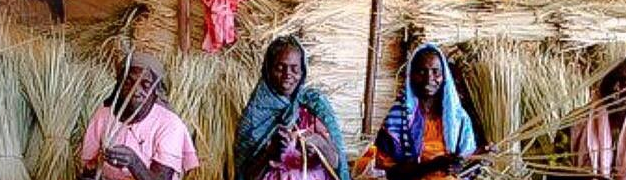
Our Unique Local-Global Solution Rising International is a nonprofit organization that has revolutionized the home party business model to alleviate poverty locally and globally. Think Avon or Tupperware for a social cause. We find the world’s most forgotten women (like Fatima) and enable them to change their destinies by selling their handmade crafts at Rising Home and Corporate Parties. We train women and teens, many un-employed or under- employed, (like Susana) to run their own Rising Home Party businesses and sell crafts made by their global sisters. We search the U.S. for party hosts (like Nancy) who invite friends to their homes to shop. Our sustainable model empowers both local and global entrepreneurs to rise above their circumstances.

Santa Cruz, California

Make Your Impact Today

Discover causes you care about and support the nonprofits making a difference in communities around the world.

Are you a nonprofit? Join Project World Impact for free

Join Us Free