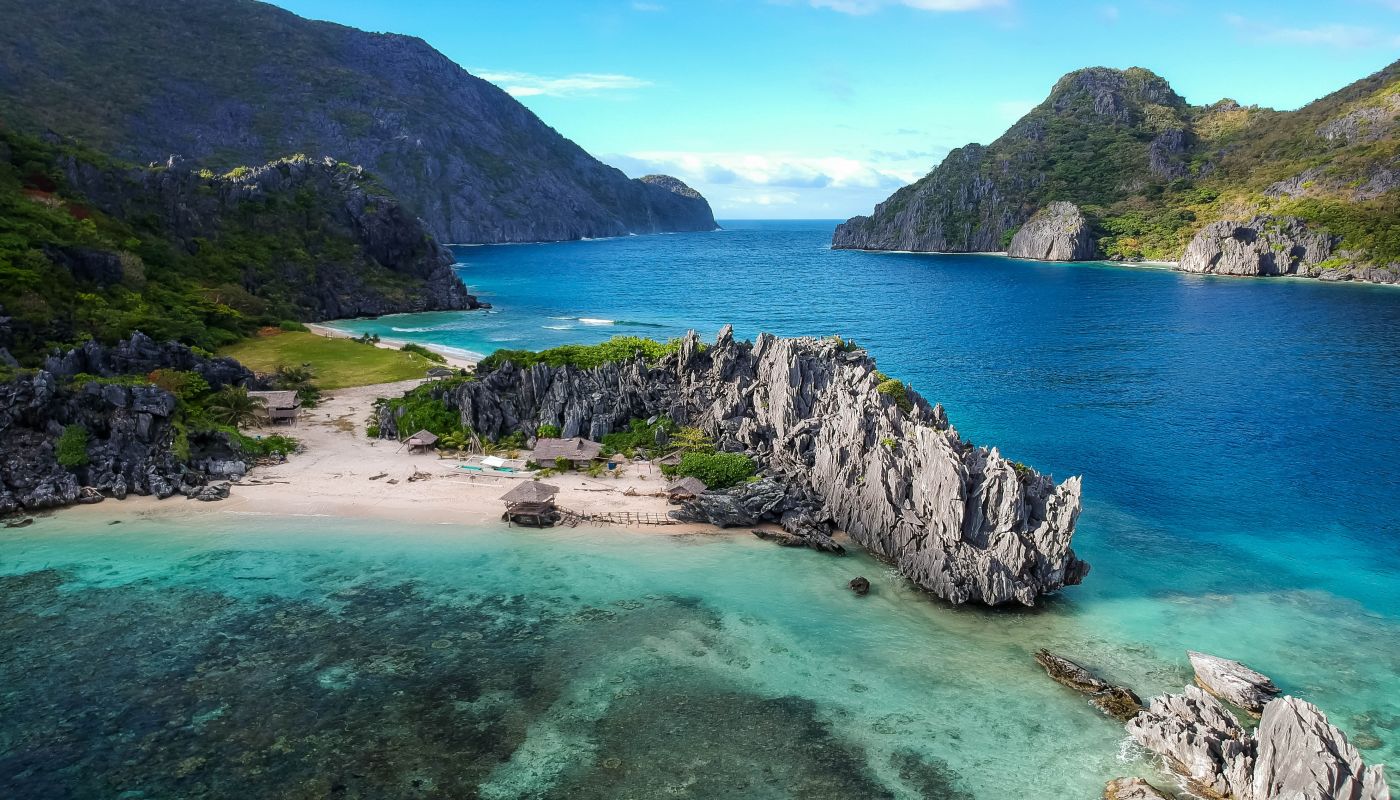
Landscape of Philippines
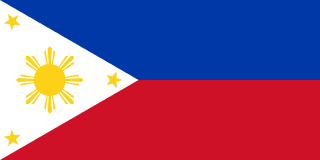
Flag of Philippines

Philippines

Asia

The Philippines has experienced consistent economic growth for the past several years, but corruption prevents all members of society from benefitting from it. Those who live in rural areas remain subject to an unpredictable agriculture sector and are especially vulnerable to the effects of natural disasters.1 President Rodrigo Duterte, elected in 2016, created a state of violence and fear when he authorized police and assassins to openly kill suspected criminals and drug abusers. The rate of extrajudicial killings in Duterte’s first year of presidency surpassed previous years by 700%.2 1 http://www.heritage.org/index/country/philippines 2 http://www.hrw.org/world-report/2013/country-chapters/philippines

What would you like to learn about in Philippines?

Select a section to explore the country where nonprofits are creating positive change.

About Philippines

The Philippine Islands became a Spanish colony during the 16th century; they were ceded to the US in 1898 following the Spanish-American War. In 1935 the Philippines became a self-governing commonwealth. Manuel QUEZON was elected president and was tasked with preparing the country for independence after a 10-year transition. In 1942 the islands fell under Japanese occupation during World War II, and US forces and Filipinos fought together during 1944-45 to regain control. On 4 July 1946 the Republic of the Philippines attained its independence. A 20-year rule by Ferdinand MARCOS ended in 1986, when a "people power" movement in Manila ("EDSA 1") forced him into exile and installed Corazon AQUINO as president. Her presidency was hampered by several coup attempts that prevented a return to full political stability and economic development. Fidel RAMOS was elected president in 1992. His administration was marked by increased stability and by progress on economic reforms. In 1992, the US closed its last military bases on the islands. Joseph ESTRADA was elected president in 1998. He was succeeded by his vice-president, Gloria MACAPAGAL-ARROYO, in January 2001 after ESTRADA's stormy impeachment trial on corruption charges broke down and another "people power" movement ("EDSA 2") demanded his resignation. MACAPAGAL-ARROYO was elected to a six-year term as president in May 2004. Her presidency was marred by several corruption allegations but the Philippine economy was one of the few to avoid contraction following the 2008 global financial crisis, expanding each year of her administration. Benigno AQUINO III was elected to a six-year term as president in May 2010. The Philippine Government faces threats from several groups, some of which are on the US Government's Foreign Terrorist Organization list. Manila has waged a decades-long struggle against ethnic Moro insurgencies in the southern Philippines, which has led to a peace accord with the Moro National Liberation Front and ongoing peace talks with the Moro Islamic Liberation Front. The decades-long Maoist-inspired New People's Army insurgency also operates through much of the country. The Philippines faces increased tension with China over disputed territorial and maritime claims in the South China Sea.

Quick Facts

Population
105,720,644 (July 2013 est.)
Area
300,000 sq km
ISO Code
PH
Continent
Asia
Government
republic
Active Causes
12
View all countries in Asia

Geography & Environment

Climate

tropical marine; northeast monsoon (November to April); southwest monsoon (May to October)

Terrain

mostly mountains with narrow to extensive coastal lowlands

Natural Resources

timber, petroleum, nickel, cobalt, silver, gold, salt, copper

Environmental Issues

uncontrolled deforestation especially in watershed areas; soil erosion; air and water pollution in major urban centers; coral reef degradation; increasing pollution of coastal mangrove swamps that are...

People & Society

72.21 years
Avg. Life Expectancy
95.4%
Literacy Rate
48.8% of total population (2011)
Total Urban Population

Languages

Filipino (official; based on Tagalog) and English (official); eight major dialects - Tagalog, Cebuano, Ilocano, Hiligaynon or Ilonggo, Bicol, Waray, P...

Religions

Catholic 82.9% (Roman Catholic 80.9%, Aglipayan 2%), Muslim 5%, Evangelical 2.8%, Iglesia ni Kristo 2.3%, other Christian 4.5%, other 1.8%, unspecifie...

Health Expenditure

3.6% of GDP (2010) of GDP

Education Expenditure

2.7% of GDP (2009) of GDP

Economy

$4,500
GDP per Capita (PPP)
7%
Unemployment Rate
26.5% (2009 est.)
Below Poverty Line

Economic Overview

Philippine GDP growth, which cooled from 7.6% in 2010 to 3.9% in 2011, expanded to 6.6% in 2012 - meeting the government's targeted 6%-7% growth range. The 2012 expansion partly reflected a rebound from depressed 2011 export and public sector spending levels. The economy has weathered global economic and financial downturns better than its regional peers due to minimal exposure to troubled international securities, lower dependence on exports, relatively resilient domestic consumption, large remittances from four- to five-million overseas Filipino workers, and a rapidly expanding business proc...

Causes in Philippines

Environment

The Philippines is situated on a typhoon belt and an active volcanic region, as well as between the Pacific Eurasian tectonic plates. Its unstable geographical location makes the country prone to typhoons, floods, landslides, volcanic eruptions, earthquakes and tsunamis. The environment also suffers the effects of human-related activities.1 Deforestation, urbanization, abuse of coastal resources, and overfishing are all environmental concerns in the Philippines. The government is currently trying to reconcile its mining industry with environmental conservation in an attempt to protect natural resources.2

Family

In 2014, the Supreme Court in the Philippines upheld a new law that requires government health centers to provide free contraception.These efforts are an attempt to curb the rising population, as the birth rate in the Philippines is one of the most prolific in Asia. The law also mandates that reproductive health education programs be instituted in public schools throughout the Philippines.1 However, the government withdrew government funding from this act in 2016, limiting low income citizens’ access to contraception. Reports of domestic violence have increased in recent years. This may not indicate an increase in violent acts, but a better awareness of victims’ rights and resources available to them. Local governments fund the construction of shelters and recovery facilities.3

Human Rights

Human rights violations, made worse by government corruption, are a prominent concern in the Philippines. One of the biggest concerns is the extreme rise in extrajudicial killings by President Duterte’s death squad. Policemen and paid assassins killed over 7,000 suspected criminals and drug users in the first year of Duterte’s presidency as a part of his anti-drug campaign.1 The police believe they are carrying out justice and are helping to purge the country of its bad citizens.2 Thousands of other potential criminals are placed in overcrowded jails as part of Duterte’s war on drugs. Critics of his methods are threatened by his supporters and subject to harassment and intimidation.3

Education

Typhoon Haiyan damaged many school buildings in 2013, and a lack of adequate government funding left many other schools understaffed and underresourced. Schools became overcrowded, and student performance dropped as a result.1 New government reforms in partnership with foreign aid are working to train teachers, update curriculum, and prepare students for the job market.2 The Philippines has a high literacy rate of around 96%.3

Poverty

In 2012, 25.2% of the population lived at or below the poverty line.1 Half of the poverty stricken citizens live in rural areas, where developmental aid is difficult to distribute.2 People in low income and rural areas have not reaped the benefits of the growing economy due to high levels of inflation and population growth. The wealth disparity and inequality in the Philippines also present significant challenges to poverty alleviation.3 The causes of poverty in the Philippines vary between islands, but are mainly centered on the lack of profitability in farming.2 The unemployment rate is at 5.5%.4

Religion

The Philippines is the only predominantly Christian nation in Southeast Asia. Over 86% of its inhabitants profess to be Roman Catholic, 6% subscribe to other Christian beliefs, 4% identify as being Muslim, and 2% follow indigenous beliefs. The Muslim population is largely concentrated in the Southern islands.1 There is official separation between church and state in the Philippines, and there are low levels of government involvement in religion. Because the majority of Filipinos are Catholic, they generally have conservative political beliefs.2

Clean Water

Around 91% of the citizens living in the Philippines have access to clean drinking water, while only 74% retain access to adequate sanitation systems and infrastructures.1 Water that is collected and transported by hand is susceptible to bacteria and causes diseases like dysentery.2 In 2013, Typhoon Haiyan destroyed the infrastructure that allowed many citizens to gain access to clean water and toilets. The typhoon impacted more than 11 million people and left 100,000 people without means for clean water. Since then, outbreaks of cholera have skyrocketed.3

Economy

Throughout the past decade, the Philippines has experienced economic growth of roughly 5% each year. Further growth is hampered by lack of entrepreneurial opportunities and job growth in the private sector. Agriculture and electronic production are the leading sources of income for the country, and remittances from overseas workers account for 10% of the annual GDP.1 The Philippines has a highly skilled workforce and has been economically resilient, despite food and fuel price increases, global financial crises, and recession. The unemployment rate is at 5.5% and 21.6% of the population lives below the poverty line.2

Government

The government of the Philippines is a republic with a multiparty system.1 The Philippines is known for corruption in the form of bribery, embezzlement, backdoor deals, nepotism, and patronage. In recent years, some money that was allocated for natural disaster relief was instead funnelled to the government.2 President Rodrigo Duterte was elected in 2016 on an anti-corruption platform, but his actions have not always aligned with his promises.3 Some members of the police force belong to Duterte’s “death squad” and are authorized to murder drug users in an attempt to remove them from the population.4

Health

The Philippines has been concentrating more of its efforts on reducing the rate of child mortality. Half of all Filipino children that do not live past their fifth birthday are newborns, and these deaths are most common in rural areas of the country where there is limited access to health care. Malnutrition in children is another serious problem—3.6 million children are underweight. Malnourished children face stunted growth, a diminished chance of completing their schooling, and the threat of becoming unproductive adults.1There is a considerable disease burden present in the Philippines. The leading causes of death are respiratory infection, pneumonia, hypertension, and bronchitis.2 Natural disasters like flood and typhoons also cause higher rates of diseases like dengue because of bacteria in standing water.3 The average life expectancy is 69 years.4

Children

One of the largest threats to the well being of Filipino children is human trafficking; specifically child prostitution, child soldiery, and debt bondage. Trafficking is oftentimes managed by well-known local businesses in conjunction with the corrupt government, or by family members of the victims. The high rates of child and familial poverty, even in the face of economic growth, have caused an exponential rise in child prostitution, since families often see no other way out of their desperate situations. Anywhere from 60,000 to 100,000 children are forced into prostitution in the Philippines. Currently, the country does not have adequate victim assistance programs or criminal prosecution courts because of a lack of financial and judicial resources.1

Animals

The Philippines is home to the largest species of eagle in the world, the Philippine Eagle, and the smallest mammal in the world, the Philippine Tarsier.1 A variety of other animals, such as water buffalo, goats, and monkeys are common on the islands. The surrounding waters are protected by UNESCO and are home to endangered marine turtles and crocodiles.2

Nonprofits Working in Philippines

Discover organizations making a difference in Philippines

Project Peanut Butter

Project Peanut Butter

Across the world, severe acute malnutrition is the largest killer of children under 5 years of age, contributing to nearly half of all childhood deaths (more than 3 million children per year). We produce peanut based ready-to-use therapeutic foods (RUTF) locally in factories in Malawi, Sierra Leone, and Ghana. Our factories are internationally accredited by UNICEF, Doctors Without Borders, and the World Food Program, and our product is considered the standard of care worldwide for severely malnourished children. We strive to use as many local ingredients and staff as possible. In addition, we distribute the therapeutic food at our own mobile clinics, where PPB nurses assess children for malnutrition and provide qualifying children with life-saving food at no charge.

Maplewood, Missouri
EUROPEAN & MIDDLE EASTERN MINISTRIES INCORPORATED

EUROPEAN & MIDDLE EASTERN MINISTRIES INCORPORATED

EME endeavors to enable worshipping communities to transform their local environments through education and community / business development projects, especially in the Southeastern Europe, the Middle East and North Africa Mission Statement EME Purposes To: • Enable local churches, ministries and other partners, primarily in the Mediterranean Region. • Empower partnerships with necessary provisions—e.g. personnel, finance, training and other essentials—to better advance their efforts. • Support the development of educational programs within the framework of partnerships— e.g. kindergartens, primary schools, K-12 schools and adult education—and the implementation of community building projects, including Business as/for Mission.

Jonesboro, Arkansas

Make Your Impact Today

Discover causes you care about and support the nonprofits making a difference in communities around the world.

Are you a nonprofit? Join Project World Impact for free

Join Us Free