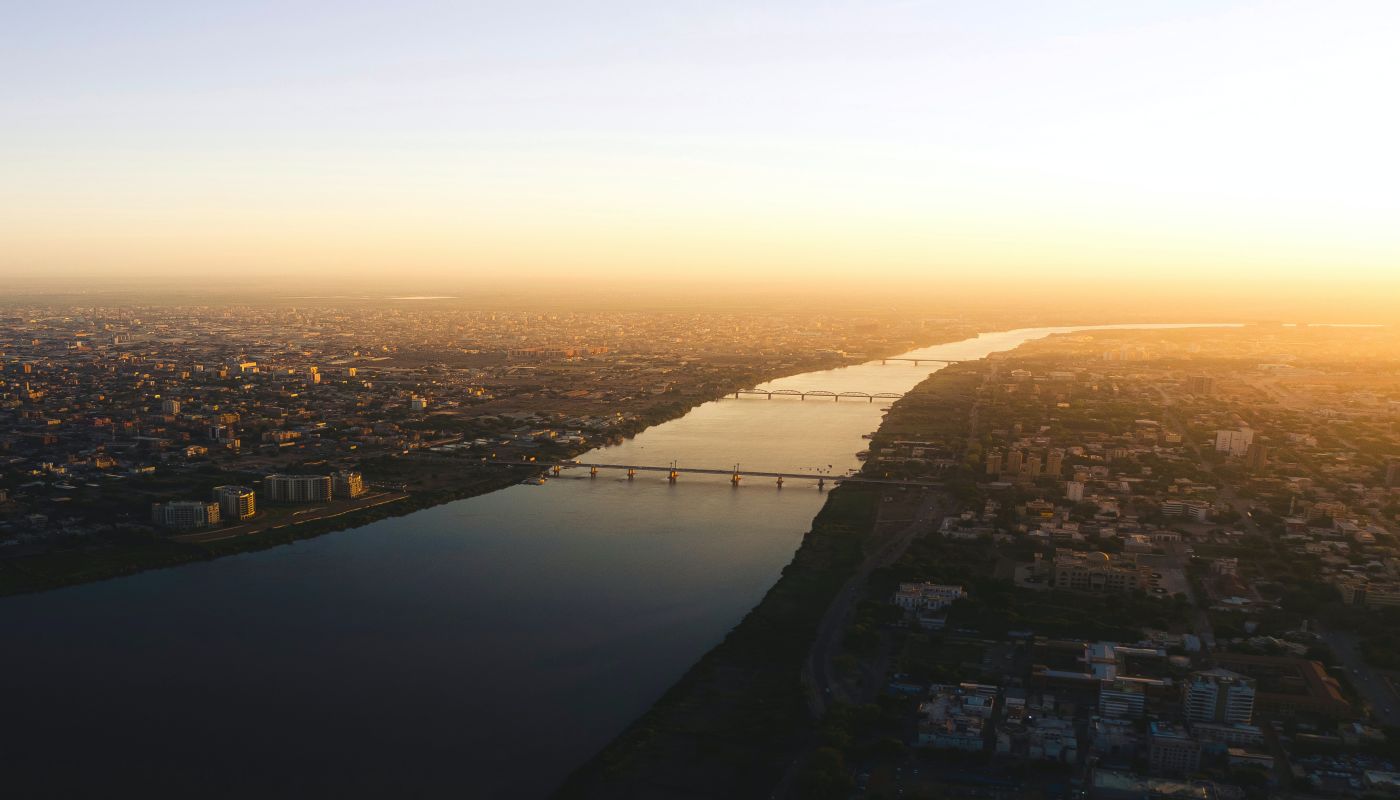
Landscape of Sudan
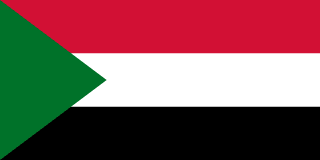
Flag of Sudan

Sudan

Africa

Rampant corruption and conflict characterize the government of Sudan. Civil war and religious conflict plagued the country for years, and hundreds of thousands of people have been killed, tortured, or displaced from their homes. The government has not heeded direction from international organizations and continues to stifle the basic rights of its citizens.1 1 https://www.hrw.org/world-report/2017/country-chapters/sudan

What would you like to learn about in Sudan?

Select a section to explore the country where nonprofits are creating positive change.

About Sudan

Military regimes favoring Islamic-oriented governments have dominated national politics since independence from the UK in 1956. Sudan was embroiled in two prolonged civil wars during most of the remainder of the 20th century. These conflicts were rooted in northern economic, political, and social domination of largely non-Muslim, non-Arab southern Sudanese. The first civil war ended in 1972 but broke out again in 1983. The second war and famine-related effects resulted in more than four million people displaced and, according to rebel estimates, more than two million deaths over a period of two decades. Peace talks gained momentum in 2002-04 with the signing of several accords. The final North/South Comprehensive Peace Agreement (CPA), signed in January 2005, granted the southern rebels autonomy for six years followed by a referendum on independence for Southern Sudan. The referendum was held in January 2011 and indicated overwhelming support for independence. South Sudan became independent on 9 July 2011. Since southern independence Sudan has been combating rebels from the Sudan People's Liberation Movement-North (SPLM-N) in Southern Kordofan and Blue Nile states. A separate conflict, which broke out in the western region of Darfur in 2003, has displaced nearly two million people and caused an estimated 200,000 to 400,000 deaths. The UN took command of the Darfur peacekeeping operation from the African Union in December 2007. Peacekeeping troops have struggled to stabilize the situation, which has become increasingly regional in scope and has brought instability to eastern Chad. Sudan also has faced large refugee influxes from neighboring countries primarily Ethiopia and Chad. Armed conflict, poor transport infrastructure, and lack of government support have chronically obstructed the provision of humanitarian assistance to affected populations.

Quick Facts

Population
34,847,910
Area
1,861,484 sq km
ISO Code
SD
Continent
Africa
Government
Federal republic ruled by the National Congress Party the (NCP), which came to power by military coup in 1989; the CPA-mandated Government of National Unity, which since 2005 provided a percentage of leadership posts to the south Sudan-based Sudan People's Liberation Movement (SPLM), was disbanded following the secession of South Sudan.
Active Causes
12
View all countries in Africa

Geography & Environment

Climate

hot and dry; arid desert; rainy season varies by region (April to November)

Terrain

generally flat, featureless plain; desert dominates the north

Natural Resources

petroleum; small reserves of iron ore, copper, chromium ore, zinc, tungsten, mica, silver, gold; hydropower

Environmental Issues

inadequate supplies of potable water; wildlife populations threatened by excessive hunting; soil erosion; desertification; periodic drought

People & Society

62.95 years
Avg. Life Expectancy
71.9%
Literacy Rate
33.2% of total population (2011)
Total Urban Population

Languages

Arabic (official), English (official), Nubian, Ta Bedawie, Fur

Religions

Sunni Muslim, small Christian minority

Health Expenditure

6.3% of GDP (2010) of GDP

Education Expenditure

NA of GDP

Economy

$2,600
GDP per Capita (PPP)
20%
Unemployment Rate
46.5% (2009 est.)
Below Poverty Line

Economic Overview

Sudan is an extremely poor country that has had to deal with social conflict, civil war, and the July 2011 secession of South Sudan - the region of the country that had been responsible for about three-fourths of the former Sudan's total oil production. The oil sector had driven much of Sudan's GDP growth since it began exporting oil in 1999. For nearly a decade, the economy boomed on the back of increases in oil production, high oil prices, and significant inflows of foreign direct investment. Following South Sudan''s secession, Sudan has struggled to maintain economic stability, because oil...

Causes in Sudan

Environment

Sudan faces a number of environmental concerns, including desertification, climate change, increasing water shortages, decreasing rainfall, riverbank erosion, and deforestation. Air pollution and environmental degradation, along with a country-wide shortage of clean water, contribute to the country’s high mortality rate.1 The Sudanese rely heavily on the environment for exports and agriculture, and overuse of the land has caused degradation of existing desert environments. Environmental problems have been closely linked to the long conflicts in Sudan and the aftermath of war.2

Family

Sudan’s family structure is strongly rooted in tradition. Traditionally, couples do not meet until their wedding day, and parents arrange the marriages for their children. The average marrying age is 19 or 20, but in poorer areas girls are often younger. 1 Approximately 33% of girls are married before their eighteenth birthday.2 It is legal for Muslim children to marry as young as 10 years old. Polygamy is common, and 30-60% of women in Sudan are involved in polygamous relationships.3

Human Rights

Human rights issues abound in Sudan. Violent conflicts are especially concentrated in Darfur, South Kordofan, and the Blue Nile states, which are located in the southern region of the country. Government forces have displaced hundreds of thousands of citizens in Darfur and subjected countless others to torture, rape, and killings in an attempt to purge anyone not of Arab descent. Many of the affected people have no access to humanitarian aid and are forced to flee the country.1 The International Criminal Court (ICC) indicted President Omar Hassan al-Bashir in 2009 for the genocide in Darfur, but he has avoided arrest. Citizens elsewhere in the country are also subject to government oppression. Sudanese women face the daily risk of being arrested for “indecent behavior” at the discretion of public officials. Violence against women, including beatings and rape, is commonplace and not punished. Anyone who speaks out or writes against the government is subject to arrest and threats.2 Sudan refuses to comply with ICC arrest warrants and reform demands in order to improve the human rights situation.1

Education

Sudan’s educational system is free and compulsory for all citizens 6 to 13 years of age, although thousands of children do not attend school. Children in rural areas often work at family farms and do not have time to attend school.1 The large number of dropouts both at a basic and secondary level, the inability to attract teachers to remote schools, insufficient resources (particularly textbooks), and inadequate instructional time make learning difficult.2 Additionally, schools are often built poorly, and the buildings are insufficient and unsafe for students.3

Poverty

Nearly half of the nation’s 44 million inhabitants live in poverty. The distribution of wealth is uneven throughout the country due to high corruption in government spending. Many regions have received little to no development assistance, leaving the majority of the citizens in these regions in poverty.1 Poverty is the result of years of civil war, depletion of natural resources, and low agricultural production.2

Religion

The largest and most culturally accepted religion in Sudan is Islam. The majority of Sudanese Muslims identify as Sunnis. Religion played a large role in the civil conflict that plagued Sudan’s North and South civil war for many years.1The North, which claims almost two-thirds of Sudan's land and population, is Muslim and Arabic-speaking, while the South was more indigenously African with Christian influences and a Western orientation. Today, Catholic and Anglican churches make up the majority of the remaining Christian presence, and this is primarily a result of missionaries and mission work.2

Clean Water

Sudan has limited access to clean water, which poses great challenge to its people and economy. Poor environmental conditions and sanitation continue to decrease the availability of safe drinking water throughout the country, where approximately 97% of the water supply is used by the agricultural industry and only 2% is used domestically. Because 80% of the country works in agriculture, it is crucial that Sudanese people have water, particularly in rural areas where farms feed the local community. Many women and children have to go out and find water sources for domestic use. These sources are often far from their homes and trips back and forth are dangerous. Even if water is found, it is often unclean and can lead to serious diseases such as diarrhea, cholera, Hepatitis E, and Guinea Worm Disease.1

Economy

Sudan’s economy is wrought with corruption, instability, and lack of economic opportunity. The country has a 13% unemployment rate, and 80% of the population relies on the agricultural sector for employment. When Sudan split with South Sudan in 2011, it lost three-quarters of its oil revenue and has struggled to maintain economic stability because of its lack of export diversification.1 Strict government regulations and limited investments prevent economic diversity.2

Government

Sudan became a separate country from the Republic of South Sudan in 2011, when decades of civil war and a six year peace agreement ended with South Sudan’s independence. Despite the conflict ending, Sudan’s government has been characterized by many years of corruption and violence. President Omar Hassan al-Bashir originally earned his title in a 1989 military coup and has been in office ever since. He is the only sitting head of state to ever face an indictment by the International Criminal Court for crimes against humanity that he committed in Darfur.1 Cross-border violence also contributes to political instability within Sudan.2

Health

The Sudanese health care system lacks the ability to care for the nation’s people. Even though funding for health care has increased, it is still below what the World Health Organization recommends.1 Sudan faces serious diseases. These illnesses include cholera, malaria, tuberculosis, measles and more.2 Healthcare is extremely limited in rural areas. Without enough facilities and medical staff, accessibility to treatment is very poor. Even in wealthier areas, there is still a significant shortage of health care professionals. There are only three doctors for every 10,000 people and hospitals can be overcrowded.3

Children

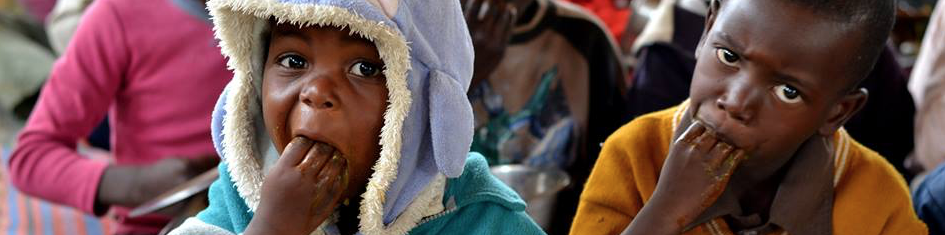
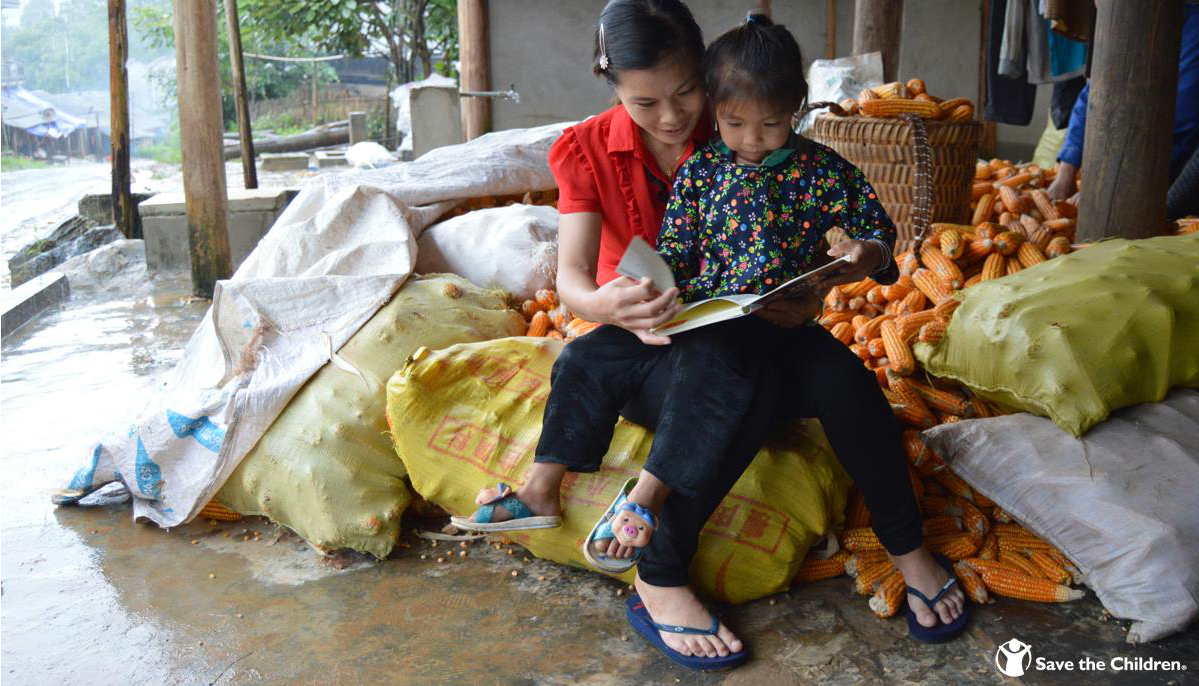
The under-5 mortality rate of Sudanese children is 70 per 1,000 live births, and average life expectancy of a Sudanese citizen is just 63 years.1 Children face issues such as poverty, limited access to quality food, education, and health care, child soldier recruitment, child marriage, displacement, female genital mutilations, and the right to life.2 Due to inflated food prices and violence, children are particularly at risk for food and water shortages.3

Animals

The country’s native wildlife includes lions, leopards, elephants, giraffes, and monkeys. There is a large amount of cattle that graze in the grassy lands by the Nile.1 The large amount of cattle can contribute to overgrazing of the land, leaving it susceptible to flooding and drought. Other species, such as rhinos, used to inhabit the land but are extinct due to unchecked hunting.2

Nonprofits Working in Sudan

Discover organizations making a difference in Sudan

Make Your Impact Today

Discover causes you care about and support the nonprofits making a difference in communities around the world.

Are you a nonprofit? Join Project World Impact for free

Join Us Free