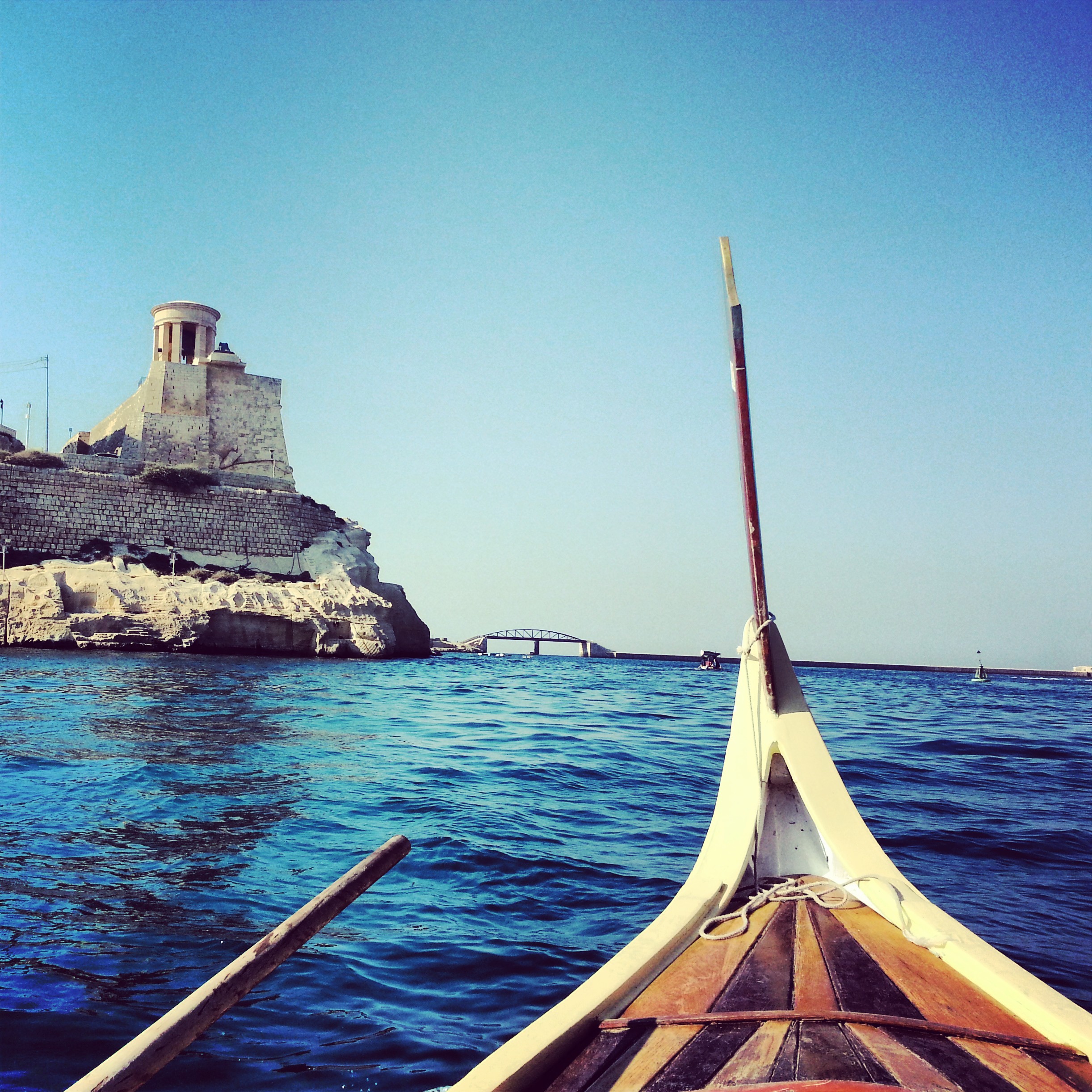
Landscape of Switzerland
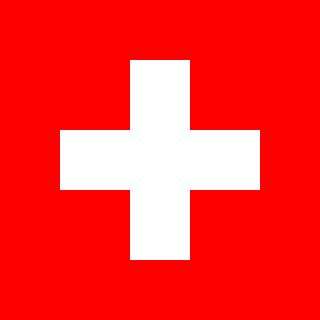
Flag of Switzerland

Switzerland

Europe

Switzerland has been an independent nation since 1499 and is widely respected for its neutrality in world affairs. It was one of the few European nations not involved in either of the world wars.1 Switzerland retains a very high cost of living, due in part to the government mandate for all citizens to pay for some form of private health care.2 Its economy thrives due to open markets, transparency, and a strong sense of competition.3 One of its biggest challenges is balancing a “no mass immigration” policy with its commitment to open borders in regards to Europe’s influx of refugees seeking asylum.4 1 https://www.cia.gov/library/publications/resources/the-world-factbook/geos/sz.html 2 https://www.forbes.com/sites/theapothecary/2011/04/29/why-switzerland-has-the-worlds-best-health-care-system/#3064c68a7d74 3 http://www.heritage.org/index/country/switzerland 4 http://www.bbc.com/news/business-36562827

What would you like to learn about in Switzerland?

Select a section to explore the country where nonprofits are creating positive change.

About Switzerland

The Swiss Confederation was founded in 1291 as a defensive alliance among three cantons. In succeeding years, other localities joined the original three. The Swiss Confederation secured its independence from the Holy Roman Empire in 1499. A constitution of 1848, subsequently modified in 1874, replaced the confederation with a centralized federal government. Switzerland's sovereignty and neutrality have long been honored by the major European powers, and the country was not involved in either of the two world wars. The political and economic integration of Europe over the past half century, as well as Switzerland's role in many UN and international organizations, has strengthened Switzerland's ties with its neighbors. However, the country did not officially become a UN member until 2002. Switzerland remains active in many UN and international organizations but retains a strong commitment to neutrality.

Quick Facts

Population
7,996,026 (July 2013 est.)
Area
41,277 sq km
ISO Code
CH
Continent
Europe
Government
formally a confederation but similar in structure to a federal republic
Active Causes
12
View all countries in Europe

Geography & Environment

Climate

temperate, but varies with altitude; cold, cloudy, rainy/snowy winters; cool to warm, cloudy, humid summers with occasional showers

Terrain

mostly mountains (Alps in south, Jura in northwest) with a central plateau of rolling hills, plains, and large lakes

Natural Resources

hydropower potential, timber, salt

Environmental Issues

air pollution from vehicle emissions and open-air burning; acid rain; water pollution from increased use of agricultural fertilizers; loss of biodiversity

People & Society

82.28 years
Avg. Life Expectancy
99%
Literacy Rate
74% of total population (2010)
Total Urban Population

Languages

German (official) 63.7%, French (official) 20.4%, Italian (official) 6.5%, Serbo-Croatian 1.5%, Albanian 1.3%, Portuguese 1.2%, Spanish 1.1%, English...

Religions

Roman Catholic 41.8%, Protestant 35.3%, Muslim 4.3%, Orthodox 1.8%, other Christian 0.4%, other 1%, unspecified 4.3%, none 11.1% (2000 census)

Health Expenditure

11.5% of GDP (2010) of GDP

Education Expenditure

5.4% of GDP (2009) of GDP

Economy

$46,200
GDP per Capita (PPP)
2.9%
Unemployment Rate
7.9% (2010)
Below Poverty Line

Economic Overview

Switzerland is a peaceful, prosperous, and modern market economy with low unemployment, a highly skilled labor force, and a per capita GDP among the highest in the world. Switzerland's economy benefits from a highly developed service sector, led by financial services, and a manufacturing industry that specializes in high-technology, knowledge-based production. Its economic and political stability, transparent legal system, exceptional infrastructure, efficient capital markets, and low corporate tax rates also make Switzerland one of the world's most competitive economies. The Swiss have brough...

Causes in Switzerland

Environment

Switzerland is likely to feel the effects of climate change in the mountainous and snow-packed areas. All of the highest temperatures on record have occurred since 2001, the warmest being in 2015.1 This increase in temperature correlates to a rise in the frequency and ferocity of floods and landslides that could potentially devastate populations. The tourism industry has already taken a hit with a decreased amount of snow for ski season.2 However, Switzerland has promised to reduce carbon emissions by 50% in the next 15 years in order to preserve the environment.3

Family

Over the past two decades, there has been a decline in the overall rate of marriage. At the same time, they average age of a Swiss couple at the time of their first marriage has risen steadily and is now 32 for men and 30 for women.1 Approximately 40% of marriages end in divorce. Family size has decreased as well, with the average birth rate being 1.52 children per woman.2 Domestic abuse is a concern for Swiss families, and women and children are the most common victims of physical and psychological violence.3

Human Rights

Switzerland has been a long time advocate for human rights and has been a member of the United Nations since 2002.1 Despite these advances, Switzerland’s policies remain polarizing to asylum seekers and immigrants. The country is part of the Schengen borderless region in Europe, which allows people to come and go as they please across its borders. However, the influx of refugees traveling to Germany prompted a vote to prohibit mass immigration in 2014. One practical reason that voters passed the bill was because there is not enough space in the small country for tens of thousands of immigrants to live.2

Education

Switzerland is divided into 26 different cantons that are independently responsible for their own education policies. The language of instruction varies from German, French, and Italian from canton to canton. Education is compulsory for 11 years and ends either in vocational training or preparation for university. 90% of students complete education through secondary school. Those who continue on to university have the choice of what school they want to attend and what they want to study. Government subsidies make all levels of education affordable.1

Poverty

1 in 13 Swiss citizens lives in poverty, amounting to about 6% of the population. However, the poverty line is also affected by the high cost of living. Zurich and Geneva are among the most expensive cities to live in in the world. The average hourly wage is around $41 which helps offset the cost of living, but makes it difficult for those who are unemployed. Single-parent households, elderly citizens, and unskilled laborers are the demographic most vulnerable to poverty.1 The unemployment rate in Switzerland is low at 3.3%.2

Religion

Switzerland’s constitution provides for the legal protection of freedom of religion.1 Traditionally, the main religion in Switzerland has been Christianity, and two-thirds of the population identify as either Roman Catholic or Protestant.2 With an increase in immigration, there have been more Muslim immigrants from Eastern Europe and North African countries. Several Swiss cantons voted to ban women from wearing traditional burqas in public, with violators required to pay fines.3

Clean Water

All Swiss citizens are able to access clean water in their homes and water quality is constantly monitored. A federal office is in charge of ensuring the responsible usage of the water resources, as well as ensure that they are protected from pollution. 6% of Europe’s freshwater comes from Switzerland’s glacier runoffs, streams, and groundwater supply. 40% of the groundwater is so pure that it does not require treatment to be drinkable.1

Economy

Switzerland’s economy ranks as one of the best in Europe and worldwide based on its rule of law, government size, regulatory efficiency, and open markets. The Swiss economy has gained its reputation of stability by fostering a sense of strong competition, flexibility, and market openness. The financial sector enjoys sensible investments and banking practices, as well as a stable regulatory environment.1 The majority of the Swiss economy relies on the services industry, mainly financial services and manufacturing.2 Switzerland has a low unemployment rate and one of the highest GDP per capita in the world.3

Government

Since its inception, Switzerland has prided itself on its sovereignty and neutrality from other European superpowers. Switzerland is not a member of the European Union, but it did become a member of the United Nations in 2002. The president functions as both the chief of state and the head of government.1 There is very little government corruption, due to the country’s anti-corruption laws that are strictly enforced. The judicial system is independent and transparent.2

Health

The Swiss have a highly developed and efficient health care framework, which places a high value on universality and equality. Health insurance is mandatory for every citizen even though they have to pay some out of pocket cost. This allows citizens to choose the quality of health insurance they want to pay for while decreasing the amount of money the government spends on providing healthcare to its citizens. Citizens have access to the latest technology, short waiting times for appointments, and qualified physicians.1 As a result, the life expectancy at birth for Swiss citizens is one of the highest in the world at 82. Additionally, the infant mortality rate in Switzerland is low at 4 deaths per 1,000 live births.2 The leading causes of death in the past five years have been cardiovascular disease, cancer, respiratory disease, and mental disorders.3

Children

Switzerland has several official child and youth policies in place at the federal and regional levels. However, regional municipalities have the primary responsibility for the protection of children. There are stringent legal regulations to protect children from violence and neglect within their families, as well as in schools.1 These protections have not always been effective, however, and until the 1980s, Swiss children taken from parents who were deemed unfit were used as cheap labor in farms and other industries around the country. This generation of children has only recently received the attention of the government.2 In one year, a hospital in Zurich reported 450 registered cases of child abuse. Out of these cases, only 11 families were reported to the police for neglect.3

Animals

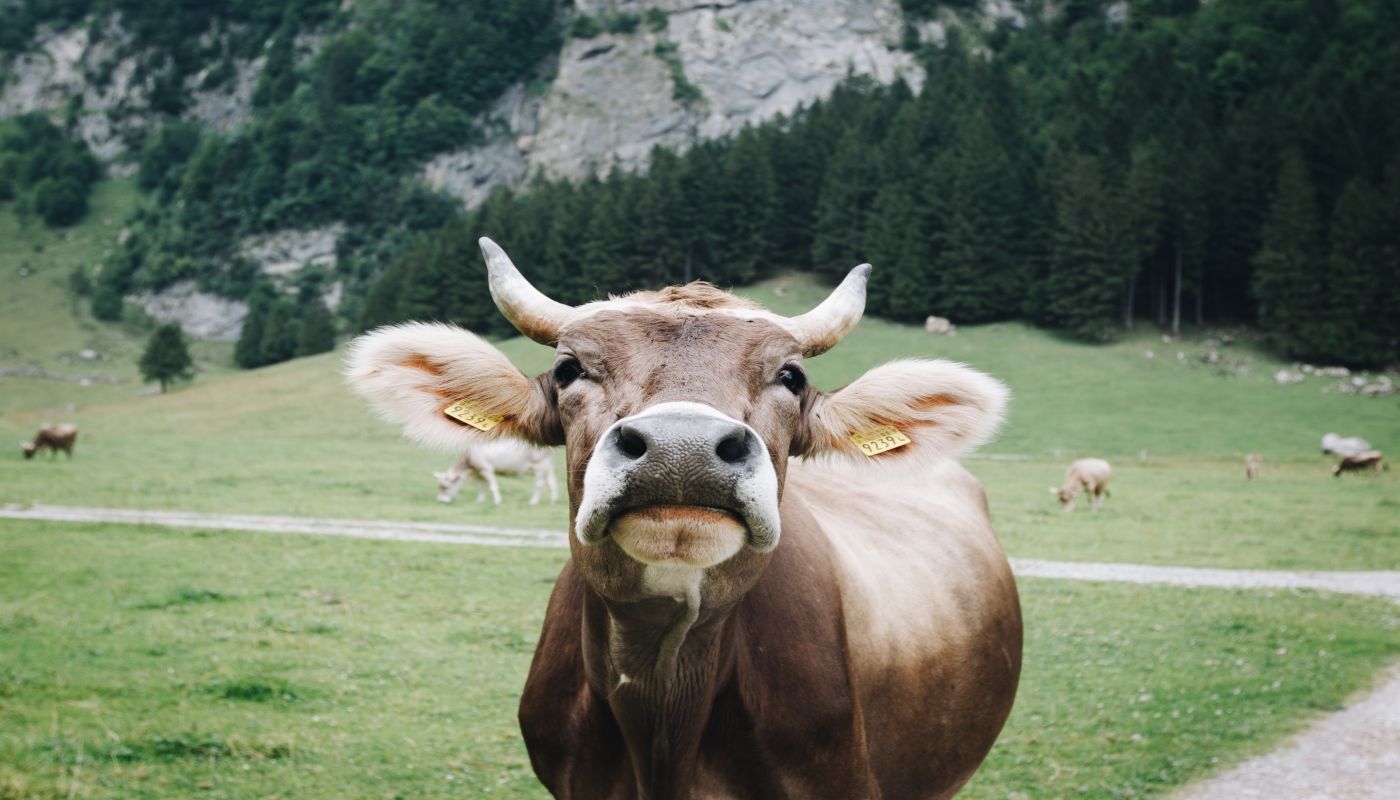
The majority of animals in Switzerland live in its alpine areas. Native species such as the ibex, which died out but were reintroduced, are commonly found in the mountain regions. Other animals such as deer, foxes, and rabbits are protected except for a short hunting season.1

Nonprofits Working in Switzerland

Discover organizations making a difference in Switzerland

Make Your Impact Today

Discover causes you care about and support the nonprofits making a difference in communities around the world.

Are you a nonprofit? Join Project World Impact for free

Join Us Free